
Manganese Gluconate Powder
Lifeworth supplies manganese gluconate powder for supplement brands, premix manufacturers, food fortification projects, and mineral nutrition distributors. We support specification review, sample evaluation, COA, SDS/MSDS, and flexible bulk packaging for international sourcing.
- Manganese gluconate powder, CAS 6485-39-8
- Organic manganese source for mineral nutrition
- Suitable for tablets, capsules, premixes, and fortified foods
- Elemental manganese and assay review available
- COA, SDS/MSDS, sample, and bulk packaging support
Tell us your application, target specification, and destination market so we can support grade selection, documentation review, and packaging recommendations.
Quick Specs
Identity
INCI Name
Alias
CAS Number
Molecular Formula
Molecular Weight
Quality
Assay
Grade
Standards
Assay Method
Handling
Appearance
Form
Solubility
Applications
Commercial Terms
MOQ
MOQ depends on packaging and specification.
Lead Time
3–7 working days for standard items; bulk orders by schedule.
Incoterms
EXW / FOB / CIF / DAP / DDP
Sample
Free sample (shipping charged)
Quality & Documents
COA (per batch) • SDS/MSDS • TDS/Spec sheet (on request). Additional statements depend on product and market.
Product Overview
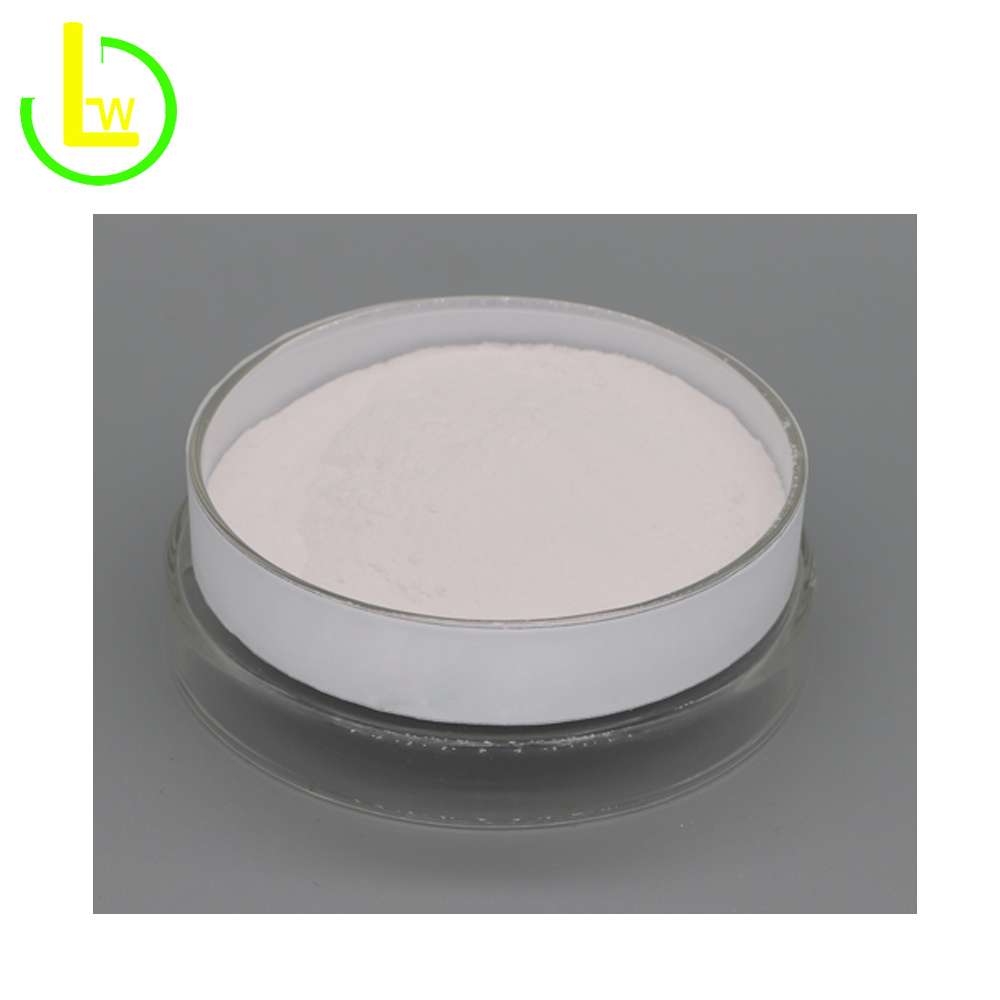
Manganese Gluconate Powder is an organic manganese salt commonly used as a trace mineral ingredient in dietary supplements, food fortification, and nutritional premix systems.
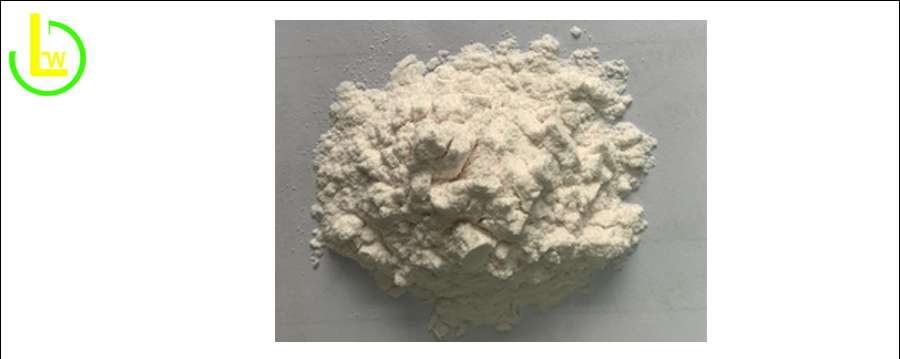
It is usually supplied as light pink to pale pink powder, and buyers often review assay, elemental manganese content, solubility, heavy metals, microbial limits, and documentation scope before technical or commercial evaluation.
It is commonly considered for tablets, capsules, mineral premixes, fortified foods, and animal nutrition projects where permitted, with sample supply and batch documentation available for sourcing reference.
Applications
Dietary Supplements
Used in tablets, capsules, and mineral supplement formulas where a defined manganese source is required.
Food Fortification
Considered where manganese enrichment and mineral premix compatibility are required in suitable food systems.
Nutritional Premixes
Suitable for vitamin-mineral premixes and multi-mineral blend systems where blending uniformity is important.
Animal Health & Feed
Where permitted, may be reviewed for trace mineral premix applications in animal nutrition.
How to Choose the Right Grade / Form
Supplement Grade
For capsules and tablets, choose material with defined assay, elemental manganese content, heavy metal limits, microbial limits, and document support.
Food Fortification Grade
For fortified foods, review solubility, taste impact, heavy metals, microbiological quality, and market-specific food compliance documents.
Premix Grade
For dry premixes, particle size, flowability, bulk density, and blending uniformity should be checked together with assay.
Confirm Specification
Compare quotations based on actual elemental manganese content, solubility, application fit, and market requirements.
Technical & Formulation Notes
Technical Notes
Manganese gluconate is selected when a gluconate-based manganese source is preferred for mineral nutrition or premix applications.
For procurement review, buyers should confirm CAS number, assay basis, elemental manganese content, appearance, solubility, heavy metals, microbial limits, and intended application compliance before order confirmation.
Manufacturing & Process
Commercial manganese gluconate powder is typically produced through controlled reaction of a gluconate source with manganese compounds, followed by purification, drying, milling or sieving, and packaging.
Batch consistency should be evaluated through appearance, identification, assay, elemental manganese content, loss on drying, and microbiological testing according to the agreed specification.
Compatibility / Formulation Notes
For capsules and tablets, manganese gluconate should be blended uniformly because mineral ingredients are often used at controlled dosage levels.
For powder premixes, review particle size, flowability, carrier compatibility, and segregation risk before large-scale blending.
For fortified foods or beverages, solubility, taste impact, color impact, and interaction with other minerals should be evaluated.
For multi-mineral formulas, compatibility with calcium, magnesium, zinc, iron, vitamins, and organic acids should be reviewed during pilot testing.
Extended QC & Test Items
Extended quality review may include appearance, identification, assay, manganese content, loss on drying, residue on ignition, pH, solubility, heavy metals, arsenic, lead, cadmium, mercury, total plate count, yeast and mold, E. coli, and Salmonella.
Product specifications
| Test | Specification | Method |
|---|---|---|
| Appearance | Light pink to pale pink powder | Visual |
| Identification | Conforms to reference standard | IR / Chemical reaction |
| Assay | Per agreed specification | Titration / ICP |
| Elemental Manganese | Per agreed specification | ICP-OES / AAS |
| Solubility | Soluble in water | In-house |
| Loss on Drying | Per agreed specification | USP / In-house |
| Residue on Ignition | Per agreed specification | USP / In-house |
| Heavy Metals | Per agreed specification | ICP-MS / AAS |
| Lead | Per agreed specification | ICP-MS / AAS |
| Arsenic | Per agreed specification | ICP-MS / AAS |
| Cadmium | Per agreed specification | ICP-MS / AAS |
| Mercury | Per agreed specification | ICP-MS / AAS |
| Total Plate Count | Per agreed specification | USP / ISO |
| Yeast & Mold | Per agreed specification | USP / ISO |
| E. coli | Negative | USP / ISO |
| Salmonella | Negative | USP / ISO |
Storage, Shelf Life & Packaging
Storage
Store in a cool, dry, well-ventilated place in tightly sealed containers.
Protect from moisture, high humidity, direct sunlight, and incompatible materials during storage, handling, and transportation.
Shelf Life
Typical shelf life is 24 months when stored in unopened original packaging under recommended conditions.
Actual shelf life should be confirmed according to the batch COA, packaging format, and storage environment.
Packaging & Logistics
Sample Packing
Small evaluation packs can be arranged for laboratory evaluation, premix testing, formulation trials, and preliminary quality review.
Bulk Packing
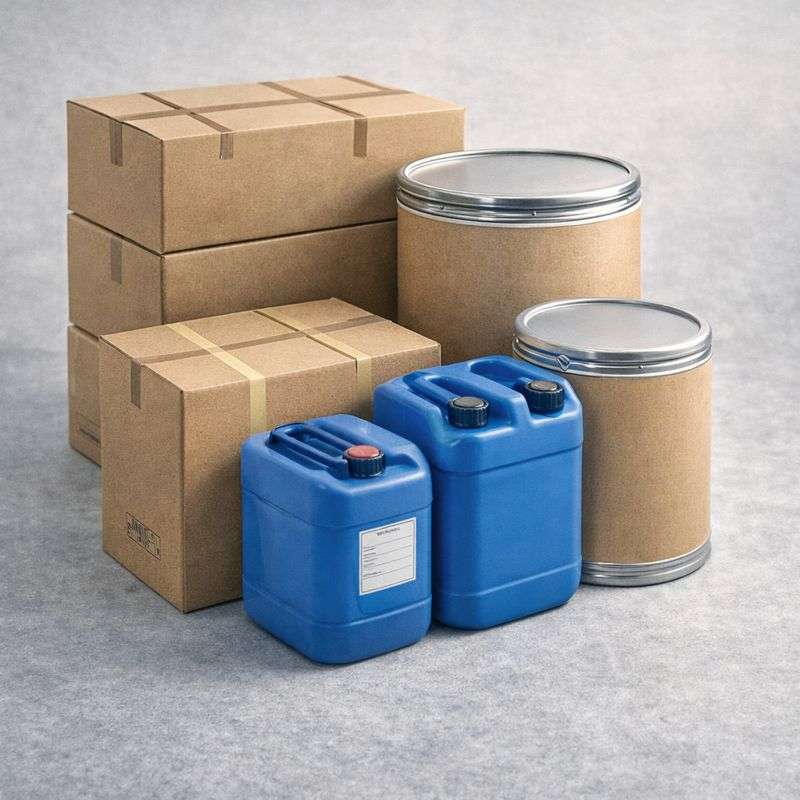
Bulk supply can be packed in aluminum foil bags, paper bags, or fiber drums with inner liners according to quantity and shipping route.
Customization
Elemental manganese target, particle size, packaging size, labeling, and documentation requirements can be discussed by project.
Logistics & Documents
Export-ready packaging and shipping documents can be prepared according to order and destination-market requirements.
Supply, Documentation & Customization
Documents & Compliance
COA, SDS/MSDS, and TDS/spec sheet available based on product and market requirements.
Customization & Private Label
Custom packing, private label, and labeling support available depending on product type and order scope.
Commercial Support
Sample, lead time, and incoterm options can be discussed according to destination market and supply plan.
Why Source From Lifeworth
Defined Spec Clarity
We help buyers confirm CAS number, assay basis, elemental manganese content, QC items, and document scope before order confirmation.
Customizable Key Target
Elemental manganese target, particle size, packaging size, labeling requirements, and supporting documents can be discussed according to formulation and market needs.
Batch Documentation Support
Commercial batches can be supported with COA, SDS/MSDS, TDS, and agreed quality documents for internal review and procurement records.
Export-Ready Bulk Supply
We support sample evaluation, bulk packaging, export documentation, and international shipping coordination for supplement, food fortification, and premix buyers.

FAQ
1) What is Manganese Gluconate Powder?
Manganese Gluconate Powder is an organic manganese salt used as a trace mineral ingredient in dietary supplements, fortified foods, premixes, and related mineral nutrition applications.
2) What is the CAS number of manganese gluconate?
The commonly referenced CAS number for manganese gluconate is 6485-39-8. Buyers should confirm CAS number, elemental manganese content, and specification sheet before order confirmation.
3) What should buyers check when sourcing manganese gluconate?
Buyers should review assay, elemental manganese content, solubility, heavy metals, microbial limits, particle size, and documentation scope.
4) Is manganese gluconate suitable for tablets and capsules?
Yes. It can be used in tablet and capsule formulas where local regulations and dosage requirements allow. Pilot testing is recommended.
5) What documents can Lifeworth provide?
Available documents may include COA, SDS/MSDS, TDS or specification sheet, allergen statement, GMO statement, heavy metal information, microbial results, and other project-related documents where applicable.
Need more answers?
Explore our full FAQ library for documentation, compliance, shipping, and ordering guidelines.