
Monk Fruit Juice Powder
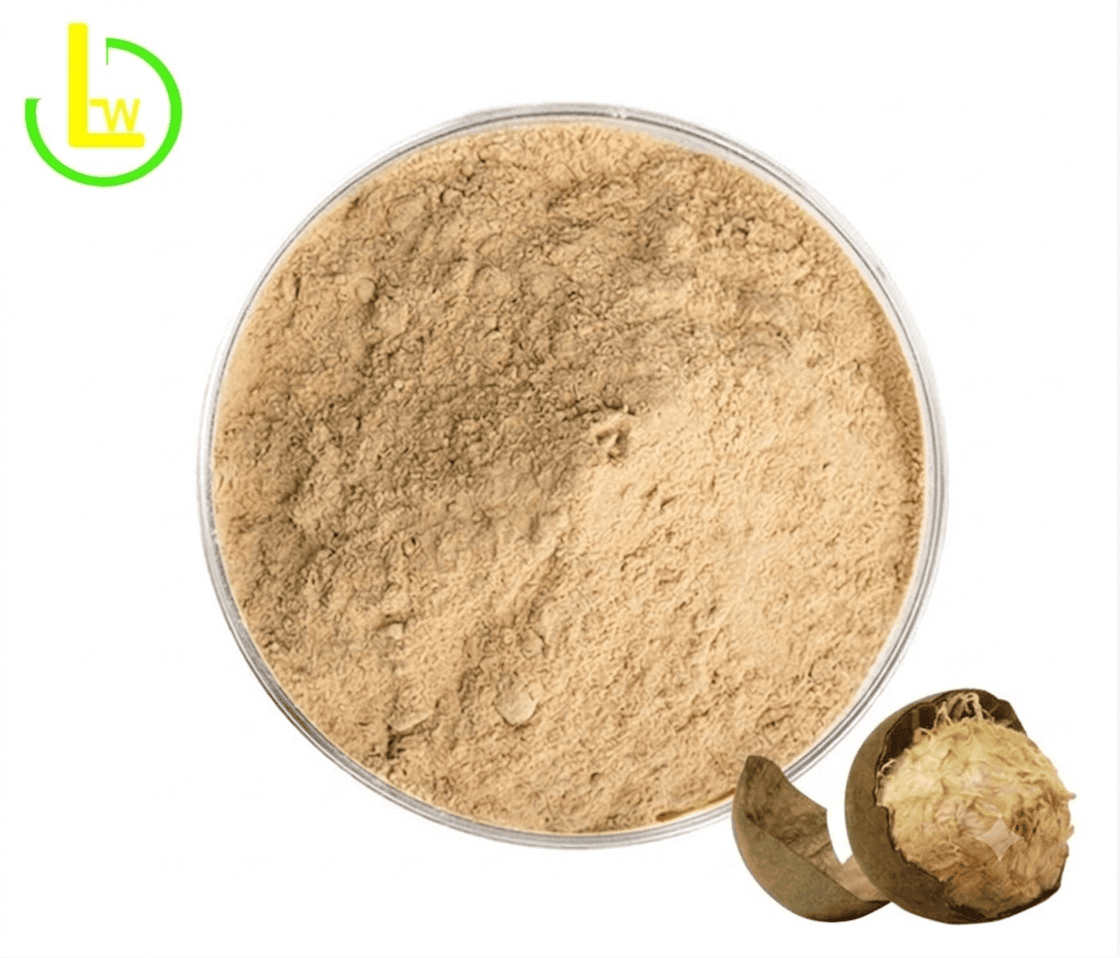
Monk Fruit Juice Powder is supplied for food and beverage manufacturers requiring a juice-derived powder with defined juice solids, carrier composition, flavor, color, dispersibility and storage performance.
- Defined juice-solids and carrier composition
- Fresh-fruit or dried-fruit juice routes
- Dispersibility and powder-handling evaluation
- Samples for sensory and application testing
- COA, TDS and composition declarations
Tell us your application, target specification, and destination market so we can support grade selection, documentation review, and packaging recommendations.
Quick Specs
Identity
INCI Name
Alias
CAS Number
Molecular Formula
Molecular Weight
Quality
Assay
Grade
Assay Method
Handling
Appearance
Form
Solubility
Applications
Commercial Terms
MOQ
MOQ depends on packaging and specification.
Lead Time
3–7 working days for standard items; bulk orders by schedule.
Incoterms
EXW / FOB / CIF / DAP / DDP
Sample
Free sample (shipping charged)
Quality & Documents
COA (per batch) • SDS/MSDS • TDS/Spec sheet (on request). Additional statements depend on product and market.
Product Overview
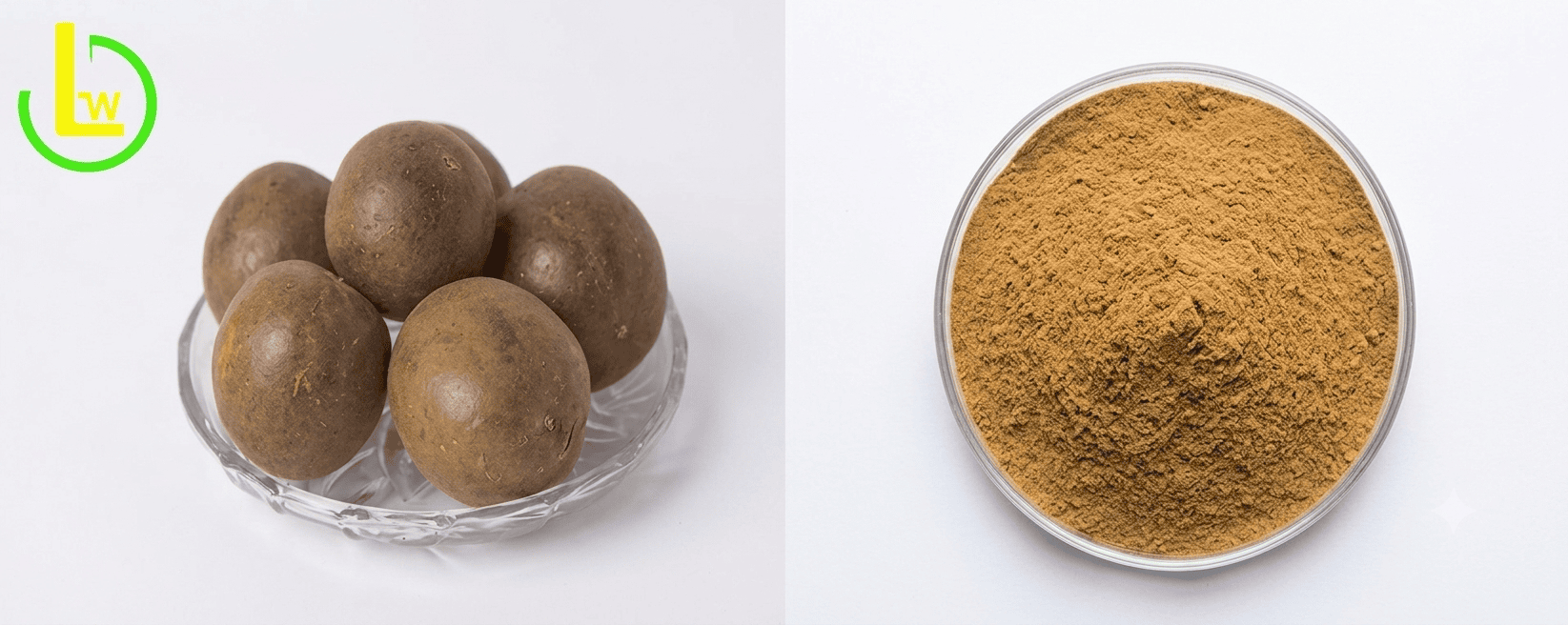
Monk Fruit Juice Powder is a juice-derived powdered ingredient commonly used in dry food, beverage and nutrition formulations requiring monk fruit character in a convenient powder format. It is typically produced by converting monk fruit juice or juice concentrate into a powder, commonly through spray drying with a suitable carrier.
Buyers typically evaluate juice source, juice-derived solids, carrier identity and percentage, Mogroside V where applicable, flavor, color, moisture, dispersibility and batch consistency. It should be evaluated separately from high-assay Monk Fruit Extract Powder, which is primarily selected for concentrated sweetness rather than juice-derived solids or fruit character.
Applications
Powdered Beverages and Instant Drink Mixes
Monk Fruit Juice Powder may be evaluated in powdered tea, instant beverages, hydration mixes and flavored drink powders requiring a dry juice-derived ingredient. Formulators should review reconstitution behavior, flavor balance, color contribution and compatibility with acids, flavors and other sweeteners.
Nutrition Powders and Supplement Blends
The powder may be used in nutrition mixes, protein powders and functional beverage powders where dry blending and controlled dosing are required. Carrier content, sweetness contribution, bulk density and blending uniformity should be reviewed in the final formulation.
Bakery Premixes, Granola and Cereals
Monk Fruit Juice Powder may be considered for bakery mixes, granola, cereal systems and dry flavor blends. Buyers should evaluate heat exposure, flavor retention, moisture sensitivity and distribution throughout the finished dry mix.
Confectionery and Dry Food Systems
The product may be evaluated in confectionery premixes, fruit-powder blends, powdered fillings and other dry food systems where a juice-derived monk fruit ingredient is suitable. It does not independently replace the bulking, browning, texture or preservation functions of sugar.
How to Choose the Right Grade / Form
How to Choose the Right Monk Fruit Juice Powder Specification
Monk Fruit Juice Powder may be supplied through different commercial selection approaches according to juice-derived solids, carrier system, Mogroside V, flavor, color and powder-handling requirements. Buyers should select the specification according to the finished application rather than relying only on sweetness or product name.
| Criteria | Higher Juice-Solids Option | Standard Spray-Dried Option | Customized Specification |
|---|---|---|---|
| Product Focus | Higher juice-derived solids, with potentially more pronounced monk fruit character depending on the process. | Balanced drying performance, handling and commercial cost. | Adjusted according to target composition or application requirements. |
| Carrier Consideration | Lower carrier content may be targeted, subject to production feasibility. | Carrier used to support powder formation, flow and storage stability. | Carrier type and percentage reviewed according to project requirements. |
| Flavor Direction | Potentially more noticeable juice-derived or monk fruit character. | More controlled flavor intensity depending on the composition. | Selected according to finished-product flavor requirements. |
| Powder Handling | May show greater stickiness, hygroscopicity or flow sensitivity. | Typically designed for more practical handling and dry blending. | Flow, density and dispersibility reviewed where technically feasible. |
| Potential Application Direction | Juice-positioned powders and formulations seeking stronger fruit character. | Powdered beverages, nutrition blends and general dry food systems. | Existing-formulation matching or differentiated product development. |
| Buyer Check | Confirm actual juice-derived solids, carrier content and storage stability. | Confirm carrier identity, percentage and sweetness contribution. | Confirm MOQ, analytical basis, sample availability and production feasibility. |
Confirm Juice-Derived Solids and Carrier Percentage
The commercial product name does not show how much monk fruit juice-derived material is present. Buyers should request a complete composition declaration identifying juice-derived solids and carrier percentage.
Confirm the Carrier Identity
Maltodextrin is commonly used in spray-dried juice powders, but other carrier systems may be applied. The carrier source, DE value where relevant, allergen status, GMO status and impact on nutrition labeling should be reviewed according to the destination market.
Confirm Mogroside V Separately
Mogroside V may be reported for the selected grade, but it should not be used as a substitute for juice-derived solids or a complete composition review.
Evaluate Handling and Storage
Higher juice-derived solids may support stronger product identity, but they may also affect stickiness, hygroscopicity, flow and storage stability. The suitable specification should balance juice character with manufacturing practicality.
Technical & Formulation Notes
Technical Notes
Monk Fruit Juice Powder should be evaluated as a juice-derived powder rather than as a standardized high-assay monk fruit extract. Its commercial identity is defined by the proportion of monk fruit juice-derived solids, the carrier system and the resulting sensory and powder-handling properties.
A drying carrier may be used to reduce stickiness, support powder formation, improve flow and help maintain storage stability. “Carrier-free,” “100% monk fruit” and “no added sweetener” are separate claims and should only be used when each claim is supported by the complete composition declaration.
Mogroside V may be reported for selected grades, but it is not necessarily the only or primary basis for comparing Monk Fruit Juice Powder. Buyers should also review juice-derived solids, flavor profile, carrier composition and powder performance.
Manufacturing & Process
Commercial Monk Fruit Juice Powder is generally produced from monk fruit juice or juice concentrate through filtration, concentration, blending where required and controlled drying.
Spray drying is commonly used, but the actual drying process should be confirmed against the selected specification or production documentation.
A drying carrier may be incorporated before processing to support powder formation, reduce stickiness and improve handling and storage performance. The carrier type and percentage can materially affect flavor intensity, color, sweetness contribution, dispersibility, bulk density, hygroscopicity and commercial cost.
Raw-material source, feed concentration, drying conditions and carrier selection may influence flavor profile, color, hygroscopicity, bulk density and flow behavior.
Composition Evaluation
The complete composition should identify the monk fruit juice or juice-concentrate content, juice-derived solids, carrier type and percentage, added sweeteners, anticaking agents, processing aids where applicable, and Mogroside V or other marker values where reported. “Monk Fruit Juice Powder,” “Monk Fruit Powder” and “Monk Fruit Extract Powder” should not automatically be treated as equivalent commercial terms.
Compatibility / Formulation Notes
Monk Fruit Juice Powder contributes sweetness, juice-derived flavor and dry solids, but its performance depends strongly on carrier composition, moisture sensitivity and the surrounding formulation.
For Powdered Beverages
Evaluate wetting, dispersibility, sediment, flavor release and color after reconstitution. A powder may disperse readily without producing a fully clear solution, particularly where natural juice solids are present.
For Dry Blends
Review bulk density, particle-size compatibility and segregation risk. Where the inclusion level is low relative to the total batch, pre-blending may be required to improve distribution.
For Protein and Nutrition Powders
Test flavor interaction, sweetness balance and dispersibility in protein-rich systems. Monk fruit notes may be perceived differently in whey, plant protein, fiber-rich and mineral-containing formulations.
For Bakery and Heat-Processed Foods
Evaluate flavor retention, browning interaction and sweetness perception after heating. The product does not replace the structural, bulking or browning functions of sugar.
Moisture and Hygroscopicity
Keep exposure to ambient humidity to a minimum during handling. Opened packages should be resealed promptly and protected from repeated humidity exposure to reduce caking and flow deterioration.
Pilot Testing
Representative samples should be tested for dosage, sweetness, flavor, color, blending uniformity, dispersibility, heat response and storage stability before commercial approval.
Extended QC & Test Items
Commercial evaluation may include appearance, taste and odor, juice-derived solids, carrier declaration, Mogroside V where applicable, moisture, water activity, particle size, bulk density, flow, dispersibility, reconstitution behavior, heavy metals and microbiological limits.
Depending on the destination market, buyers may also review allergens, GMO status, pesticide residues, nutritional information, country of origin, processing flow and current food-safety certification.
Product specifications
| Test | Specification | Method |
|---|---|---|
| Appearance | Light yellow to brown powder, according to grade | Visual |
| Taste and Odor | Characteristic; according to selected grade | Sensory |
| Juice-Derived Solids | Per agreed specification | Composition declaration or agreed analytical basis |
| Carrier Type | Declared for selected grade | Composition declaration |
| Carrier Percentage | Declared for selected grade | Composition declaration |
| Mogroside V | Reported where applicable | HPLC |
| Moisture | Per agreed specification | Oven or agreed method |
| Water Activity | Reported where applicable | Agreed method |
| Particle Size | Per agreed specification | Sieve analysis |
| Bulk Density | Reported where applicable | Agreed method |
| Flow / Caking Tendency | Reported where applicable | Internal or agreed method |
| Reconstitution / Dispersibility | Per agreed specification | Internal or agreed method |
| Lead | Per food-grade and market requirement | ICP-MS or agreed method |
| Arsenic | Per food-grade and market requirement | ICP-MS or agreed method |
| Cadmium | Per food-grade and market requirement | ICP-MS or agreed method |
| Mercury | Per food-grade and market requirement | ICP-MS or agreed method |
| Total Plate Count | Per agreed specification | ISO or agreed method |
| Yeast and Mold | Per agreed specification | ISO or agreed method |
| Coliforms | Per agreed specification | Agreed method |
| E. coli | Negative or per agreed specification | Agreed method |
| Salmonella | Negative in specified sample quantity | Agreed method |
Storage, Shelf Life & Packaging
Storage
Store Monk Fruit Juice Powder in a cool, dry place in tightly sealed packaging.
Protect the product from moisture, heat, direct sunlight, strong odors and repeated exposure to ambient air.
Because juice-derived powders may be hygroscopic, opened packages should be resealed promptly and protected from repeated humidity exposure to reduce caking and deterioration in flow performance.
Shelf Life
Final shelf life should be confirmed according to the exact composition, carrier system, packaging and storage conditions.
Packaging & Logistics
Sample Packing
Representative samples may be supplied in sealed moisture-resistant bags or food-grade containers for qualified composition, sensory and application testing. Sample size and shipping arrangements depend on the selected specification and destination.
Bulk Packing
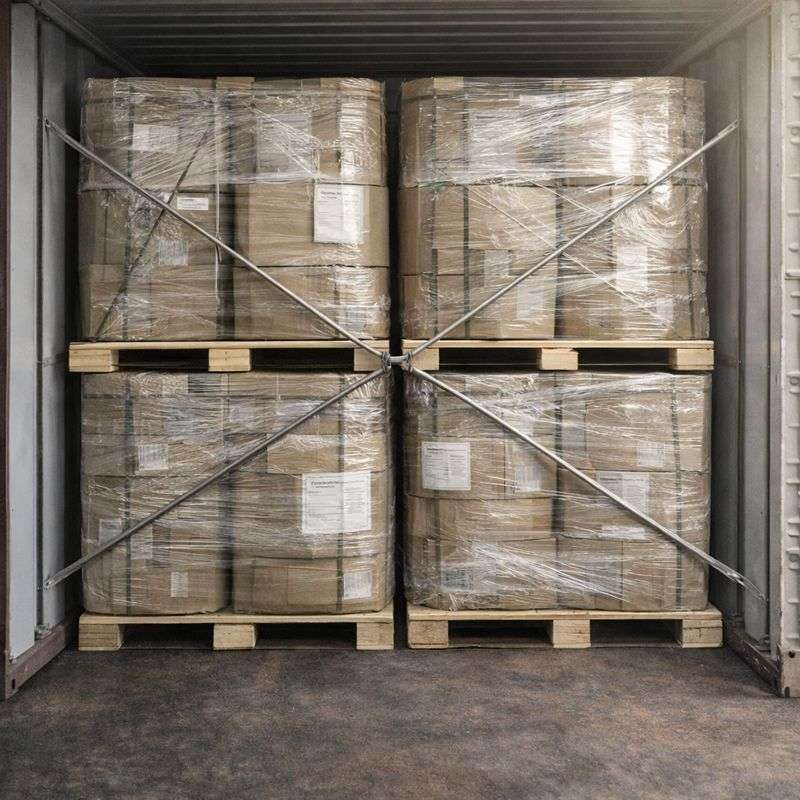
Typical packaging may include inner food-grade bags with cartons, fiber drums or other moisture-resistant export packaging. Available net weights and packaging formats should be confirmed before quotation.
Customization
Customization discussions may cover juice-derived solids, carrier type and percentage, Mogroside V, color, flavor profile, particle size, bulk density, flow, dispersibility and packaging. Feasibility depends on the liquid feed, drying capability, target composition, minimum production quantity and required documentation.
Logistics Support
Air or sea shipment may be arranged according to quantity, packaging and destination. Moisture protection, bag integrity, palletization and container conditions should be reviewed for commercial shipments.
Document Package
Depending on the selected grade and market, documents may include batch COA, TDS, SDS/MSDS, complete composition declaration, carrier declaration, allergen statement, GMO statement, nutritional information, country-of-origin statement, pesticide statement or test report, production flowchart and currently valid food-safety certificates where applicable.
Supply, Documentation & Customization
Documents & Compliance
COA, SDS/MSDS, and TDS/spec sheet available based on product and market requirements.
Customization & Private Label
Custom packing, private label, and labeling support available depending on product type and order scope.
Commercial Support
Sample, lead time, and incoterm options can be discussed according to destination market and supply plan.
Why Source From Lifeworth
Clear Product Identity
The offered material is defined as Monk Fruit Juice Powder rather than being presented as a high-assay Monk Fruit Extract Powder, helping buyers avoid comparing a juice-derived powder with a concentrated sweetener extract on assay alone.
Composition-Based Review
Juice-derived solids, carrier identity, carrier percentage, Mogroside V and powder-handling properties can be reviewed according to the intended formulation.
Sample and Documentation Support
Representative samples can be arranged before commercial approval, with batch COA, TDS and applicable composition documents provided for the selected specification.
Trial and Commercial Supply
Trial quantities and commercial orders can be coordinated with suitable moisture-resistant packaging, shipping terms and destination-market documentation.

FAQ
1) Is Monk Fruit Juice Powder the same as Monk Fruit Extract Powder?
No. Monk Fruit Juice Powder is a juice-derived powder, commonly produced through drying with a carrier. Monk Fruit Extract Powder is usually standardized to a higher Mogroside V assay and selected primarily for high-intensity sweetness at low use levels.
2) What is the difference between Monk Fruit Juice Powder and Monk Fruit Juice Concentrate?
Monk Fruit Juice Powder is a dry ingredient designed for powder handling and dry blending, while Monk Fruit Juice Concentrate is a liquid ingredient evaluated by Brix, clarity, flavor, preservation and liquid-storage requirements. The suitable form depends on the manufacturing process and finished product.
3) Does Monk Fruit Juice Powder contain maltodextrin?
Many spray-dried juice powders use maltodextrin or another carrier, but the actual carrier and percentage depend on the selected specification. Buyers should request a complete composition declaration.
4) Is Monk Fruit Juice Powder carrier-free?
Carrier-free supply should not be assumed. Juice concentrates can be difficult to dry without processing support, so carrier status must be confirmed against the exact composition and production route.
5) How is Monk Fruit Juice Powder specified?
Monk Fruit Juice Powder is usually evaluated by juice-derived solids, carrier composition, flavor, color, moisture, dispersibility and powder-handling properties. Mogroside V may also be reported for selected grades, but it should not replace a complete composition review.
6) Is Monk Fruit Juice Powder fully soluble in water?
It is generally suitable for aqueous systems, but clarity and sediment depend on juice-derived solids, carrier composition and the finished formulation. Reconstitution and dispersibility should be evaluated through application testing.
Need more answers?
Explore our full FAQ library for documentation, compliance, shipping, and ordering guidelines.