
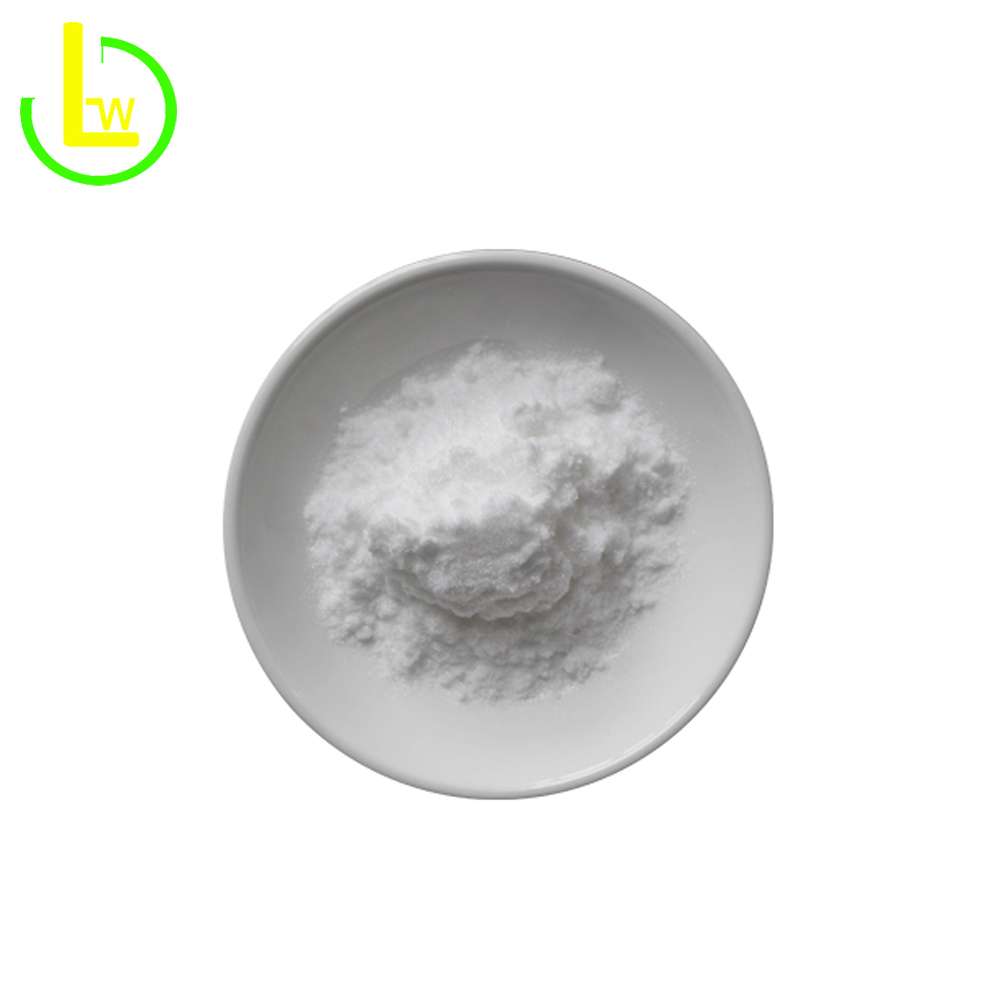
Resveratrol is a widely used polyphenol ingredient in supplement, functional food, and selected cosmetic formulations.
In commercial sourcing, however, “resveratrol” does not refer to one single product form. Buyers may encounter different source routes, different assay ranges, and different positioning strategies depending on whether the product is supplied as a high-purity extract, a grape-derived botanical extract, or a fermented trans-resveratrol ingredient.
For this reason, resveratrol sourcing is usually not just about finding a supplier for one ingredient name. It is more often about selecting the right route according to target purity, label positioning, application direction, and cost expectations.
This page is designed to help buyers understand the main resveratrol options available in bulk supply and navigate to the right product specification more efficiently.
1. Understanding the Resveratrol Product Family
In the ingredient market, resveratrol products are commonly divided into several commercial routes rather than offered as one completely uniform item.
The most common sourcing directions include:
- Polygonum cuspidatum extract resveratrol
Usually positioned as the mainstream plant-derived high-content route. - Grape skin extract resveratrol
Usually positioned as a grape-derived botanical extract, often with lower standardized resveratrol content. - Fermented trans-resveratrol
Usually positioned as a higher-purity, process-controlled route for projects that require a more specific trans-resveratrol focus.
Although all three belong to the broader resveratrol family, they are not interchangeable in every formulation or commercial scenario. Their source identity, purity range, formulation logic, and market positioning can be quite different.
2. Main Commercial Routes of Resveratrol
Polygonum Cuspidatum Extract Resveratrol
Polygonum cuspidatum is one of the most common commercial raw material sources for resveratrol. In the bulk ingredient market, this route is often used when buyers are looking for a more established, high-content plant extract suitable for supplement manufacturing and standard formulation projects.
This route is usually preferred in projects where commercial familiarity, broader market acceptance, and conventional plant-extract sourcing are important.
Grape Skin Extract Resveratrol
Grape skin extract is usually positioned differently from high-purity resveratrol products. Instead of serving mainly as a concentrated high-assay active, it is more often treated as a botanical extract option with grape-origin positioning.
This route may be more suitable for buyers who want grape-derived ingredient storytelling, lower standardized content, or a broader botanical-polyphenol positioning rather than a high-purity resveratrol route alone.
Fermented Trans-Resveratrol
Fermented trans-resveratrol is usually selected in projects where buyers pay closer attention to trans-resveratrol orientation, process consistency, and differentiation from conventional plant extraction routes.
Compared with plant-derived extract routes, fermentation-based supply is often evaluated more for specification strategy, process profile, and premium positioning.
3. How Resveratrol Specifications Differ
One of the most important sourcing questions is specification level.
Resveratrol is not always supplied at the same purity. In practical B2B purchasing, the product may appear in very different forms, such as:
- lower-content botanical extract
- standardized resveratrol extract
- high-purity resveratrol
- high-purity trans-resveratrol
This distinction matters because specification level affects:
- formulation direction
- dosage strategy
- label positioning
- pricing logic
- suitability for different finished-product concepts
For example, a grape skin extract at 5% or 10% serves a very different commercial role from a 98% resveratrol ingredient. Similarly, a high-purity trans-resveratrol product may be assessed differently from a conventional plant-derived extract even when both fall under the broader resveratrol category.
4. How to Choose the Right Resveratrol Route
Choosing the right resveratrol product usually depends on what the buyer is trying to achieve.
Choose Polygonum Cuspidatum Extract if:
- you want a mainstream plant-derived route
- you need a commonly traded bulk resveratrol ingredient
- you are focusing on conventional supplement raw material sourcing
- you want a more established commercial path
Choose Grape Skin Extract if:
- you want grape-source botanical positioning
- you do not need a very high-purity resveratrol route
- your formula benefits from a broader botanical extract story
- your project values ingredient-source identity in marketing or concept development
Choose Fermented Trans-Resveratrol if:
- you want a trans-resveratrol focused route
- you need a more differentiated specification path
- your project emphasizes process consistency and premium positioning
- you want an option distinct from conventional plant extraction
In practice, the best choice is usually the one that matches the finished product concept rather than the one with the most aggressive specification on paper.
5. Application-Oriented Selection
Different resveratrol routes may fit different application ideas.
Dietary Supplements
In capsules, tablets, sachets, and powder blends, buyers often compare source route, assay level, and market positioning before finalizing the ingredient.
Functional Food and Beverage Concepts
For food and beverage systems, specification is only one part of the decision. Buyers may also review formulation compatibility, taste impact, dosage logic, and source positioning.
Botanical Formulas
When the product concept is built around a broader plant-based or polyphenol-based story, botanical extract routes such as grape skin extract may be more suitable than a single high-purity active route.
Premium or Differentiated Formulas
When the goal is to develop a more differentiated ingredient concept, fermented trans-resveratrol may be evaluated more closely because of its process route and positioning logic.
6. What Buyers Usually Review Before Purchase
For bulk resveratrol sourcing, experienced buyers usually do not decide based on ingredient name alone. They often compare several technical and commercial points together.
Common review points include:
- source route
- assay or purity level
- trans-resveratrol positioning where relevant
- formulation purpose
- target market expectations
- documentation availability
- packaging format
- supply consistency
- cost-performance balance
This is why family-level evaluation is useful. It helps avoid choosing a resveratrol product only by headline specification without checking whether it actually matches the intended formulation and market direction.
7. Resveratrol Supply Options from Lifeworth
Lifeworth supplies resveratrol through multiple commercial routes so buyers can evaluate source, purity, and positioning more clearly.
Current supply directions include:
- Polygonum Cuspidatum Extract Resveratrol
For mainstream plant-derived high-content supply - Grape Skin Extract Resveratrol
For grape-origin botanical extract positioning - Fermented Trans-Resveratrol
For process-controlled high-purity trans-resveratrol projects
By organizing these under one product family, buyers can compare options more efficiently and move to the most relevant specification page according to their project needs.
8. Explore Individual Resveratrol Products
If you already know the route you want, you can go directly to the relevant product page:
Polygonum Cuspidatum Extract Resveratrol
Suitable for buyers looking for a mainstream plant-derived high-content resveratrol route.
Grape Skin Extract Resveratrol
Suitable for buyers looking for a grape-derived botanical extract with lower standardized resveratrol content.
Fermented Trans-Resveratrol
Suitable for buyers looking for a differentiated high-purity trans-resveratrol route.
9. Conclusion
Resveratrol is better understood as a product family than as a single uniform ingredient.
Different source routes serve different commercial purposes, and the most suitable option depends on the buyer’s application, positioning, specification target, and sourcing strategy.
For buyers comparing plant-derived extracts, grape-origin botanical options, and fermented trans-resveratrol, the key is not simply to ask which one is “best,” but which one is best aligned with the finished product concept and procurement goal.
If you are evaluating resveratrol for a new or existing project, reviewing the family at the article level first can make the later product selection much clearer.
Reference:
https://en.wikipedia.org/wiki/Resveratrol
https://pmc.ncbi.nlm.nih.gov/articles/PMC6164842
https://www.webmd.com/heart-disease/resveratrol-supplements
