
N-Vinylpyrrolidone
Lifeworth supplies N-Vinylpyrrolidone for industrial buyers requiring NVP monomer quality, inhibitor and purity review, moisture control, batch documentation, safe handling support, and export-ready chemical packaging.
N-Vinylpyrrolidone / NVP monomer, CAS 88-12-0.
Used for PVP, PVPP, copolymers, adhesives, coatings, and resin systems.
Purity, inhibitor level, moisture, color, and polymerization control can be reviewed.
COA, SDS/MSDS, TDS, specification sheet, and sample support available.
Bulk packaging and export-oriented supply for polymer and chemical manufacturers.
Tell us your application, target specification, and destination market so we can support grade selection, documentation review, and packaging recommendations.

Quick Specs
Identity
INCI Name
Alias
CAS Number
Molecular Formula
Molecular Weight
Quality
Assay
Grade
Assay Method
Handling
Appearance
Form
Solubility
Applications
Commercial Terms
MOQ
MOQ depends on packaging and specification.
Lead Time
3–7 working days for standard items; bulk orders by schedule.
Incoterms
EXW / FOB / CIF / DAP / DDP
Sample
Free sample (shipping charged)
Quality & Documents
COA (per batch) • SDS/MSDS • TDS/Spec sheet (on request). Additional statements depend on product and market.
Product Overview
N-Vinylpyrrolidone is a reactive monomer commonly used for producing PVP, PVPP, VP/VA copolymers, specialty polymers, adhesives, coatings, and resin systems. It is usually supplied as a colorless to pale yellow stabilized liquid, and buyers often review purity, inhibitor level, moisture, color, acidity, polymerization control, packaging, and documentation before technical or commercial evaluation. It is commonly considered for polymer manufacturing, copolymer production, coating systems, adhesive materials, and specialty chemical synthesis, with sample support and batch documentation available for sourcing reference.

Applications
PVP Production: N-Vinylpyrrolidone is a key monomer for polyvinylpyrrolidone production. Buyers should review purity, inhibitor level, moisture, impurity profile, and polymerization compatibility according to the target PVP grade.
PVPP and Crosslinked Polymer Routes: NVP can be reviewed for crosslinked polymer and PVPP-related production routes where monomer quality, impurity control, and polymerization conditions affect downstream polymer performance.
Copolymers and VP/VA Systems: NVP is used in copolymer systems such as VP/VA-related materials and specialty polymer formulations.
Adhesives, Coatings & Resins: NVP may be used in adhesive, coating, resin, and specialty material systems where reactive monomer function and polymer performance are important.
How to Choose the Right Grade / Form
For PVP Manufacturing: Choose an NVP grade with suitable purity, inhibitor control, water content, color, and impurity profile for the target PVP K-value or polymer specification.
For PVPP or Crosslinked Polymer Routes: Choose a specification that supports crosslinking performance, polymerization behavior, and downstream application requirements.
For Copolymer Systems: Choose a grade based on comonomer compatibility, inhibitor level, moisture tolerance, and polymerization process requirements.
For Export Chemical Supply: Choose packaging, inhibitor review, labeling, SDS/MSDS, COA, and transport documents according to destination market and storage conditions.
Technical & Formulation Notes
Technical Notes
Manufacturing & Process
Compatibility / Formulation Notes
For PVP production, review purity, inhibitor level, water content, impurity profile, polymerization conditions, and target K-value requirements.
For PVPP and crosslinked polymer routes, confirm monomer quality, crosslinking system, process compatibility, and downstream insoluble polymer performance.
For copolymer systems, test comonomer compatibility, reaction conditions, residual monomer targets, and final polymer properties.
For coating, adhesive, and resin systems, evaluate reactivity, viscosity impact, polymer performance, residual odor, and process safety.
Store and handle according to SDS guidance, keeping the product sealed, stabilized, away from heat, and protected from conditions that may promote unwanted polymerization.
Extended QC & Test Items
Key QC review items may include appearance, identification, purity, inhibitor level, water content, color, acidity, residue, polymerization-related indicators, and batch documentation.
Product specifications
| Test | Specification | Method |
|---|---|---|
| Appearance | Colorless to pale yellow liquid | Visual |
| Identification | Conforms to agreed specification | GC / Per specification |
| Purity | Per agreed specification | GC |
| Inhibitor Level | Per agreed specification | Per specification |
| Water Content | Per agreed specification | Karl Fischer |
| Color | Per agreed specification | APHA / Per specification |
| Acidity / Alkalinity | Per agreed specification | Titration / Per specification |
| Residue | Per agreed specification | Per specification |
| Polymerization Control | Per agreed specification | Per specification |
| Heavy Metals | If required / Per agreed specification | ICP-MS / Per specification |
| Packaging | Drum or customized packing | Reference |
| Documents | COA, SDS/MSDS, TDS available | Reference |
Storage, Shelf Life & Packaging
Storage
Store tightly sealed in a cool, dry, well-ventilated chemical storage area. Keep away from heat, direct sunlight, ignition sources, oxidizers, incompatible materials, and conditions that may promote unwanted polymerization.
Shelf Life
Follow agreed specification, inhibitor system, packaging format, and storage conditions.
Packaging & Logistics
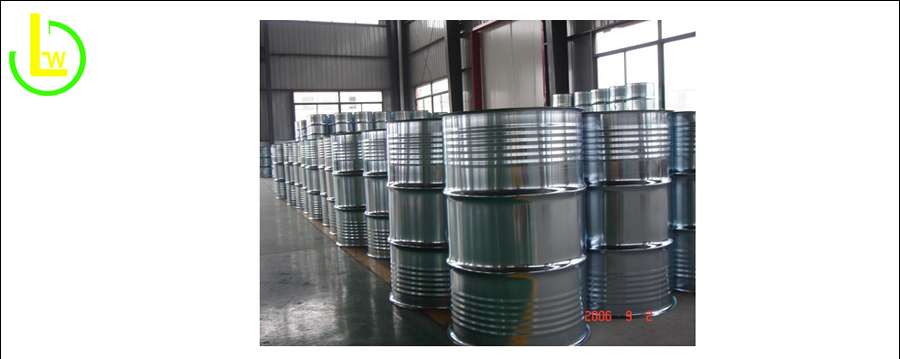
Bulk packing can be supplied in drums or customized chemical packaging according to order quantity, inhibitor requirement, storage condition, and transport route.
Lifeworth can support COA, SDS/MSDS, TDS, specification sheet, inhibitor information, packing list, invoice, and other export-related documents according to shipment requirements.
Supply, Documentation & Customization
Documents & Compliance
COA, SDS/MSDS, and TDS/spec sheet available based on product and market requirements.
Customization & Private Label
Custom packing, private label, and labeling support available depending on product type and order scope.
Commercial Support
Sample, lead time, and incoterm options can be discussed according to destination market and supply plan.
Why Source From Lifeworth
Defined Spec Clarity: We help buyers confirm NVP purity, inhibitor level, water content, color, polymerization-related indicators, packaging, and document requirements before sampling or bulk order.
Customizable Key Target: Specification and packaging can be reviewed according to PVP production, PVPP routes, copolymer systems, adhesives, coatings, resins, or specialty polymer applications.
Batch Documentation Support: COA, SDS/MSDS, TDS, specification sheet, inhibitor information, and shipment documents can be provided for technical review and import reference.
Export-Ready Bulk Supply: Lifeworth supports sample evaluation, drum packaging, export logistics coordination, and long-term monomer supply communication for polymer and chemical manufacturers.

FAQ
What is N-Vinylpyrrolidone?
N-Vinylpyrrolidone, also known as NVP or N-Vinyl-2-pyrrolidone, is a reactive monomer used for PVP, PVPP, copolymers, adhesives, coatings, resins, and specialty polymer applications.
What is the CAS number of N-Vinylpyrrolidone?
The CAS number of N-Vinylpyrrolidone is 88-12-0.
Is NVP the same as PVP?
No. NVP is the monomer, while PVP is the polymer produced from N-vinylpyrrolidone. Buyers should not treat NVP and PVP as the same product.
Why is inhibitor level important for NVP?
NVP is a reactive monomer, so inhibitor level helps support storage and transport stability. Buyers should confirm whether the inhibitor level matches their polymerization process and storage requirements.
What should buyers check before ordering NVP?
Buyers should review purity, inhibitor level, water content, color, acidity, polymerization control, packaging, COA, SDS/MSDS, TDS, and transport requirements before confirmation.
Can Lifeworth provide samples and documents?
Yes. Lifeworth can provide samples and available documents such as COA, SDS/MSDS, TDS, specification sheet, inhibitor information, and export documents according to product specification and destination market.
Need more answers?
Explore our full FAQ library for documentation, compliance, shipping, and ordering guidelines.