
Iodine Crystals
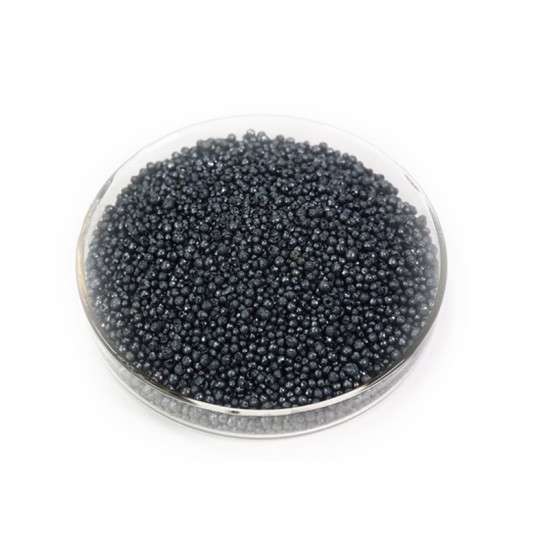
Lifeworth supplies bulk iodine crystals in dark gray to purple-black crystalline forms. Available purity, physical form and grade should be selected according to the intended application, handling requirements and applicable quality standard.
- Elemental iodine in molecular form I₂
- 99%, 99.8% and 99.9% purity options subject to batch availability
- Crystal, flake, ball, block or agreed commercial form
- COA, SDS/MSDS and TDS/specification support
- Sample evaluation and export-ready bulk packaging
Tell us your application, target specification, and destination market so we can support grade selection, documentation review, and packaging recommendations.
Quick Specs
Identity
INCI Name
Alias
CAS Number
Molecular Formula
Molecular Weight
Quality
Assay
Grade
Standards
Assay Method
Handling
Appearance
Form
Solubility
Applications
Commercial Terms
MOQ
MOQ depends on packaging and specification.
Lead Time
3–7 working days for standard items; bulk orders by schedule.
Incoterms
EXW / FOB / CIF / DAP / DDP
Sample
Free sample (shipping charged)
Quality & Documents
COA (per batch) • SDS/MSDS • TDS/Spec sheet (on request). Additional statements depend on product and market.
Product Overview
Iodine crystals are the solid crystalline form of elemental iodine, with the molecular formula I₂. They are different from iodide salts such as potassium iodide, which have different solubility, handling and application characteristics.
Commercial iodine is normally supplied as dark gray to purple-black crystals with a metallic appearance. Flakes, granules, balls or blocks may also be available depending on the required specification and factory production.
Buyers typically review iodine assay, impurity limits, physical form, packaging integrity, storage requirements and batch documentation. Because iodine can sublime and release vapor, effective sealing and appropriate handling are important during transportation, storage and use.

Comparison
Iodine Crystals vs Potassium Iodide
Use the comparison below to identify whether elemental iodine crystals or potassium iodide may be a better fit for your formulation, synthesis or sourcing project.
| Criteria | Iodine Crystals | Potassium Iodide |
|---|---|---|
| Chemical identity | Elemental iodine in molecular form I₂, supplied as a dark gray to purple-black crystalline solid. | An inorganic iodide salt with the formula KI, normally supplied as a white crystalline powder, granules or crystals. |
| Core role | Commonly selected for chemical synthesis, reagent preparation, pharmaceutical intermediate production, iodine-based formulation processing and selected industrial applications where elemental iodine is required. | Commonly selected for pharmaceutical, food fortification, dietary supplement, reagent and technical applications where potassium iodide is the specified iodide source. |
| Best for | Projects that specifically require elemental iodine, high iodine assay and a defined crystalline form for further reaction, formulation or processing. | Projects that require a highly water-soluble iodide salt and where KI is specified by the formulation, pharmacopoeia or destination-market standard. |
| Water solubility | Slightly soluble in water. Solubility can be increased in systems containing iodide salts, such as aqueous potassium iodide solutions. | Freely soluble in water and generally more practical for aqueous iodide systems. |
| Handling focus | Requires control of sublimation, iodine vapor, heat exposure, ventilation and container sealing during handling and storage. | Requires protection from moisture, light and prolonged air exposure to reduce oxidation, yellowing and quality change. |
| Buyer review focus | Buyers normally review iodine assay, non-volatile residue, impurity limits, physical form, sublimation control, packaging integrity, transport conditions and batch documentation. | Buyers normally review the required grade, KI assay, iodate and related impurity limits, physical form, packaging protection and applicable USP, BP, FCC or customer-defined specification. |
| Selection principle | Choose iodine crystals when elemental iodine, I₂, is specifically required for the intended reaction, formulation or processing route. | Choose potassium iodide when a soluble iodide salt, KI, is specifically required by the formulation, standard or market requirement. |
Iodine crystals and potassium iodide are chemically different materials and should not be treated as interchangeable. Final selection should be based on the required iodine form, formulation chemistry, processing route, quality standard and destination-market requirements.
Applications
Pharmaceutical Intermediate Production
Iodine crystals may be used as a raw material or intermediate in projects where elemental iodine is specifically required. Buyers should confirm the applicable grade, iodine assay, impurity limits and supporting documentation before supplier approval.
Laboratory Reagents and Analytical Use
High-purity iodine crystals may be used in reagent preparation, analytical procedures and laboratory systems where purity, residue limits, pack size and container sealing are important.
Chemical Synthesis
Elemental iodine may be used as a reactant or processing input in selected organic and inorganic synthesis routes. The required purity, physical form and critical impurity limits should be confirmed according to the intended reaction.
Iodine-Based Formulation Processing
Iodine crystals may be incorporated into iodine solutions, complexes and other formulated systems through a controlled dissolution or processing route. Solvent selection, iodine concentration, processing temperature and finished-product stability should be validated by the formulator.
Selected Industrial Uses
Iodine crystals may also be evaluated for specialty chemical and industrial processing applications. Buyers should provide the intended process, required purity, quantity and packaging requirements before commercial evaluation.
How to Choose the Right Grade / Form
Clear Product Identification
We distinguish elemental iodine, potassium iodide and potassium iodate before recommending a product direction.
Specification-Based Review
Purity, grade, physical form, impurity limits and documents are reviewed separately rather than treating assay alone as proof of grade compliance.
Batch Documentation
COA, SDS/MSDS and specification documents can be reviewed before sample approval or commercial ordering.
Export Supply Coordination
We coordinate sample arrangements, bulk packing, labeling and international shipment according to the approved specification and destination.
Technical & Formulation Notes
Technical Notes
Iodine crystals are usually evaluated by purity level, physical form, packaging control, and handling profile rather than by iodine name alone.
For sourcing review, buyers typically confirm whether the material is intended for pharmaceutical, reagent, or industrial use, and then review specification alignment, sublimation-related handling needs, and document scope according to project requirements.
Manufacturing & Process
The product is commonly obtained from iodine-containing brine, caliche-related sources, or other iodine-bearing raw materials, followed by purification steps such as sublimation and refining to support high-purity output.
For commercial review, process communication is usually linked to purity direction, form consistency, packaging suitability, and batch stability rather than over-detailed manufacturing claims unless project-specific technical data are required.
Compatibility / Formulation Notes
Solubility and Incorporation
Iodine crystals are only slightly soluble in water. A suitable solvent, potassium iodide solution or controlled premix may be required before incorporation into an aqueous formulation.
Temperature and Sublimation
Iodine can sublime and release violet vapor, particularly when exposed to heat. Open-vessel time should be minimized, and appropriate ventilation should be used during processing.
Compatibility
Elemental iodine may react with reducing agents, metals and other formulation components. Compatibility, color, iodine availability and finished-product stability should be evaluated in the actual system.
Concentration Calculation
The addition level should be calculated according to the batch iodine assay and target finished-product concentration. Elemental iodine values should not be confused with iodine contributions from potassium iodide or other iodine salts.
Extended QC & Test Items
Typical review items may include:
- Appearance
- Iodine content / assay basis
- Non-volatile residue
- Chloride or bromide-related control, if required
- Heavy metals
- Packaging integrity
- Storage and sublimation-related handling considerations
- Batch traceability linked to COA
Product specifications
| Test | Specification | Method |
|---|---|---|
| Appearance | Dark gray to purple-black crystals / per agreed spec | Visual |
| Identification | Iodine / I2 | Reference |
| Assay / Iodine Content | Per agreed spec | Per spec |
| CAS No. | 7553-56-2 | Reference |
| Molecular Formula | I2 | Reference |
| Molecular Weight | 253.81 | Reference |
| Documents | COA per batch; SDS/MSDS and TDS/specification sheet on request | Reference |
Storage, Shelf Life & Packaging
Storage
Store in a cool, dry, and well-ventilated place in tightly sealed containers away from moisture, heat, and direct sunlight.
After opening, keep the package well closed and protect the material from conditions that may increase sublimation loss or affect packaging integrity during storage and transportation.
Shelf Life
Shelf life should follow the agreed specification, batch label, and original packing condition.
For commercial review, please refer to the COA, product label, or specification sheet for the declared shelf-life period of the supplied lot.
Packaging & Logistics
Sample Packing
100 g, 500 g, or 1 kg evaluation packs can be arranged for technical review and sourcing evaluation.
Mid-Size Packing
Custom intermediate pack sizes can be discussed according to project and order plan.
Bulk Packing
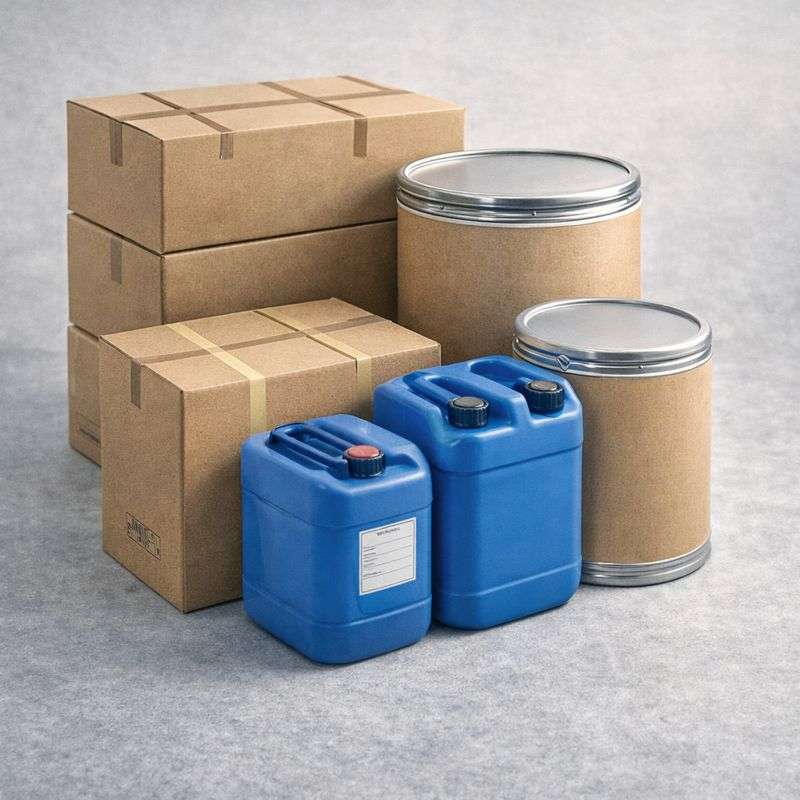
Common supply formats may include 25 kg or 50 kg export packing according to product form, order volume, and shipment arrangement.
Customization
Custom pack size, labeling format, and selected supply configuration may be arranged according to product scope and market requirements.
Logistics & Documents
COA, SDS/MSDS, TDS/specification sheet, and related shipment-support documents can be arranged according to the agreed supply plan.
Supply, Documentation & Customization
Documents & Compliance
COA, SDS/MSDS, and TDS/spec sheet available based on product and market requirements.
Customization & Private Label
Custom packing, private label, and labeling support available depending on product type and order scope.
Commercial Support
Sample, lead time, and incoterm options can be discussed according to destination market and supply plan.
Why Source From Lifeworth
Form and purity review support
Support for buyers who need clearer sourcing discussion around iodine purity, commercial form selection, and application fit.
Handling-aware supply communication
The product is positioned with attention to sublimation-related handling, packaging integrity, and export suitability rather than broad commodity-style selling language.
Batch documentation support
COA per lot with SDS/MSDS and TDS available for technical, quality, and purchasing review.
Export-ready bulk handling
Packaging, labeling, and shipment coordination can be arranged for international pharmaceutical, reagent, and industrial sourcing projects.

FAQ
1. What are iodine crystals?
Iodine crystals are the solid crystalline form of elemental iodine, with the molecular formula I₂. They are normally supplied as dark gray to purple-black crystals.
2. Are iodine crystals the same as potassium iodide?
No. Iodine crystals are elemental iodine, while potassium iodide is a water-soluble iodide salt. They have different chemical properties, handling requirements and applications.
3. What purity options are available?
Available options may include 99%, 99.8% and 99.9%, subject to grade and batch availability.
4. Does 99.8% assay automatically mean USP grade?
No. Pharmacopeial compliance depends on the complete specification, including identification, assay range, impurity controls and applicable test methods.
5. Are iodine crystals soluble in water?
Iodine is only slightly soluble in water. It is more soluble in alcohol and in aqueous potassium iodide solutions.
6. Why do iodine crystals release violet vapor?
Iodine can sublime directly from a solid into vapor, especially when exposed to heat or inadequately sealed packaging.
7. What packaging is recommended?
Tightly sealed and chemically compatible packaging is required to help control vapor release and sublimation loss.
8. What information is required for a quotation?
Please provide the intended application, required purity or standard, preferred form, quantity, destination and required documents.
Need more answers?
Explore our full FAQ library for documentation, compliance, shipping, and ordering guidelines.