
Elastase Enzyme
Lifeworth supplies Elastase Enzyme for technical evaluation and commercial sourcing, with specification review focused on enzyme activity, source, substrate performance and batch consistency.
- Proteolytic enzyme for elastin-related systems
- Activity specification support
- Source and batch specification review
- COA, SDS and TDS support
- Samples and commercial supply available
Tell us your application, target specification, and destination market so we can support grade selection, documentation review, and packaging recommendations.

Quick Specs
Identity
INCI Name
Alias
Quality
Enzyme Activity
Handling
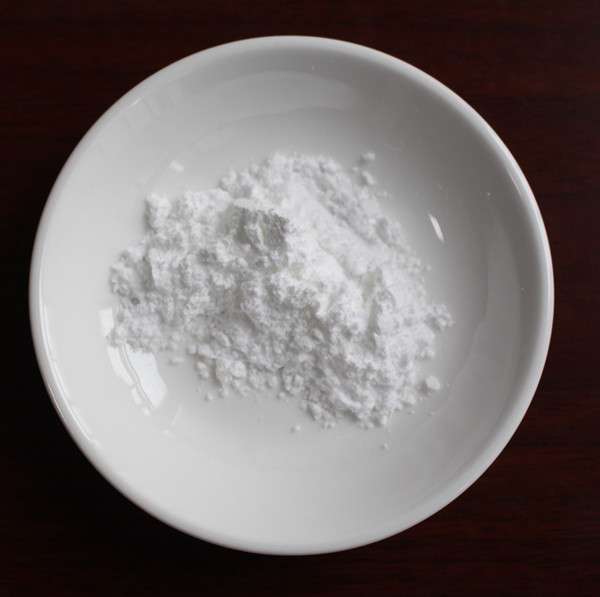
Appearance
Form
Solubility
Applications
Commercial Terms
MOQ
MOQ depends on packaging and specification.
Lead Time
3–7 working days for standard items; bulk orders by schedule.
Incoterms
EXW / FOB / CIF / DAP / DDP
Sample
Free sample (shipping charged)
Quality & Documents
COA (per batch) • SDS/MSDS • TDS/Spec sheet (on request). Additional statements depend on product and market.
Product Overview
Elastase Enzyme is a proteolytic enzyme commonly evaluated for elastin digestion, biochemical research and selected biotechnology processes.
Commercial Elastase products can differ significantly in source, activity basis, substrate performance and purity profile, so buyers typically review these parameters together with the intended application before technical qualification.
It is mainly considered for controlled elastin or protein digestion, sample preparation and related research workflows, with samples, batch documentation and commercial supply support available for sourcing evaluation.
Applications
Elastase Enzyme is mainly selected for applications requiring controlled digestion of elastin or related protein substrates. The appropriate specification should be matched to substrate type, digestion objective, process conditions and downstream analytical requirements.
Elastin Digestion
Suitable for controlled elastin degradation or digestion studies where defined elastinolytic activity is required. Enzyme level and reaction conditions should be optimized according to substrate characteristics and the desired degree of digestion.
Biochemical Research
Can be evaluated for studies involving protease activity, elastin structure, protein degradation or enzyme-substrate interaction. The selected specification should be matched to the experimental design and required activity basis.
Tissue & Extracellular Matrix Research
May be considered in selected research workflows involving elastin-containing tissues or extracellular matrix components. Activity, purity and digestion conditions should be evaluated according to the biological material and downstream analytical method.
Biotechnology & Reagent Development
Can be reviewed for selected biotechnology, reagent-development and laboratory processing applications requiring controlled proteolysis and consistent enzyme performance. Suitability should be confirmed for the intended technical context.
Technical & Formulation Notes
Technical Notes
Elastase should be evaluated primarily according to enzyme activity, source and substrate-specific performance rather than powder appearance alone. Because commercial Elastase products may originate from different biological or microbial sources, activity data should always be reviewed together with the applicable test method and product specification.
Elastase is associated with proteolytic cleavage of elastin and selected protein substrates. Substrate preference and practical digestion behavior may vary according to enzyme source, purification level and assay conditions.
Manufacturing & Process
For commercial sourcing, buyers should confirm enzyme source, production specification, activity basis and purification requirements before approving a product. Differences in source or manufacturing route can influence activity profile, stability, purity and downstream process compatibility.
Where Elastase is used in repeatable analytical, research or biotechnology workflows, the specification established during sample evaluation should remain consistent through later supply stages.
Compatibility / Formulation Notes
Elastase activity should be evaluated under the actual experimental or processing conditions intended for use.
For Elastin Digestion
Enzyme-to-substrate ratio, digestion time, buffer system and desired degree of elastin degradation should be established during method development. Activity requirements may vary significantly between purified elastin and more complex biological materials.
For Tissue or Matrix Research
When Elastase is used with tissue or extracellular matrix samples, digestion conditions should be optimized to balance target substrate breakdown with preservation of other components relevant to the experiment.
pH and Temperature
Elastase activity and stability can be affected by pH, temperature, ionic environment and substrate composition. Buyers should rely on the selected product specification and practical evaluation rather than general reference values alone.
For Scale-Up or Repeated Processing
Where Elastase is used in a repeatable laboratory or biotechnology process, activity specification, source and key QC parameters should remain consistent between qualification and commercial supply.
Extended QC & Test Items
Technical evaluation may include appearance, identification, elastase activity, specific activity where applicable, moisture, purity or protein-related parameters and relevant microbiological requirements.
Exact activity units, analytical methods and acceptance limits should follow the agreed product specification and batch COA. Additional QC requirements can be confirmed according to application, substrate system and customer qualification standards.
Product specifications
| Test | Specification | Method |
|---|---|---|
| Appearance | According to product specification | Visual |
| Identification | Conforms to specification | Per specification |
| Elastase Activity | According to selected specification | Per specification |
| Specific Activity | Per agreed specification | Per specification |
| Moisture / Loss on Drying | Per agreed specification | Per specification |
| Purity / Protein-Related Parameters | Per agreed specification | Per specification |
| Related Protease / Additional QC | Per agreed specification | Per specification |
| Microbiological Parameters | Per agreed specification | Per specification |
Storage, Shelf Life & Packaging
Storage
Store Elastase Enzyme in the original tightly sealed container under the conditions stated in the applicable product specification. Protect the material from unsuitable temperature, moisture and repeated exposure during handling.
Shelf Life
The confirmed storage temperature and shelf-life period should follow the applicable product specification and shipment documentation.
Packaging & Logistics
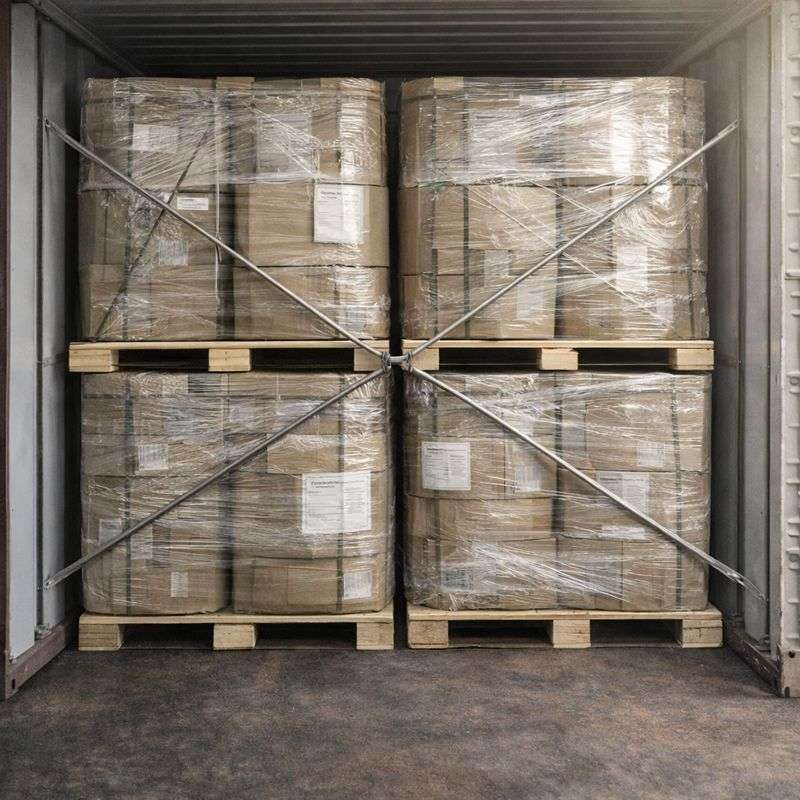
Elastase Enzyme can be supplied for laboratory evaluation, technical qualification and commercial sourcing, with packing and documentation arranged according to specification and quantity requirements.
Sample Packing
Evaluation quantities can be arranged for activity testing, method development, supplier qualification and application assessment before commercial purchasing.
Bulk Packing
Commercial packing can be arranged according to product specification, order quantity and stability requirements. Final packing format should be confirmed together with the quotation.
Customization
Activity range, source requirement, purification specification, packing format and additional testing requirements can be discussed according to project needs and actual supply capability.
Logistics & Documents
Shipping arrangements should consider quantity, enzyme stability and destination requirements. COA, SDS, TDS and relevant technical or export documents can be coordinated with the shipment.
Supply, Documentation & Customization
Documents & Compliance
COA, SDS/MSDS, and TDS/spec sheet available based on product and market requirements.
Customization & Private Label
Custom packing, private label, and labeling support available depending on product type and order scope.
Commercial Support
Sample, lead time, and incoterm options can be discussed according to destination market and supply plan.
Why Source From Lifeworth
Lifeworth supports Elastase sourcing with a specification-focused approach from initial technical evaluation through commercial supply.
Source & Activity Clarification
Supply evaluation can begin with confirmation of enzyme source, activity basis and intended substrate system rather than relying on a generic Elastase product name.
Application-Focused Specification Review
Activity, substrate requirements, process conditions and specification can be reviewed together before sample approval or commercial purchasing.
Batch Documentation Support
COA, SDS, TDS and relevant product specifications can be provided to support technical review, supplier qualification and batch approval.
Sample-to-Commercial Supply
Evaluation samples and commercial quantities can be coordinated so that the specification established during technical testing can be carried forward into later sourcing stages.

FAQ
What is Elastase Enzyme mainly used for?
Elastase Enzyme is mainly used for elastin digestion, biochemical research, tissue or extracellular matrix studies and selected biotechnology processes requiring controlled proteolytic activity.
Why is the source of Elastase important?
Different Elastase products may come from different biological or microbial sources and can differ in activity profile, purity and substrate behavior. Buyers should therefore confirm the enzyme source before technical qualification.
How should I evaluate Elastase activity?
Elastase activity should be reviewed according to the stated unit, test substrate, analytical method and acceptance range in the product specification or batch COA. Activity values should not be compared directly unless the assay basis is equivalent.
Do pH and temperature affect Elastase activity?
Yes. Elastase activity and stability can be influenced by pH, temperature, buffer composition, substrate type and reaction time. The selected product should be evaluated under the actual experimental or processing conditions.
Can I request an Elastase sample before placing a commercial order?
Yes. Evaluation quantities can be arranged for activity testing, method development and supplier qualification before commercial purchasing.
What documents are available for Elastase Enzyme?
COA, SDS, TDS and relevant product specifications can be provided for technical evaluation and commercial sourcing. Additional documentation can be discussed according to the application and customer qualification requirements.
Need more answers?
Explore our full FAQ library for documentation, compliance, shipping, and ordering guidelines.