
Natural L-Menthol Crystals
Natural L-menthol crystals are commonly sourced for projects that require a high-purity cooling ingredient with clear identity, standard review, and packaging support. Buyers usually focus on natural route, purity basis, application fit, and document scope before commercial approval.
- 99% natural L-menthol crystal supply for specification-led sourcing
- Commonly reviewed for FCC, food-grade, and selected pharma-related projects
- Suitable for oral care, topical, confectionery, and personal care systems
- COA per batch, SDS/MSDS, and TDS/specification support available
- Bulk packaging and export supply aligned to destination-market needs
Tell us your application, target specification, and destination market so we can support grade selection, documentation review, and packaging recommendations.

Quick Specs
Identity
INCI Name
Alias
CAS Number
Molecular Formula
Molecular Weight
Quality
Assay
Grade
Standards
Assay Method
Handling
Appearance
Form
Solubility
Applications
Commercial Terms
MOQ
MOQ depends on packaging and specification.
Lead Time
3–7 working days for standard items; bulk orders by schedule.
Incoterms
EXW / FOB / CIF / DAP / DDP
Sample
Free sample (shipping charged)
Quality & Documents
COA (per batch) • SDS/MSDS • TDS/Spec sheet (on request). Additional statements depend on product and market.
Product Overview
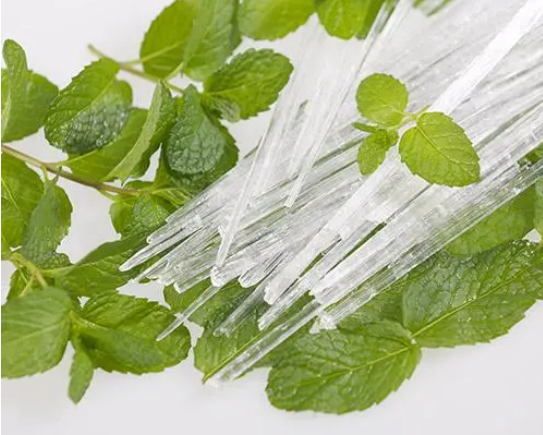
Natural L-Menthol Crystals are a high-purity cooling and aromatic ingredient commonly used in pharmaceutical, oral care, food, and personal care sourcing projects.
They are usually supplied as natural crystal form with 99% minimum purity, and buyers often review source route, standard basis, and application compatibility before technical or commercial evaluation.
They are commonly considered for cough drops, toothpaste, balms, confectionery, and cooling personal care systems, with batch documents and bulk packaging support available for sourcing reference.
Applications
How to Choose the Right Grade / Form
For food and confectionery projects
Choose natural L-menthol with review focused on food-grade positioning, purity basis, sensory profile, and destination-market documentation.
For pharmaceutical and topical systems
Review not only purity but also identity consistency, standard basis, and the document pack required for internal QA and regulatory review.
For oral care projects
Focus on mint character, solubility route, dosage fit, and batch consistency in the intended toothpaste or mouthwash system.
For premium natural-positioned products
Natural L-menthol is generally preferred over synthetic or DL-menthol when the project requires a natural-source story, cleaner label positioning, or premium product direction.
Technical & Formulation Notes
Technical Notes
Natural L-menthol is usually reviewed by identity, purity basis, crystal appearance, odor profile, and cooling performance rather than by broad descriptive marketing.
For routine sourcing, buyers commonly confirm whether the project requires natural L-menthol instead of synthetic menthol or DL-menthol.
Manufacturing & Process
Commercial natural L-menthol crystals are generally obtained from mint-oil-derived menthol routes followed by crystallization and purification.
For commercial review, the more relevant points are source-route clarity, batch consistency, purity confirmation, and packaging protection during storage and export.
Compatibility / Formulation Notes
Natural L-menthol crystals should be reviewed according to the intended system, dosage level, and solubility route rather than by purity alone.
For oral care systems, confirm flavor strength, cooling intensity, and solubility behavior in the intended toothpaste, mouthwash, or breath-care formulation.
For topical and balm systems, pilot testing should confirm dissolution behavior in oils, waxes, or topical bases before full-scale production.
For confectionery and mint-flavor products, review dosage level and flavor impact carefully to avoid overpowering sensory performance.
For storage and handling, use tightly sealed packaging and protect from heat, moisture, and volatilization during storage and transport.
Extended QC & Test Items
Routine review may include appearance, assay, melting range, optical or identity-related confirmation where needed, residue or impurity checks, and selected contaminant or document items according to the target market and agreed specification.
Product specifications
| Test | Specification | Method |
|---|---|---|
| Appearance | Colorless to white crystals | Visual |
| Assay | 99.0% min | Per agreed specification |
| Odor | Characteristic mint odor | Organoleptic |
| Solubility | Slightly soluble in water; soluble in alcohol and oils | Per agreed specification |
| Melting Range | Per agreed specification | Per agreed specification |
| Documents | COA / SDS / TDS available | Reference |
Storage, Shelf Life & Packaging
Storage
Store in a cool, dry place in a tightly sealed container.
Protect from heat, moisture, and direct light during storage and transport.
Shelf Life
Shelf life should follow the agreed specification and final packaging format.
Batch label, packing integrity, and storage compliance should be checked before use.
Packaging & Logistics
Sample Packing
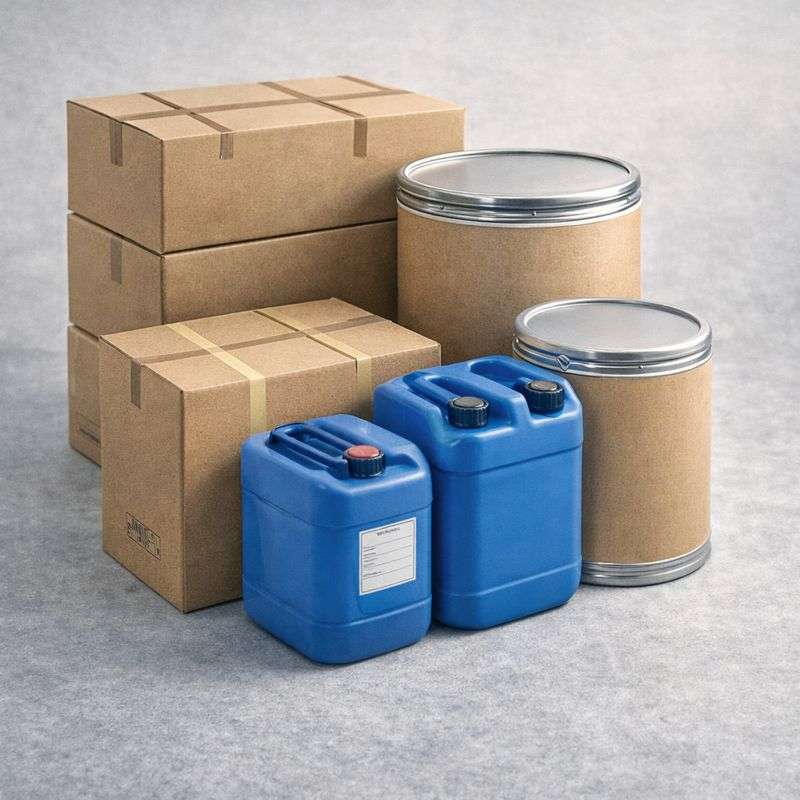
1-5 kg sample-stage packing can be arranged in protective foil packaging.
Bulk Packing
Standard bulk packing is commonly 25 kg per drum, bag, or carton depending on the commercial arrangement.
Customization
Packaging format can be discussed according to sampling, distribution, and destination-market handling needs.
Logistics & Documents
Routine supply support includes COA, SDS/MSDS, and TDS/specification sheets, with standard-item lead time typically 3-7 working days.
Supply, Documentation & Customization
Documents & Compliance
COA, SDS/MSDS, and TDS/spec sheet available based on product and market requirements.
Customization & Private Label
Custom packing, private label, and labeling support available depending on product type and order scope.
Commercial Support
Sample, lead time, and incoterm options can be discussed according to destination market and supply plan.
Why Source From Lifeworth
Defined specification clarity
Buyers can review natural L-menthol projects through purity basis, source route, application fit, and agreed technical documents instead of relying on broad marketing language.
Customizable key targets
Support can be aligned to purity review, standard basis, packaging format, and export handling needs.
Batch documentation support
Routine supply can include COA, SDS/MSDS, and TDS/specification sheets for commercial and QA review.
Export-ready bulk supply
Bulk international supply can be aligned with standard export communication, document preparation, and packaging coordination.

FAQ
1) What is the difference between natural L-menthol and synthetic menthol?
Natural L-menthol is sourced from mint-oil-derived routes, while synthetic menthol is produced by chemical synthesis. Buyers usually choose based on label positioning, target market, and cost-performance balance.
2) What is the difference between L-menthol and DL-menthol?
L-menthol is the naturally occurring isomer typically preferred for premium and natural-positioned applications, while DL-menthol is a mixed synthetic form more often reviewed where cost is a stronger priority.
3) What applications are most common for natural L-menthol crystals?
Common applications include cough drops, oral care products, balms, confectionery, personal care products, and selected pharmaceutical or cooling systems.
4) What purity is usually supplied?
Most commercial projects start from 99% minimum natural L-menthol crystals, with final supply confirmed by the agreed specification.
5) What documents are usually available?
Routine supply documents commonly include COA, SDS/MSDS, and TDS/specification sheets.
6) How should menthol crystals be stored?
They should be kept in tightly sealed packaging, stored in a cool and dry place, and protected from heat, moisture, and direct light.
Need more answers?
Explore our full FAQ library for documentation, compliance, shipping, and ordering guidelines.