
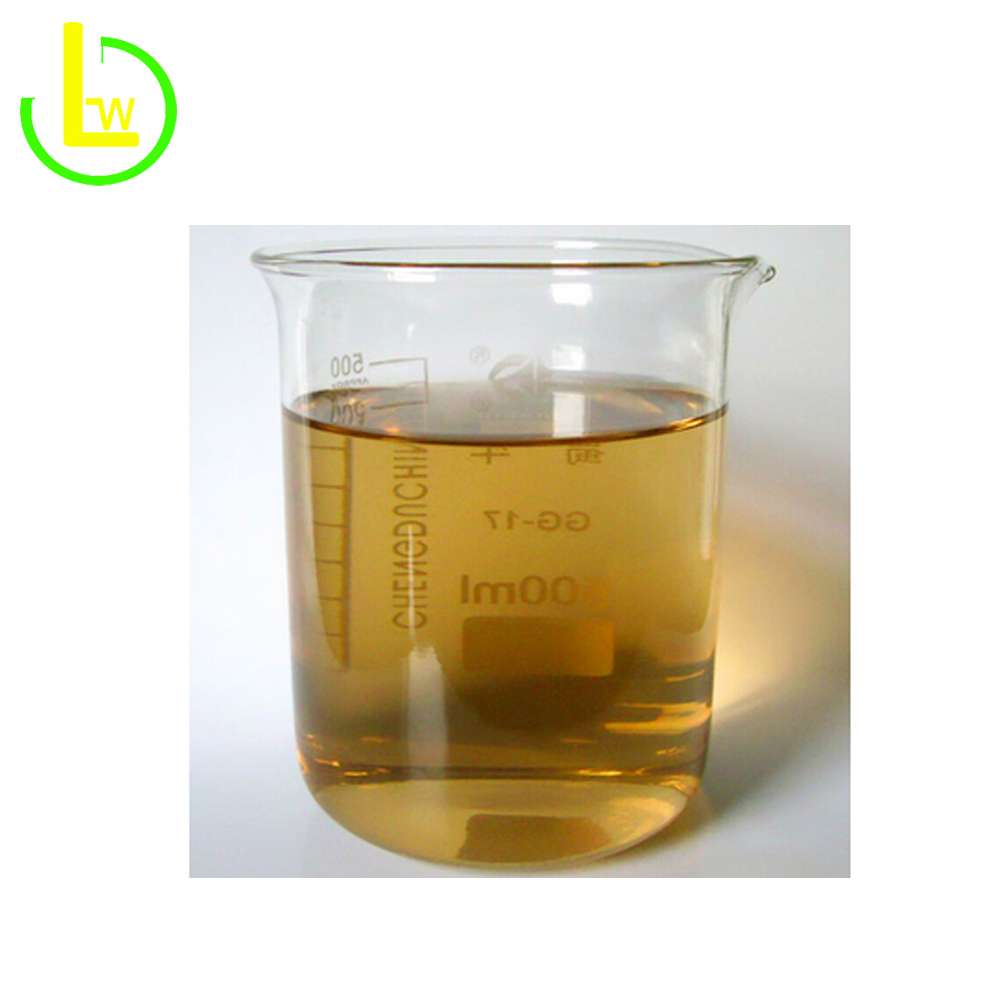
Alkyl Polyglucoside (APG) is a family of non-ionic surfactants widely used in personal care, household cleaning, and industrial formulation systems.
In commercial sourcing, APG is not just one product. Buyers usually compare different grades such as APG0810, APG0814, APG1214, APG0816, and APG1216 according to cleansing strength, viscosity behavior, foaming profile, solubilizing performance, and target application.
This page is designed to help buyers understand the APG product family, compare the main grades, and navigate to the most suitable APG specification for their formulation and sourcing needs.
1. What Is Included in the APG Product Family
The APG product family includes multiple grades with different carbon-chain distributions and formulation behavior.
Although all APG grades share the common advantages of being non-ionic, mild, and biodegradable, they do not perform the same way in actual product development.
APG0810
A lower-viscosity and highly water-soluble APG grade commonly considered for mild cleansing systems, solubilizing support, and co-surfactant use.
APG0814
A more balanced APG grade positioned between lighter and stronger cleansing routes, suitable for formulas that need a compromise between mildness, detergency, and formulation flexibility.
APG1214
A more mainstream cleansing-oriented APG grade often selected where richer foam, stronger detergency, and broader application compatibility are important.
APG0816
An APG grade usually considered for stronger emulsifying and detergency-oriented systems, especially where industrial or more robust cleaning performance is required.
APG1216
A heavier APG route often evaluated for stronger oil-removal, stable foam, and thicker-system applications such as dishwashing liquids and selected hard-surface cleaners.
2. Quick Comparison of APG Grades
| Grade | Typical Positioning | Main Character | Common Fit |
|---|---|---|---|
| APG0810 | Mild / light route | Low viscosity, good solubilizing support | Facial cleansers, shampoos, mild wash systems |
| APG0814 | Balanced route | Balanced cleansing, foam, and compatibility | Personal care, hard-surface cleaning, multi-purpose systems |
| APG1214 | Main cleansing route | Richer foam, stronger detergency, broader commercial use | Body wash, dishwashing, household cleaning |
| APG0816 | Stronger emulsifying route | Higher detergency, stronger emulsifying direction | Industrial cleaning, degreasing, robust cleaning systems |
| APG1216 | Higher oil-removal route | Strong oil-removal, stable foam, thicker-system fit | Dishwashing liquids, car shampoos, heavy-duty cleaning |
3. How to Choose the Right APG Grade
Choosing the right APG grade is usually not about finding the “best” APG, but about finding the grade that best matches the target system.
If you need milder cleansing and lighter system behavior
APG0810 is usually the first grade to evaluate.
It is often preferred where buyers want a lower-viscosity APG with mild cleansing character and good solubilizing support.
If you need a more balanced APG route
APG0814 is often the better middle option.
It can work well when the system needs more detergency than APG0810 but does not require the heavier cleansing profile of APG1214 or APG1216.
If you need stronger mainstream cleansing performance
APG1214 is usually one of the most practical grades to review.
It is often chosen for systems where richer foam, stronger cleansing, and broader formulation use are important.
If you need stronger emulsifying or industrial cleaning direction
APG0816 may be more suitable.
This grade is more often evaluated in systems that require stronger detergency and a more robust cleaning profile.
If you need stronger oil-removal and thicker-system suitability
APG1216 is usually the grade to compare.
It is often more relevant in dishwashing, car-cleaning, and hard-surface cleaning systems where heavier cleansing behavior is needed.
4. APG Grades by Application
Personal Care
For facial cleansers, body wash, shampoos, and mild cleansing systems, buyers often start with APG0810 or APG0814.
These grades are usually easier to position in milder formulations where skin feel, compatibility, and formulation flexibility matter.
Household Cleaning
For dishwashing liquids, multi-purpose cleaners, and hard-surface cleaners, APG1214 is often one of the main grades to review.
Where stronger oil-removal or heavier cleaning is needed, APG1216 may also be considered.
Industrial Cleaning
For industrial or stronger detergency-oriented systems, APG0816 and APG1216 are usually more relevant.
These grades are more likely to be evaluated where emulsifying strength, detergency, and cleaning efficiency are prioritized.
Specialty Formulation Systems
For systems that require a more balanced surfactant profile rather than a strongly single-direction performance route, APG0814 may serve as a useful middle option.
5. What Buyers Usually Review Before Purchase
For APG sourcing, experienced buyers usually compare more than just the grade number.
The main review points often include:
- viscosity behavior
- foaming profile
- detergency level
- solubilizing or emulsifying role
- compatibility with the target surfactant system
- application direction
- packaging and supply format
- technical documentation and specification alignment
This is why family-level comparison is important.
It helps buyers avoid choosing an APG grade only by name, without checking whether it really fits the intended formulation and manufacturing target.
6. Explore Individual APG Products
If you already know the type of APG performance you need, you can go directly to the relevant product page.
APG0810
For mild cleansing, low-viscosity systems, and solubilizing-oriented formulation support.
APG0814
For more balanced cleansing, foaming, and compatibility performance.
APG1214
For richer foam, stronger detergency, and mainstream cleansing applications.
APG0816
For stronger emulsifying and industrial-cleaning-oriented systems.
APG1216
For stronger oil-removal, stable foam, and thicker cleaning systems.
7. Why Many Buyers Work from the APG Family Level First
Many surfactant buyers do not start from a final grade number.
They start from a formulation target, such as mild cleansing, balanced detergency, stronger oil-removal, or industrial-cleaning performance.
That is why an APG family page is useful.
It allows buyers to understand how the main grades differ before moving into specification confirmation, sample testing, and commercial supply discussions.
For formulation teams, this also improves internal communication between purchasing, R&D, and application review because the selection logic becomes clearer from the start.
8. FAQ
What is the difference between APG0810 and APG1214?
APG0810 is usually positioned as a milder, lower-viscosity, and more solubilizing-support route, while APG1214 is more often selected for richer foam and stronger mainstream cleansing performance.
Which APG grade is better for personal care?
Many personal care systems begin with APG0810 or APG0814, depending on whether the formulation goal is lighter mildness or more balanced cleansing performance.
Which APG grade is better for dishwashing liquids?
APG1214 is often a practical starting point, while APG1216 may be more relevant where stronger oil-removal and heavier cleaning performance are required.
Is APG0814 a middle option between APG0810 and APG1214?
Yes. In many commercial discussions, APG0814 is treated as a more balanced route between lighter and stronger APG performance profiles.
Do I need to test APG grades before bulk purchase?
Yes. Sample evaluation is usually recommended because actual performance depends on the full surfactant system, viscosity target, and intended application.
Can different APG grades be used in the same system?
They can be compared or combined depending on formulation goals, but the final decision should be based on pilot testing and technical review.
9. Conclusion
Alkyl Polyglucoside is better understood as a surfactant family than as one uniform product.
Different APG grades serve different formulation purposes, and the most suitable option depends on cleansing target, viscosity preference, foam profile, and application system.
For buyers comparing APG0810, APG0814, APG1214, APG0816, and APG1216, the key question is not which grade is universally best, but which grade is best aligned with the intended formula and sourcing objective.h Lifeworth to access premium-grade Alkyl Polyglucosides and join us in building a greener future.
Reference:
https://en.wikipedia.org/wiki/Alkyl_polyglycoside
