
Lecithin
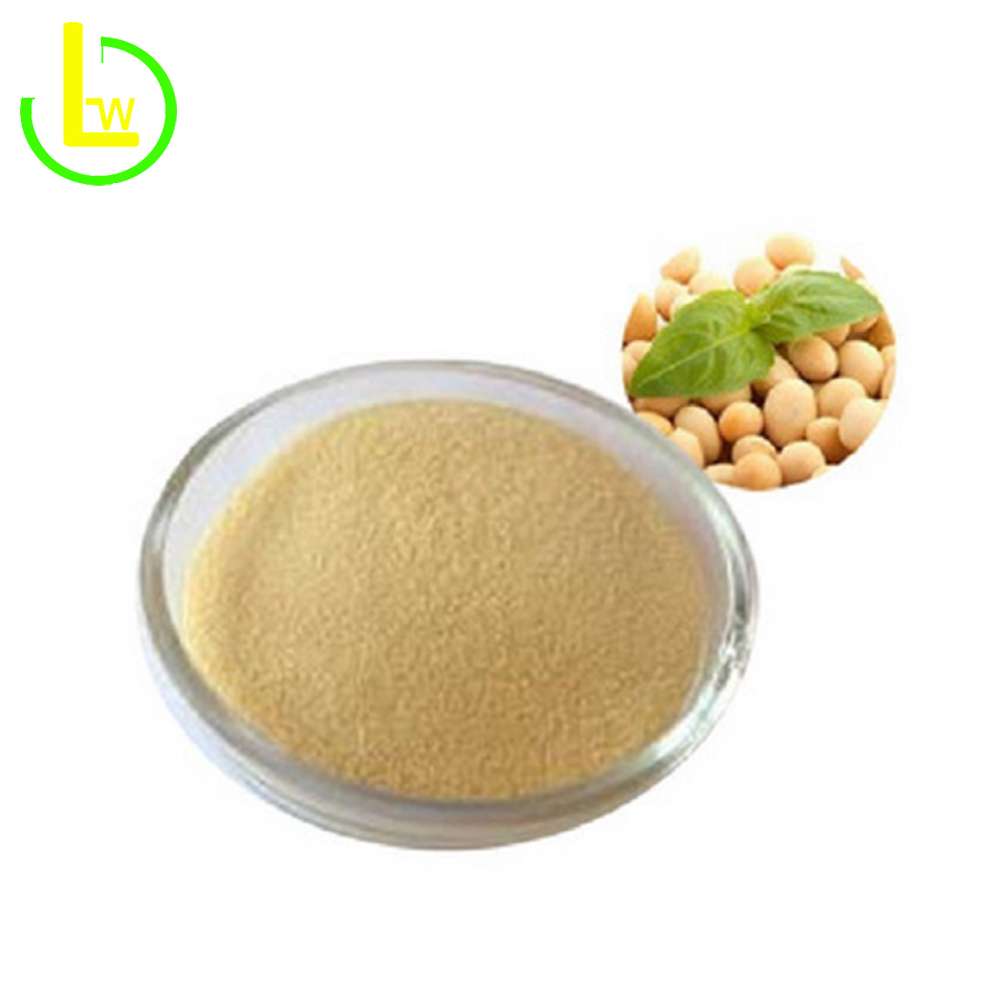
This category page helps buyers compare the main lecithin sourcing routes, including Soy Lecithin, Sunflower Lecithin, Egg Lecithin, and Phosphatidylcholine. Use this page to identify the right material direction based on source preference, commercial form, phospholipid focus, and application priorities.
Proof Points
- Multiple lecithin-related sourcing routes in one comparison hub
- Suitable for food, nutraceutical, cosmetic, pharmaceutical, and industrial project review
- Powder, liquid, granule, and phospholipid-focused routes available
- Document support available for technical and purchasing review
- Sample discussion and bulk supply support for project evaluation
Description
Lecithin is not one single commercial route. In actual sourcing, buyers usually need to confirm more than the word “lecithin” before moving forward. The first decision is often whether the project requires a mainstream soy route, a non-soy plant-based route, an egg-derived phospholipid route, or a more phosphatidylcholine-focused direction.
This hub is designed to make that first decision easier. Instead of treating all lecithin-related materials as one generic product, it helps buyers compare the main routes, understand their typical commercial positioning, and move to the most relevant product page for detailed review.
Buyer Snapshot
One ingredient family, different sourcing routes
Lecithin-related materials may all be phospholipid-based, but their commercial positioning can differ depending on source, composition focus, and intended use.
Selection usually starts with source and use scenario
Buyers often begin by confirming whether the project prefers soy, sunflower, egg, or a phosphatidylcholine-focused route, then narrow down the required form, documentation set, and packaging plan.
This page is built for route selection
Use this hub to compare lecithin routes first, then move to the matching product page for specification, application, and supply review.
Documentation
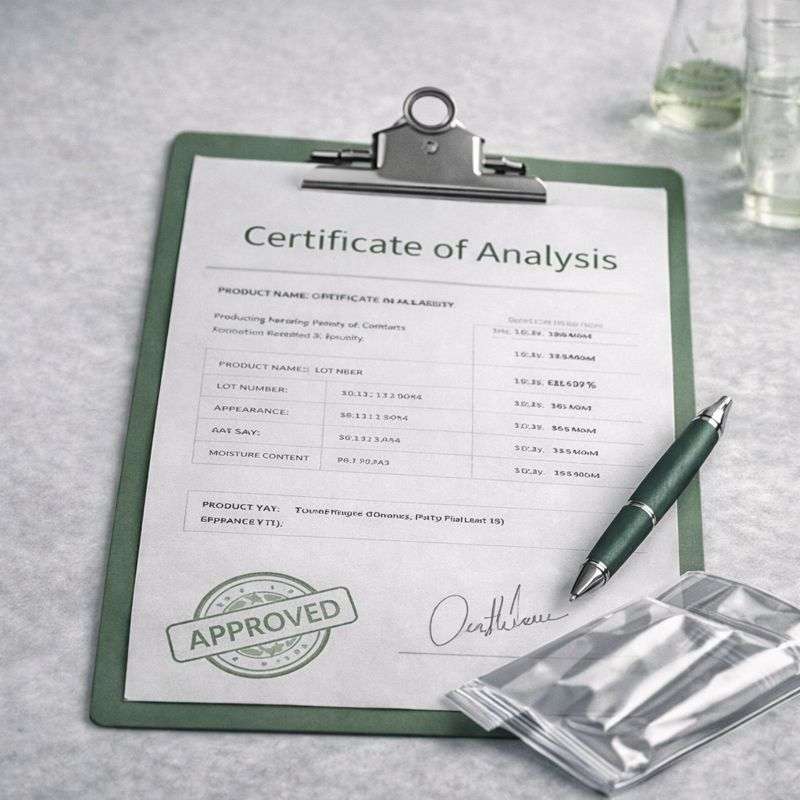
COA / MSDS / TDS + statements on request
Traceability
Batch records and retained samples
Packaging
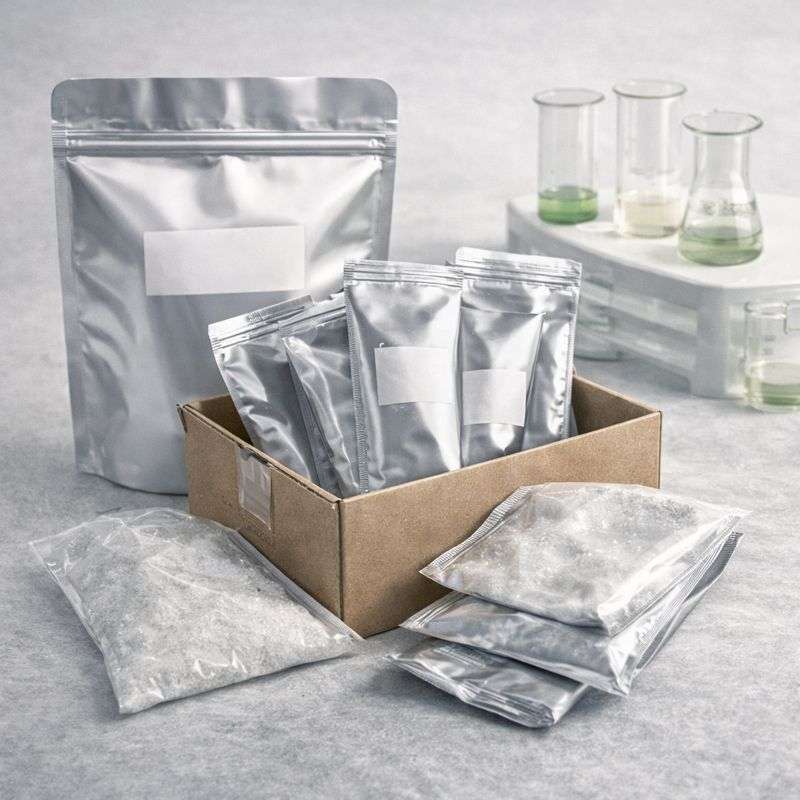
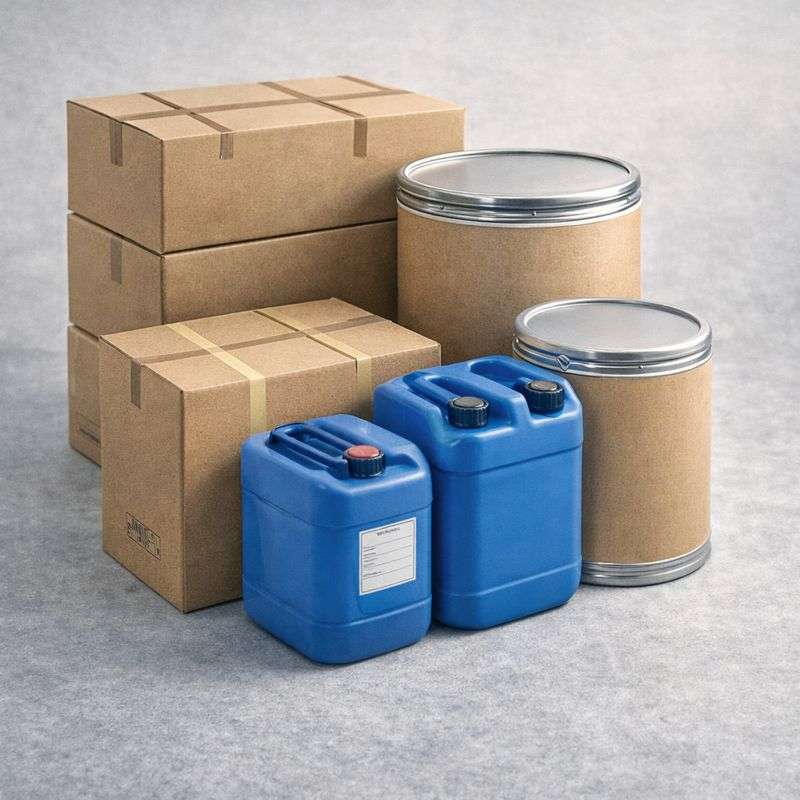
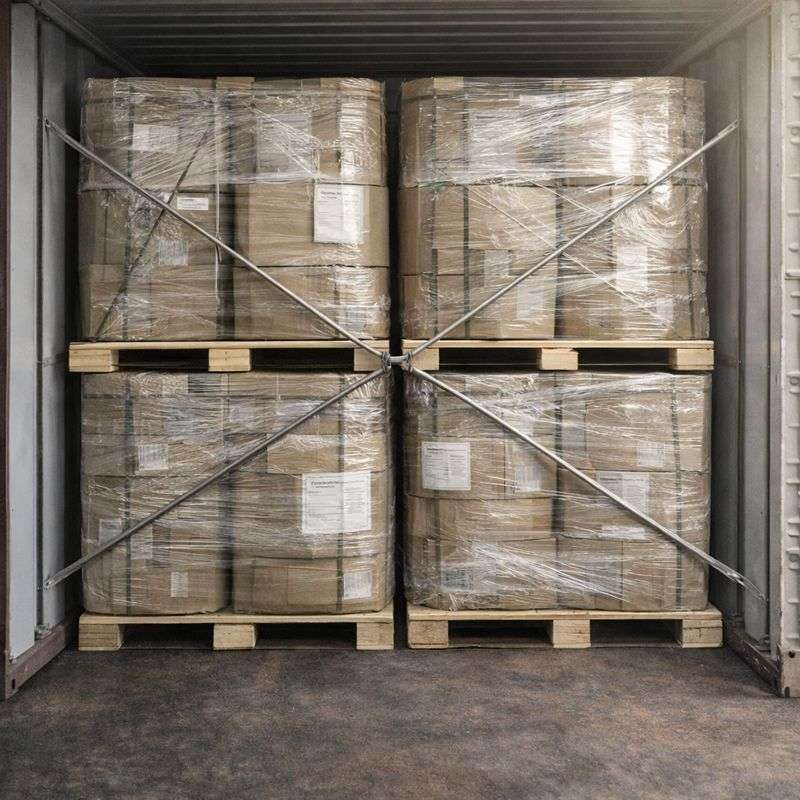
Standard export packing + customization
Best for
Importers / distributors / contract manufacturers
Available Products & Grades


Click a form below to view assay/spec range, packaging protection, and the exact document pack for that grade.
How to Choose
The right lecithin route depends on source preference, phospholipid focus, formulation goal, and commercial use scenario. Before comparing detailed specifications, buyers usually need to identify which route best matches the project.
Choose Soy Lecithin when:
You need the most established and commercially common lecithin route for broad application use, with practical options in powder, liquid, or granule form.
Choose Sunflower Lecithin when:
Your project requires a non-soy plant-based route, or the sourcing direction is built around sunflower-origin positioning.
Choose Egg Lecithin when:
You are evaluating an egg-derived phospholipid route for more specialized nutraceutical, pharmaceutical, cosmetic, or technical formulation needs.
Choose Phosphatidylcholine when:
The project is not only asking for lecithin as a general emulsifier, but specifically requires a more phosphatidylcholine-focused material direction.
Common Buyer Scenarios
- Food & Beverage Buyers: need emulsification, dispersion, and process-friendly lecithin options
- Supplement Teams: need source-specific or phospholipid-focused ingredients for formulation review
- Cosmetic Developers: need phospholipid-based materials for emulsification and texture-support systems
- Pharmaceutical / Liposomal Projects: need egg-derived or phosphatidylcholine-oriented routes for more specialized evaluation
- Importers / Distributors: need commercially practical product families with clear documentation and packaging paths
RFQ Guidance
For a faster recommendation, please share your target application, preferred source, required form, destination market, document requirements, and estimated quantity.
When to Contact Us
You need help matching the right grade/specification to your application.
You require a documentation package for compliance review (COA/MSDS/TDS and statements).
You are planning a bulk order and want to confirm MOQ, lead time, and shipping terms.
Compare
Choosing the right lecithin route usually starts with source preference, formulation target, phospholipid focus, and commercial use scenario.
Instead of treating all lecithin-related materials as interchangeable, buyers often compare the route first, then move to the matching product page for detailed specification and supply review.
| Criteria | Soy Lecithin | Sunflower Lecithin | Egg Lecithin | Phosphatidylcholine |
|---|---|---|---|---|
| Type / Route | Mainstream soy-derived lecithin route | Plant-based non-soy lecithin route | Egg-derived phospholipid lecithin route | Phosphatidylcholine-focused phospholipid route |
| Best for (Buyer Intent) | Buyers seeking the most commercially established lecithin route for broad application use | Buyers who prefer a sunflower-origin or non-soy plant-based direction | Buyers evaluating an egg-derived phospholipid route for more specialized formulation projects | Buyers focusing on phosphatidylcholine content rather than standard lecithin only |
| Commercial Positioning | General-purpose lecithin route with wide commercial familiarity | Alternative plant-based lecithin route with source-driven positioning | Specialty lecithin route with stronger phospholipid-oriented positioning | More targeted downstream phospholipid ingredient direction |
| Functional Positioning | Commonly reviewed for emulsification, wetting, dispersion, release support, and formulation processing | Commonly reviewed for plant-based emulsification and source-sensitive formulation needs | Commonly reviewed for advanced phospholipid systems and more specialized technical use | Commonly reviewed when a more concentrated phospholipid role is required in formulation design |
| Typical Application Direction | Food, feed, nutraceutical, industrial, and selected cosmetic systems | Food, nutraceutical, cosmetic, and plant-based positioning projects | Nutraceutical, pharmaceutical, cosmetic, and advanced phospholipid systems | Supplements, pharmaceuticals, liposomal systems, and phospholipid-focused formulations |
| Commercial Forms | Usually discussed in powder, liquid, or granule form depending on project need | Usually discussed in powder, liquid, or granule form depending on product route | Commercial form depends on the product route and agreed supply specification | Commercial form depends on the product route and agreed supply specification |
| Selection Priority | Choose when supply practicality and mainstream commercial use are the main priorities | Choose when source preference and non-soy positioning are key decision factors | Choose when egg-derived phospholipid direction is more suitable for the target system | Choose when the project specifically requires a phosphatidylcholine-focused material path |
| Documentation (Typical) | COA, SDS/MSDS, TDS/specification sheet, and related statements on request | COA, SDS/MSDS, TDS/specification sheet, and related statements on request | COA, SDS/MSDS, TDS/specification sheet, and related statements on request | COA, SDS/MSDS, TDS/specification sheet, and related statements on request |
| Packaging & Logistics | Standard export packing with final form and packing size confirmed before order | Standard export packing with source route and packing requirement confirmed before shipment | Standard export packing with specification and storage arrangement confirmed before shipment | Standard export packing with phospholipid specification and packing format confirmed before shipment |
| Next Step | Explore Soy Lecithin | Explore Sunflower Lecithin | Explore Egg Lecithin | Explore Phosphatidylcholine |
Application Paths
Food & Beverage
For buyers sourcing lecithin as an emulsifier, dispersing aid, or processing-support ingredient in food systems.
Dietary Supplements & Nutraceuticals
For projects comparing source-specific lecithin or phosphatidylcholine-focused ingredients for supplement development.
Cosmetics & Personal Care
For emulsification, texture support, phospholipid-based carrier systems, and source-oriented formulation review.
Pharmaceutical & Liposomal Systems
For projects evaluating egg-derived lecithin or phosphatidylcholine for more specialized formulation directions.
Industrial & Technical Formulation
For buyers using lecithin in selected industrial or process-support systems where wetting, release, or dispersion performance matters.
Factory & Capability
Facility


Packaging
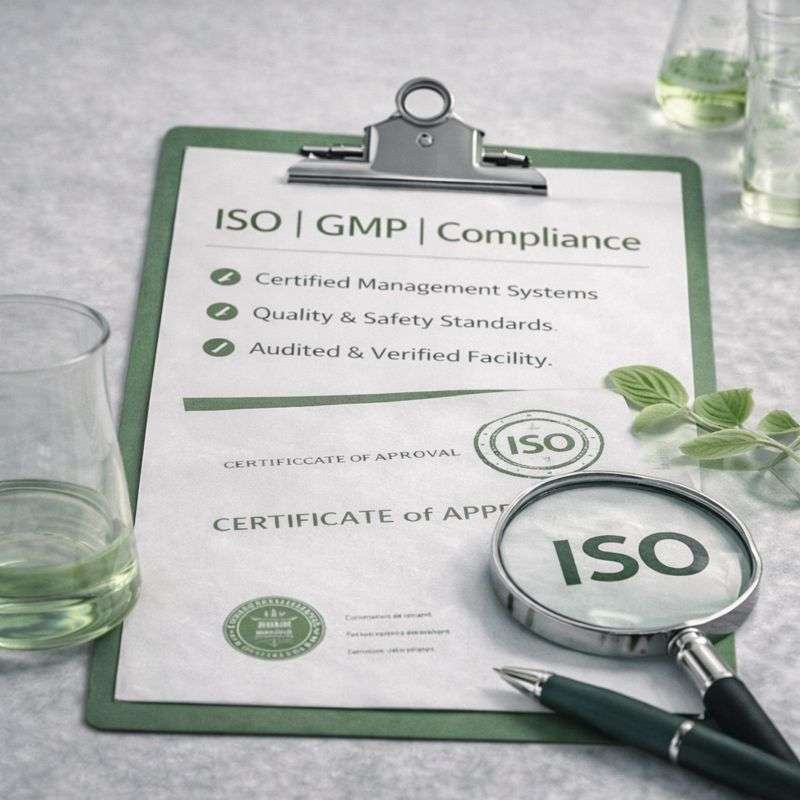
Certifications & Compliance
Certificates and documents are available for customer review upon request.

Category Capability
We support lecithin-related sourcing across soy lecithin, sunflower lecithin, egg lecithin, and phosphatidylcholine routes, with commercial discussion available for powder, liquid, granule, and other agreed forms depending on the product line.
Support can include sample coordination, bulk supply planning, document preparation, and export packing discussion based on the target application and destination market.
QC Focus for This Category
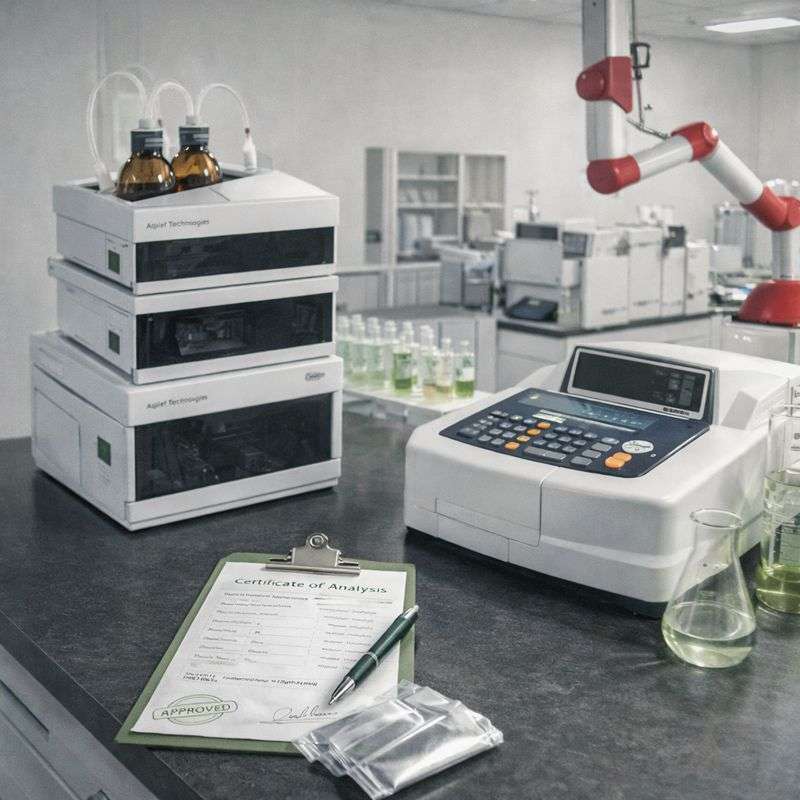
Technical review for this category commonly focuses on source route, appearance, commercial form, phospholipid positioning, handling characteristics, and agreed specification basis depending on the selected product path.
Supporting documents such as COA, SDS/MSDS, and TDS/specification sheet can be prepared for sourcing evaluation, with final QC scope aligned to the agreed product route and order requirement.
FAQ
What is the difference between soy lecithin, sunflower lecithin, and egg lecithin?
The main differences are source route, commercial positioning, and project preference. Buyers usually choose among them based on source requirements, target market expectations, and formulation priorities.
When should I choose phosphatidylcholine instead of standard lecithin?
Phosphatidylcholine is usually reviewed when the project needs a more focused phospholipid direction rather than standard lecithin alone.
Can lecithin be supplied in different forms?
Yes. Depending on the product route, lecithin-related materials may be discussed in powder, liquid, granule, or other agreed commercial forms.
Which lecithin route is best for my project?
That depends on your target application, source preference, phospholipid focus, regulatory expectations, and commercial requirements.
What documents are typically available?
Typical document support may include COA, SDS-MSDS, TDS-Spec sheet, and selected statements depending on the product and destination market.