
N-Methyl-2-pyrrolidone (NMP) Anhydrous 99.9%
For buyers evaluating NMP routes, anhydrous NMP is often reviewed when grade selection, moisture control, purity basis, and documentation support all matter.
- Available in reagent, electronic, common, and industrial grades
- Anhydrous route supports moisture-sensitive process selection
- Controlled purity, color, and KF moisture for grade-based sourcing
- COA, SDS/MSDS, and TDS support available
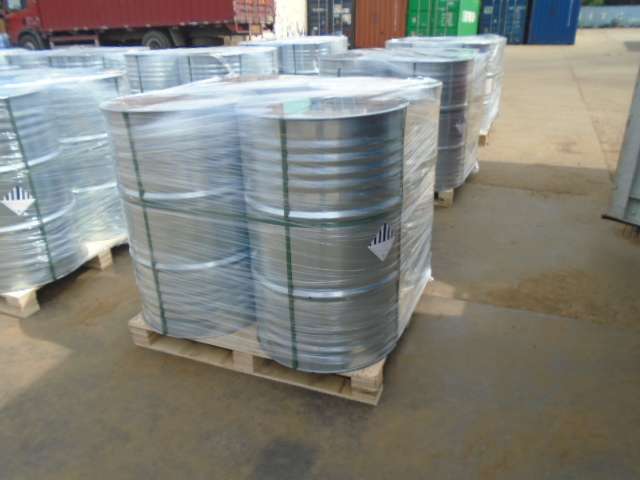
- Standard drum packing and export logistics support available
Tell us your application, target specification, and destination market so we can support grade selection, documentation review, and packaging recommendations.

Quick Specs
Identity
INCI Name
Alias
CAS Number
Molecular Formula
Molecular Weight
Quality
Assay
Grade
Standards
Assay Method
Handling
Appearance
Form
Solubility
Applications
Commercial Terms
MOQ
MOQ depends on packaging and specification.
Lead Time
3–7 working days for standard items; bulk orders by schedule.
Incoterms
EXW / FOB / CIF / DAP / DDP
Sample
Free sample (shipping charged)
Quality & Documents
COA (per batch) • SDS/MSDS • TDS/Spec sheet (on request). Additional statements depend on product and market.
Product Overview
N-Methyl-2-pyrrolidone (NMP) Anhydrous is a polar aprotic solvent commonly used in electronics, polymer processing, coatings, chemical synthesis, and industrial cleaning systems.
It is usually supplied as an anhydrous liquid in reagent, electronic, common, or industrial grades, and buyers often review purity, Karl Fischer moisture, color, and grade fit before technical or commercial evaluation.
It is commonly considered for moisture-sensitive processing, solvent-based manufacturing, and precision cleaning applications, with COA, SDS/MSDS, TDS, and sample support available for sourcing reference.

Applications
Electronics & Precision Cleaning
Suitable for electronics-related and precision cleaning systems where low moisture, controlled impurities, and consistent solvent performance are important. Electronic or reagent grades are usually reviewed first when tighter limits matter.
Polymer Processing
Suitable for engineering polymer and related processing systems where solvent performance, purity, and grade stability affect downstream handling and process consistency.
Coatings & Formulation
Suitable for coatings, adhesives, and related formulation systems where solvent route, compatibility, and controlled specification are part of technical evaluation.
Chemical Synthesis
Suitable for synthesis and processing systems where a high-polarity solvent route is required and grade selection should match process sensitivity and specification logic.
How to Choose the Right Grade / Form
For moisture-sensitive or higher-purity applications
Recommended direction: Reagent grade or electronic grade
Why: These routes are more suitable when low moisture, low color, and tighter impurity control are important. The current page already positions electronic/reagent grades for lower moisture and impurity limits.
For electronics-related processing
Recommended direction: Electronic grade
Why: More suitable when the process requires tighter control on moisture and quality consistency for electronics-oriented use.
For general solvent applications
Recommended direction: Common grade or industrial grade
Why: Often more practical when the project does not require the tighter limits associated with higher-spec routes.
For export or multi-market projects
Recommended direction: Confirm grade and document scope early
Why: Supporting document requirements and specification language may vary depending on destination market and technical use.
Technical & Formulation Notes
Technical Notes
NMP Anhydrous is typically reviewed as a specification-based solvent route rather than as a general-purpose commodity solvent only. Buyers usually focus on purity, moisture control, grade logic, and target application before confirming the route.
Manufacturing & Process
The product is generally discussed as an anhydrous liquid solvent with grade differentiation based on impurity profile, KF moisture, and color control. Selection usually depends on whether the project is electronics-related, process-sensitive, or for broader industrial solvent use.
Compatibility / Formulation Notes
- Grade selection: choose electronic/reagent grades when low moisture/low color/low impurities are critical; industrial grade for general solvent needs.
- Moisture control: anhydrous options reduce water-related variability in moisture-sensitive steps.
- Compatibility: confirm material compatibility (plastics/elastomers/coatings) before full-scale use.
- Safety: follow SDS and local regulatory requirements; ensure ventilation and proper PPE.
Extended QC & Test Items
Technical review may include appearance, purity, moisture by Karl Fischer, color (Hazen), density, and pH in diluted system where applicable. Final QC scope should follow the selected grade and agreed specification. Current page data already indicates purity, KF moisture, color, density, and pH as key QC items.
Product specifications
| Test | Specification | Method |
|---|---|---|
| Purity | Reagent ≥99.9%; Electronic ≥99.85%; Common ≥99.8%; Industrial ≥99.5% (available by request) | GC |
| Color (Hazen) | Reagent ≤10; Electronic ≤10; Common ≤20; Industrial ≤20 | ASTM D1209 (typ.) |
| Density (20°C) | 1.026–1.033 g/mL (grade-dependent) | ASTM D4052 (typ.) |
| Moisture | Reagent ≤0.01%; Electronic ≤0.02%; Common ≤0.05%; Industrial ≤0.1% (anhydrous option available) | Karl Fischer |
| pH (10% water) | Reagent/Electronic 7–9; Common/Industrial 6–10 | pH meter |
| Appearance | Colorless to light yellow transparent liquid | Visual |
Storage, Shelf Life & Packaging
Storage
Store in a cool, dry, and well-ventilated place in tightly closed containers.
Keep away from heat, fire sources, and incompatible oxidizing materials.
Shelf life should follow the agreed product grade, storage conditions, and commercial packing format. The current page already specifies cool, dry, ventilated storage and separation from oxidizers.
Shelf Life
Packaging & Logistics
Sample Packing
Sample quantities may be arranged for evaluation and preliminary grade review.
Bulk Packing
Standard export packing is typically 200 kg/drum, with sealed packaging, labeling, and batch traceability. The current page already lists 200 kg/drum as standard.
Customization
Project-based discussion may include grade direction, labeling, packing format, and selected document alignment.
Logistics & Documents
COA, SDS/MSDS, TDS/specification sheet, and related commercial documents may be prepared according to order and destination requirements. Lead time, incoterms, and sample terms are already presented on the current page.
Supply, Documentation & Customization
Documents & Compliance
COA, SDS/MSDS, and TDS/spec sheet available based on product and market requirements.
Customization & Private Label
Custom packing, private label, and labeling support available depending on product type and order scope.
Commercial Support
Sample, lead time, and incoterm options can be discussed according to destination market and supply plan.
Why Source From Lifeworth
Defined grade clarity
Grade discussion can be aligned around reagent, electronic, common, and industrial routes rather than generic solvent naming only.
Moisture and purity route support
Technical review can be matched to purity, KF moisture, and color expectations for different process needs.
Batch documentation support
Typical batch and technical documents can be prepared for sourcing review and purchasing reference.
Export-ready drum supply
Standard drum packing, traceable labeling, and shipment planning can be matched to practical industrial projects.

FAQ
Which grade should I choose?
That depends on your impurity limit, moisture requirement, application type, and process sensitivity. Reagent or electronic grades are usually reviewed first when tighter limits are important. The current page already frames grade choice around impurity and moisture limits.
Is anhydrous NMP available?
Yes. This page is specifically positioned around an anhydrous route, and grade-dependent KF moisture control is already part of the product logic shown on the current page.
What is the standard packaging?
Standard packing is typically 200 kg/drum, with export-ready labeling and batch traceability.
Can you provide COA and SDS?
Yes. COA per batch, SDS/MSDS, and TDS/specification sheet are available on request.
Is this product suitable for electronics or polymer processing?
It may be considered for electronics-related, polymer, coatings, synthesis, and industrial cleaning systems depending on grade fit and process requirements. The current page already lists these as core applications.
How should NMP Anhydrous be stored?
It should be stored in sealed containers in a cool, dry, ventilated place away from heat and incompatible oxidizers.
Need more answers?
Explore our full FAQ library for documentation, compliance, shipping, and ordering guidelines.