
3-O-Ethyl Ascorbic Acid Powder
Suitable for skincare brands and cosmetic manufacturers sourcing 3-O-Ethyl Ascorbic Acid powder for serums, creams, and functional cosmetic formulations, with support for COA, TDS, SDS/MSDS, and export supply coordination.
- Cosmetic-grade 3-O-Ethyl Ascorbic Acid powder supply
- Commonly reviewed for serum, cream, and functional skincare formulation projects
- COA, TDS, SDS/MSDS and specification documents available
- Bulk packaging and international shipment support available
Tell us your application, target specification, and destination market so we can support grade selection, documentation review, and packaging recommendations.

Quick Specs
Identity
INCI Name
Alias
CAS Number
Molecular Formula
Molecular Weight
Quality
Assay
Grade
Assay Method
Handling
Appearance
Form
Solubility
Applications
Commercial Terms
MOQ
MOQ depends on packaging and specification.
Lead Time
3–7 working days for standard items; bulk orders by schedule.
Incoterms
EXW / FOB / CIF / DAP / DDP
Sample
Free sample (shipping charged)
Quality & Documents
COA (per batch) • SDS/MSDS • TDS/Spec sheet (on request). Additional statements depend on product and market.
Product Overview
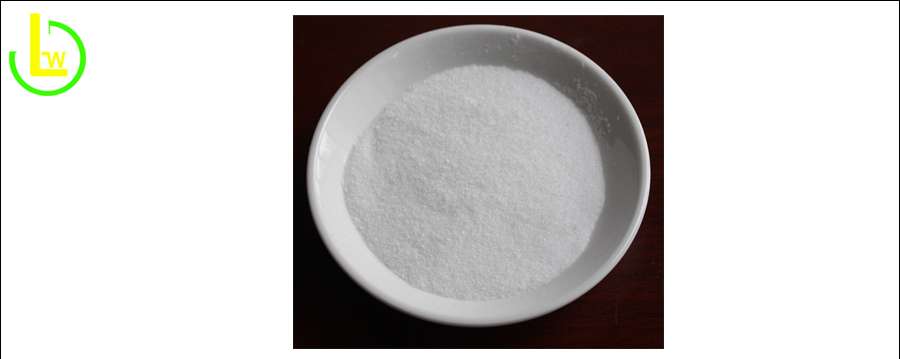
3-O-Ethyl Ascorbic Acid is a stable vitamin C derivative commonly used in cosmetic and skincare formulation projects.
It is supplied as a powder ingredient, and buyers usually review assay level, appearance, formulation compatibility, documentation scope, and packaging requirements before technical or commercial evaluation.
It is commonly considered for serums, creams, lotions, and other functional skincare systems, with COA, TDS, SDS/MSDS and bulk supply support available for sourcing reference.
Applications
Skincare Serums
Commonly used in functional serum formulations where cosmetic brands evaluate vitamin C derivative stability, ingredient compatibility, and active ingredient positioning.
Creams & Lotions
Suitable for cosmetic emulsions including moisturizing creams and lotion systems requiring vitamin C derivative ingredients with controlled specifications.
Premium Cosmetic Formulations
Considered for advanced skincare projects where brands review ingredient documentation, formulation performance, and consistent bulk supply capability.
How to Choose the Right Grade / Form
Purity Level Selection:
Higher assay specifications are typically selected for premium cosmetic formulations or projects requiring tighter ingredient quality control.
Product Format Selection:
Powder form is commonly selected according to formulation design, processing requirements, packaging preference, and storage conditions.
Project Requirement Review:
Selection should consider final product type, dosage level, compatibility with other active ingredients, and destination-market requirements.
How to Choose the Right Specification
Assay Requirement
Buyers should confirm the required assay level according to formulation positioning, product category, and quality control expectations.
Appearance Standard
Appearance requirements should be reviewed together with batch consistency and application suitability.
Documentation Scope
Commercial cosmetic projects should confirm COA, TDS, SDS/MSDS, and any additional regulatory documents required for the target market.
Technical & Formulation Notes
Technical Notes
3-O-Ethyl Ascorbic Acid should be evaluated based on assay level, physical characteristics, formulation compatibility, and documentation requirements rather than product name alone.
For cosmetic ingredient sourcing, buyers usually confirm specification range, handling requirements, storage conditions, and technical document availability before supplier selection.
Manufacturing & Process
The product is commonly prepared through controlled chemical modification of ascorbic acid followed by purification, drying, and specification control steps.
For B2B review, process communication is generally focused on consistency, purity control, batch documentation, and suitability for cosmetic formulation applications.
Compatibility / Formulation Notes
For serum formulations, compatibility with water-based systems and formulation pH should be evaluated during development.
For cream and emulsion systems, stability testing should consider interactions with emulsifiers, preservatives, and other active ingredients.
For powder blending applications, moisture control, handling conditions, and packaging protection should be considered.
Pilot testing is recommended before commercial scale-up to confirm stability and formulation performance.
Extended QC & Test Items
Depending on the agreed specification, quality review may include appearance, identification, assay, loss on drying, heavy metals, and other applicable quality parameters.
Product specifications
| Test | Specification | Method |
|---|---|---|
| Appearance | White crystalline powder | Visual |
| Identification | Conforms to agreed specification | Per specification |
| Assay | 98% | Per specification |
| Loss on Drying | Per agreed specification | Per specification |
| Heavy Metals | Per agreed specification | Per specification |
| Documents | COA per batch; SDS/MSDS and TDS available | Reference |
Storage, Shelf Life & Packaging
Storage
Store in a cool, dry place in a sealed container.
Protect from moisture, heat, and direct light.
Shelf Life
Shelf life depends on packaging condition, storage environment, and manufacturer specification.
Packaging & Logistics
Standard Packing: Inner double PE bags + outer fiber drum / carton (or aluminum foil bag).
Sample package:10g / 20g /50g / 100g
Net Weight Options: 1 kg / 5 kg / 10 kg / 25 kg (customizable).
Palletizing: Export-grade palletized shipment with stretch film and corner protection.
Shipping Methods: Air freight / Sea freight / Express (DHL/UPS/FedEx).
Lead Time: Typically 3–7 working days (subject to stock and QC release).
Labeling: Product name, batch/lot No., manufacturing date, expiry date, storage conditions.

Supply, Documentation & Customization
Documents & Compliance
COA, SDS/MSDS, and TDS/spec sheet available based on product and market requirements.
Customization & Private Label
Custom packing, private label, and labeling support available depending on product type and order scope.
Commercial Support
Sample, lead time, and incoterm options can be discussed according to destination market and supply plan.
Why Source From Lifeworth
Specification-focused sourcing communication
Support for buyers reviewing assay level, formulation suitability, documentation scope, and application requirements.
Batch documentation support
COA per lot with TDS and SDS/MSDS available for technical and purchasing evaluation.
Flexible sample and bulk coordination
Support for initial evaluation, packaging discussion, and commercial supply planning.
Export-oriented ingredient supply
Assistance with international sourcing communication and shipment coordination for cosmetic ingredient projects.

FAQ
What is 3-O-Ethyl Ascorbic Acid?
3-O-Ethyl Ascorbic Acid is a stable vitamin C derivative commonly used as a cosmetic ingredient in skincare formulation projects. Buyers typically evaluate its specification, purity level, documentation package, and formulation compatibility before commercial purchase.
What purity specifications are available for 3-O-Ethyl Ascorbic Acid powder?
3-O-Ethyl Ascorbic Acid powder is commonly supplied according to agreed specifications, such as 98% or other required purity levels. The final specification can be reviewed based on formulation requirements and project needs.
What cosmetic products use 3-O-Ethyl Ascorbic Acid?
It is commonly considered for skincare formulations including serums, creams, lotions, and other functional cosmetic systems where vitamin C derivative ingredients are required.
What documents are available for 3-O-Ethyl Ascorbic Acid?
COA per batch is available, and TDS, SDS/MSDS, and related technical documents can be provided according to customer requirements for technical and purchasing review.
Can I request a sample before bulk purchase?
Yes. Sample quantities can be arranged for formulation evaluation and technical confirmation before commercial orders. Buyers are encouraged to provide the intended application and required quantity for suitable support.
How should 3-O-Ethyl Ascorbic Acid powder be stored?
3-O-Ethyl Ascorbic Acid powder should be stored in a sealed container in a cool, dry environment and protected from moisture, heat, and direct light. Storage conditions should follow the product specification and packaging requirements.
Need more answers?
Explore our full FAQ library for documentation, compliance, shipping, and ordering guidelines.