
Allulose Powder
Allulose Powder is a crystalline rare sugar ingredient supplied for manufacturers developing reduced-sugar products. Its sugar-like taste profile and functional properties make it suitable for bakery, beverage, nutritional and other food applications.
• Food-grade crystalline allulose powder for reduced-sugar formulations
• Suitable for bakery, beverage, nutritional and other food applications
• Powder format designed for dry blending and formulation flexibility
• COA, TDS and SDS available for commercial evaluation
Tell us your application, target specification, and destination market so we can support grade selection, documentation review, and packaging recommendations.

Quick Specs
Identity
INCI Name
Alias
CAS Number
Molecular Formula
Molecular Weight
Quality
Assay
Grade
Standards
Assay Method
Handling
Appearance
Form
Solubility
Applications
Commercial Terms
MOQ
MOQ depends on packaging and specification.
Lead Time
3–7 working days for standard items; bulk orders by schedule.
Incoterms
EXW / FOB / CIF / DAP / DDP
Sample
Free sample (shipping charged)
Quality & Documents
COA (per batch) • SDS/MSDS • TDS/Spec sheet (on request). Additional statements depend on product and market.
Product Overview
Allulose Powder is a crystalline rare sugar ingredient commonly used in reduced-sugar food and beverage formulations.
It provides sugar-like sweetness with powder handling advantages, making it suitable for applications where manufacturers require a dry ingredient format for blending, storage and formulation development.
Common applications include bakery products, powdered beverages, nutritional formulations and other reduced-sugar food systems.

Applications
Bakery Mixes
Suitable for bakery premixes and sweet baked systems where a dry-form sweetener supports easier blending, handling and formulation consistency. It can be used in reduced-sugar bakery formulations requiring sugar-like sweetness contribution.
Powdered Beverage Systems
Suitable for powdered beverages, sachets and dry beverage mixes where a water-soluble sweetener ingredient is required. The powder format supports convenient blending with other dry ingredients during formulation.
Tabletop Sweetener Blends
Suitable for tabletop sweetener products and retail powder blends where crystalline powder characteristics and easy handling are important.
Processed Food Reformulation
Suitable for selected processed food applications where manufacturers are developing reduced-sugar formulations and comparing powder or syrup ingredient formats according to production requirements.
How to Choose the Right Grade / Form
For standard food and beverage projects
A standard allulose powder specification is commonly selected for general food and beverage applications where consistent quality, documentation and supply stability are required.
For projects with packaging or blending requirements
For powder blending or packaging applications, important considerations may include powder appearance, flowability, particle characteristics and compatibility with the final formulation process.
For organic-positioned projects
For organic-positioned products, certification requirements and target market regulations should be confirmed before selecting a suitable supply route.
Powder vs Syrup Format Selection
Allulose is commonly supplied in powder and syrup formats depending on formulation requirements.
Allulose Powder
Suitable for dry blending, powdered beverages, tabletop sweetener blends and applications requiring solid ingredient handling.
Allulose Syrup
Suitable for liquid formulations and applications where direct incorporation into liquid systems is preferred.
Technical & Formulation Notes
Technical Notes
Allulose Powder quality evaluation typically considers assay, appearance, solubility, powder handling characteristics and application requirements.
Final specifications may be discussed according to formulation needs, regulatory requirements and commercial application conditions.
Manufacturing & Process
Allulose Powder is typically produced through an enzymatic conversion process, followed by purification, concentration and crystallization steps to obtain a stable crystalline ingredient format suitable for food applications.
Compatibility / Formulation Notes
For powder blends and sachets, pilot testing may help confirm sweetness balance, dispersion performance, and blend uniformity in the final formulation.
For bakery and premix systems, formulation adjustment may be required to achieve the desired sweetness profile and overall product performance.
For beverage powder applications, solubility and dissolution behavior should be evaluated under the actual processing conditions.
For organic-positioned projects, certification requirements and market-specific compliance considerations should be confirmed before formulation development.
Storage and handling should minimize moisture exposure during warehousing, repacking, and production use.
Extended QC & Test Items
Quality evaluation may include appearance, assay, moisture content, solubility and other specification parameters according to product requirements.
Product specifications
| Test | Specification | Method |
|---|---|---|
| Appearance | White to off-white crystalline powder | Visual |
| Assay | Per agreed specification | Per specification |
| Solubility | Water soluble | Per specification |
| Moisture | Per agreed specification | Per specification |
| Taste / Sensory | Characteristic sweet taste | Sensory |
| Packing Form | Sample pack / bulk pack | Supply option |
Storage, Shelf Life & Packaging
Storage
Store in a cool, dry place in a tightly sealed container.
Protect from moisture, heat, and direct sunlight.
Shelf Life
Shelf life should be confirmed according to the applicable specification and packing condition.
Packaging & Logistics
Sample Packing
Small sample packs can be arranged for evaluation and initial formulation review.
Bulk Packing
Bulk packing can be discussed according to order quantity, packing preference, and shipment plan.
Customization
Selected packing, labeling, and project-specific supply discussion may be available depending on the application and market requirement.
Logistics & Documents
COA, SDS/MSDS, TDS/spec sheet, and standard shipment-related documentation can be discussed according to project scope and destination market.
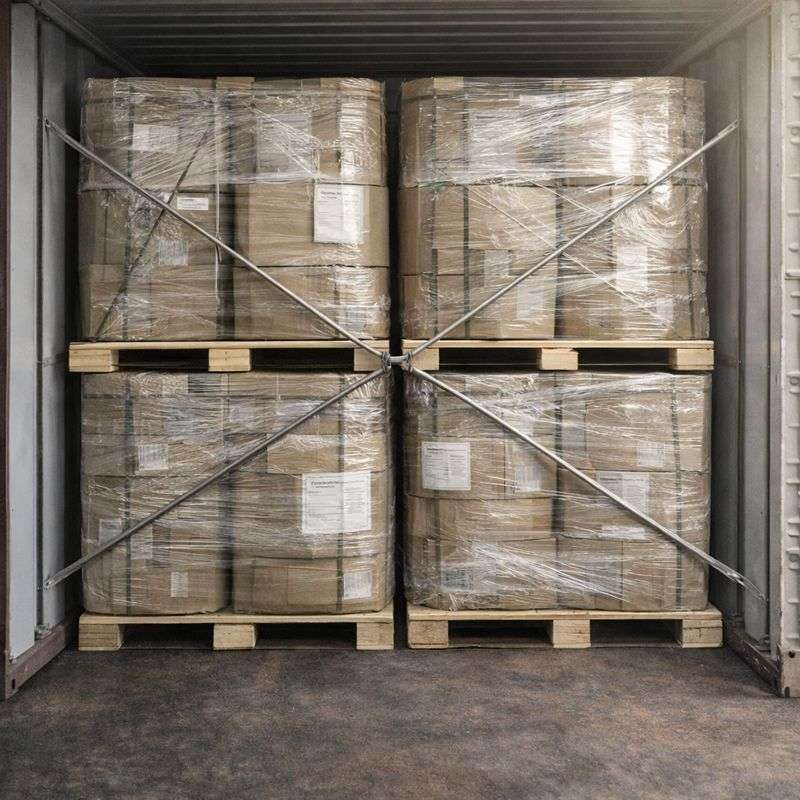
Supply, Documentation & Customization
Documents & Compliance
COA, SDS/MSDS, and TDS/spec sheet available based on product and market requirements.
Customization & Private Label
Custom packing, private label, and labeling support available depending on product type and order scope.
Commercial Support
Sample, lead time, and incoterm options can be discussed according to destination market and supply plan.
Why Source From Lifeworth
Specification and supply support
Clear communication on product specifications, documentation requirements and supply arrangements for commercial projects.
Sample and packaging support
Sample evaluation and packaging options can be discussed according to application and shipment requirements.
Technical documentation support
COA, TDS, SDS and related commercial documents can be provided according to project requirements.
Export supply experience
Support for international customers with product communication, shipment coordination and repeat-order planning.

FAQ
What is allulose powder commonly used for?
Allulose Powder is commonly used in reduced-sugar food and beverage formulations, including bakery mixes, powdered beverages, tabletop sweetener blends and other food applications.
Is allulose powder water soluble?
Yes, Allulose Powder is water soluble and is commonly used in beverage, bakery and other food formulations where dissolution performance is required.
What is the difference between allulose powder and allulose syrup?
Allulose Powder is a dry crystalline format suitable for applications requiring powder blending, storage convenience and solid ingredient handling. Allulose Syrup is generally selected for liquid formulations where direct incorporation into liquid systems is preferred.
Is allulose suitable for reduced-sugar formulations?
Yes, Allulose is commonly used in reduced-sugar food and beverage formulations where manufacturers require a sugar-like sweetness profile and alternative sweetener options.
Can you supply organic allulose?
Organic allulose supply may depend on certification availability, target market requirements and project specifications.
Is sample available?
Yes, samples can be provided for product evaluation and formulation testing before commercial purchasing decisions.
What documents can be provided?
COA, TDS, SDS and related product documents can be provided according to customer and regulatory requirements.
How should allulose powder be stored?
Allulose Powder should be stored in a cool, dry and sealed condition, protected from moisture, heat and direct sunlight.
Need more answers?
Explore our full FAQ library for documentation, compliance, shipping, and ordering guidelines.