
Antarctic Krill Oil
Lifeworth supplies Antarctic Krill Oil for supplement and formulation sourcing, with specification review focused on phospholipid content, EPA, DHA, astaxanthin, oxidation quality, source traceability and batch consistency.
- Antarctic Euphausia superba source
- Multiple phospholipid grade options
- EPA, DHA and astaxanthin specification review
- Oxidation QC and source-traceability review
- Samples and commercial bulk supply available
Tell us your application, target specification, and destination market so we can support grade selection, documentation review, and packaging recommendations.
Quick Specs
Identity
INCI Name
Alias
Molecular Weight
Quality
Assay
Grade
Handling
Appearance
Form
Solubility
Applications
Commercial Terms
MOQ
MOQ depends on packaging and specification.
Lead Time
3–7 working days for standard items; bulk orders by schedule.
Incoterms
EXW / FOB / CIF / DAP / DDP
Sample
Free sample (shipping charged)
Quality & Documents
COA (per batch) • SDS/MSDS • TDS/Spec sheet (on request). Additional statements depend on product and market.
Product Overview
Antarctic Krill Oil is a marine lipid ingredient derived from Euphausia superba and commercially supplied in grades differentiated mainly by phospholipid content together with associated EPA, DHA and astaxanthin specifications.
Buyers should compare phospholipid percentage together with omega-3 profile, astaxanthin level, oxidation parameters and source traceability rather than selecting a grade by phospholipid content alone.
It is mainly considered for softgel, liquid supplement and nutraceutical oil formulations, with evaluation samples, technical documents and commercial bulk supply available for sourcing qualification.
Applications
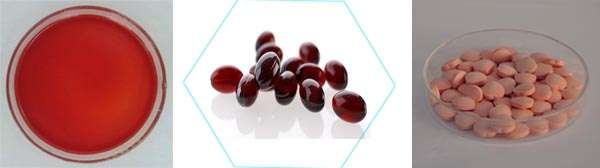
Antarctic Krill Oil is mainly selected for oil-based nutritional formulations requiring a defined phospholipid and omega-3 profile.
Softgel Supplements
Suitable for softgel formulations where phospholipid content, EPA, DHA, astaxanthin, oxidation stability and fill-oil handling are important.
Liquid Supplement Formulations
Can be evaluated for selected liquid nutritional systems where krill oil is incorporated directly into an oil phase or blended lipid system.
Nutraceutical Oil Blends
Suitable for formulations combining krill oil with other marine, algal or botanical oils where compatibility and oxidation stability should be evaluated.
Selected Nutraceutical Formulations
Can be considered for selected oil-based nutritional formulations where phospholipid grade, active profile, oxidation requirements and destination-market suitability have been confirmed.
Technical & Formulation Notes
Technical Notes
Antarctic Krill Oil should be evaluated as a multi-component marine lipid rather than by EPA and DHA alone.
Commercial grades may differ in phospholipid concentration, omega-3 profile, astaxanthin content, viscosity, color and oxidation status. A higher phospholipid percentage increases phospholipid concentration per unit of oil, but it should not automatically be interpreted as the best grade for every formulation.
Manufacturing & Process
Krill oil is obtained from Antarctic krill material through controlled lipid recovery and purification processes designed to concentrate and stabilize the marine oil fraction.
Processing and purification can influence phospholipid concentration, EPA and DHA profile, astaxanthin level, residual non-lipid components, color and oxidative stability.
For repeat commercial sourcing, the selected grade, source specification and key QC parameters should remain consistent between approved samples and later batches.
Compatibility / Formulation Notes
Antarctic Krill Oil should be evaluated as both a marine lipid ingredient and a formulation-sensitive oil system.
For Softgel Formulations
Review viscosity, fill-weight requirements, shell compatibility, oxidation control and interaction with other oil-soluble ingredients during pilot development.
For Oil Blends
Compatibility with fish oil, algal oil, botanical oils or other lipid ingredients should be evaluated according to the intended ratio and finished-product specification.
For Oxidation Control
Minimize unnecessary exposure to oxygen, elevated temperature and prolonged open handling. Antioxidant systems and protective packaging should be evaluated according to the selected formulation.
For Sensory Profile
Characteristic marine odor and color can vary between grades. Sensory suitability should be confirmed during finished-product development.
For Repeat Production
Once a grade is qualified, phospholipid level, EPA/DHA profile, astaxanthin, oxidation limits and key source parameters should remain consistent across later batches.
Extended QC & Test Items
Technical evaluation may include phospholipids, EPA, DHA, total omega-3, astaxanthin, moisture or volatile matter, peroxide value and other oxidation-related parameters.
Where required, additional review may include p-Anisidine value, TOTOX, heavy metals, environmental contaminants, residual solvents and source or traceability documentation.
Final acceptance limits should follow the selected product specification and batch COA.
Product specifications
| Test | Specification | Method |
|---|---|---|
| Source | Euphausia superba | Per specification |
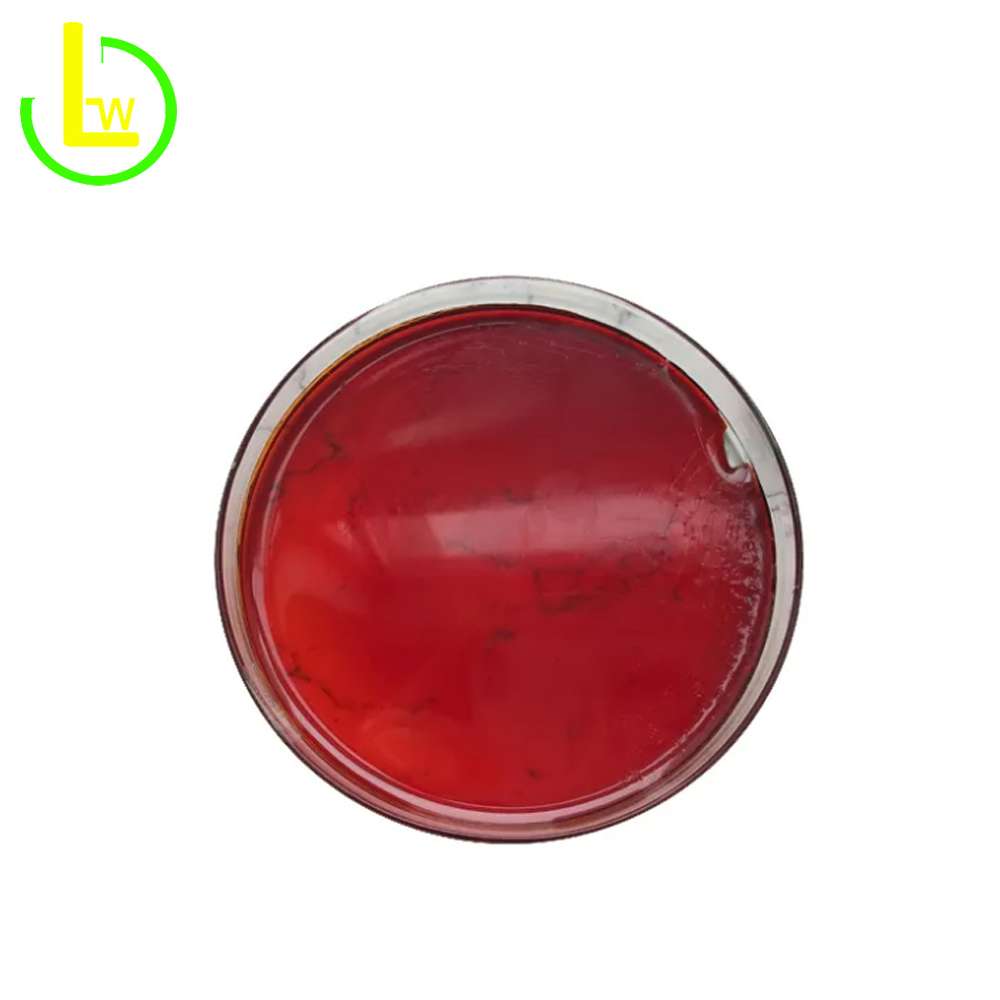
| Appearance | Dark red to reddish-brown oil, subject to grade | Visual |
| Phospholipids | According to selected specification | Per specification |
| EPA | According to selected specification | Per specification |
| DHA | According to selected specification | Per specification |
| Total Omega-3 | According to selected specification | Per specification |
| Astaxanthin | According to selected specification | Per specification |
| Peroxide Value | Per agreed specification | Per specification |
| p-Anisidine / TOTOX | Where applicable | Per agreed specification |
| Moisture / Volatile Matter | Per agreed specification | Per specification |
| Heavy Metals | Per agreed specification | Per specification |
| Environmental Contaminants | Per agreed specification | Per specification |
| Additional Oil-Quality QC | Per agreed specification | Per specification |
Storage, Shelf Life & Packaging
Storage
Store Antarctic Krill Oil in the original tightly sealed packaging under the storage conditions specified for the selected grade.
Protect the oil from excessive heat, direct light and unnecessary exposure to air during handling.
Where inert-gas protection or temperature-controlled storage is specified, the applicable handling requirements should follow the product TDS, batch label and shipment documentation.
Shelf Life
Shelf life should follow the confirmed product specification.
Packaging & Logistics
Antarctic Krill Oil can be supplied for technical evaluation, formulation trials and commercial bulk sourcing.
Sample Packing
Evaluation quantities can be arranged for phospholipid, EPA/DHA, astaxanthin and oxidation review before commercial approval.
Commercial Packing
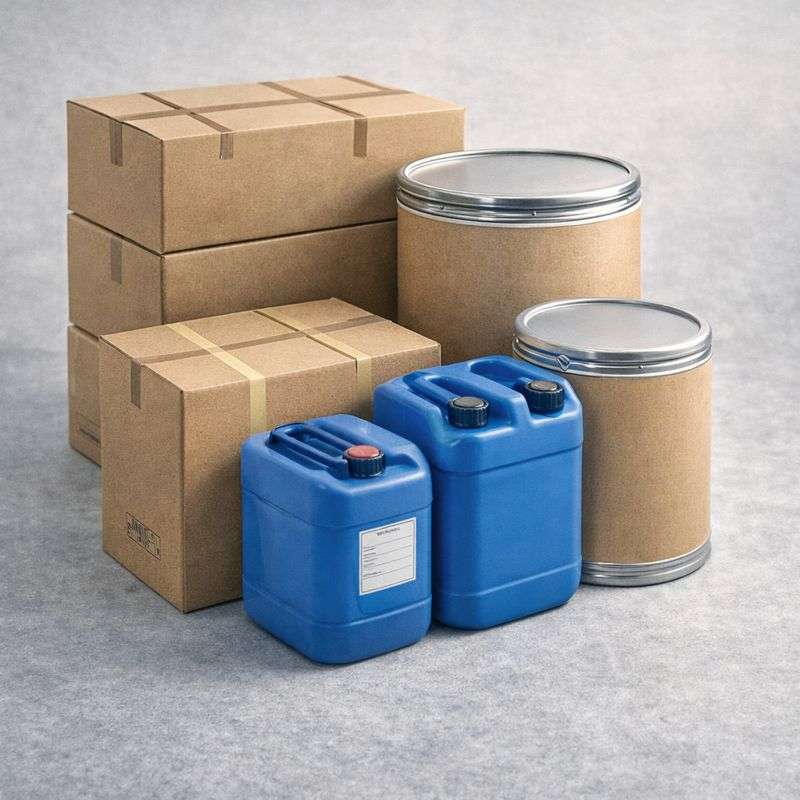
Bulk packing can be arranged according to selected oil grade, order quantity, storage requirements and transport conditions.
Grade Selection
PL20, PL30, PL40, PL45, PL48, PL56 and PL60 specifications can be reviewed together with the corresponding EPA, DHA, astaxanthin and oil-quality parameters, subject to actual grade availability.
Specification Customization
Selected assay targets, oxidation limits, packing format and additional QC requirements can be discussed according to actual production and testing capability.
Logistics & Documents
COA, SDS, TDS and relevant marine-source, traceability or technical documents can be coordinated according to the selected grade and destination.
Supply, Documentation & Customization
Documents & Compliance
COA, SDS/MSDS, and TDS/spec sheet available based on product and market requirements.
Customization & Private Label
Custom packing, private label, and labeling support available depending on product type and order scope.
Commercial Support
Sample, lead time, and incoterm options can be discussed according to destination market and supply plan.
Why Source From Lifeworth
Lifeworth supports Antarctic Krill Oil sourcing from initial grade comparison through sample qualification and commercial supply.
Phospholipid Grade Selection
PL grades can be reviewed according to actual formulation requirements rather than treated as a simple higher-is-better hierarchy.
Active-Profile Review
Phospholipids, EPA, DHA, total omega-3 and astaxanthin can be evaluated together before grade approval.
Oxidation & Batch QC
Oxidation parameters, contaminant requirements and key batch specifications can be reviewed as part of supplier qualification.
Source Traceability & Documentation
Species, origin, source documentation and applicable technical records can be reviewed according to the selected product.
Sample-to-Bulk Supply
Evaluation samples and later commercial quantities can be coordinated around the approved grade and specification.

FAQ
What is Antarctic Krill Oil?
Antarctic Krill Oil is a marine lipid ingredient derived from Euphausia superba and commercially characterized by phospholipids, EPA, DHA, astaxanthin and oil-quality parameters.
What is the main difference between Antarctic Krill Oil grades?
One of the main commercial differences is phospholipid concentration, but grades may also differ in EPA, DHA, astaxanthin, viscosity, oxidation parameters and other quality specifications.
Which phospholipid grade should I choose for my formulation?
The appropriate grade depends on target phospholipid concentration, EPA/DHA profile, astaxanthin level, viscosity, oxidation requirements and dosage-form design. Evaluation samples are recommended before commercial approval.
Is a higher phospholipid percentage always better?
Not necessarily. Higher phospholipid concentration provides more phospholipids per unit of oil, but the most suitable grade depends on the target formulation, active profile, oil handling, oxidation limits and commercial requirements.
What should I compare when sourcing bulk Krill Oil?
Compare phospholipid content, EPA, DHA, total omega-3, astaxanthin, oxidation parameters, marine source, contaminant limits, packaging, traceability and batch documentation.
What is the difference between Antarctic Krill Oil and Microencapsulated Krill Oil Powder?
Antarctic Krill Oil is supplied as an oil-based ingredient, while Microencapsulated Krill Oil Powder incorporates krill oil into a carrier system to create a dry powder format for applications requiring dry handling and blending.
Can I request a sample before bulk purchasing?
Yes. Evaluation samples can be arranged for specification review, formulation development and supplier qualification before commercial purchasing.
Need more answers?
Explore our full FAQ library for documentation, compliance, shipping, and ordering guidelines.