
Astaxanthin Oil
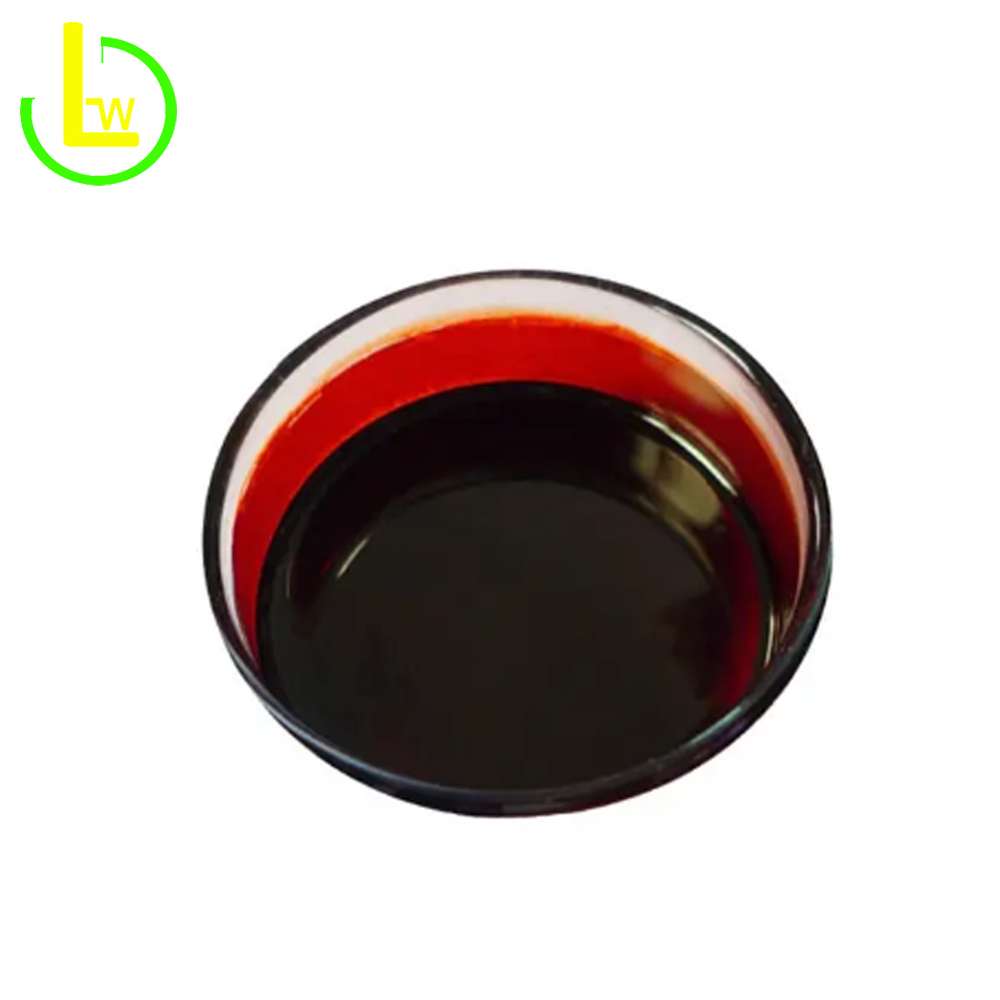
Astaxanthin Oil is a bulk-supply oil-soluble carotenoid ingredient available in standardized concentrations such as 10% and 20%. It is designed for supplement manufacturers, softgel producers, and formulators developing oil-based nutritional and cosmetic products.
Lifeworth supplies astaxanthin oil with technical documentation support, including COA, TDS and specification information for international B2B purchasing evaluation.
• 10% and 20% astaxanthin oil concentrations available for bulk supply.
• Natural oil-soluble astaxanthin ingredient for softgel and liquid supplement formulations.
• COA, TDS, SDS/MSDS and specification documents available for buyer evaluation.
• Carrier oil options including sunflower oil, olive oil and MCT oil depending on project requirements.
• Flexible sample support and export packaging solutions for international B2B customers.
Tell us your application, target specification, and destination market so we can support grade selection, documentation review, and packaging recommendations.
Quick Specs
Identity
Extraction Method
CAS Number
Molecular Formula
Molecular Weight
Quality
Assay
Grade
Standards
Assay Method
Enzyme Activity
Handling
Appearance
Form
Solubility
Applications
Commercial Terms
MOQ
MOQ depends on packaging and specification.
Lead Time
3–7 working days for standard items; bulk orders by schedule.
Incoterms
EXW / FOB / CIF / DAP / DDP
Sample
Free sample (shipping charged)
Quality & Documents
COA (per batch) • SDS/MSDS • TDS/Spec sheet (on request). Additional statements depend on product and market.
Product Overview
Astaxanthin Oil is an oil-based astaxanthin ingredient developed for manufacturers requiring lipid-compatible active ingredients. Compared with powder formats, the oil form is commonly selected for softgel capsule manufacturing, liquid nutrition products, and other oil-phase formulations where oil compatibility and dosage control are important.
For B2B buyers, key purchasing considerations include astaxanthin concentration, natural source, carrier oil compatibility, quality documentation and supply stability. Lifeworth supports supplement manufacturers, private label brands and contract manufacturers with bulk astaxanthin oil supply and technical document support for product development projects.
Astaxanthin oil is particularly suitable for oil-filled softgel applications because the oil-based delivery format allows easier incorporation into lipid systems and helps manufacturers develop consistent dosage forms for nutritional supplement products.
Applications
Dietary Supplements:
Astaxanthin oil is widely used as an active ingredient in dietary supplement formulations, including softgel capsules, liquid supplements and oil-based nutritional products.
Softgel Capsule Manufacturing:
The oil-based format of astaxanthin oil provides good compatibility with lipid-based delivery systems, making it suitable for oil-filled softgel production and dosage-controlled supplement formulations.
Functional Nutrition:
Astaxanthin oil can be incorporated into liquid nutrition products and other oil-based functional formulations where ingredient compatibility and concentration control are important.
Cosmetic Formulations:
As an oil-soluble carotenoid ingredient, astaxanthin oil can be used in selected cosmetic formulations such as facial oils, serums and other oil-compatible skincare products.
How to Choose the Right Grade / Form
Choose the right astaxanthin oil grade based on your formulation target, dosage requirements and product positioning — not simply because a higher percentage appears better.
## 10% Astaxanthin Oil may be suitable when:
• The project requires a balanced commercial formulation option.
• The product has sufficient fill volume flexibility.
• The formulation requires easier dosage adjustment and blending flexibility.
• The buyer is optimizing cost balance for larger-scale production.
• The project is in pilot development or market testing stage.
## 20% Astaxanthin Oil may be suitable when:
• Higher active concentration is required with a smaller oil volume.
• The formulation is designed for premium softgel products with limited capsule fill space.
• The product positioning focuses on concentrated active delivery.
• The manufacturer wants a more concentrated oil format for efficient formulation design.
## Quick Buying Logic
Before selecting an astaxanthin oil grade, buyers should consider:
• Is the product a softgel capsule, liquid supplement or another oil-based formulation?
• What is the target astaxanthin dosage per serving?
• Is the project more sensitive to cost, fill volume, or concentrated active content?
• What carrier oil and formulation system are required?
• Is natural source documentation or specific regulatory support required for the destination market?
Technical & Formulation Notes
Technical Notes
Technical overview: Astaxanthin Oil is a fat-soluble carotenoid ingredient supplied in stabilized oil systems for supplement, nutraceutical and cosmetic formulation projects. Commercial specifications are typically standardized by astaxanthin concentration, such as 10% and 20%.
Assay method alignment: Astaxanthin content can be evaluated by agreed analytical methods such as HPLC or UV depending on specification requirements.
Compliance: Product specifications, documentation and regulatory requirements should be confirmed according to the target market and application.
Manufacturing & Process
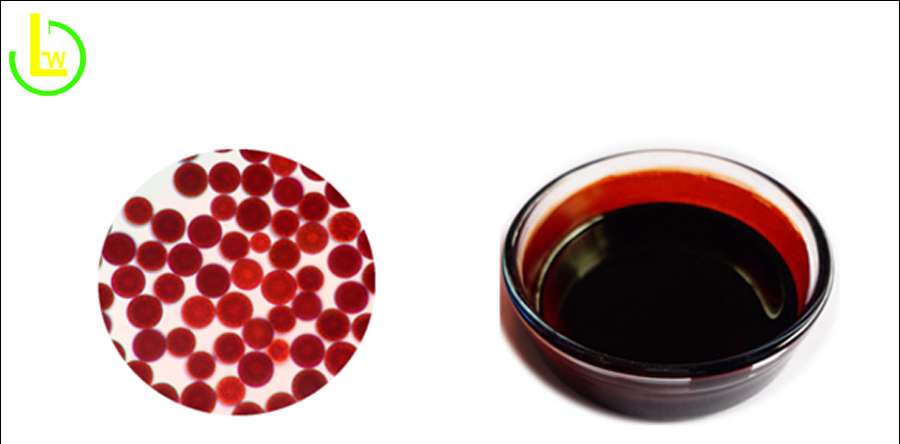
Process overview: Natural astaxanthin oil production typically involves Haematococcus pluvialis cultivation, biomass harvesting, extraction, purification, concentration and blending with carrier oils to achieve the required astaxanthin potency (10% / 20%).
The final oil system is processed with appropriate protection measures to maintain product stability during storage and transportation.
Compatibility / Formulation Notes
10% vs 20% selection: 20% astaxanthin oil is commonly selected for higher potency softgel applications where a smaller fill volume and concentrated formulation are preferred. 10% astaxanthin oil is often selected for standard softgel formulations, liquid supplements and larger-volume blending projects.
Softgel formulation consideration: Astaxanthin oil is widely used in oil-filled softgel capsule manufacturing because its lipid-based format provides good compatibility with softgel delivery systems. Selection of concentration, carrier oil and dosage level should be aligned with capsule size, target serving size and production requirements.
Carrier oil selection: Carrier oils such as sunflower oil, olive oil or MCT oil can be discussed according to formulation requirements, stability considerations and production compatibility.
For specification recommendations, buyers are encouraged to provide the target dosage form, softgel requirements, application and market requirements.
Extended QC & Test Items
Typical QC per batch:
• Astaxanthin assay according to agreed analytical method (HPLC or other validated method)
• Appearance and color
• Identity confirmation
• Physical parameters relevant to oil systems
• Packaging integrity inspection
• Stability and storage condition guidance
Product specifications
| Test | Specification | Method |
|---|---|---|
| Assay (Astaxanthin) | 10% / 20% (other specs on request) | UV or HPLC (per spec) |
| CAS No. | 472-61-7 | - |
| Molecular Formula / Weight | C40H52O4 / 596.84 g/mol | - |
| Appearance | Deep red to dark red oil | Visual |
| Solubility | Oil soluble | - |
| Storage & Shelf Life | Store cool, dry, protect from light; keep tightly sealed. Typical 24 months (sealed). Refer to COA/TDS for lot-specific guidance. | - |
Storage, Shelf Life & Packaging
Storage
Store in a cool, dry place, away from direct sunlight, heat, and moisture. Keep the container tightly sealed and minimize air exposure after opening. For best stability, use light-protective packaging and avoid repeated temperature cycling during handling and transportation.
Shelf Life
Typically 24 months from the manufacturing date when stored in the original, unopened packaging under recommended conditions. Shelf life may vary by specification and packaging format; batch-specific shelf-life information is provided on the COA/TDS.
Packaging & Logistics
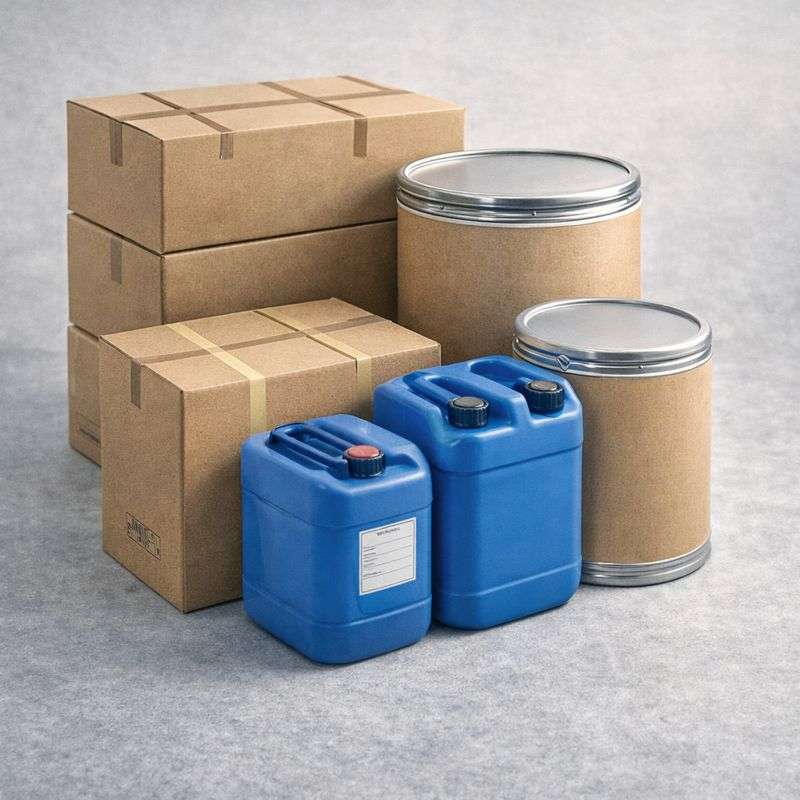
Packaging options: export-ready cartons/pails/drums based on order volume and stability requirements.
Protection: light/oxygen protection options (inner liner, sealing) available as applicable.
Samples: sealed sample packing available for evaluation.
Supply, Documentation & Customization
Documents & Compliance
COA, SDS/MSDS, and TDS/spec sheet available based on product and market requirements.
Customization & Private Label
Custom packing, private label, and labeling support available depending on product type and order scope.
Commercial Support
Sample, lead time, and incoterm options can be discussed according to destination market and supply plan.
Why Source From Lifeworth
Commercial assay options for real formulation decisions
We support multiple concentration options so buyers can choose a grade based on dosage design, fill volume, and application logic rather than a one-size-fits-all offer.
Source-aware supply communication
For projects that care about fermentation-derived or microalgae-derived positioning, we help align the sourcing discussion with commercial expectations and market direction.
Document-ready support for evaluation
COA, SDS-MSDS, and TDS support help streamline supplier screening, internal review, and project qualification.
Bulk-supply mindset
This product is positioned for manufacturers, formulators, and sourcing teams that need dependable communication on specification, packaging, and export coordination.
Suitable for repeat-order projects
Long-term procurement depends on clarity, consistency, and manageable logistics, not only on quotation speed.

FAQ
Q1: Do you supply astaxanthin oil 10% and 20% in bulk?
A:
Yes. Lifeworth supplies bulk astaxanthin oil in 10% and 20% concentrations for supplement manufacturers, softgel producers and formulation projects. Additional specifications can be discussed based on application requirements and project needs.
Q2: What technical documents are available for astaxanthin oil?
A:
We provide COA for each batch of astaxanthin oil. TDS, SDS/MSDS and specification documents are available upon request. Additional documentation or product statements can be prepared according to customer requirements and target market regulations.
Q3: What assay method is used for astaxanthin oil?
A:
Astaxanthin content can be tested according to agreed analytical requirements. HPLC is commonly used for active ingredient analysis, while other validated methods may be applied depending on specification agreements and customer requirements.
Q4: Is astaxanthin oil suitable for softgel capsule manufacturing?
A:
Yes. Astaxanthin oil is commonly used for softgel capsule formulations because the oil-based format provides good compatibility with lipid-based delivery systems. It is widely selected by supplement manufacturers developing oil-filled softgel products.
Q5: Is your astaxanthin oil natural?
A:
Our astaxanthin oil is available from natural Haematococcus pluvialis sources. Source information and product specifications can be confirmed according to customer project requirements.
Q6: Can the carrier oil be customized?
A:
Yes. Carrier oil options such as sunflower oil, olive oil or MCT oil can be discussed according to formulation requirements, stability considerations and production compatibility.
Q7: What packaging options are available for bulk astaxanthin oil?
A:
Packaging depends on order quantity, transportation requirements and product stability considerations. Common options include bottles, pails, drums and customized export packaging solutions.
Q8: Can I request an astaxanthin oil sample before placing a bulk order?
A:
Yes. Samples are available for product evaluation. Customers only need to cover the shipping cost, and technical documents can be provided for review during the evaluation process.
Q9: What is the MOQ for bulk astaxanthin oil orders?
A:
MOQ depends on product specifications, packaging requirements and order volume. Lifeworth supports sample evaluation, trial orders and bulk supply solutions for international customers.
Q10: What applications can astaxanthin oil be used for?
A:
Astaxanthin oil is commonly used in dietary supplements, softgel capsules, liquid nutrition products, oil-based functional formulations and selected cosmetic applications where oil compatibility is required.
Need more answers?
Explore our full FAQ library for documentation, compliance, shipping, and ordering guidelines.