
Adenosylcobalamin Powder
Lifeworth supplies adenosylcobalamin powder for buyers reviewing ingredient identity, assay, combination-formulation strategy, low-dose handling, protective packing and batch documentation.
- High-purity adenosylcobalamin powder
- Also supplied under the cobamamide or coenzyme B12 naming system
- Suitable for combination-B12 and specialty nutrition formulations
- Batch COA, SDS/MSDS and TDS support
- Evaluation samples and international bulk supply
Tell us your application, target specification, and destination market so we can support grade selection, documentation review, and packaging recommendations.

Quick Specs
Identity
INCI Name
CAS Number
Molecular Formula
Molecular Weight
Quality
Assay
Grade
Standards
Assay Method
Handling
Appearance
Form
Solubility
Applications
Commercial Terms
MOQ
MOQ depends on packaging and specification.
Lead Time
3–7 working days for standard items; bulk orders by schedule.
Incoterms
EXW / FOB / CIF / DAP / DDP
Sample
Free sample (shipping charged)
Quality & Documents
COA (per batch) • SDS/MSDS • TDS/Spec sheet (on request). Additional statements depend on product and market.
Product Overview
Adenosylcobalamin powder is a specialty coenzyme form of vitamin B12 commonly reviewed for combination-B12 supplements, professional nutrition systems and differentiated formulation projects.
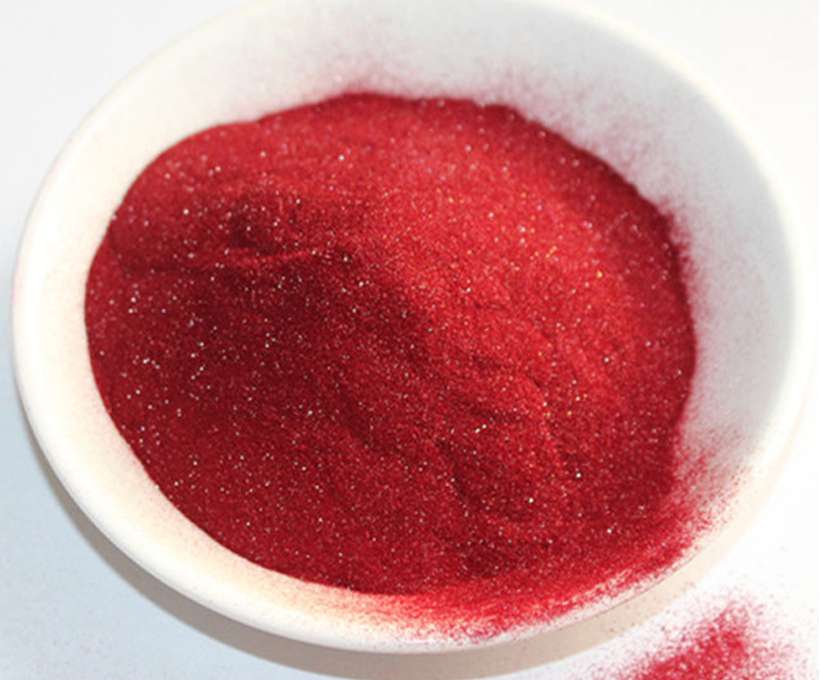
It is typically supplied as a high-purity red crystalline powder, and buyers usually confirm ingredient naming, assay basis, related-substance controls, protective packing and compatibility with the intended multi-form B12 strategy before technical or commercial evaluation.
It is commonly considered for capsules, tablets, specialty powder blends and formulas combining Methylcobalamin with Adenosylcobalamin, with sample evaluation, batch documentation and bulk supply support available for sourcing reference.
Comparison
| Criteria | Adenosylcobalamin | Methylcobalamin |
|---|---|---|
| Core role | Commonly positioned as a specialty coenzyme vitamin B12 form for combination-B12 supplements, professional nutrition, and differentiated multi-form formulation projects. | Commonly positioned as a methylated active vitamin B12 form for premium supplements, sublingual products, gummies, and other higher-value nutrition concepts. |
| Best for | Projects that use Adenosylcobalamin as a defined component within a combination or multi-form B12 system and require clear control of ingredient identity, potency, ratio, and documentation. | Projects that use Methylcobalamin as the principal active-form B12 and require premium label positioning, dosage-form flexibility, and practical use across capsules, tablets, gummies, and powder blends. |
| Formulation focus | Usually reviewed for its intended role alongside Methylcobalamin or other B12 forms, low-dose distribution, combination ratio, independent material control, and finished-product verification. | Usually reviewed for light sensitivity, moisture control, dosage-form compatibility, processing exposure, package size, and finished-product stability. |
| Buyer review focus | Buyers usually review exact product naming, CAS and specification alignment, assay basis, related substances, combination-B12 strategy, pack size, and analytical document scope. | Buyers usually review assay and standard alignment, light-protective packing, storage requirements, dosage-form suitability, expected consumption rate, and batch documentation. |
Applications
Combination-B12 Supplements
Adenosylcobalamin is commonly considered for formulas combining more than one vitamin B12 form, particularly projects using both Methylcobalamin and Adenosylcobalamin. The commercial value of these formulations comes from a clearly defined multi-form concept, so the role, potency and proportion of each B12 ingredient should be established before scale-up.
Professional Nutrition Capsules and Tablets
It may be used in specialty capsules and tablets developed for professional nutrition, practitioner-oriented brands and differentiated supplement systems. These projects generally place greater emphasis on ingredient identity, batch documentation, low-dose control and product-positioning clarity than conventional broad-market B12 products.
Specialty Powder Blends and Premixes
Adenosylcobalamin can be evaluated for sachets, specialty powder blends and customized vitamin premixes where accurate distribution of a high-value, low-dose ingredient is required. Controlled dilution, suitable premixing and analytical verification are important for achieving consistent batch uniformity.
Multi-Form B12 Development Projects
The ingredient may also be considered in development projects comparing Cyanocobalamin, Methylcobalamin, Hydroxocobalamin and Adenosylcobalamin within one product system. Buyers should define whether each form serves a distinct formulation, labeling or commercial purpose rather than adding multiple B12 forms without a clear technical rationale.
How to Choose the Right Grade / Form
Confirm the Exact Ingredient Identity
Confirm whether the required material is specified as Adenosylcobalamin, Cobamamide, Coenzyme B12 or another accepted naming form. The product name, CAS number, assay basis and wording on the COA and TDS should be aligned before quotation and document approval.
Define the Combination-B12 Strategy
Where Adenosylcobalamin will be combined with Methylcobalamin or another B12 form, define the target potency and proportion of each ingredient before selecting a raw material. The purchasing specification should support the actual formulation plan rather than relying only on a total vitamin B12 claim.
Review Assay and Quality Controls
Confirm the required assay, identification method, related-substance limits and any additional quality requirements. Broad terms such as pharm grade or compendial grade should not replace a review of the actual test items and limits shown in the supplier specification.
Confirm Packing and Document Requirements
Provide the expected consumption rate, preferred pack size, destination country and required documentation. This helps determine whether the available packing, storage instructions and qualification documents are suitable for the project.
Technical & Formulation Notes
Technical Notes
Adenosylcobalamin should be evaluated as a distinct coenzyme B12 ingredient rather than as a generic substitute for Methylcobalamin or Cyanocobalamin. Technical review should confirm the exact ingredient name used on the specification, assay basis, identification method, impurity profile, storage requirements and intended role within the finished formulation.
Manufacturing & Process
The exact manufacturing route, purification process, starting-material information and production-origin documentation depend on the selected manufacturer. Supplier qualification should therefore rely on the applicable COA, TDS, process statement and supporting documents rather than assumptions based only on the terms Adenosylcobalamin, Cobamamide or Coenzyme B12.
Adenosylcobalamin vs Methylcobalamin
Adenosylcobalamin Powder
Adenosylcobalamin is commonly selected as a specialty coenzyme B12 component in combination or multi-form formulations. Purchasing and formulation review should focus on identity, assay basis, intended ratio, low-dose distribution and the technical role assigned to the ingredient within the final product.
Methylcobalamin Powder
Methylcobalamin is more commonly positioned as the principal active-form B12 in premium capsules, sublingual tablets, gummies and specialty supplement products. Its review generally places greater emphasis on photostability, dosage-form suitability, pack-size planning and finished-product stability.
Selection Principle
The two ingredients should not be treated as interchangeable simply because both are active coenzyme forms of vitamin B12. The correct choice depends on whether the product is designed around a single methylated B12 form or a deliberate combination-B12 concept.
Compatibility / Formulation Notes
For Combination-B12 Formulas
Define the purpose and target ratio of Adenosylcobalamin and Methylcobalamin before formulation. Each raw material should be weighed, recorded and controlled independently so that the intended multi-form composition can be verified during production.
For Capsules and Tablets
Because Adenosylcobalamin is normally used at a low inclusion level, controlled dilution and premixing are important before final blending. Content uniformity should be evaluated using a sampling and analytical plan appropriate to the finished dosage form.
For Powder Blends and Sachets
Review particle distribution, mixing sequence, interaction with minerals or other vitamins, moisture exposure and pack-barrier performance. A carrier or intermediate premix may be required where direct addition creates a risk of segregation or inconsistent distribution.
Light and Heat Exposure
Unnecessary exposure to light and elevated temperature should be minimized during sampling, weighing, premixing and production. Production teams should plan material transfer and holding times so the ingredient is not left exposed longer than necessary.
Finished-Product Verification
Raw-material assay does not confirm the final potency or ratio of individual B12 forms after processing. Combination-B12 products should be supported by appropriate pilot testing, stability evaluation and finished-product analytical verification.
Extended QC & Test Items
Depending on the agreed specification, batch review may include appearance, identification, assay, loss on drying or moisture, related substances, residual solvents, elemental impurities and microbiological quality where applicable. For combination-B12 projects, buyers should also confirm how the raw material will be identified and controlled separately from other vitamin B12 forms used in the same formulation.
Product specifications
| Test | Specification | Method |
|---|---|---|
| Assay (Adenosylcobalamin) | 99% | HPLC |
| Appearance | Red crystalline powder | Visual |
| Solubility | Water-soluble | Typical |
| Loss on drying | Meets agreed limits | As per spec |
| Heavy metals | Meets agreed limits | ICP-MS |
| Microbial limits | Meets agreed limits | As per spec |
Storage, Shelf Life & Packaging
Storage
Storage
Store at 2–8°C in tightly sealed, light-protective containers. Protect from moisture, heat, direct sunlight, and unnecessary air exposure during storage and transportation.
Handling Note
Because adenosylcobalamin is a high-value and light- and heat-sensitive vitamin ingredient, storage control, moisture protection, and package integrity should be maintained throughout warehousing and internal handling.
Shelf Life
Shelf life should follow the agreed specification and original packing condition. Batch label, storage compliance, and package integrity should be checked before use.
Packaging & Logistics
Standard Packing
To better support light protection, moisture control, and high-value raw-material handling, adenosylcobalamin powder is commonly packed in 100 g, 500 g, and 1 kg sealed aluminum tins.
Sample Packing
Small evaluation packs can be arranged for technical review, formulation screening, and sourcing assessment.
Bulk Supply
Commercial supply can be arranged according to the required quantity and shipment plan, with packing format confirmed based on product scope, handling needs, and destination-market requirements.
Logistics & Documents
COA, SDS/MSDS, and TDS/specification sheet can be arranged according to the agreed supply plan. For higher-value vitamin projects, package integrity and light-protection control should be confirmed before shipment.

Supply, Documentation & Customization
Documents & Compliance
COA, SDS/MSDS, and TDS/spec sheet available based on product and market requirements.
Customization & Private Label
Custom packing, private label, and labeling support available depending on product type and order scope.
Commercial Support
Sample, lead time, and incoterm options can be discussed according to destination market and supply plan.
Why Source From Lifeworth
Combination-B12 Selection Support
We help buyers distinguish the roles of Adenosylcobalamin, Methylcobalamin, Cyanocobalamin and other B12 forms so that each ingredient is selected according to formulation purpose rather than terminology alone.
Identity and Specification Review
Ingredient naming, CAS information, assay basis, quality limits and document wording are reviewed before quotation, helping reduce confusion between different commercial names and specifications.
Low-Dose Supply Planning
Sample size, commercial pack size and expected usage can be reviewed together to support controlled weighing, premixing and inventory management for a high-value, low-dose material.
Documentation and Export Coordination
Batch documentation, sample coordination, protective packing and international shipping options can be arranged according to the buyer’s qualification process, order quantity and destination.

FAQ
Is Adenosylcobalamin the same as Cobamamide?
Cobamamide is commonly used as an alternative commercial name for Adenosylcobalamin or Coenzyme B12. Buyers should still confirm that the product name, CAS number, assay basis and specification shown on the COA match their technical and regulatory requirements.
What is the difference between Adenosylcobalamin and Methylcobalamin?
Both are coenzyme forms of vitamin B12, but they often serve different commercial and formulation roles. Methylcobalamin is frequently positioned as the main active-form B12, while Adenosylcobalamin is commonly considered as a specialty component in combination or multi-form B12 formulas.
Can Adenosylcobalamin and Methylcobalamin be used together?
They may be considered together in combination-B12 products. The formulation team should define the intended potency, ratio, label presentation, manufacturing controls and analytical verification for each B12 form before commercial production.
What dosage forms can Adenosylcobalamin Powder be used in?
It is commonly evaluated for capsules, tablets, specialty powder blends, vitamin premixes and professional nutrition formulations. Final suitability depends on dosage level, formulation design, processing conditions and finished-product stability.
Is protective packaging important?
Yes. Suitable sealed packaging and controlled handling help reduce exposure to light, moisture and heat during transportation, storage and production. Pack size should be selected according to expected consumption after opening.
What information is required for a quotation?
Please provide the intended application, required product name and specification, expected quantity, preferred pack size, combination-B12 plan, destination country and required documents. This information allows us to confirm identity, availability, packing, lead time and shipment options.
Need more answers?
Explore our full FAQ library for documentation, compliance, shipping, and ordering guidelines.