
Behentrimonium Methosulfate (BTMS)
BTMS is supplied as a cosmetic conditioning raw material system with multiple grade options, physical forms, and bulk supply support for global conditioner, shampoo bar, and hair care formulation manufacturers.
• BTMS-25, BTMS-50 and BTMS-80 grade options available
• Flakes and pellet forms available according to specification requirements
• Bulk BTMS supply for cosmetic manufacturers and formulation projects
• COA, TDS, SDS/MSDS and export documentation support available
Tell us your application, target specification, and destination market so we can support grade selection, documentation review, and packaging recommendations.
Quick Specs
Identity
INCI Name
Alias
CAS Number
Molecular Formula
Molecular Weight
Quality
Assay
Grade
Standards
Assay Method
Handling
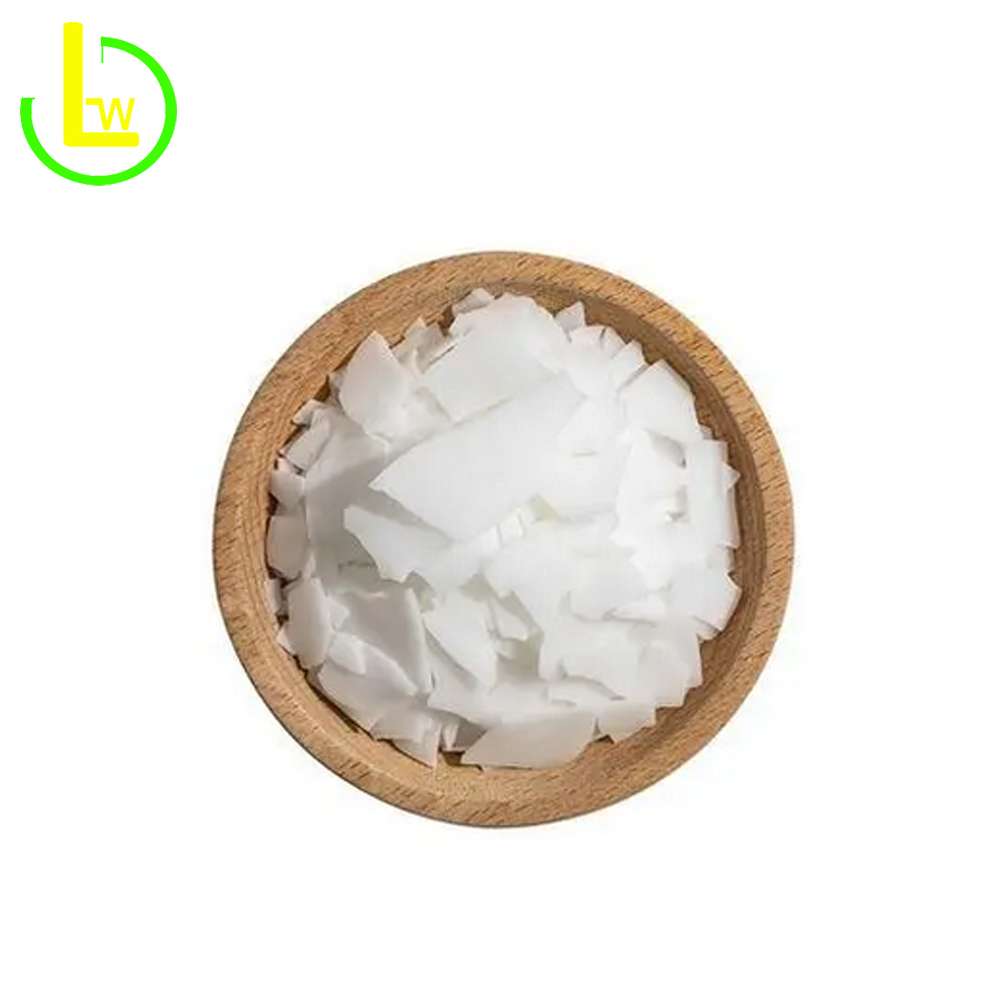
Appearance
Form
Solubility
Applications
Commercial Terms
MOQ
MOQ depends on packaging and specification.
Lead Time
3–7 working days for standard items; bulk orders by schedule.
Incoterms
EXW / FOB / CIF / DAP / DDP
Sample
Free sample (shipping charged)
Quality & Documents
COA (per batch) • SDS/MSDS • TDS/Spec sheet (on request). Additional statements depend on product and market.
Product Overview
Behentrimonium Methosulfate (BTMS) is a cosmetic conditioning raw material system commonly used in hair care and personal care formulation applications.
It is supplied as a solid conditioning ingredient with different grade options including BTMS-25, BTMS-50 and BTMS-80, and buyers typically review active content, composition profile, physical form, formulation compatibility, and bulk supply capability before technical or commercial evaluation.
It is commonly considered for conditioner formulations, shampoo bars, conditioner bars, hair masks, and solid hair care products, with grade selection support, COA, TDS, SDS/MSDS and bulk sourcing assistance available for procurement reference.
Applications
BTMS is widely used as a conditioning ingredient in rinse-off and leave-on conditioner formulations where conditioning performance, hair feel, combability, and formulation texture are important considerations. Different BTMS grades can be selected according to the desired conditioning level and final product design.
For shampoo bars and conditioner bars, BTMS is commonly evaluated as a solid hair care ingredient due to its solid form and conditioning functionality. It is suitable for low-water and solid formulation systems where ingredient structure, processing behavior, and final product hardness need to be considered.
BTMS is also used in hair masks and treatment products where formulators require conditioning raw materials to improve product texture, application feel, and overall hair care performance.
For cosmetic manufacturers, OEM/ODM companies, and private label hair care projects, BTMS provides a flexible conditioning ingredient option with different grade choices, physical forms, and specification support according to formulation requirements.
How to Choose the Right Grade / Form
BTMS grade selection mainly depends on Behentrimonium Methosulfate content, composition profile, formulation structure, processing conditions, dosage strategy, and final product requirements.
BTMS-25 is commonly selected for formulations requiring balanced conditioning properties and specific texture characteristics. It may be considered for conditioner systems and personal care formulations where moderate conditioning performance and formulation balance are required.
BTMS-50 is one of the most commonly used BTMS grades for hair care formulations. It is frequently evaluated in conditioners, hair masks, and solid hair care products where higher active conditioning content and stronger conditioning performance are desired.
BTMS-80 represents a higher active BTMS grade with a higher proportion of Behentrimonium Methosulfate. It may be considered for formulations requiring higher active conditioning content, different dosage strategies, or specific formulation targets.
BTMS-25, BTMS-50, and BTMS-80 are selected according to formulation requirements rather than one grade being universally better. The suitable grade depends on the desired conditioning profile, composition system, processing method, and final product performance requirements.
Technical & Formulation Notes
Technical Notes
Behentrimonium Methosulfate (BTMS) is a cationic conditioning ingredient widely used in cosmetic hair care systems where conditioning performance, texture, and formulation compatibility are important considerations.
In cosmetic ingredient sourcing, BTMS commonly refers to commercial conditioning systems based on Behentrimonium Methosulfate rather than one single fixed composition.
Manufacturing & Process
BTMS products may contain different ratios of Behentrimonium Methosulfate combined with fatty alcohol components or other compatible ingredients according to the intended formulation application.
Common composition systems may include Behenyl Alcohol, Cetearyl Alcohol, or Cetyl Alcohol, which can influence formulation texture, processing behavior, and conditioning characteristics.
Grade & Physical Form Options
BTMS grades are selected according to Behentrimonium Methosulfate content, composition profile, physical form, and final formulation requirements.
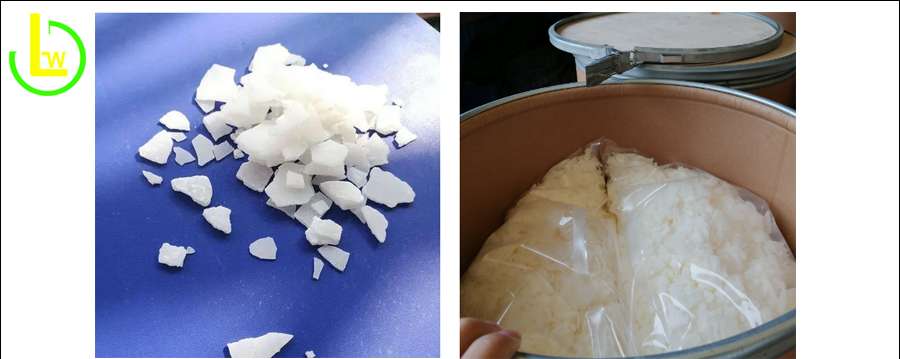
Available grade systems include BTMS-25, BTMS-50 and BTMS-80. BTMS is commonly supplied in solid forms including flakes and pellets depending on handling preference and production requirements.
Compatibility / Formulation Notes
For conditioner systems, BTMS should be evaluated together with oils, fatty alcohols, emulsifiers, and other conditioning ingredients to achieve the desired texture, stability, and conditioning profile.
For shampoo bars and conditioner bars, formulators should consider melting behavior, processing temperature, ingredient dispersion, hardness, and final product stability during product development.
For cosmetic emulsion systems, compatibility testing is recommended to confirm viscosity, texture, stability, and interaction with other formulation components. Compatibility with other cationic, nonionic, and conditioning ingredients should be evaluated according to the final formulation design.
For scale-up production, pilot testing is recommended before commercial manufacturing to confirm processing conditions, batch consistency, and finished product performance.
Extended QC & Test Items
Quality evaluation may include appearance, identification, active content, moisture-related parameters, composition review, and batch documentation.
Specifications can be discussed according to formulation requirements, destination market expectations, and customer quality standards.
Product specifications
| Test | Specification | Method |
|---|---|---|
| Appearance | White to off-white flakes / pellets / per spec | Visual |
| Grade | BTMS-25 / BTMS-50 / BTMS-80 as agreed | Reference |
| Product Form | Flake / pellet / solid form | Visual / reference |
| Odor | Characteristic | Sensory |
| Active Basis | As agreed specification | Per spec |
| Application Review | Per agreed specification | Internal evaluation |
| Documents | COA per batch; SDS/MSDS and TDS/spec sheet on request | Reference |
Storage, Shelf Life & Packaging
Storage
Store BTMS in a cool, dry place with the container tightly sealed.
Protect the material from moisture, excessive heat, and direct sunlight.
Shelf life depends on packaging condition and recommended storage environment.
Shelf Life
Shelf life should be confirmed according to the specific batch, supplied grade, and packaging format.
Refer to the COA, product label, or specification sheet for the declared shelf-life period of the supplied lot.
Packaging & Logistics
BTMS is available for sample evaluation and commercial bulk supply requirements.
Sample Packing
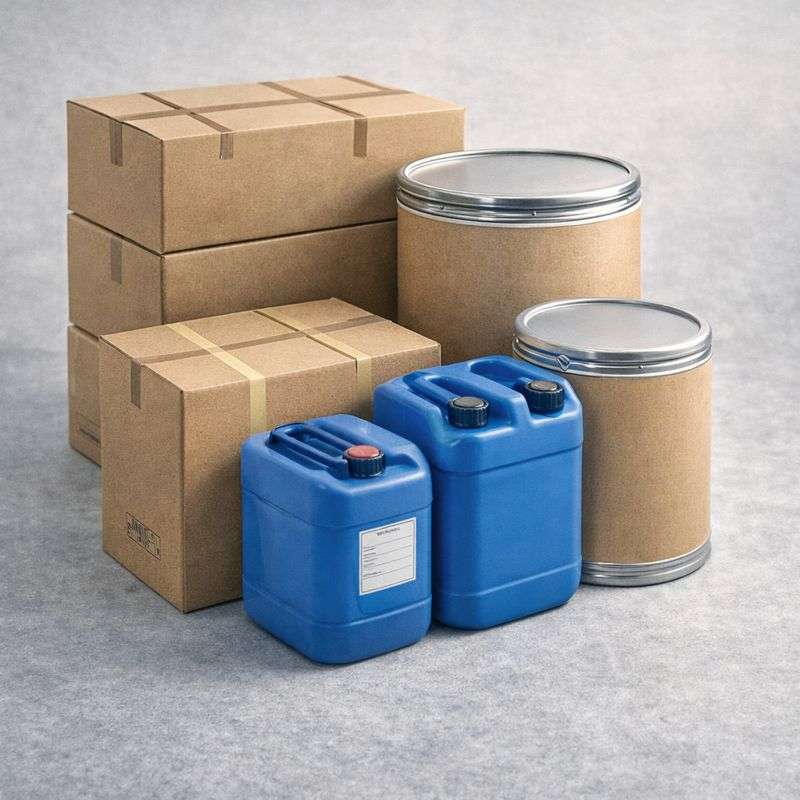
1 x 1 kg or small evaluation pack; shipping charged.
Mid-Size Packing
5 kg or 10 kg packing can be discussed according to project and order arrangement.
Bulk Packing
Normally 25 kg/drum, carton, or other standard export packing according to grade and shipment plan.
BTMS grade selection, composition requirements, physical form preference, and documentation needs can be reviewed according to specific project requirements.
COA, TDS, SDS/MSDS, and related export documents can be provided for technical evaluation, quality review, and commercial sourcing.
Supply, Documentation & Customization
Documents & Compliance
COA, SDS/MSDS, and TDS/spec sheet available based on product and market requirements.
Customization & Private Label
Custom packing, private label, and labeling support available depending on product type and order scope.
Commercial Support
Sample, lead time, and incoterm options can be discussed according to destination market and supply plan.
Why Source From Lifeworth
Lifeworth supports BTMS sourcing with clear specification communication, multiple grade selection support, batch documentation assistance, and flexible supply options for cosmetic formulation projects.
Customers can review BTMS options according to application requirements, production needs, and commercial supply expectations.

FAQ
What is Behentrimonium Methosulfate (BTMS)?
Behentrimonium Methosulfate (BTMS) is a cosmetic conditioning ingredient commonly used in hair care formulations such as conditioners, hair masks, shampoo bars, and conditioner bars. It is valued for its conditioning functionality and compatibility with various hair care systems.
Is BTMS the same as Behentrimonium Methosulfate?
BTMS commonly refers to commercial conditioning ingredient systems based on Behentrimonium Methosulfate. Depending on the grade, BTMS may also contain fatty alcohol components or other compatible ingredients to achieve different formulation characteristics.
What are BTMS-25, BTMS-50, and BTMS-80?
BTMS-25, BTMS-50, and BTMS-80 refer to different BTMS grade systems with different Behentrimonium Methosulfate content levels and composition characteristics. The suitable grade depends on formulation requirements, desired conditioning performance, dosage strategy, and final product design.
What is the difference between BTMS-25 and BTMS-50?
BTMS-25 and BTMS-50 mainly differ in active conditioning content and formulation characteristics. BTMS-50 is commonly selected for stronger conditioning systems, while BTMS-25 may be considered for formulations requiring a different balance between conditioning performance and texture.
Is BTMS suitable for shampoo bars and conditioner bars?
Yes. BTMS is widely evaluated for solid hair care products including shampoo bars and conditioner bars due to its solid form, conditioning functionality, and compatibility with low-water formulation systems.
What physical forms of BTMS are available?
BTMS is commonly supplied in solid forms including flakes and pellets. The suitable physical form depends on handling preference, processing requirements, and supplier specification.
Can BTMS be supplied in bulk quantities?
Yes. Bulk BTMS supply is available for cosmetic manufacturers, OEM/ODM companies, contract manufacturers, and formulation companies. Packaging, MOQ, specifications, and documentation can be discussed according to project requirements.
How does Free Amine affect BTMS-50 quality?
Free Amine is an important quality parameter for BTMS-50. A higher Free Amine level may contribute to an amine odor and affect the sensory performance of finished cosmetic formulations. For applications requiring better odor control, customers may request BTMS-50 with a controlled Free Amine specification.
Need more answers?
Explore our full FAQ library for documentation, compliance, shipping, and ordering guidelines.