
20-Hydroxyecdysone Powder
Lifeworth supplies Cyanotis arachnoidea Extract and high-purity 20-Hydroxyecdysone Powder, with specification review focused on botanical source, marker identity, assay method, purity level, appearance and batch QC.
- Cyanotis arachnoidea botanical source
- 20-Hydroxyecdysone / Ecdysterone specification
- HPLC and method-based assay review
- Extract and high-purity grade options
- COA, SDS, TDS and sample support
Tell us your application, target specification, and destination market so we can support grade selection, documentation review, and packaging recommendations.
Quick Specs
Identity
INCI Name
Quality
Assay
Grade
Handling
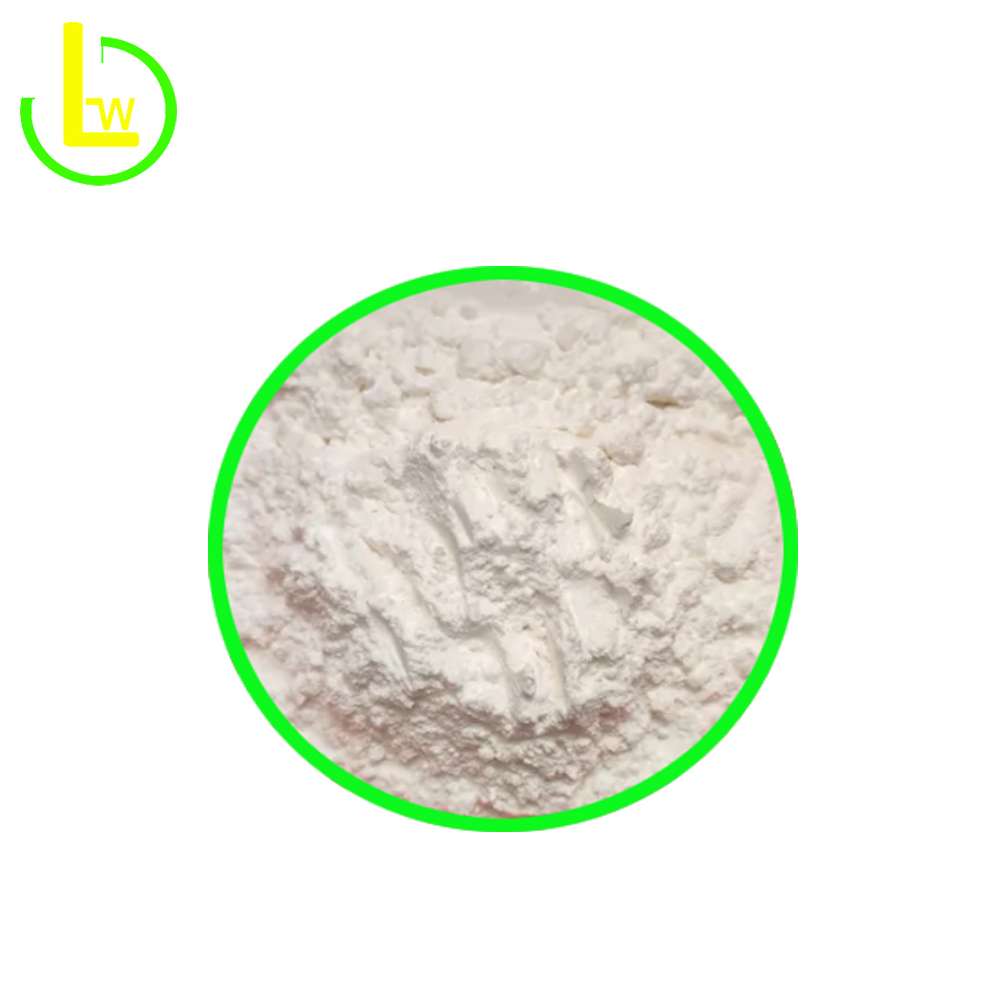
Appearance
Form
Solubility
Applications
Commercial Terms
MOQ
MOQ depends on packaging and specification.
Lead Time
3–7 working days for standard items; bulk orders by schedule.
Incoterms
EXW / FOB / CIF / DAP / DDP
Sample
Free sample (shipping charged)
Quality & Documents
COA (per batch) • SDS/MSDS • TDS/Spec sheet (on request). Additional statements depend on product and market.
Product Overview
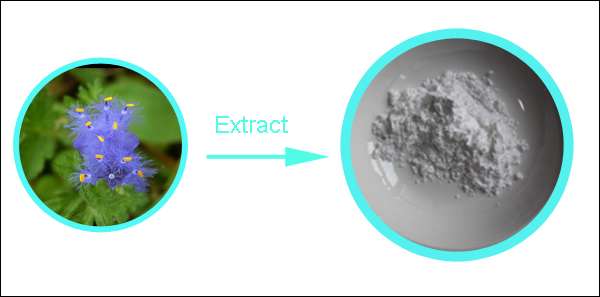
20-Hydroxyecdysone Powder, also known as Ecdysterone, can be supplied from Cyanotis arachnoidea as a standardized botanical extract or as a higher-purity isolated ingredient.
Commercial products should be compared according to botanical identity, marker content, assay method, purification level and chromatographic quality because a stated percentage alone does not fully describe the product specification.
It is mainly considered for research, botanical ingredient development and selected formulation applications, with evaluation samples, batch documentation and bulk supply available for technical qualification.
Applications
20-Hydroxyecdysone Powder is mainly selected where a defined botanical source, marker level or high-purity phytoecdysteroid specification is required.
Research & Analytical Use
Suitable for selected biochemical, botanical and analytical research requiring a defined 20-Hydroxyecdysone or Ecdysterone specification.
Botanical Ingredient Development
Standardized Cyanotis arachnoidea Extract can be evaluated for botanical ingredient projects where marker identity, assay method and batch consistency are important.
Selected Supplement Formulations
Can be considered for selected supplement-development projects, subject to formulation, labeling, regulatory and destination-market requirements.
Cosmetic & Formulation R&D
High-purity or standardized grades can be evaluated in selected formulation-development projects where purity, compatibility and regulatory suitability have been confirmed.
How to Choose the Right Grade / Form
The appropriate product should be selected according to whether the project requires a botanical extract or a higher-purity 20-Hydroxyecdysone ingredient.
Standardized Botanical Extract Grade
Suitable when the project requires Cyanotis arachnoidea Extract with a defined 20-Hydroxyecdysone marker level while retaining part of the botanical extract matrix. Buyers should review botanical identity, plant part, marker percentage, assay method, carrier if applicable and batch QC.
Higher-Purity 20-Hydroxyecdysone Grade
Suitable where a more concentrated 20-Hydroxyecdysone specification and tighter control of non-target components are required. The declared purity should be reviewed together with HPLC method, chromatographic profile and impurity-related QC.
UV-Assayed Specification
Where a commercial specification is expressed using UV analysis, the result should be interpreted according to that method and product specification. A UV percentage should not be directly compared with an HPLC purity percentage as though the two values were equivalent.
HPLC-Assayed Specification
Recommended where marker-specific or purity-focused sourcing requires chromatographic quantification of 20-Hydroxyecdysone. The HPLC percentage, test basis and chromatographic acceptance criteria should be reviewed together.
How to Choose the Right Specification
For Cyanotis arachnoidea-derived 20-Hydroxyecdysone, buyers should confirm the product identity and analytical basis before comparing price or percentage.
Confirm Botanical Identity
Verify that the extract is derived from Cyanotis arachnoidea and confirm the applicable botanical documentation.
Confirm Plant Part
The plant part used should match the selected product specification and supporting documents.
Confirm Marker Identity
Confirm whether the specification refers specifically to 20-Hydroxyecdysone / Ecdysterone or to a broader ecdysteroid-related measurement.
Confirm Assay Method
Always identify whether the stated percentage is based on HPLC, UV or another analytical method.
Confirm Purity / Marker Level
A higher percentage does not automatically mean the products are directly comparable if the test methods or product matrices differ.
Confirm Extract vs High-Purity Material
Determine whether the project requires a standardized botanical extract or a more highly purified 20-Hydroxyecdysone ingredient.
Confirm Impurity & Contaminant QC
Depending on grade, review moisture, residual solvents, heavy metals, microbiology and other agreed impurity-related parameters.
Technical & Formulation Notes
Technical Notes
20-Hydroxyecdysone is a defined phytoecdysteroid commonly associated with Cyanotis arachnoidea extracts and is also widely referred to as Ecdysterone.
Commercial materials may range from lower-content standardized botanical extracts to high-purity 20-Hydroxyecdysone preparations. These products should not be treated as technically equivalent simply because they share the same ingredient name.
The analytical method is especially important when comparing specifications. A percentage reported by UV and a percentage reported by HPLC should not be assumed to represent equivalent purity or marker content.
Manufacturing & Process
Cyanotis arachnoidea material is extracted, concentrated and purified according to the intended product specification.
Lower-content grades may retain more of the original botanical matrix, while higher-purity grades require additional purification and may show a lighter appearance and a more concentrated 20-Hydroxyecdysone profile.
For repeat sourcing, botanical source, extraction route, purification level and agreed analytical specification should remain consistent between the approved sample and later commercial batches.
Compatibility / Formulation Notes
20-Hydroxyecdysone materials should be evaluated according to both purity level and the actual formulation system.
For Standardized Extracts
Lower-purity botanical grades may contain additional plant-derived components that influence color, taste, solubility, density and formulation behavior.
For High-Purity Grades
Higher-purity material may provide a cleaner marker profile but can show different solubility, crystallinity or handling characteristics from a botanical extract.
For Powder Blending
Particle size, bulk density and flowability should be reviewed before scale-up, especially where low inclusion rates require uniform distribution.
For Formulation Development
Compatibility with solvents, carriers, pH conditions and other formulation components should be evaluated experimentally rather than assumed from purity percentage alone.
For Repeat Production
Once a grade is approved, botanical source, assay method, purity level and key QC parameters should remain consistent across subsequent batches.
Extended QC & Test Items
Technical evaluation may include botanical identity, 20-Hydroxyecdysone content, chromatographic purity, appearance, particle size, loss on drying, ash, heavy metals and microbiological limits.
For higher-purity material, additional review may include chromatographic profile, related substances, residual solvents or other impurity-related parameters according to the selected specification.
Product specifications
| Test | Specification | Method |
|---|---|---|
| Botanical Source | Cyanotis arachnoidea | Per specification |
| Plant Part | According to selected specification | Per specification |
| Identification | Conforms to agreed specification | Per specification |
| 20-Hydroxyecdysone | According to selected specification | HPLC / agreed method |
| Appearance | According to selected purity level | Visual |
| Particle Size | Per agreed specification | Per specification |
| Loss on Drying | Per agreed specification | Per specification |
| Ash | Per agreed specification | Per specification |
| Residual Solvents | Per agreed specification, where applicable | Per specification |
| Heavy Metals | Per agreed specification | Per specification |
| Microbiology | Per agreed specification | Per specification |
| Related Substances / Additional Purity QC | Where applicable | Per agreed method |
Storage, Shelf Life & Packaging
Storage
Store 20-Hydroxyecdysone Powder in the original tightly sealed packaging in a cool, dry place away from moisture, excessive heat and direct sunlight.
Protect the material from repeated humidity exposure and unnecessary prolonged opening during handling.
Shelf Life
Shelf life should follow the applicable product specification, batch label and shipment documentation.
Packaging & Logistics
Cyanotis arachnoidea Extract and 20-Hydroxyecdysone Powder can be supplied for technical evaluation, formulation trials and commercial sourcing.
Sample Packing
Evaluation samples can be arranged for marker verification, analytical comparison and formulation testing.
Commercial Packing
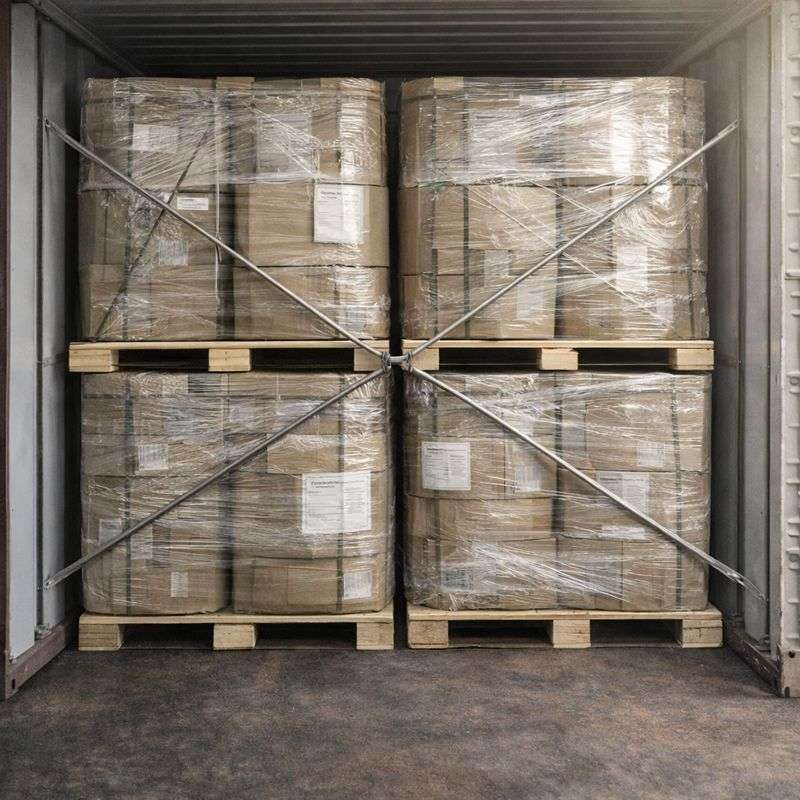
Bulk packing can be arranged according to purity level, product form, order quantity and shipping requirements.
Specification Customization
Marker level, purification level, assay basis, particle size, packing format and selected QC requirements can be discussed according to actual production and testing capability.
Logistics & Documents
COA, SDS, TDS and relevant botanical or technical documentation can be provided according to the selected product specification and destination.
Supply, Documentation & Customization
Documents & Compliance
COA, SDS/MSDS, and TDS/spec sheet available based on product and market requirements.
Customization & Private Label
Custom packing, private label, and labeling support available depending on product type and order scope.
Commercial Support
Sample, lead time, and incoterm options can be discussed according to destination market and supply plan.
Why Source From Lifeworth
Lifeworth supports Cyanotis arachnoidea Extract and 20-Hydroxyecdysone sourcing with a specification-focused approach from sample evaluation through commercial supply.
Product Identity Clarification
Cyanotis arachnoidea Extract and high-purity 20-Hydroxyecdysone can be reviewed as different sourcing routes rather than treated as the same grade.
Assay Method Review
HPLC, UV and other analytical results can be reviewed according to their actual method basis before products are compared.
Purity & Batch QC
Marker level, appearance, impurity profile and key batch parameters can be evaluated before commercial approval.
Sample-to-Bulk Supply
Evaluation samples and later commercial quantities can be coordinated around the qualified product specification.

FAQ
Is 20-Hydroxyecdysone the same as Ecdysterone?
20-Hydroxyecdysone is commonly referred to as Ecdysterone or 20E in commercial and technical contexts. The exact chemical identity and specification should still be confirmed through product documentation.
Is Ecdysone the same as 20-Hydroxyecdysone?
No. Ecdysone and 20-Hydroxyecdysone are related ecdysteroids but are not the same chemical compound. Commercial products described loosely as “Ecdysone Powder” should therefore be checked for the actual marker identity.
Why should UV and HPLC percentages not be compared directly?
UV and HPLC are different analytical approaches and may measure the product on different analytical bases. A UV result such as 90% should not automatically be interpreted as purer than an HPLC result such as 70%.
What should I compare when sourcing Cyanotis arachnoidea Extract?
Review botanical identity, plant part, 20-Hydroxyecdysone content, assay method, extract or purification level, appearance, residual solvents, heavy metals, microbiology and batch documentation.
Why can lower-purity and high-purity grades have different colors?
Standardized botanical extract grades may retain more plant-derived components and therefore appear brown or yellow-brown, while additional purification can produce much lighter high-purity 20-Hydroxyecdysone grades.
Can I request a sample before bulk purchasing?
Yes. Evaluation samples can be arranged for assay confirmation, analytical comparison, formulation testing and supplier qualification before commercial purchasing.
Need more answers?
Explore our full FAQ library for documentation, compliance, shipping, and ordering guidelines.