
Fermented Lycopene
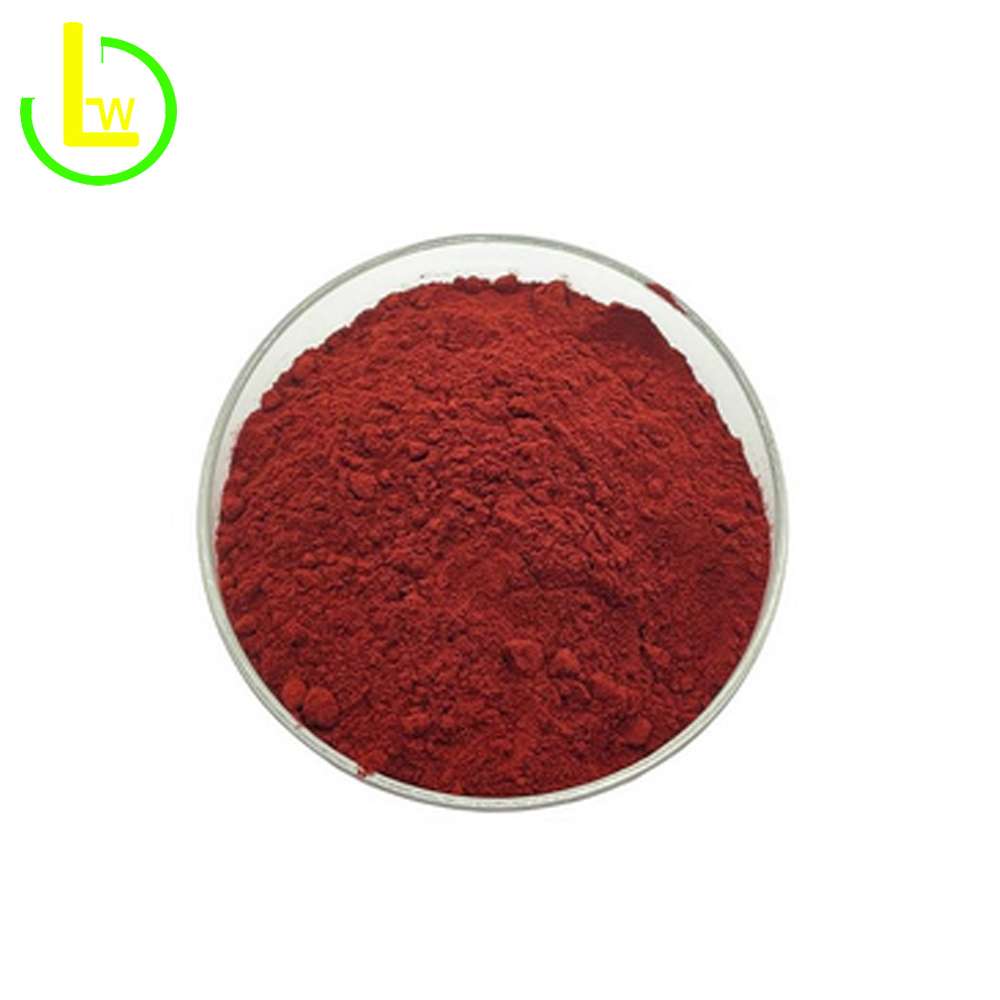
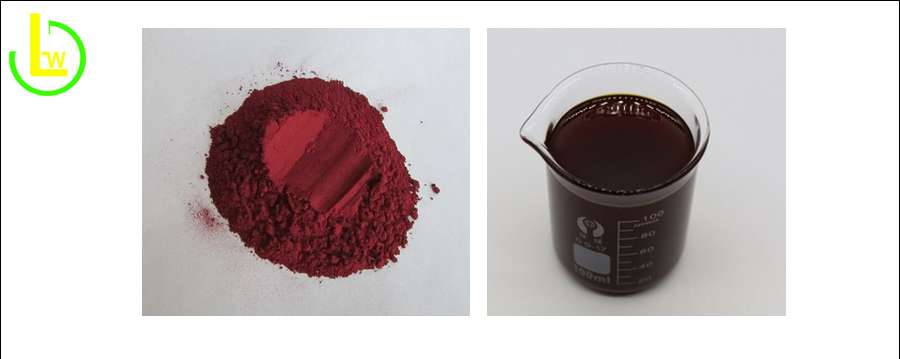
Fermented Lycopene is a fermentation-based lycopene supply route designed for B2B projects where source-route selection, dosage form, concentration target, and long-term supply strategy all matter in commercial evaluation. It may be supplied in powder, oil, or selected specialty forms depending on the intended application and agreed specification.
- Fermentation-based lycopene route for powder, oil, and selected specialty supply forms
- Suitable for dry systems, softgels, liquid supplements, and formulation-led projects
- Selection support based on format, concentration target, and sourcing direction
- COA, TDS/spec sheet, SDS/MSDS, sample support, and bulk supply coordination available
Tell us your application, target specification, and destination market so we can support grade selection, documentation review, and packaging recommendations.
Quick Specs
Identity
INCI Name
Alias
CAS Number
Molecular Formula
Molecular Weight
Quality
Assay
Grade
Standards
Assay Method
Handling
Appearance
Form
Solubility
Applications
Commercial Terms
MOQ
MOQ depends on packaging and specification.
Lead Time
3–7 working days for standard items; bulk orders by schedule.
Incoterms
EXW / FOB / CIF / DAP / DDP
Sample
Free sample (shipping charged)
Quality & Documents
COA (per batch) • SDS/MSDS • TDS/Spec sheet (on request). Additional statements depend on product and market.
Product Overview
Fermented Lycopene is a fermentation-based lycopene supply route commonly evaluated in commercial projects where buyers want to compare source route, dosage form, and concentration options beyond conventional tomato-extract positioning.
It may be supplied in powder, oil, or selected specialty formats depending on the intended application, and buyers often review product form, loading target, compatibility, and documentation alignment before moving into technical or commercial selection.
This page is designed as a product-detail selection page for fermentation-based lycopene, with emphasis on route logic and commercial form choice rather than on a single standard format.
Applications
Capsules, Tablets, and Sachets
Fermented Lycopene may be evaluated in powder form for dry-format supplement projects where buyers need route-based differentiation together with practical handling for solid dosage systems.
Softgels and Liquid Supplements
For softgels, drops, liquid blends, and other lipid-phase nutritional formats, fermentation-based lycopene may be reviewed in oil form where fill-volume fit, concentration choice, and oil-system compatibility are important.
Nutrition Premixes and Functional Systems
Depending on the selected format, Fermented Lycopene may be considered for premixes, formulation-driven nutrition concepts, and commercial projects where both route positioning and finished-product design are under review.
Selected Specialty Projects
Some projects may require more specific format discussion, including selected adapted or specialty delivery forms. In these cases, the evaluation should focus on compatibility, handling, stability, and end-use requirements.
How to Choose the Right Grade / Form
Choose powder
Choose powder when the project is based on capsules, tablets, sachets, powder blends, premixes, or other dry handling systems.
Choose oil
Choose oil when the project is built around softgels, liquid supplements, oil suspensions, or other lipid-phase applications.
Review specialty formats separately
Review specialty formats separately when the system requires more specific dispersibility, handling, or delivery characteristics.
The right commercial choice depends on dosage form, target concentration, compatibility, packaging direction, process route, and finished-product design.
Fermented Route vs Tomato-Extract Route
Tomato-extract lycopene is commonly selected when the buyer prefers tomato-origin positioning and a route directly linked to plant extraction. Fermented Lycopene is more often reviewed as an alternative route when buyers are comparing source strategy, form flexibility, concentration planning, and broader sourcing logic.
Technical & Formulation Notes
Technical Notes
Technical review should focus on selected form, concentration target, compatibility, packaging direction, and expected handling within the intended dosage system.
In commercial evaluation, the main question is whether the fermentation-based form fits the actual project requirements.
This product line is route-driven rather than single-format-driven, so selection should focus on form suitability, concentration target, handling practicality, packaging fit, and documentation readiness.
Manufacturing & Process
Commercial fermentation-based lycopene supply generally involves controlled biosynthesis, recovery, purification, and standardization into the intended product form.
For B2B buyers, specification clarity, release consistency, and document support are usually more important than detailed process storytelling.
Compatibility / Formulation Notes
Fermented Lycopene should be understood as an alternative manufacturing and supply route for lycopene rather than as a completely different carotenoid category.
For B2B buyers, the commercial value of this route usually lies in whether it supports the intended dosage design, source-route positioning, concentration planning, and long-term sourcing strategy.
Powder formats are generally reviewed for dry systems, while oil formats are more relevant for softgel, liquid, and lipid-phase applications. Specialty formats may be considered separately when handling or delivery requirements are more specific.
Extended QC & Test Items
Depending on the selected form and intended use, review may include appearance, identification, concentration basis, carrier fit, heavy metals, microbiological basis where applicable, packaging integrity, and other agreed control items.
Final QC scope should follow the selected product form and project specification.
Product specifications
| Test | Specification | Method |
|---|---|---|
| Product Route | Fermentation-based lycopene | Reference |
| Supply Form | Powder / Oil / Selected specialty format | Commercial form |
| Concentration / Assay | According to selected form and agreed specification | Per specification |
| Appearance | According to supplied commercial form | Visual |
| Odor | Characteristic | Sensory |
| Handling Fit | According to selected application direction | Project review |
| Packaging | According to supply form and project requirement | Packing plan |
| Documents | COA / TDS / SDS-MSDS available | Documentation |
| Storage | According to selected form and packaging condition | Storage guidance |
Storage, Shelf Life & Packaging
Storage
Store in a cool, dry place away from direct light, excessive heat, and prolonged exposure to air.
Storage conditions should always be matched to the selected supply form and packaging system.
Shelf Life
Shelf life should be confirmed according to the selected commercial form, carrier system, packaging format, and storage condition.
Please refer to the COA, label, or agreed specification for batch-specific shelf-life information.
Packaging & Logistics
Sample Packing
Sample and evaluation packs can be arranged according to selected form, concentration direction, and project scope.
Bulk Packing
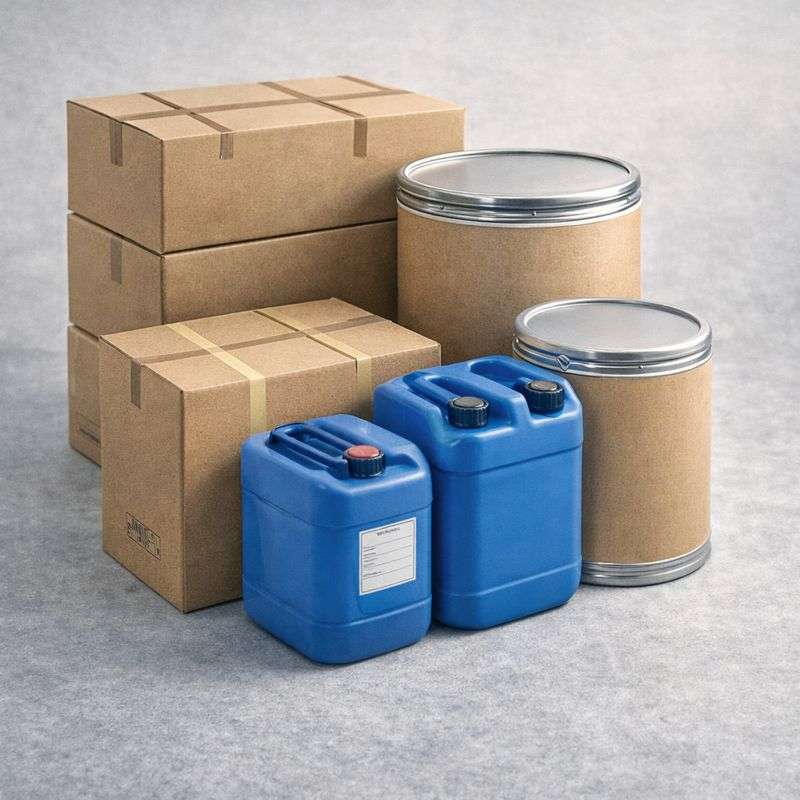
Bulk packing can be arranged according to selected form, target concentration, order volume, and shipping requirement.
Logistics
Packaging details should be aligned before shipment to support qualification, logistics handling, and repeat-order planning.
Supply, Documentation & Customization
Documents & Compliance
COA, SDS/MSDS, and TDS/spec sheet available based on product and market requirements.
Customization & Private Label
Custom packing, private label, and labeling support available depending on product type and order scope.
Commercial Support
Sample, lead time, and incoterm options can be discussed according to destination market and supply plan.
Why Source From Lifeworth
Route-Based Supply Discussion
We support commercial discussion around fermentation-based lycopene as an alternative source route for buyers comparing powder, oil, and project-specific supply options.
Multiple Commercial Form Directions
This product line may be reviewed in powder, oil, and selected specialty formats according to dosage design, formulation route, and sourcing requirements.
Documentation & Bulk Supply Coordination
COA, TDS/spec sheet, SDS/MSDS, sample support, and export packaging coordination are available for supplier qualification, sourcing review, and repeat-order planning.

FAQ
1) What is Fermented Lycopene?
Fermented Lycopene is lycopene produced through a controlled fermentation route rather than direct tomato extraction. It is usually evaluated as an alternative lycopene supply route for formulation and sourcing projects.
2) How is it different from tomato-extract lycopene?
The main difference is the production route. In commercial review, buyers usually compare source-route positioning, product form, concentration needs, compatibility, documentation, and supply strategy before deciding which route fits better.
3) Is Fermented Lycopene available in powder and oil form?
It may be discussed in powder, oil, and selected specialty formats depending on the project direction and agreed supply specification.
4) How should buyers choose between powder and oil?
Powder is generally better suited to capsules, tablets, sachets, and premix systems. Oil is generally better suited to softgels, liquid supplements, and other lipid-phase applications. The final choice depends on dosage form, target concentration, packaging, and formulation needs.
5) Can documents and samples be provided before ordering?
Yes. COA, TDS/spec sheet, SDS/MSDS, and sample support can be arranged according to the selected form and project requirements.
Need more answers?
Explore our full FAQ library for documentation, compliance, shipping, and ordering guidelines.