
Yellow Iron Oxide Pigment Powder
Lifeworth supplies yellow iron oxide pigment powder for manufacturers reviewing yellow shade, tinting strength, dispersion, and stable bulk pigment supply.
- Yellow inorganic pigment powder for industrial use
- Suitable for coatings, concrete, cement products, plastics, and rubber
- Color shade, particle size, and tinting strength can be reviewed
- COA, SDS/MSDS, and TDS available for sourcing review
- Sample support and export-ready bulk packing available
Tell us your application, target specification, and destination market so we can support grade selection, documentation review, and packaging recommendations.

Quick Specs
Identity
INCI Name
Alias
CAS Number
Molecular Formula
Molecular Weight
Quality
Assay
Grade
Assay Method
Handling
Appearance
Form
Solubility
Applications
Commercial Terms
MOQ
MOQ depends on packaging and specification.
Lead Time
3–7 working days for standard items; bulk orders by schedule.
Incoterms
EXW / FOB / CIF / DAP / DDP
Sample
Free sample (shipping charged)
Quality & Documents
COA (per batch) • SDS/MSDS • TDS/Spec sheet (on request). Additional statements depend on product and market.
Product Overview
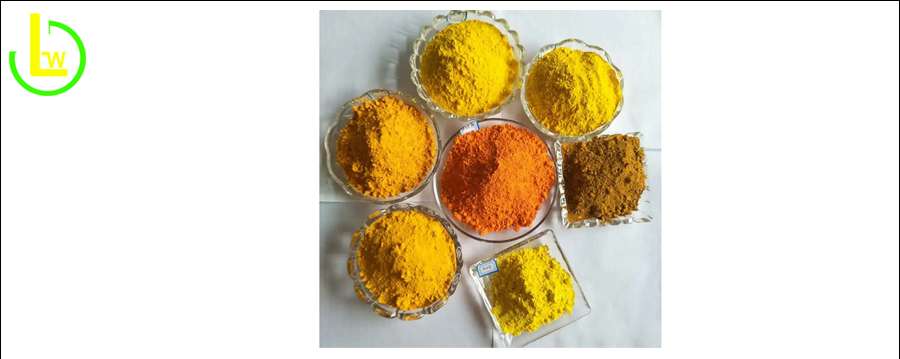
Yellow Iron Oxide Pigment Powder is an inorganic yellow pigment commonly used in coatings, concrete products, cement systems, plastics, rubber, and industrial color applications.
It is usually supplied as a yellow to ochre fine powder, and buyers often review color shade, tinting strength, particle size, dispersibility, moisture, heat behavior, and batch consistency before technical or commercial evaluation.
It is commonly considered for architectural coatings, colored concrete, cement blocks, plastics, rubber, and blended pigment systems, with sample testing and document support available for sourcing reference.
Applications
Coatings & Paints
Yellow iron oxide pigment powder is used in architectural coatings, industrial coatings, primers, decorative paints, and protective coating systems. It is selected for stable yellow or ochre inorganic color and good formulation compatibility.
Concrete & Cement Products
Suitable for colored concrete, cement blocks, paving stones, mortar, terrazzo, and decorative cement materials. Final yellow tone should be checked after mixing and curing.
Plastics & Rubber
Can be used in selected plastic and rubber systems requiring stable yellow pigment performance. Processing temperature, dispersion, and compatibility should be verified before scale-up.
Blended Pigment Systems
Yellow iron oxide can be used in blended colors such as brown, orange, earth tone, or green-related systems. Compatibility with other pigments should be tested before commercial use.
How to Choose the Right Grade / Form
For Coatings
Choose a grade based on yellow tone, hiding power, tinting strength, oil absorption, dispersion, and binder compatibility. Outdoor coating systems should also review weather resistance.
For Cement-Based Products
Choose a grade with good alkali resistance, stable color strength, and suitable dispersion in cement systems. Final color should be judged after curing.
For Plastics and Rubber
Choose a grade according to processing temperature, heat behavior, and dispersion performance. Yellow iron oxide should be tested under real processing conditions.
For Blended Shade Projects
Choose yellow iron oxide according to the target blend direction, dosage level, and compatibility with red, black, green, or organic pigments.
Technical & Formulation Notes
Technical Notes
Yellow iron oxide pigment powder is evaluated by yellow shade, tinting strength, hiding power, particle size, dispersibility, oil absorption, moisture, heat behavior, and compatibility with the target system. It should be reviewed separately from red iron oxide because yellow pigment has a different color tone and heat behavior.
For specification selection, confirm whether the project needs bright yellow, ochre yellow, or earth-tone yellow. Review particle size, oil absorption, heat behavior, and final application fit before approval.
Manufacturing & Process
Commercial yellow iron oxide pigments are typically produced through controlled iron oxide pigment processing, washing, drying, milling, blending, and packing.
Manufacturing control focuses on shade stability, particle consistency, moisture level, and reliable dispersion behavior.
Compatibility / Formulation Notes
For coatings, wetting, grinding, binder type, and oil absorption can affect color development and hiding power.
For cement systems, cement color, water ratio, pigment dosage, and curing condition can change the final yellow tone.
For plastics and rubber, processing temperature and pigment stability should be confirmed before bulk production.
For blended color systems, test yellow iron oxide with other pigments before final approval.
For color matching, use the finished application system as the approval reference.
Extended QC & Test Items
Common QC items include appearance, color shade, tinting strength, particle size, moisture, oil absorption, water-soluble matter, heat behavior, heavy metals, and application performance.
COA, SDS/MSDS, TDS, and specification documents can be provided according to product scope and buyer requirements.
Product specifications
| Test | Specification | Method |
|---|---|---|
| Appearance | Yellow to ochre fine powder | Visual |
| Identification | Conforms to yellow iron oxide pigment | Per specification |
| Color Shade | Per agreed sample or standard | Color comparison |
| Tinting Strength | Per agreed specification | Colorimetric / Per specification |
| Particle Size | Per agreed specification | Per specification |
| Moisture | Per agreed specification | Per specification |
| Oil Absorption | Per agreed specification | Per specification |
| Water Soluble Matter | Per agreed specification | Per specification |
| Heat Behavior | Per application requirement | Per specification |
| Heavy Metals | Per agreed specification | Per specification |
| Documents | COA, SDS/MSDS, TDS available | Documentation |
Storage, Shelf Life & Packaging
Storage
Store in sealed original packaging in a cool, dry, and ventilated place.
Protect from moisture, contamination, direct sunlight, and package damage. Keep the package tightly closed after opening.
Shelf Life
Shelf life should be confirmed according to the agreed specification, packaging condition, and storage environment.
Batch label and supplier specification should be followed for storage and retest guidance.
Packaging & Logistics
Sample Packing
Small samples can be arranged for yellow shade comparison, dispersion testing, coating formulation review, cement application testing, and dispersion evaluation, and supplier qualification.
Bulk Packing
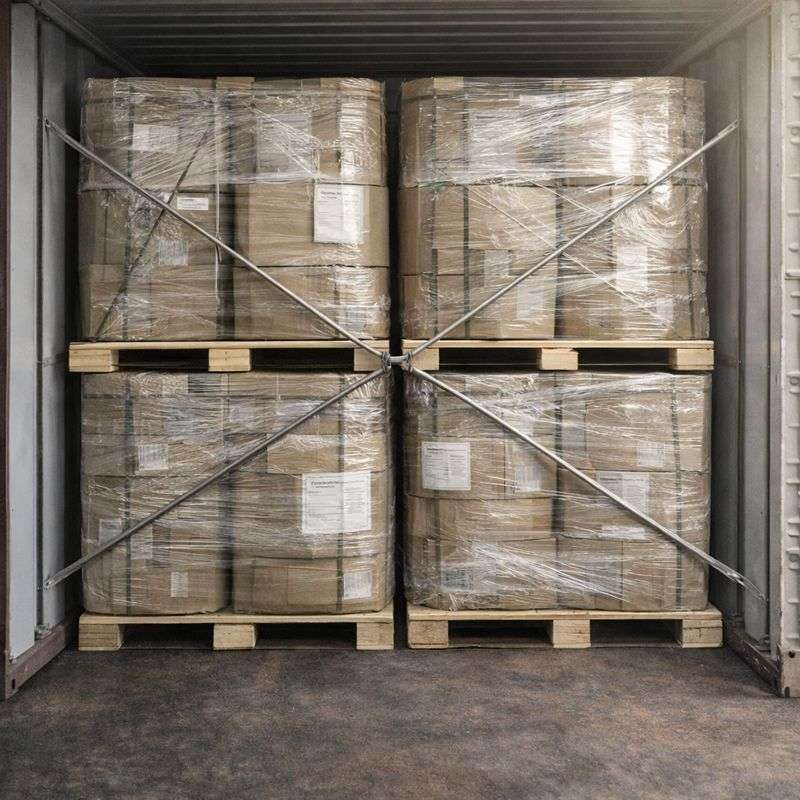
Common bulk packing includes 25 kg bags. Customized packing can be discussed according to pigment type, order quantity, and shipment requirements.
Customization
Color shade, particle size, tinting strength, packaging format, and document scope can be discussed according to application needs.
Logistics & Documents
COA, SDS/MSDS, TDS, packing information, and export documents can be provided according to order terms and destination market.
Supply, Documentation & Customization
Documents & Compliance
COA, SDS/MSDS, and TDS/spec sheet available based on product and market requirements.
Customization & Private Label
Custom packing, private label, and labeling support available depending on product type and order scope.
Commercial Support
Sample, lead time, and incoterm options can be discussed according to destination market and supply plan.
Why Source From Lifeworth
Defined Spec Clarity
Support for reviewing yellow shade, tinting strength, particle size, dispersion, oil absorption, heat behavior, and application compatibility.
Customizable Key Target
Shade, particle behavior, packaging, and document scope can be discussed according to coating, cement, plastic, rubber, or blended pigment projects.
Batch Documentation Support
COA, SDS/MSDS, TDS, and packing information can support quality review, supplier approval, and import preparation.
Export-Ready Bulk Supply
Sample support, bulk packing, export document coordination, and shipment discussion are available for international buyers.

FAQ
1) What is Yellow Iron Oxide Pigment Powder used for?
It is used as an inorganic yellow pigment in coatings, concrete, cement products, plastics, rubber, decorative materials, and blended pigment systems.
2) Is yellow iron oxide water-soluble?
No. Yellow iron oxide pigment is generally insoluble in water and is used as a dispersed pigment powder.
3) Is yellow iron oxide the same as red iron oxide?
No. They are different pigment routes with different color tones and application behavior.
4) Can yellow iron oxide be used in cement products?
Yes. It is commonly used in colored concrete, cement blocks, mortar, paving stones, and decorative cement products.
5) What should buyers check before ordering?
Buyers should review yellow shade, tinting strength, particle size, dispersion, heat behavior, application compatibility, and documents.
6) Can you match a specific yellow shade?
Shade discussion can be arranged if the buyer provides a color card, reference sample, application system, and dosage range.
Need more answers?
Explore our full FAQ library for documentation, compliance, shipping, and ordering guidelines.