
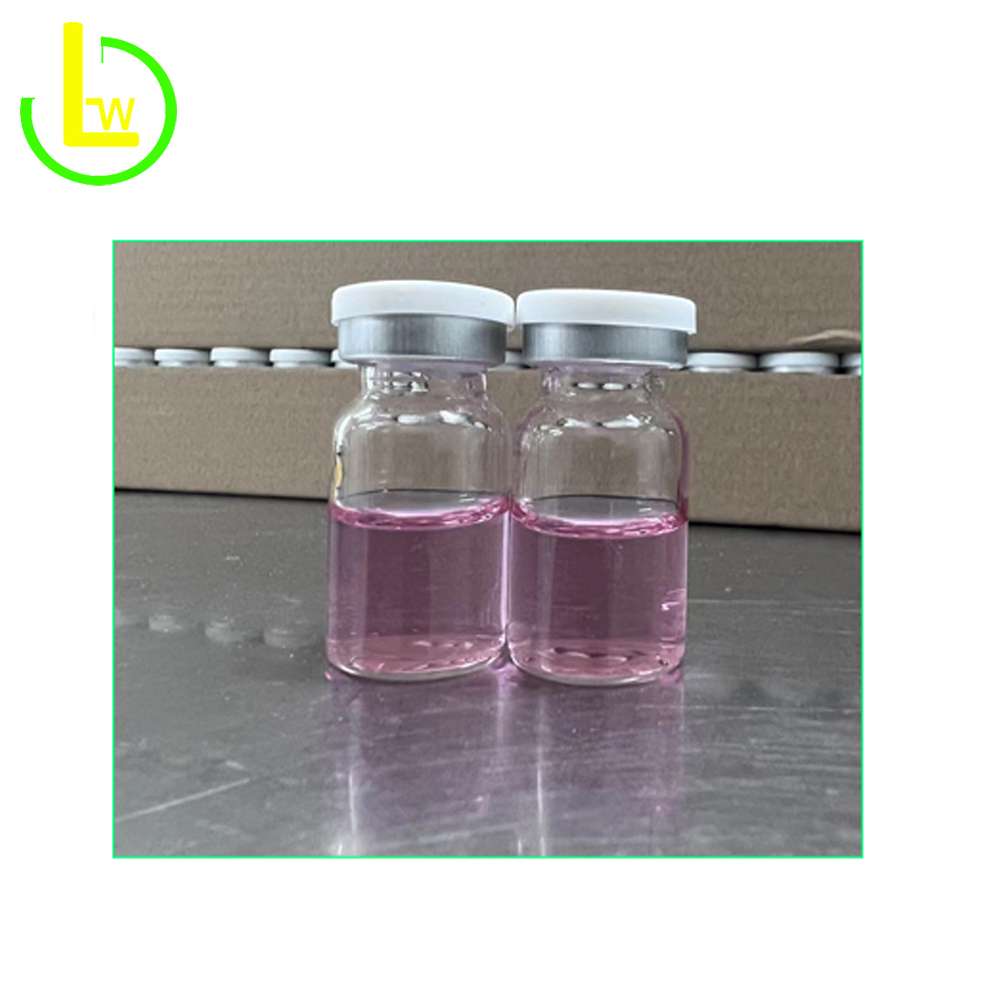
Microneedling with Hyaluronic Acid
Hyaluronic acid attracts and locks in moisture, promoting skin hydration, elasticity, and wound healing. Hyaluronic acid is often used in conjunction with microneedling to promote skin rejuvenation.
Microneedling (or collagen induction therapy) involves creating tiny punctures in the skin using fine needles to stimulate collagen and elastin production. When combined with HA, the treatment enhances hydration and tissue repair.

How It Works
During Microneedling: HA serums or gels are applied topically, and the microchannels created by the needles help the HA penetrate deeper into the skin.
Post-Treatment: HA continues to hydrate and accelerate healing while boosting collagen synthesis.
Benefits Of Using Hyaluronic Acid And Microneedling
Enhanced Hydration: HA binds water, keeping the skin plump and moisturized.
Faster Healing: Supports tissue repair and reduces downtime.
Improved Product Absorption: Microneedling increases HA absorption by up to 10x.
Anti-Aging Effects: Reduces fine lines and wrinkles by stimulating collagen.
Minimized Side Effects: Soothes redness and irritation post-treatment.

Types of Hyaluronic Acid Used
Low Molecular Weight HA: Penetrates deeper for long-term hydration.
High Molecular Weight HA: Forms a protective barrier on the skin’s surface.
Cross-Linked HA (Fillers): Used in clinical settings for volumizing effects.
Application Process
Cleanse the skin thoroughly.
Apply a sterile HA serum/gel before or after microneedling (depending on the device).
Microneedle (0.25–2.5mm depth, depending on concerns).
Reapply HA post-treatment for soothing and hydration.

Best Candidates
Dry or dehydrated skin
Aging skin (fine lines, loss of elasticity)
Acne scars or uneven texture
Dull complexion

Potential Side Effects
Mild redness or swelling (temporary).
Rarely allergic reactions (ensure HA is pure and sterile).
Post-Treatment Care
Avoid sun exposure.
Use gentle, hydrating skincare.
No harsh actives (retinol, acids) for 48 hours.
Professional vs. At-Home Use
Professional treatments use medical-grade HA and deeper needles for significant results.
At-home microneedling rollers (0.2–0.5mm) can pair with HA serums for maintenance.
Expected Results
Immediate plumping and glow.
Long-term improvement in texture, scars, and wrinkles after 3–6 sessions.
Conclusion
Combining hyaluronic acid with microneedling maximizes hydration, collagen production, and skin repair. For best results, consult a dermatologist or licensed aesthetician, especially for deeper treatments.
Reference: