
Natural Vitamin E Tocotrienols
Suitable for supplement, functional food, and selected cosmetic projects where palm, rice bran, or annatto origin, tocotrienol profile, and commercial concentration are key purchasing considerations.
- Tocotrienols are a distinct vitamin E route, not the same as tocopherol-led products
- Commercial source routes commonly include palm oil, rice bran oil, and annatto
- Source type often determines tocopherol content, tocotrienol profile, and positioning logic
- Commercial specifications commonly include 70% and 80% tocotrienol routes
- Support for COA, SDS/MSDS, technical review, and packaging discussion
Tell us your application, target specification, and destination market so we can support grade selection, documentation review, and packaging recommendations.
Quick Specs
Identity
INCI Name
Alias
CAS Number
Quality
Assay
Grade
Handling
Appearance
Form
Solubility
Applications
Commercial Terms
MOQ
MOQ depends on packaging and specification.
Lead Time
3–7 working days for standard items; bulk orders by schedule.
Incoterms
EXW / FOB / CIF / DAP / DDP
Sample
Free sample (shipping charged)
Quality & Documents
COA (per batch) • SDS/MSDS • TDS/Spec sheet (on request). Additional statements depend on product and market.
Product Overview
Natural Vitamin E Tocotrienols are a tocotrienol-focused vitamin E ingredient route commonly reviewed for supplement, functional food, and selected cosmetic sourcing projects.
They are usually supplied as concentrated oil-based materials, with commercial evaluation focused on source type, tocotrienol profile, and concentration basis before technical or commercial review.
They are commonly considered for palm-, rice bran-, or annatto-based vitamin E positioning, with sample discussion and bulk packaging support available for sourcing reference.
Applications
Dietary Supplements
Suitable for supplement projects that want tocotrienol-based positioning rather than a tocopherol-led vitamin E route. Buyers often review source type, concentration, and tocopherol coexistence before selecting the most suitable commercial route.
Food & Beverage
May be considered for functional food and beverage-adjacent projects where buyers want a differentiated natural vitamin E route and need to compare oil compatibility, concentration basis, and source-positioning logic.
Cosmetics & Personal Care
Can be reviewed for selected cosmetic and personal care projects where buyers want a source-led vitamin E route and evaluate oil compatibility, packaging practicality, and tocotrienol profile as part of sourcing.
Pharmaceutical / Functional Delivery
In some projects, tocotrienols are reviewed when buyers want a differentiated vitamin E route and need closer control over source declaration, tocotrienol profile, and concentration basis during product development.
How to Choose the Right Grade / Form
For broad commercial tocotrienol sourcing
70% may be used as a practical starting point when buyers first compare source type and tocotrienol profile before moving to more concentrated options.
For more concentrated tocotrienol positioning
80% may be more suitable when the project requires a more concentrated tocotrienol specification for technical or commercial alignment.
For source-driven differentiation
Confirm whether the project needs palm, rice bran, or annatto tocotrienols first, because source type influences tocopherol coexistence, tocotrienol profile, and overall positioning logic.
Technical & Formulation Notes
Technical Notes
Technical review usually starts with source selection rather than concentration alone. Buyers often compare palm, rice bran, and annatto routes because source type affects tocopherol coexistence, tocotrienol distribution, and commercial positioning.
Manufacturing & Process
Natural vitamin E tocotrienols are commonly supplied as concentrated oil-based materials derived from source-specific vitamin E fractions. Commercial evaluation often considers source declaration, concentration route, and whether the selected material is positioned as a broader-spectrum or more source-defined tocotrienol product.
Compatibility / Formulation Notes
For project review, buyers usually compare palm, rice bran, and annatto routes first because source type affects tocopherol coexistence, tocotrienol profile, and positioning logic.
For oil systems, tocotrienols are primarily supplied in oil routes, so oil compatibility and concentration fit should be reviewed early in formulation planning.
For supplement and cosmetic systems, source declaration, oxidation management, and packaging plan should be checked during technical evaluation and pilot work.
Extended QC & Test Items
Depending on project requirements, buyers may review concentration basis, source declaration, tocotrienol profile, tocopherol content, oxidative stability, heavy metals, and other agreed specification items for destination-market evaluation.
Product specifications
| Test | Specification | Method |
|---|---|---|
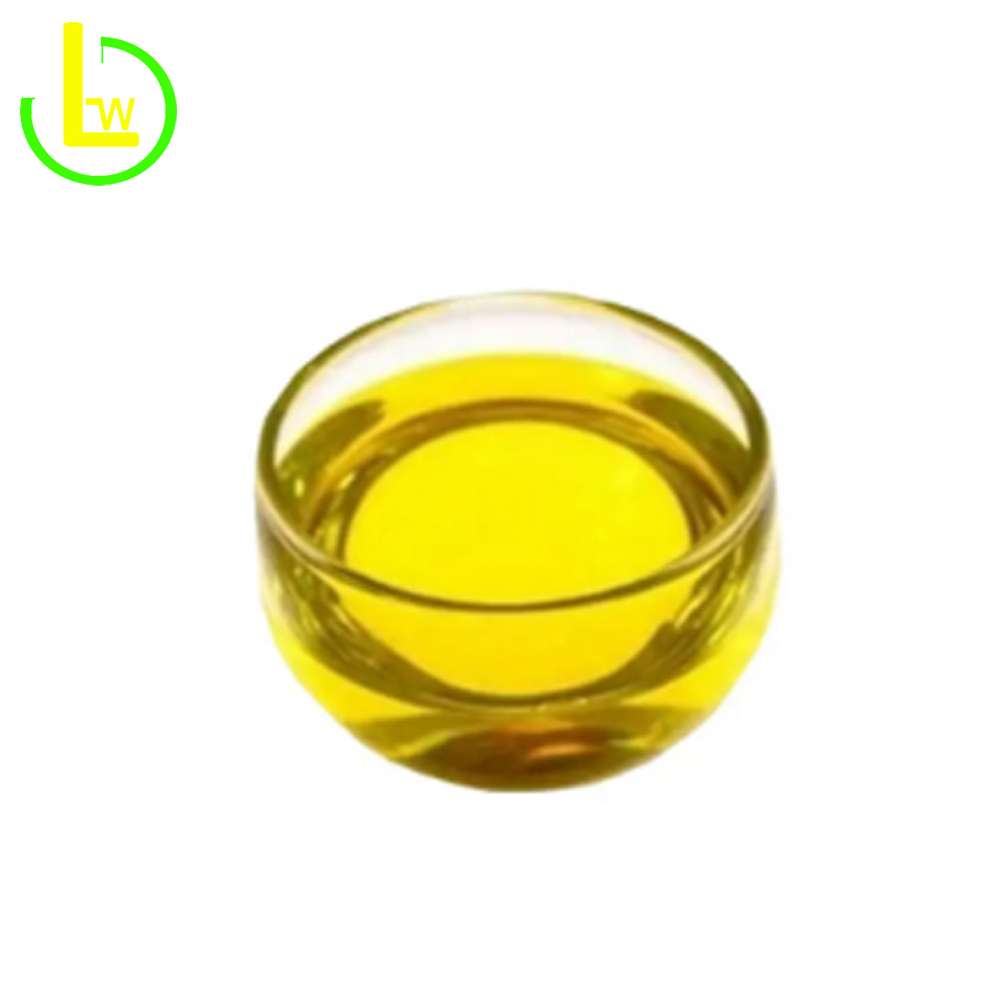
| Appearance | Yellow to reddish brown oil | Visual |
| Product Type | Natural tocotrienols | Reference |
| Source | Palm oil / rice bran oil / annatto or agreed source declaration | Reference |
| Assay | 70% / 80% or agreed specification | Per specification |
| Tocotrienol Profile | Per agreed specification | Per specification |
| Tocopherol Content | Per agreed specification | Per specification |
| Solubility | Oil-soluble | Per specification |
| Heavy Metals | Per agreed specification | Per specification |
| Total Plate Count | Per agreed specification | Per specification |
| Yeast & Mold | Per agreed specification | Per specification |
| E. coli | Negative / per agreed specification | Per specification |
| Salmonella | Negative / per agreed specification | Per specification |
Storage, Shelf Life & Packaging
Storage
Store in a cool, dry place in tightly sealed containers.
Protect from heat, oxidation exposure, and direct light during storage and transport.
Shelf Life
Typically 24 months in unopened original packaging under recommended storage conditions.
Final shelf life statement can be aligned according to the agreed specification and commercial route.
Packaging & Logistics
Sample Packing
Small evaluation packs can be arranged for technical review, formulation discussion, and supplier comparison.
Bulk Packing
Bulk packing can be aligned according to the selected tocotrienol route and shipment plan, with source-specific handling discussed where needed.
Logistics & Documents
COA, SDS/MSDS, and TDS/specification sheet can be prepared according to project requirements and selected supply route.
Supply, Documentation & Customization
Documents & Compliance
COA, SDS/MSDS, and TDS/spec sheet available based on product and market requirements.
Customization & Private Label
Custom packing, private label, and labeling support available depending on product type and order scope.
Commercial Support
Sample, lead time, and incoterm options can be discussed according to destination market and supply plan.
Why Source From Lifeworth
Source-led route support
Support for buyers who need clearer sourcing discussion around palm, rice bran, and annatto tocotrienol routes.
Concentration and profile review
Practical alignment on concentration basis, tocopherol coexistence, and source-positioning logic before commercial evaluation.
Batch documentation support
Technical document preparation for project review, route comparison, and qualification discussion.
Export-ready bulk supply
Bulk packing and shipment communication aligned to selected route and destination-market needs.
FAQ
1) Are tocotrienols the same as tocopherols?
No. Tocotrienols are a distinct vitamin E route and are usually evaluated separately from tocopherol-led products.
2) What are the main commercial sources of tocotrienols?
The main commercial sources are palm oil, rice bran oil, and annatto.
3) Is annatto the same as palm-derived tocotrienols?
No. Annatto is often positioned as tocopherol-free, while palm routes commonly include both tocotrienols and tocopherols.
4) What assay ranges are commonly seen for tocotrienols?
Commercial tocotrienol routes are commonly reviewed in 70% and 80% ranges, or other agreed specifications depending on project needs.
5) Are tocotrienols usually supplied in oil form?
Yes. Tocotrienols are commonly supplied as concentrated oil-based commercial routes.
6) What documents can be provided?
COA, SDS/MSDS, and technical specification documents can be prepared for review according to the selected route and project requirement.
Need more answers?
Explore our full FAQ library for documentation, compliance, shipping, and ordering guidelines.