
Oyster Peptide Powder
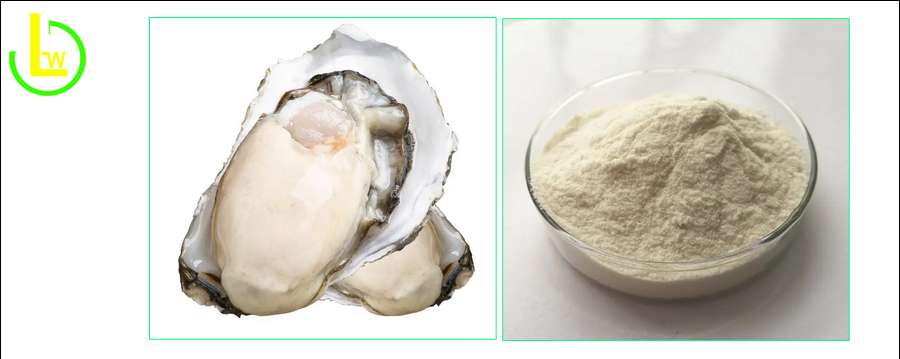
Oyster Peptide Powder is supplied as a hydrolyzed marine peptide ingredient produced from oyster-derived protein through controlled enzymatic processing. It is designed for manufacturers evaluating peptide-based formulations, solubility requirements, and specification-driven ingredient sourcing.
- Produced from oyster-derived protein through enzymatic hydrolysis
- Peptide-focused ingredient for advanced formulation projects
- Evaluated by peptide characteristics, solubility, and specification requirements
- Suitable for capsules, tablets, powder blends, and liquid systems
- COA, SDS/MSDS, and TDS available for technical review
Tell us your application, target specification, and destination market so we can support grade selection, documentation review, and packaging recommendations.

Quick Specs
Identity
INCI Name
Alias
Quality
Assay
Grade
Standards
Assay Method
Handling
Appearance
Form
Solubility
Applications
Commercial Terms
MOQ
MOQ depends on packaging and specification.
Lead Time
3–7 working days for standard items; bulk orders by schedule.
Incoterms
EXW / FOB / CIF / DAP / DDP
Sample
Free sample (shipping charged)
Quality & Documents
COA (per batch) • SDS/MSDS • TDS/Spec sheet (on request). Additional statements depend on product and market.
Product Overview
Oyster Peptide Powder is a hydrolyzed marine protein ingredient produced from oyster meat through controlled enzymatic processing.
Unlike conventional oyster powder or oyster extract, oyster peptide is evaluated according to peptide-related characteristics, including hydrolysis route, peptide content, molecular profile, solubility, and formulation compatibility.
It is commonly considered for nutraceutical products, functional nutrition systems, powder blends, capsules, tablets, and liquid-oriented formulations where peptide-based ingredient selection is required.
Applications
Advanced Dietary Supplements
Oyster Peptide Powder is suitable for supplement manufacturers developing peptide-oriented products where ingredient structure and formulation positioning are important.
Common formats include:
- Capsules
- Tablets
- Sachets
- Powder supplements
Functional Nutrition Systems
The ingredient can be evaluated for functional nutrition products requiring a marine-derived peptide source.
Selection typically considers:
- Solubility
- Peptide profile
- Sensory characteristics
- Formula compatibility
Sports Nutrition Applications
Oyster peptide can be considered in protein and peptide-based nutrition systems where manufacturers evaluate hydrolyzed protein ingredients and formulation performance.
Important evaluation factors include:
- Protein profile
- Solubility
- Dosage feasibility
- Finished product design
Beauty Nutrition Concepts
The ingredient may be reviewed for beauty nutrition formulations where marine peptide ingredients are incorporated into premium nutritional concepts.
Final application suitability depends on formula design, regulatory requirements, and market positioning.
How to Choose the Right Grade / Form
Peptide Content
Confirm the required peptide level according to the intended formulation goal and market positioning.
Molecular Weight Profile
For peptide-oriented applications, molecular weight distribution may be an important evaluation factor.
Solubility Performance
Confirm water solubility or dispersibility requirements according to the final dosage form.
Sensory Characteristics
Review odor, taste, and color expectations, especially for powder blends and beverage-oriented systems.
Technical & Formulation Notes
Technical Notes
Oyster Peptide Powder is positioned as a peptide-focused ingredient rather than a general oyster extract.
During technical evaluation, buyers typically review:
- Hydrolysis process
- Peptide content
- Molecular weight distribution
- Solubility behavior
- Sensory characteristics
- Batch consistency
The appropriate specification depends on the intended formulation system and target product positioning.
Manufacturing & Process
Oyster Peptide Powder is produced from oyster-derived protein through controlled bio-enzymatic hydrolysis.
The general process includes:
- Raw material preparation
- Enzymatic hydrolysis
- Separation and filtration
- Refining
- Drying
- Quality evaluation
- Packaging
The processing route is designed to convert larger protein structures into peptide-oriented materials suitable for formulation evaluation.
Compatibility / Formulation Notes
Capsules and Tablets
Review:
- Dosage feasibility
- Powder flow
- Compatibility with excipients
- Compression behavior
Powder Blends / Sachets
Consider:
- Blend uniformity
- Moisture control
- Flavor management
- Particle characteristics
Liquid-Oriented Systems
Evaluate:
- Solubility
- Dispersion
- Sedimentation behavior
- Sensory performance
Pilot testing is recommended before commercial production.
Extended QC & Test Items
Typical quality review may include:
- Appearance
- Peptide content
- Protein content
- Molecular weight distribution
- Moisture
- Ash
- Solubility
- Heavy metals
- Microbiological limits
- Batch traceability
Final testing scope should follow the agreed specification and application requirements.
Product specifications
| Test | Specification | Method |
|---|---|---|
| Appearance | Light yellow to white powder | Visual |
| Identification | Conforms to agreed specification | Per specification |
| Peptide Route | Oyster-derived peptide material | Per specification |
| Solubility | Water-soluble or per agreed specification | Per specification |
| Moisture / Loss on Drying | Per agreed specification | Per specification |
| Appearance / Clarity Behavior | Per agreed specification | Per specification |
| Documents | COA per batch; SDS/MSDS and TDS available | Reference |
Storage, Shelf Life & Packaging
Storage
Store in a cool, dry place in tightly sealed containers.
Protect from moisture and prolonged exposure during storage and transportation.
Shelf Life
Shelf life should follow the agreed specification, original sealed packaging, and actual storage conditions.
Batch label, packaging integrity, and storage compliance should be checked before use.
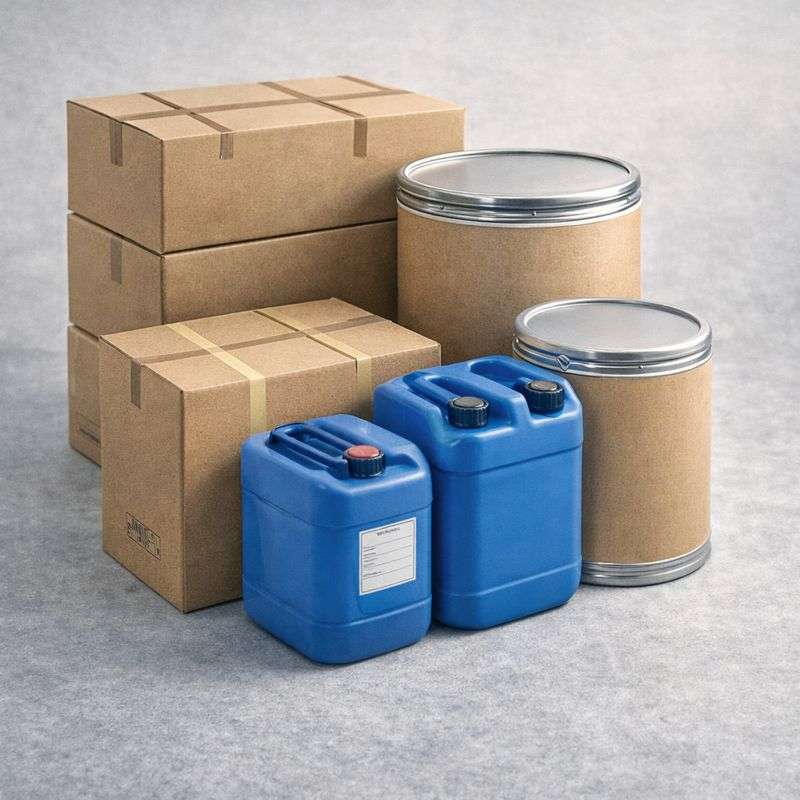
Packaging & Logistics
Sample Packing
Samples can be arranged for technical review, supplier comparison, and pilot evaluation.
Bulk Packing
Small packs and bulk packaging can be arranged according to specification, order quantity, and shipment plan.
Customization
Custom packing, selected labeling support, and specification communication can be discussed according to project scope and destination-market requirements.
Logistics & Documents
COA per batch, SDS/MSDS, and TDS/specification sheet are available on request. Shipment terms can be discussed under EXW, FOB, CIF, DAP, or DDP.
Supply, Documentation & Customization
Documents & Compliance
COA, SDS/MSDS, and TDS/spec sheet available based on product and market requirements.
Customization & Private Label
Custom packing, private label, and labeling support available depending on product type and order scope.
Commercial Support
Sample, lead time, and incoterm options can be discussed according to destination market and supply plan.
Why Source From Lifeworth
Peptide-route positioning support
Support for buyers who need clearer sourcing communication around oyster peptide produced from oyster meat rather than broad oyster-ingredient language.
Formulation-aware specification discussion
The product is presented with focus on peptide route, solubility profile, formulation fit, and technical review logic.
Batch documentation support
COA per batch with SDS/MSDS and TDS available for formulation, quality, and purchasing review.
Export-ready bulk coordination
Sample handling, packaging, and shipment planning can be arranged according to order scope and destination market.

FAQ
What is Oyster Peptide Powder?
Oyster Peptide Powder is a hydrolyzed marine protein ingredient produced from oyster-derived protein through controlled enzymatic processing.
What is the difference between oyster peptide and oyster extract?
Oyster extract is a concentrated oyster-derived ingredient, while oyster peptide is produced through hydrolysis and evaluated according to peptide-related characteristics.
How is oyster peptide produced?
Oyster peptide is generally produced through enzymatic hydrolysis, filtration, refining, drying, and quality evaluation processes.
What specifications should buyers review for oyster peptide?
Buyers typically review peptide content, molecular weight profile, solubility, moisture, sensory characteristics, microbiological limits, and documentation.
Is oyster peptide suitable for supplement formulations?
Yes, oyster peptide is commonly evaluated for capsule, tablet, powder blend, and liquid-oriented supplement projects.
Can samples and COA be provided?
Yes, samples and technical documents such as COA, SDS/MSDS, and TDS can be provided for evaluation.
Need more answers?
Explore our full FAQ library for documentation, compliance, shipping, and ordering guidelines.