
Phenibut HCl Powder
Lifeworth supplies phenibut HCl powder for qualified buyers requiring technical sourcing, analytical reference, or regulated project evaluation. We support specification confirmation, COA review, SDS/MSDS, sample discussion, and export-ready packaging based on market compliance requirements.
- Phenibut hydrochloride powder for qualified project review
- CAS 3060-41-1, with specification confirmation
- COA, SDS/MSDS, and TDS support available
- Sample and bulk packaging discussed by project
- Market compliance review required before purchase
Tell us your application, target specification, and destination market so we can support grade selection, documentation review, and packaging recommendations.

Quick Specs
Identity
INCI Name
Alias
CAS Number
Molecular Formula
Molecular Weight
Quality
Assay
Grade
Standards
Assay Method
Handling
Appearance
Form
Solubility
Applications
Commercial Terms
MOQ
MOQ depends on packaging and specification.
Lead Time
3–7 working days for standard items; bulk orders by schedule.
Incoterms
EXW / FOB / CIF / DAP / DDP
Sample
Free sample (shipping charged)
Quality & Documents
COA (per batch) • SDS/MSDS • TDS/Spec sheet (on request). Additional statements depend on product and market.
Product Overview
Phenibut HCl Powder is a hydrochloride salt form of 4-amino-3-phenylbutanoic acid used for qualified technical, analytical, and regulated project evaluation.
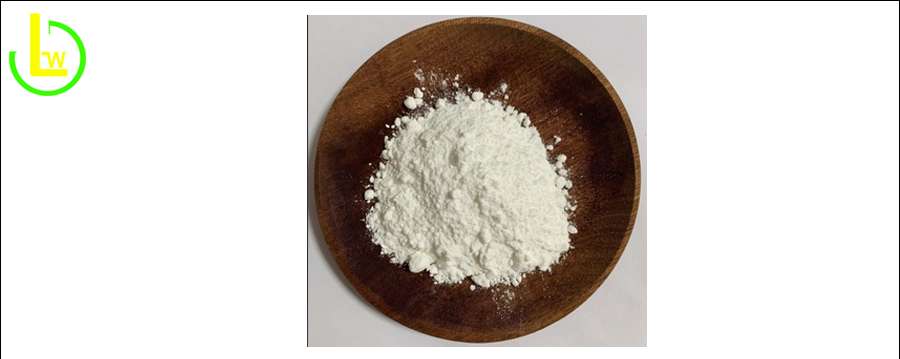
It is usually supplied as white to off-white crystalline powder, and buyers often review chemical form, CAS number, HPLC assay, impurity profile, heavy metals, residual solvents, microbial limits, and destination-market compliance before technical or commercial evaluation.
It is commonly considered for research, analytical reference, and controlled sourcing projects, with COA and SDS/MSDS available for sourcing reference.
Applications
Analytical and Laboratory Evaluation
Phenibut HCl powder can be considered for analytical method development, laboratory evaluation, and reference comparison projects where chemical identity, assay, and batch documentation are required. Buyers should confirm intended use, documentation scope, and local handling requirements before purchase.
Technical Sourcing Projects
For technical sourcing projects, buyers may evaluate phenibut HCl powder based on assay, particle size, moisture control, impurity profile, and packaging format. This application is suitable for qualified procurement teams that require controlled documentation and supplier qualification.
Regulated Product Development Review
Phenibut HCl may require strict regulatory review depending on the destination market and intended use. Buyers should not assume it is acceptable for dietary supplement, food, medicine, or consumer wellness applications without written regulatory confirmation.
Distributor and Export Evaluation
Ingredient distributors and international sourcing teams may review phenibut HCl powder for market-specific demand, documentation requirements, customs classification, and import compliance. Lifeworth can support document preparation according to the order and destination-market review.
How to Choose the Right Grade / Form
Standard Technical Grade
For general technical evaluation, buyers may choose 98% phenibut HCl powder by HPLC with routine COA and SDS/MSDS support. This grade is suitable when the project requires basic identity, assay, and handling documentation.
High-Assay Grade
For projects requiring tighter specification control, a 99% assay target may be preferred. Buyers should confirm impurity limits, residual solvents, moisture, and related substances rather than comparing suppliers only by assay percentage.
Documentation-Focused Grade
For export, distributor, or regulated project review, buyers should choose a grade supported by a complete document package, including COA, SDS/MSDS, TDS or specification sheet, and additional statements where available.
Project-Specific Grade
For custom sourcing projects, the preferred grade should be selected according to chemical form, assay basis, particle size, packaging size, destination market, and internal quality requirements.
Confirm the Chemical Form
The first specification point is whether the buyer requires phenibut free acid or phenibut hydrochloride. This page is positioned for phenibut HCl powder, commonly identified by CAS 3060-41-1.
Confirm the Assay and Method
Buyers should confirm whether the assay is measured by HPLC and whether the specification is calculated on the hydrochloride salt basis. This helps avoid confusion when comparing phenibut HCl with phenibut free acid.
Confirm Compliance Before Purchase
Phenibut has different regulatory treatment across markets and applications. Buyers should confirm local legality, import status, labeling restrictions, intended use, and downstream application before purchase or resale.
Technical & Formulation Notes
Technical Notes
Phenibut HCl should be specified by chemical form because phenibut free acid and phenibut hydrochloride have different CAS numbers, molecular weights, and commercial documentation requirements.
For procurement review, buyers should confirm CAS 3060-41-1, assay basis, appearance, identification method, impurity profile, residual solvents, and storage requirements before order confirmation.
Manufacturing & Process
Commercial phenibut HCl powder is produced through controlled chemical manufacturing, purification, crystallization, drying, and particle-size control processes.
Batch consistency should be evaluated through HPLC assay, identification, moisture or loss on drying, and impurity testing according to the agreed specification.
Compatibility / Formulation Notes
For technical handling, phenibut HCl powder should be protected from moisture exposure and stored in sealed packaging after opening.
For powder processing, buyers should evaluate particle size, flowability, and blending uniformity according to the intended technical use.
For analytical work, identity confirmation, HPLC assay, reference comparison, and impurity review should be completed before project use.
Phenibut HCl should not be positioned as a general dietary supplement ingredient in markets where this use is not permitted.
For any downstream consumer product, local regulatory, legal, and labeling review should be completed before formulation, import, or sale.
Extended QC & Test Items
Extended quality review may include appearance, identification, assay by HPLC, related substances, loss on drying, residue on ignition, residual solvents, heavy metals, arsenic, lead, cadmium, mercury, total plate count, yeast and mold, E. coli, and Salmonella.
For regulated markets, documentation and permissible use should be reviewed before purchase, import, processing, or resale.
Product specifications
| Test | Specification | Method |
|---|---|---|
| Appearance | White to off-white crystalline powder | Visual |
| Identification | Conforms to reference standard | HPLC / IR |
| Assay | 98.0% or 99.0% min | HPLC |
| Loss on Drying | Per agreed specification | USP / In-house |
| Residue on Ignition | Per agreed specification | USP / In-house |
| Related Substances | Per agreed specification | HPLC |
| Residual Solvents | Per agreed specification | GC |
| Heavy Metals | Per agreed specification | ICP-MS / AAS |
| Lead | Per agreed specification | ICP-MS / AAS |
| Arsenic | Per agreed specification | ICP-MS / AAS |
| Cadmium | Per agreed specification | ICP-MS / AAS |
| Mercury | Per agreed specification | ICP-MS / AAS |
| Total Plate Count | Per agreed specification | USP / ISO |
| Yeast & Mold | Per agreed specification | USP / ISO |
| E. coli | Negative | USP / ISO |
| Salmonella | Negative | USP / ISO |
Storage, Shelf Life & Packaging
Storage
Store phenibut HCl powder in a tightly sealed container in a cool, dry, and well-ventilated place.
Protect from moisture, direct sunlight, heat, and incompatible materials during storage, handling, and transportation.
Shelf Life
Typical shelf life is 24 months when stored in unopened original packaging under recommended conditions.
The actual shelf life should be confirmed according to the batch COA, packaging format, and storage environment.
Packaging & Logistics
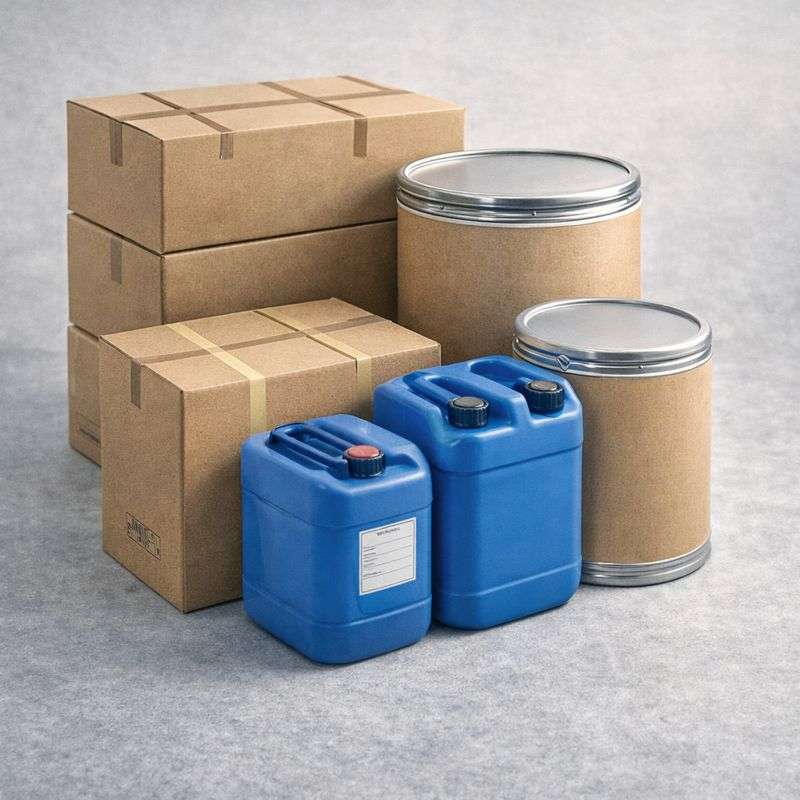
Standard Packing: Inner double PE bags + outer fiber drum / carton (or aluminum foil bag). Sample package:10g / 20g /50g / 100g Net Weight Options: 1 kg / 5 kg / 10 kg / 25 kg (customizable). Palletizing: Export-grade palletized shipment with stretch film and corner protection. Shipping Methods: Air freight / Sea freight / Express (DHL/UPS/FedEx). Lead Time: Typically 3–7 working days (subject to stock and QC release). Labeling: Product name, batch/lot No., manufacturing date, expiry date, storage conditions.
Supply, Documentation & Customization
Documents & Compliance
COA, SDS/MSDS, and TDS/spec sheet available based on product and market requirements.
Customization & Private Label
Custom packing, private label, and labeling support available depending on product type and order scope.
Commercial Support
Sample, lead time, and incoterm options can be discussed according to destination market and supply plan.
Why Source From Lifeworth
Defined Spec Clarity
We help buyers confirm chemical form, CAS number, assay basis, QC items, and documentation scope before order confirmation.
Compliance-Aware Sourcing
We support project review with attention to intended use, destination market, document requirements, and regulatory limitations.
Batch Documentation Support
Commercial batches can be supported with COA, SDS/MSDS, and agreed quality documents for internal review and procurement records.
Export-Ready Bulk Supply
We support qualified sample evaluation, bulk packaging, and export documentation preparation according to permitted market requirements.

FAQ
Need more answers?
Explore our full FAQ library for documentation, compliance, shipping, and ordering guidelines.