
Plant Sterol Esters
For buyers comparing phytosterol routes, Plant Sterol Esters are often reviewed when esterification route, formulation fit, specification logic, and document support all matter.
Esterified phytosterol route for specification-based sourcing
Commonly reviewed beyond regular source-based phytosterols alone
Suitable for nutraceutical, food, and related formulation systems
COA, SDS/MSDS, and TDS support available
Sample and bulk packing discussion available
Tell us your application, target specification, and destination market so we can support grade selection, documentation review, and packaging recommendations.
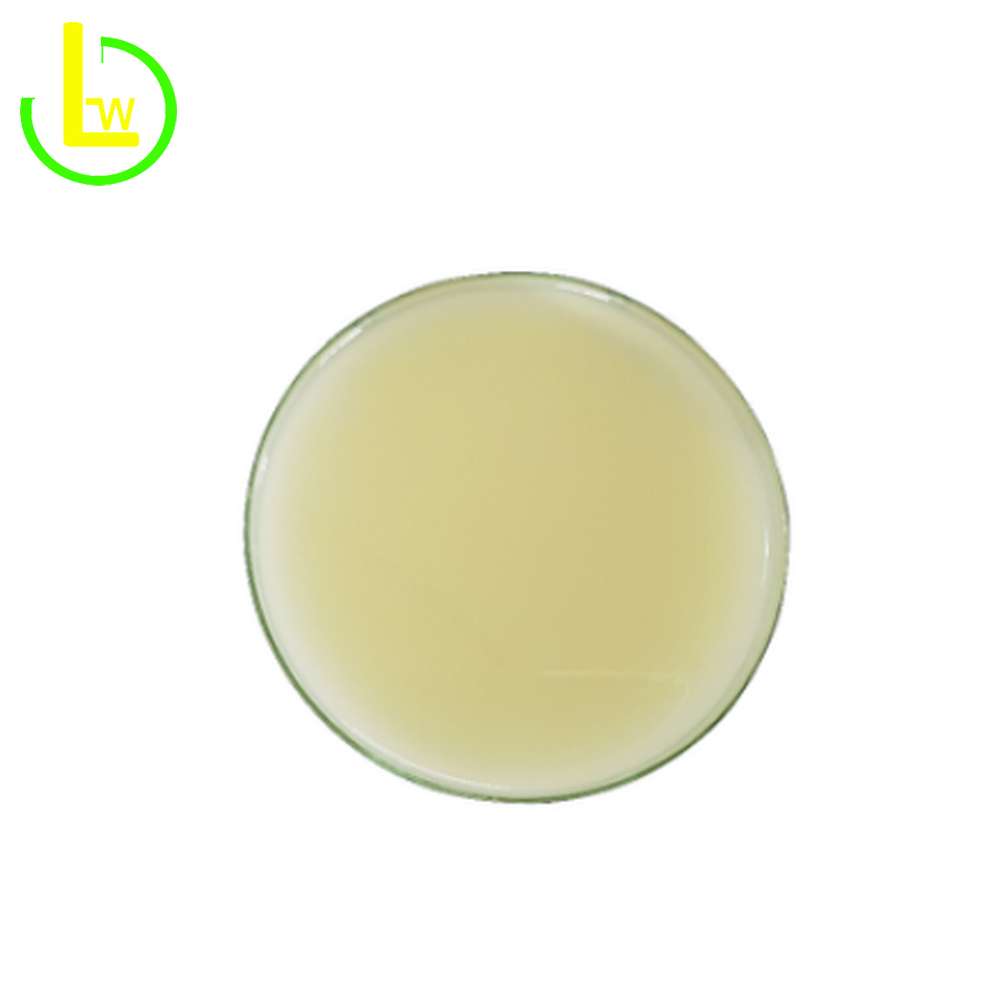
Quick Specs
Identity
INCI Name
Alias
Quality
Assay
Grade
Standards
Assay Method
Handling
Appearance
Form
Solubility
Applications
Commercial Terms
MOQ
MOQ depends on packaging and specification.
Lead Time
3–7 working days for standard items; bulk orders by schedule.
Incoterms
EXW / FOB / CIF / DAP / DDP
Sample
Free sample (shipping charged)
Quality & Documents
COA (per batch) • SDS/MSDS • TDS/Spec sheet (on request). Additional statements depend on product and market.
Product Overview
Plant Sterol Esters are esterified phytosterol ingredients commonly used in nutraceutical, food, and related formulation systems that require an ester route rather than regular phytosterols alone.
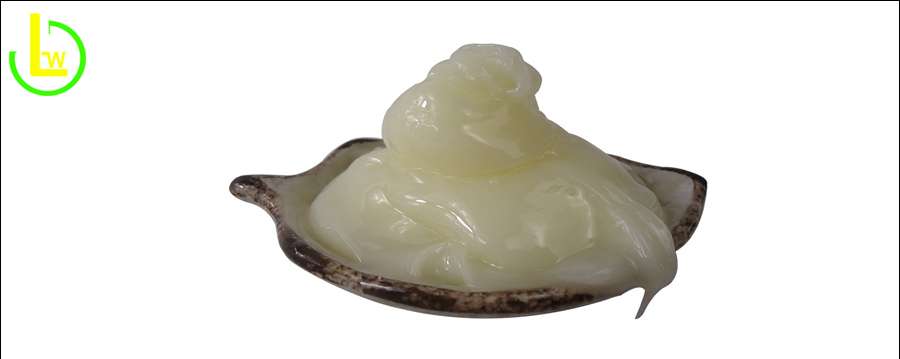
They may be supplied as powder, oil, semi-solid paste, or other agreed commercial form, and buyers often review ester route positioning, formulation fit, and document scope before technical or commercial evaluation.
They are commonly considered for supplement, food, and formulation-oriented ingredient development, with COA, SDS/MSDS, TDS, and sample support available for sourcing reference.
Applications
Nutraceuticals & Dietary Supplements
Suitable for supplement systems where an esterified phytosterol route is preferred over regular phytosterol materials alone. Buyers often compare specification basis, formulation fit, and documentation before finalizing the sourcing direction.
Functional Food Applications
Suitable for food-related systems where ester route positioning matters and the selected specification needs to match the intended formulation concept and processing path.
Related Formulation Projects
May be considered in formulation-oriented systems where an esterified phytosterol route is more suitable than a standard source-based sterol route.
Oil or Blend-Oriented Systems
May be reviewed in selected systems where route selection depends on how the esterified ingredient fits the broader matrix, handling profile, and processing design.
How to Choose the Right Grade / Form
For projects comparing regular phytosterols vs ester route
Confirm whether a standard phytosterol route is sufficient first. Some projects do not require esterification, so the need for an ester route should be clarified early.
For formulation-driven selection
Match the ester route to the target system. The esterified route should be selected according to intended formulation behavior, processing fit, and product design.
For food and supplement projects
Confirm specification basis before purchasing review. Ester route selection usually depends more on formulation fit and route-specific requirements than on broad phytosterol naming alone.
For export or multi-market projects
Confirm document scope early. Supporting document requirements may vary depending on application and destination market.
Technical & Formulation Notes
Technical Notes
Technical Notes
Plant Sterol Esters are typically reviewed when the project requires an esterified phytosterol route rather than a regular source-based phytosterol material or a single-sterol active. Buyers usually focus on ester route definition, specification basis, handling fit, and target application before confirming the product path.
Manufacturing & Process
The product may be discussed in powder, oil, semi-solid paste, or other agreed commercial form depending on downstream formulation needs. Selection generally depends on how the esterified sterol route is expected to perform in the target system and how the material fits the intended processing design.
Compatibility / Formulation Notes
For supplement systems, the ester route should be evaluated under actual formulation conditions to confirm compatibility, handling fit, and incorporation behavior. Pilot testing is recommended before scale-up.
For food-related systems, the selected ester route should match the target matrix, processing conditions, and formulation objective. Compatibility testing is recommended before commercial use.
For powder or dry systems, if supplied in a dry form, blending behavior, handling consistency, and compatibility with other ingredients should be checked in the intended formulation.
For oil or blend-oriented systems, if supplied in an oil or similar route, incorporation sequence, matrix fit, and process tolerance should be reviewed during development trials.
Plant Sterol Esters should be kept well closed and protected from excess moisture, heat, or unsuitable storage conditions according to the agreed product form.
Extended QC & Test Items
Technical review may include appearance, identification, ester route basis, moisture where applicable, and selected handling-related items according to the agreed specification. Final QC scope should follow the commercial route and product requirement.
Product specifications
| Test | Specification | Method |
|---|---|---|
| Appearance | Off-white to light yellow powder / oil / semi-solid paste / other agreed form | Visual |
| Identification | Conforms to agreed specification | Per specification |
| Product Type | Esterified phytosterol ingredient | Reference |
| Ester Basis | Per agreed specification | Per specification |
| Moisture / Loss on Drying | Per agreed specification | Per specification |
| Handling Characteristics | According to selected form | Per specification |
| Documents | COA per batch; SDS/MSDS and TDS available | Reference |
Storage, Shelf Life & Packaging
Storage
Store in a cool, dry place in tightly sealed containers.
Protect from moisture, heat, and direct sunlight where applicable.
Shelf Life
Shelf life should follow the agreed specification and original packing condition.
Packaging & Logistics
Sample Packing
Sample quantities may be arranged for evaluation and preliminary compatibility review.
Bulk Packing
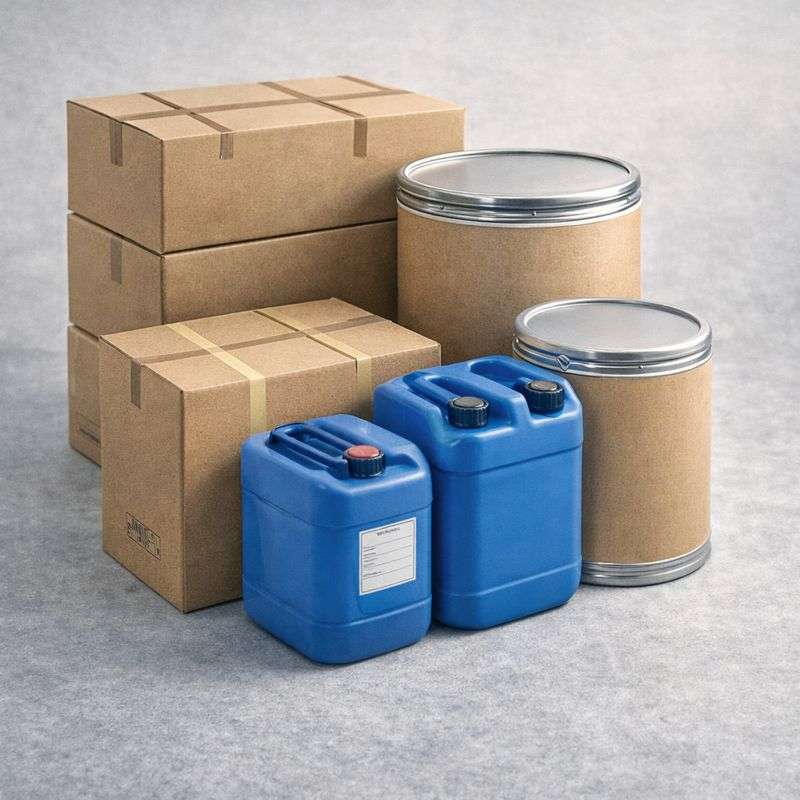
Standard export packing can be discussed according to the selected form, packing size, and order volume.
Customization
Project-based discussion may include form direction, packing format, and selected document alignment.
Logistics & Documents
COA, SDS/MSDS, TDS/specification sheet, and related commercial documents may be prepared according to the order and destination requirements.
Supply, Documentation & Customization
Documents & Compliance
COA, SDS/MSDS, and TDS/spec sheet available based on product and market requirements.
Customization & Private Label
Custom packing, private label, and labeling support available depending on product type and order scope.
Commercial Support
Sample, lead time, and incoterm options can be discussed according to destination market and supply plan.
Why Source From Lifeworth
Defined spec clarity
Specification discussion can be aligned around ester route definition, handling fit, and project requirement rather than broad phytosterol naming alone.
Customizable key target
Commercial form, packing direction, and selected supply details can be discussed according to the intended application.
Batch documentation support
Typical batch and technical documents can be prepared for sourcing review and purchasing reference.
Export-ready bulk supply
Sample coordination, bulk packing discussion, and shipment planning can be matched to practical export projects.

FAQ
1) What are Plant Sterol Esters mainly used for?
Plant Sterol Esters are mainly reviewed for nutraceutical, food, and related formulation systems where an esterified phytosterol route is required.
2) How are Plant Sterol Esters different from regular phytosterols?
Regular phytosterols are non-esterified sterol routes, while Plant Sterol Esters are usually reviewed when the project requires an esterified phytosterol direction for formulation or specification reasons.
3) Are Plant Sterol Esters suitable for food and supplement applications?
They may be considered for food and supplement systems depending on the target formulation, technical role, and specification requirement.
4) How do I know whether I need a sterol ester route?
The best starting point is to confirm whether the project requires an esterified route for formulation fit, handling logic, or route-specific product positioning.
5) What documents are usually available?
Typical support may include COA, SDS/MSDS, TDS/specification sheet, and selected supporting statements depending on the project.
6) How should Plant Sterol Esters be stored?
They should be stored in a cool, dry, well-closed condition and protected according to the agreed product form and handling requirement.
Need more answers?
Explore our full FAQ library for documentation, compliance, shipping, and ordering guidelines.