
Povidone / PVP Powder
Lifeworth supplies Povidone / PVP powder for pharmaceutical excipient and formulation applications. Available grades are typically selected according to K-value, molecular weight range, viscosity behavior, and specific formulation requirements.
The product range covers commonly requested Povidone grades such as K17, K30, K90, and K120, with documentation support and bulk sourcing solutions for manufacturers, distributors, and formulation projects.
- Common PVP grades from lower to very high K-value direction
- Suitable for excipient, coating, binder, formulation, and selected specialty applications
- COA, SDS/MSDS, and TDS/specification support available
- Sample discussion and export-oriented bulk supply support
Tell us your application, target specification, and destination market so we can support grade selection, documentation review, and packaging recommendations.
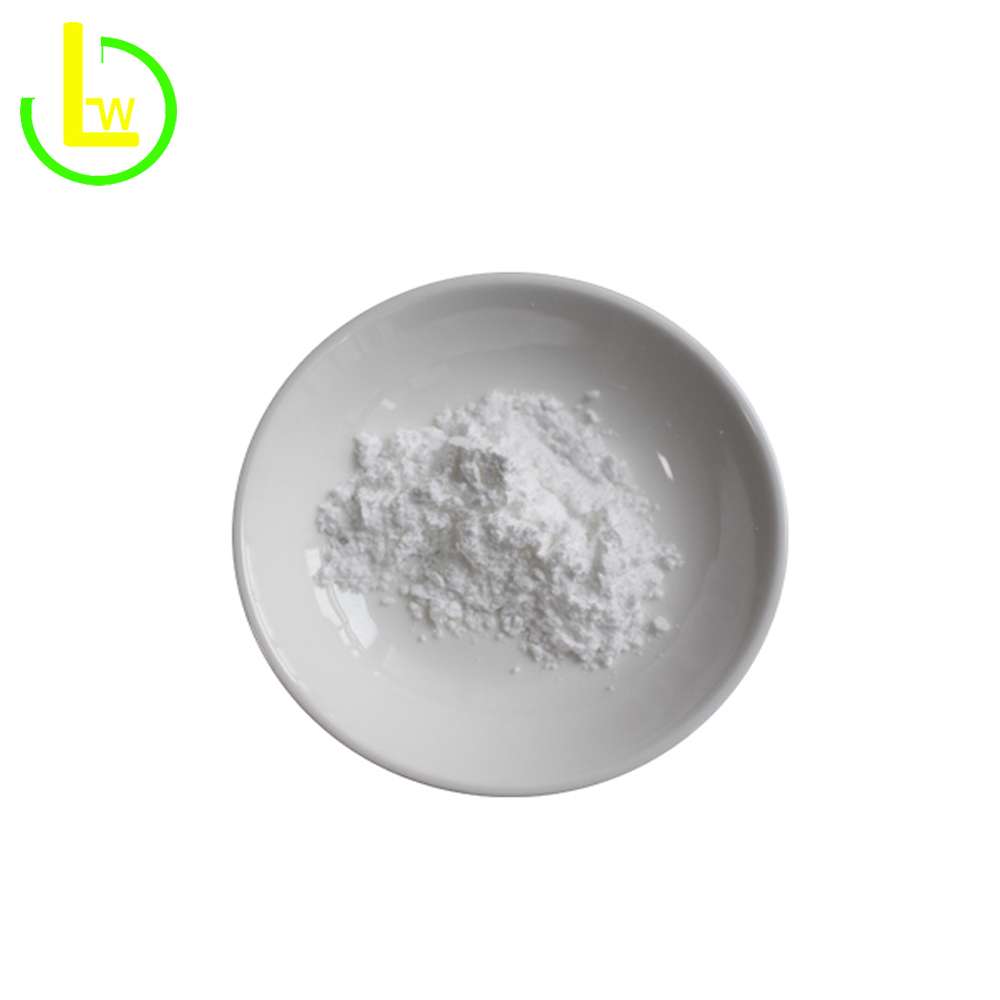
Quick Specs
Identity
INCI Name
Alias
CAS Number
Molecular Formula
Molecular Weight
Quality
Assay
Grade
Standards
Assay Method
Handling
Appearance
Form
Solubility
Applications
Commercial Terms
MOQ
MOQ depends on packaging and specification.
Lead Time
3–7 working days for standard items; bulk orders by schedule.
Incoterms
EXW / FOB / CIF / DAP / DDP
Sample
Free sample (shipping charged)
Quality & Documents
COA (per batch) • SDS/MSDS • TDS/Spec sheet (on request). Additional statements depend on product and market.
Product Overview
Povidone / PVP is a water-soluble polymer widely used as a pharmaceutical excipient, binder, film-forming agent, and formulation support material.
Commercial Povidone selection is mainly based on K-value, molecular weight range, viscosity characteristics, and intended formulation requirements. Different grades are typically evaluated according to their functional role, including binder systems, coating applications, solid dosage formulations, and other pharmaceutical development needs.
This page provides an overview of commonly supplied Povidone / PVP grades, helping buyers compare available options and identify the appropriate grade direction before specification confirmation and commercial sourcing.
| Grade | Typical Application Direction |
|---|---|
| Povidone K17 | Lower K-value grade generally considered for applications requiring lower molecular weight characteristics and lower viscosity behavior. |
| Povidone K30 | Common pharmaceutical PVP grade widely reviewed for binder, excipient, granulation, and general solid dosage formulation applications. |
| Povidone K90 | Higher K-value grade typically evaluated for applications requiring higher molecular weight characteristics and viscosity-related performance. |
| Povidone K120 | Very high K-value grade considered for specialized formulation requirements where a higher polymer performance profile is needed. |
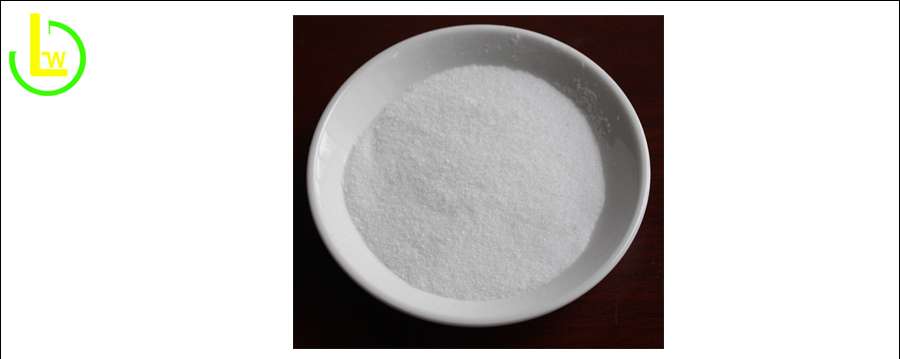
Comparison
Use the comparison below to identify which PVP grade range may be a better fit for your formulation or sourcing project.
| Criteria | Lower / Mid PVP Grades | Higher / Very High PVP Grades |
|---|---|---|
| Core position | Commonly reviewed when buyers need a lighter-to-mainstream soluble PVP route for excipient, binder, coating, and formulation projects where lower or moderate viscosity-related behavior is preferred. | Commonly reviewed when buyers need a stronger soluble polymer direction and a higher-viscosity-related PVP route for projects that require more pronounced polymer performance. |
| Best fit | Projects that require practical commercial grades such as K12, K15, K17, K25, or K30, with review focused on formulation fit, processing suitability, and commercially familiar supply options. | Projects that require K60, K90, or K120-type routes, with review focused on stronger polymer-direction performance, grade positioning, and suitability for the intended formulation system. |
| Formulation focus | Usually reviewed when the project needs a lighter or more broadly used PVP direction and where handling, solubility behavior, and standard formulation compatibility are key selection factors. | Usually reviewed when the project requires a higher K-value direction and where viscosity-related behavior, processing fit, and overall formulation demands are more critical in supplier review. |
| Buyer review focus | Buyers usually compare target K-value range, application fit, packaging format, document scope, and commercial practicality before final evaluation. | Buyers usually compare grade direction, viscosity-related expectations, technical suitability, packaging requirements, and documentation support before supplier selection. |
Applications
Povidone / PVP is widely used as a pharmaceutical excipient due to its water solubility, polymer compatibility, and formulation versatility.
Typical applications include:
Pharmaceutical excipient systems:
Used in tablet and capsule formulations where binding, processing support, or formulation adjustment is required.
Tablet binder applications:
Selected Povidone grades are commonly evaluated as binder materials according to formulation requirements and processing conditions.
Film coating systems:
Certain grades may be considered for coating-related applications requiring polymer film-forming characteristics.
Solubility and formulation support:
Povidone can be evaluated in formulation projects where polymer-based solubility support or compatibility is required.
Grade selection should be confirmed according to K-value, viscosity requirements, dosage form, and final formulation objectives.
How to Choose the Right Grade / Form
How to Choose the Right Povidone Grade
Choose lower K-value grades when
Your project requires lower viscosity characteristics and a lower molecular weight Povidone route. Grades such as K12, K15, and K17 may be considered according to formulation requirements.
For lower molecular weight Povidone applications, review Povidone K17.
Choose mid-range grades when
Your project requires a widely used commercial Povidone grade for general pharmaceutical excipient, binder, coating, or formulation applications.
Povidone K30 is one of the most commonly evaluated grades for pharmaceutical sourcing.
Choose higher K-value grades when
Your formulation requires higher molecular weight characteristics and higher viscosity-related polymer performance.
Povidone K90 may be considered for applications requiring a higher K-value route.
Choose very high K-value grades when
The project requires a higher molecular weight Povidone grade and specific polymer performance characteristics.
Povidone K120 may be considered for very high K-value applications.
Before ordering
Confirm intended application, dosage form, required K-value range, technical documents, packaging format, and destination requirements before final supplier evaluation.
Technical & Formulation Notes
Technical Notes
Povidone grades are commonly differentiated by K-value, molecular weight range, and viscosity characteristics.
For commercial evaluation, buyers usually confirm the required grade, application purpose, documentation requirements, and packaging format before order placement.
Different Povidone grades may provide different formulation characteristics, therefore final selection should be based on the specific product system and processing conditions.
Manufacturing & Process
The Povidone / PVP family is commonly positioned as a soluble polymer supply route for formulation and excipient-oriented projects where grade consistency, appearance control, and handling suitability are important.
For commercial review, process communication is usually linked to grade direction, batch consistency, packaging suitability, and storage stability rather than over-detailed manufacturing claims unless project-specific technical data are required.
Compatibility / Formulation Notes
Povidone / PVP grades should be evaluated within the target dosage form and formulation system rather than by family name alone.
For project review, buyers usually compare K-value direction, viscosity-related behavior, processing fit, packaging suitability, and document scope before selecting the final grade.
Final suitability should be confirmed according to the actual application, operating conditions, packaging plan, storage environment, and destination-market requirements.
Extended QC & Test Items
Depending on the intended use and selected grade, review may include appearance, identification, K-value direction, viscosity-related characteristics, loss on drying, heavy metals, microbial basis where applicable, and packaging integrity according to the agreed specification.
Product specifications
| Test | Specification | Method |
|---|---|---|
| Appearance | White to off-white powder | Visual |
| Polymer Family | Soluble Povidone / PVP | Reference |
| Grade Designation | K12 / K15 / K17 / K25 / K30 / K60 / K90 / K120 | Reference |
| Functional Role | Soluble polymer for excipient, binder, coating, formulation, and specialty review | Reference |
| Review Basis | K-value direction, viscosity-related characteristics, and application fit | Reference |
| Documents | COA per batch; SDS/MSDS and TDS available | Reference |
Storage, Shelf Life & Packaging
Storage
Store in tightly sealed containers in a cool, dry place.
Protect from moisture, contamination, and prolonged exposure during storage and transportation.
Shelf Life
Shelf life should follow the agreed specification and original packing condition for the selected grade.
Batch label, packaging integrity, and storage compliance should be checked before use.
Packaging & Logistics
Sample Packing
Small evaluation packs can be arranged for internal testing, grade comparison, and supplier review.
Bulk Packing
Common bulk packing formats can be discussed according to selected grade, shipment plan, and destination-market requirements.
Customization
Custom pack size, labeling format, and selected supply configuration may be arranged according to grade, project scope, and market requirements.
Logistics & Documents
COA, SDS/MSDS, TDS/specification sheet, and related shipment-support documents can be arranged according to the agreed supply plan.
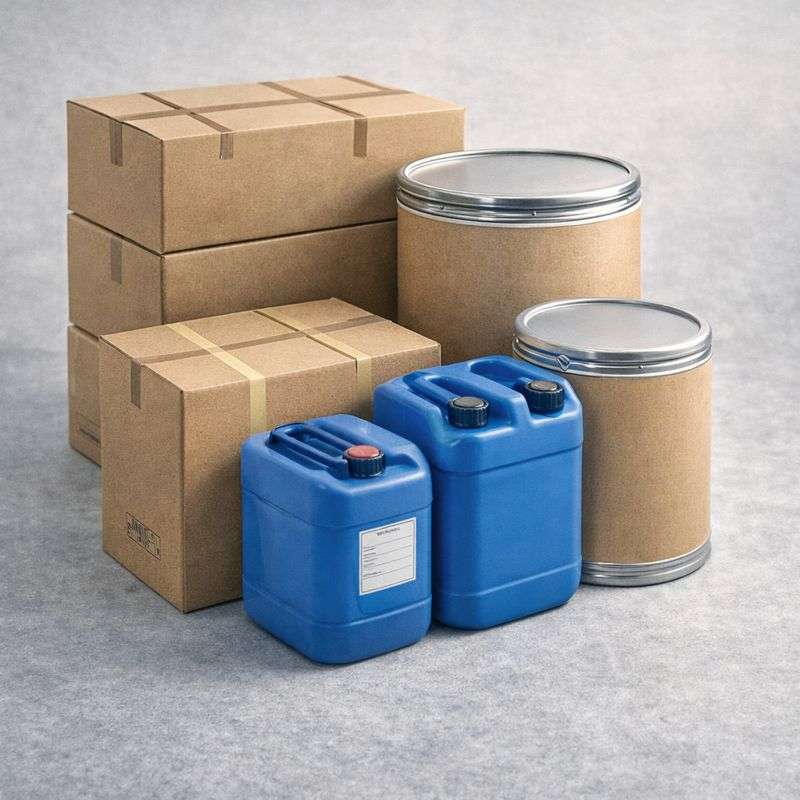
Supply, Documentation & Customization
Documents & Compliance
COA, SDS/MSDS, and TDS/spec sheet available based on product and market requirements.
Customization & Private Label
Custom packing, private label, and labeling support available depending on product type and order scope.
Commercial Support
Sample, lead time, and incoterm options can be discussed according to destination market and supply plan.
Why Source From Lifeworth
Povidone grade selection support
Support for buyers comparing different Povidone K-value grades according to formulation objectives, viscosity requirements, and application needs.
Pharmaceutical sourcing communication
Product discussion focused on grade suitability, technical documentation, packaging requirements, and commercial supply planning.
Documentation support
COA per batch with SDS/MSDS and TDS/specification documents available for technical and purchasing review.
Export-ready supply
Bulk packaging, labeling, and shipment coordination can be arranged for international sourcing projects.

FAQ
What is Povidone / PVP powder used for?
Povidone / PVP is commonly used as a pharmaceutical excipient for binder applications, film coating systems, and formulation support where a water-soluble polymer is required.
What is the difference between Povidone K30 and K90?
Povidone K30 and K90 mainly differ in K-value, molecular weight direction, and viscosity characteristics. K30 is a commonly selected commercial grade, while K90 is generally considered for higher molecular weight requirements.
Which Povidone grade is commonly used for pharmaceutical applications?
Povidone K30 is one of the most commonly evaluated grades for pharmaceutical excipient applications, although the suitable grade depends on the specific formulation and processing requirements.
Do you supply different Povidone K-value grades?
Yes. Lifeworth can support commonly requested Povidone grades including K17, K30, K90, and K120 according to project requirements.
Need more answers?
Explore our full FAQ library for documentation, compliance, shipping, and ordering guidelines.