
R-Alpha Lipoic Acid Sodium Salt/R-ALA Sodium
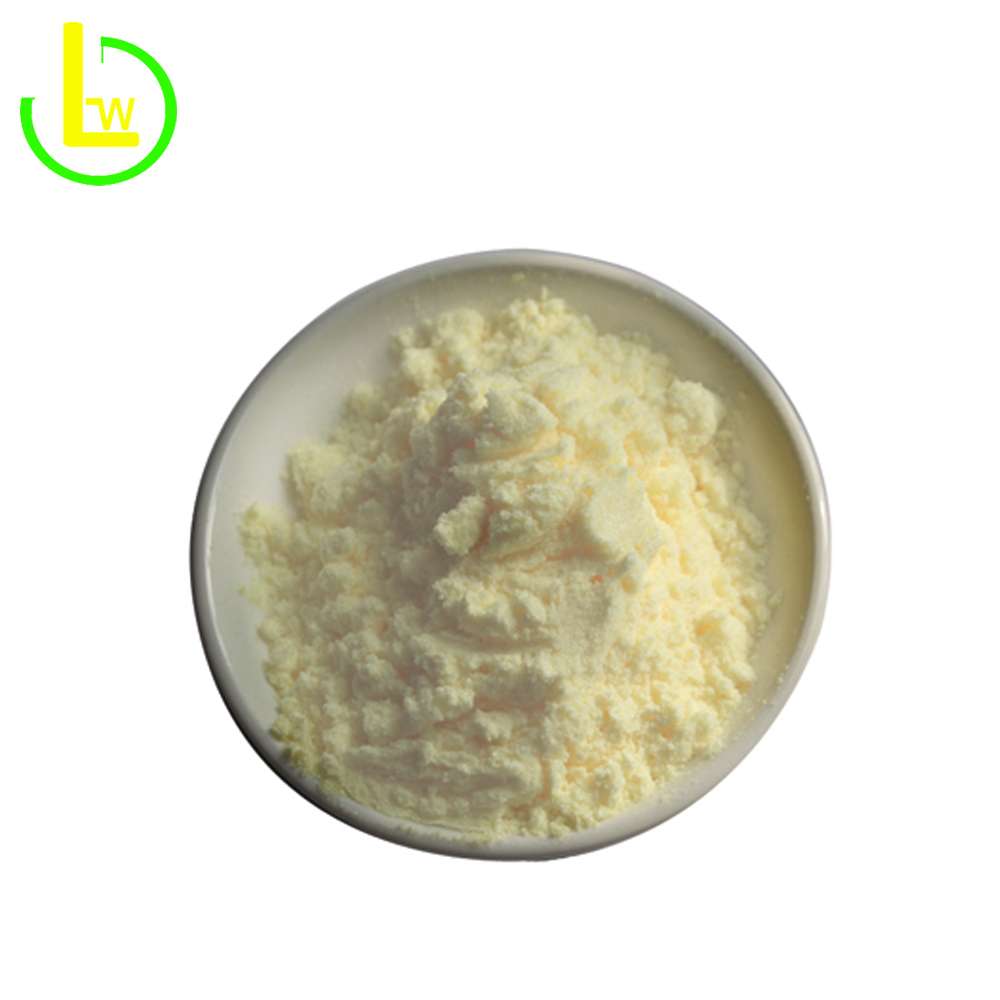
R-ALA Sodium is the sodium salt form of R-Alpha Lipoic Acid, also known as Sodium R-Lipoate, Na R-ALA, or NaRALA. Lifeworth supplies this material as a bulk powder for projects that specifically require the R-isomer sodium salt, with support for specification review, samples, technical documents, and export supply.
- Sodium R-Lipoate / Na R-ALA bulk powder
- Defined R-isomer sodium salt identity
- Suitable for specification-driven sourcing projects
- COA, SDS/MSDS, and TDS support
- Samples, export packaging, and bulk supply support
Tell us your application, target specification, and destination market so we can support grade selection, documentation review, and packaging recommendations.
Quick Specs
Identity
INCI Name
Alias
CAS Number
Molecular Formula
Molecular Weight
Quality
Assay
Grade
Standards
Assay Method
Handling
Appearance
Form
Solubility
Applications
Commercial Terms
MOQ
MOQ depends on packaging and specification.
Lead Time
3–7 working days for standard items; bulk orders by schedule.
Incoterms
EXW / FOB / CIF / DAP / DDP
Sample
Free sample (shipping charged)
Quality & Documents
COA (per batch) • SDS/MSDS • TDS/Spec sheet (on request). Additional statements depend on product and market.
Product Overview
R-Alpha Lipoic Acid Sodium Salt is the sodium salt form of R-Alpha Lipoic Acid and may also be identified as Sodium R-Lipoate, Na R-ALA, or NaRALA in commercial and technical documentation.
This product should be distinguished from free-acid R-Alpha Lipoic Acid. R-ALA refers to the R-isomer in its free-acid form, while R-ALA Sodium refers specifically to the corresponding sodium salt and should be sourced against the correct chemical identity and specification.
Sodium R-Lipoate is also commonly discussed in the market as a stabilized R-ALA route. For commercial sourcing, however, buyers should confirm the actual product identity, assay or purity, R-isomer requirement, analytical basis, and applicable specification rather than relying on marketing terminology alone.
Applications
Projects Requiring Sodium R-Lipoate
For formulations or customer specifications that explicitly require Sodium R-Lipoate, Na R-ALA, or NaRALA rather than free R-Alpha Lipoic Acid.
Solubility-Driven Formulation Evaluation
Sodium R-Lipoate may be evaluated when a formulation requires a sodium salt route with different solubility or handling characteristics from free-acid R-ALA. Final suitability should be confirmed through formulation testing and supplier data.
Stabilized R-ALA Route Evaluation
Some commercial formulations specify Sodium R-Lipoate as a stabilized R-ALA route. Buyers should confirm the exact chemical form and technical specification rather than relying on the term “stabilized R-ALA” alone.
Reference-Specification Projects
For existing formulas, customer COAs, TDS documents, or established ingredient specifications, Sodium R-Lipoate should be matched against the exact required identity, assay, R-isomer specification, and sodium salt form.
How to Choose the Right Grade / Form
Free R-ALA
Choose free R-Alpha Lipoic Acid when the specification requires the R-isomer in free-acid form.
Sodium R-Lipoate / Na R-ALA
Choose Sodium R-Lipoate when the formulation or customer specification specifically requires the sodium salt form.
If “Stabilized R-ALA” Is Listed
Confirm the exact chemical identity from the reference COA, TDS, or formulation specification before ordering, because commercial terminology may vary.
Technical & Formulation Notes
Technical Notes
Sodium Salt Identity
R-ALA Sodium refers specifically to the sodium salt of R-Alpha Lipoic Acid. Commercial documents may identify the same route as Sodium R-Lipoate, Na R-ALA, or NaRALA, so the exact chemical identity should be confirmed before sourcing.
R-Isomer Requirement
This material combines an R-isomer requirement with a sodium salt form. Both the stereochemical identity and the salt form should be reviewed against the applicable specification.
Stabilized R-ALA Terminology
Sodium R-Lipoate is commonly discussed in the market as a stabilized R-ALA route. Because commercial terminology varies, buyers should verify the actual material against the COA, TDS, or technical specification rather than relying on the term alone.
Form-Specific Review
Specifications for R-ALA Sodium should be reviewed independently from free R-Alpha Lipoic Acid because the two materials differ in chemical form and should not be treated as interchangeable raw materials.
Manufacturing & Process
Material Form Confirmation
Before production, confirm whether the manufacturing formula was developed for free R-ALA or Sodium R-Lipoate. Substituting one form for the other should not be assumed without technical evaluation.
Dissolution & Incorporation Route
Where Sodium R-Lipoate is selected for a specific formulation route, dissolution behavior, addition sequence, concentration, and processing conditions should be evaluated according to the finished formulation and supplier data.
Process Consistency
For repeat commercial production, buyers should confirm that supplied batches maintain the agreed chemical identity, assay, R-isomer requirement, and relevant physical characteristics.
Scale-Up Review
When moving from laboratory evaluation to pilot or commercial production, confirm that the selected sodium salt form continues to meet formulation and processing requirements under actual manufacturing conditions.
Compatibility / Formulation Notes
Free-Acid vs Sodium Salt Compatibility
Free R-ALA and Sodium R-Lipoate should not automatically be treated as direct formulation substitutes. The selected form should match the original formula, technical requirement, or customer specification.
Solubility Profile Evaluation
Sodium R-Lipoate may be evaluated where a formulation requires a different solubility profile from free-acid R-ALA. Actual suitability should be confirmed using the applicable product data and formulation testing.
Multi-Ingredient Systems
In complex formulations, compatibility with minerals, acids, bases, excipients, and other active ingredients should be evaluated according to the complete formulation system.
Formulation Conditions
pH, moisture, processing temperature, ingredient concentration, and addition sequence may be relevant when evaluating the sodium salt route.
Existing Formulation Matching
For established products, a reference COA, TDS, current ingredient label, or existing formulation specification is particularly useful for confirming whether Sodium R-Lipoate is the correct replacement or sourcing route.
Extended QC & Test Items
Chemical Identity
Testing should confirm that the material is the sodium salt of R-Alpha Lipoic Acid rather than free R-ALA or another lipoic acid form.
Assay / Purity
Assay or purity should be reviewed against the agreed commercial specification and applicable analytical method.
R-Isomer Identity
The required R-isomer or enantiomeric identity should be confirmed independently from the general assay result where applicable.
Salt-Form Related Parameters
Where included in the agreed specification, sodium-related or other form-specific parameters should be reviewed to confirm the required Sodium R-Lipoate identity.
Impurities & Related Substances
Related substances, residual solvents, moisture-related parameters, or other impurity controls may be reviewed according to the specification and intended application.
Product specifications
| Test | Specification | Method |
|---|---|---|
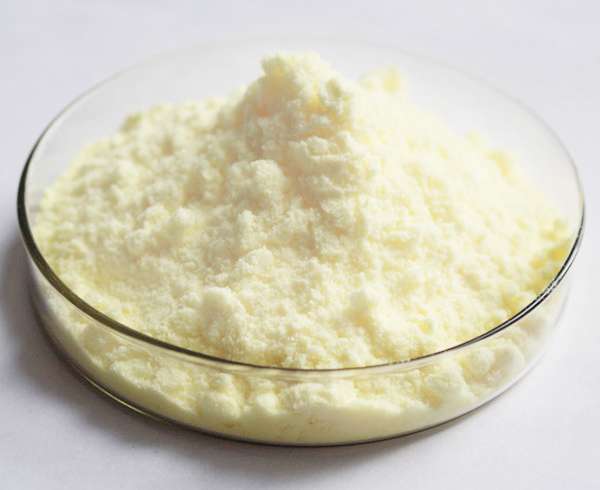
| Appearance | Off-white to light-yellow powder | Visual |
| Identification | Conforms to agreed specification | Per specification |
| Assay | According to agreed specification | Per specification |
| Loss on Drying | Per agreed specification | Per specification |
| Residue on Ignition | Per agreed specification | Per specification |
| Documents | COA per batch; SDS/MSDS and TDS available | Reference |
Storage, Shelf Life & Packaging
Storage
Store in a cool, dry place in tightly sealed containers.
Protect from moisture, heat, direct light, and prolonged exposure during storage and transportation.
Shelf Life
Shelf life should follow the agreed specification and original packing condition.
Batch label, packaging integrity, and storage compliance should be checked before use.
Packaging & Logistics
Sample Packing
Small evaluation packs can be arranged for technical review, supplier qualification, and pilot testing.
Bulk Packing
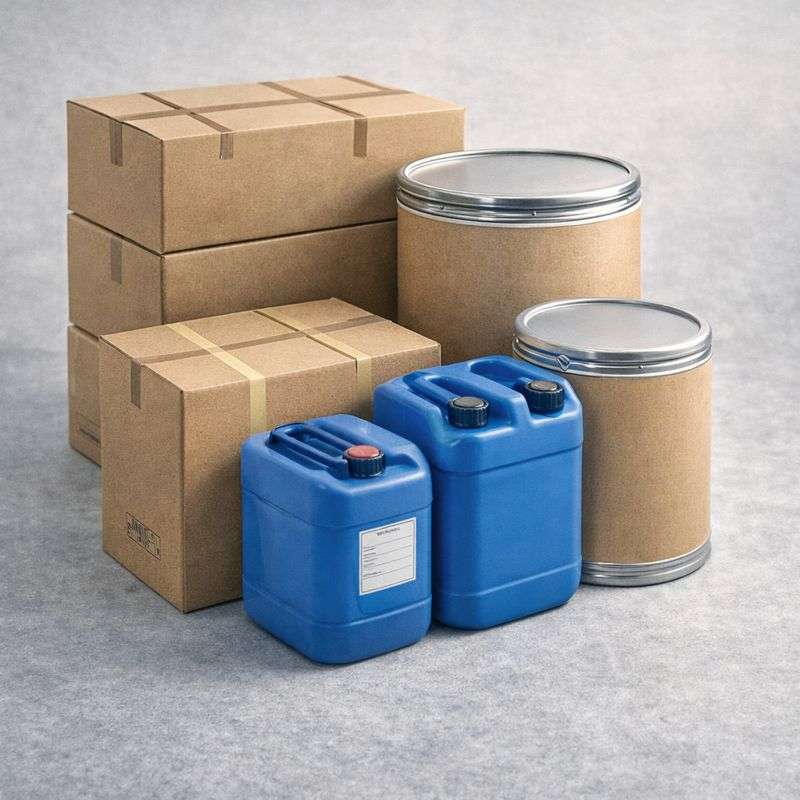
Common supply formats may include 1 kg, 5 kg, 10 kg, 20 kg, and 25 kg export packing depending on project and shipment arrangement.
Customization
Custom pack size, labeling format, and selected supply configuration may be arranged according to product scope and market requirements.
Logistics & Documents
COA, SDS/MSDS, TDS/specification sheet, and related shipment-support documents can be arranged according to the agreed supply plan.
Supply, Documentation & Customization
Documents & Compliance
COA, SDS/MSDS, and TDS/spec sheet available based on product and market requirements.
Customization & Private Label
Custom packing, private label, and labeling support available depending on product type and order scope.
Commercial Support
Sample, lead time, and incoterm options can be discussed according to destination market and supply plan.
Why Source From Lifeworth
Sodium Salt Specification Matching
Support for projects that specifically require Sodium R-Lipoate, Na R-ALA, or another defined R-ALA sodium salt specification, with product identity review before sampling or quotation.
Form Confirmation Before Supply
We help confirm whether the project requires free R-ALA or the sodium salt form, reducing the risk of selecting the wrong material for an existing formulation or customer specification.
Batch & Technical Documentation
Batch COA, SDS/MSDS, TDS, and available technical documents can be provided according to the selected Sodium R-Lipoate specification.
Sample Evaluation & Scale-Up
Samples can be arranged for formulation or quality evaluation before pilot and commercial purchasing, particularly where salt form, solubility profile, or processing behavior needs to be confirmed.
Bulk Supply & Export Coordination
Support is available for bulk packaging, labeling requirements, export documentation, and international shipment planning according to order quantity and destination.

FAQ
1) What is Sodium R-Lipoate?
Sodium R-Lipoate is the sodium salt of R-Alpha Lipoic Acid. It may also be described as R-ALA Sodium, Na R-ALA, NaRALA, or R-Alpha Lipoic Acid Sodium Salt in commercial and technical documentation.
2) Is R-ALA Sodium the same as free R-Alpha Lipoic Acid?
No. Free R-Alpha Lipoic Acid refers to the R-isomer in the free-acid form, while R-ALA Sodium refers to its sodium salt. These should be treated as separate raw-material forms and sourced against the correct specification.
3) What does “stabilized R-ALA” mean?
In the commercial market, “stabilized R-ALA” is commonly used when referring to Sodium R-Lipoate or related stabilized R-ALA forms. Because terminology may vary between suppliers and formulations, buyers should confirm the exact chemical identity from the COA, TDS, or product specification.
4) Is Sodium R-Lipoate also called Na R-ALA or NaRALA?
Yes. Na R-ALA and NaRALA are commonly used commercial abbreviations for Sodium R-Lipoate. The exact product identity, assay, and specification should still be confirmed before purchasing.
5) Why might a formulation specify Sodium R-Lipoate instead of free R-ALA?
A formulation may specify the sodium salt route because of its defined ingredient form, formulation design, solubility profile, processing requirements, or an existing customer specification. Suitability should be confirmed against the actual formulation and technical data.
6) What should I confirm when sourcing R-ALA Sodium powder?
Buyers should confirm the exact chemical form, assay or purity, R-isomer requirement, sodium salt specification, analytical method, physical characteristics, packaging, and any customer-specific quality requirements.
7) Can you provide samples, COA, SDS/MSDS, and TDS?
Yes. Samples and available technical documents, including batch COA, SDS/MSDS, and TDS, can be arranged according to the selected Sodium R-Lipoate specification and project requirements.
Need more answers?
Explore our full FAQ library for documentation, compliance, shipping, and ordering guidelines.