
Rubidium Carbonate
Lifeworth supplies Rubidium Carbonate powder for specialty chemical sourcing, with defined purity specifications, trace-metal review, technical documentation, evaluation samples, and bulk supply support for commercial and research projects.
- High-Purity Rubidium Carbonate Powder
- CAS 584-09-8 / Rb?CO?
- 99.9% Specification Available
- Trace-Metal & Impurity Review
- Sample & Bulk Supply Support
Tell us your application, target specification, and destination market so we can support grade selection, documentation review, and packaging recommendations.
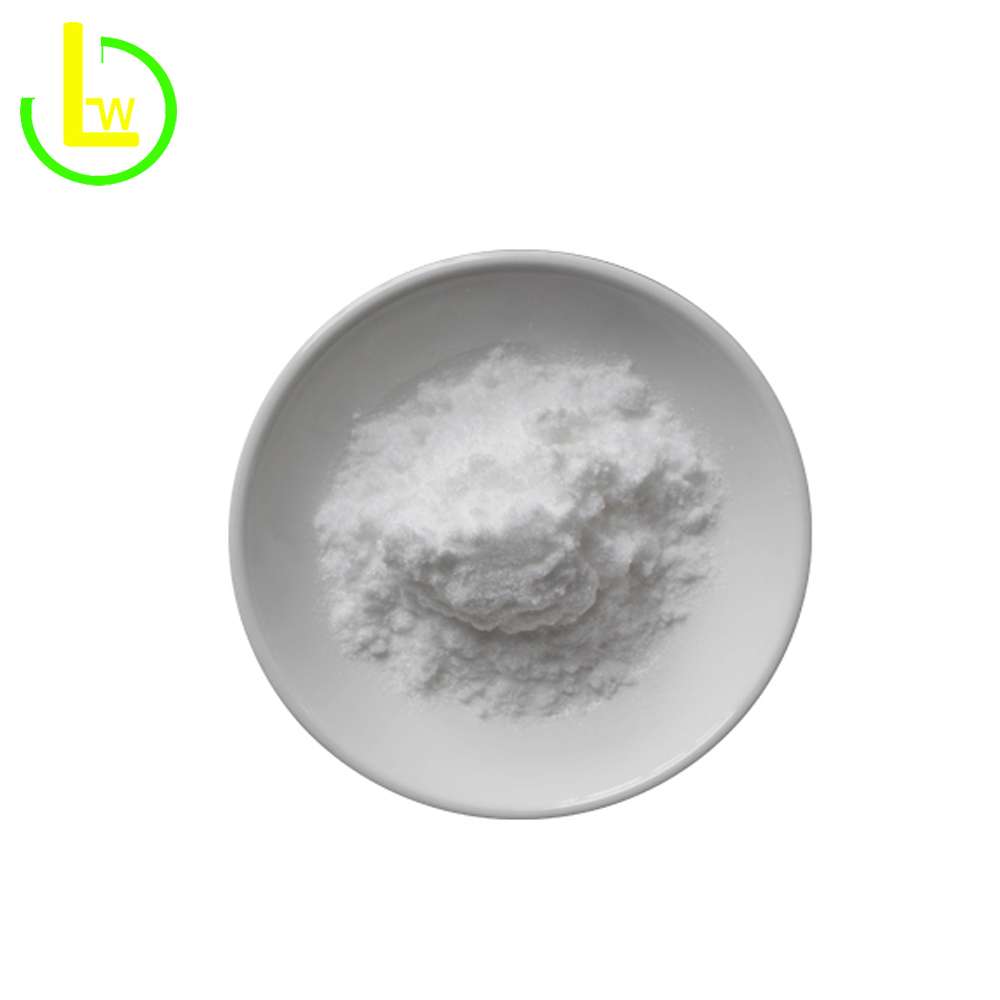
Quick Specs
Identity
INCI Name
Alias
CAS Number
Molecular Formula
Molecular Weight
Quality
Assay
Grade
Handling
Appearance
Form
Solubility
Applications
Commercial Terms
MOQ
MOQ depends on packaging and specification.
Lead Time
3–7 working days for standard items; bulk orders by schedule.
Incoterms
EXW / FOB / CIF / DAP / DDP
Sample
Free sample (shipping charged)
Quality & Documents
COA (per batch) • SDS/MSDS • TDS/Spec sheet (on request). Additional statements depend on product and market.
Product Overview
Rubidium Carbonate is a high-purity inorganic rubidium salt commonly sourced for specialty glass, chemical synthesis, research, and selected advanced-material applications.
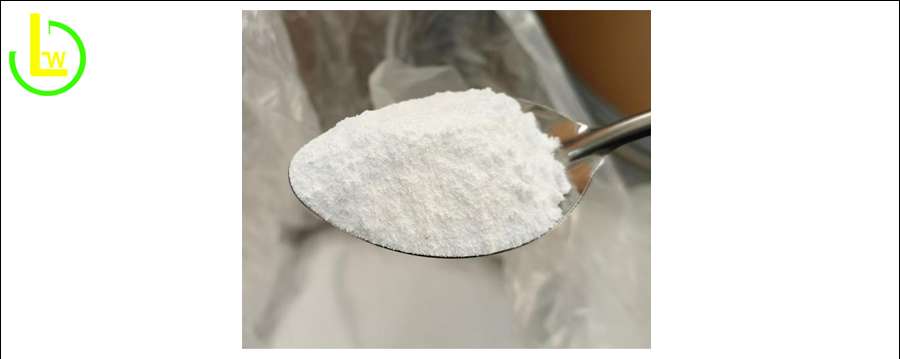
It is typically supplied as a white crystalline powder with defined purity and impurity specifications, and buyers often review total assay, trace-metal profile, moisture sensitivity, and batch documentation before technical or commercial evaluation.
It is commonly considered for rubidium salt synthesis, specialty glass and ceramic systems, and research or specialty chemical processes, with specification matching, evaluation samples, and bulk supply support available for sourcing projects.
Applications
Specialty Glass & Ceramics
Rubidium Carbonate may be used as a rubidium source in selected specialty glass and ceramic formulations where controlled alkali composition or specific material properties are required. Buyers should review purity and alkali-metal impurity limits according to the glass or ceramic system.
Rubidium Salt Synthesis
Rubidium Carbonate is commonly considered as a precursor for preparing other rubidium compounds and specialty salts. For synthesis projects, assay, impurity profile, solubility, and batch consistency may be important for downstream reaction control and product purity.
Research & Specialty Chemicals
High-purity Rubidium Carbonate is used in laboratory, research, and specialty chemical projects requiring a defined rubidium source. Smaller evaluation quantities and detailed batch documentation may be particularly important during initial technical qualification.
Advanced Materials & Chemical Processes
Rubidium Carbonate may also be considered in selected catalyst, material-development, and specialty inorganic processes. The required purity and impurity limits should be defined according to the intended process rather than relying on total assay alone.
How to Choose the Right Grade / Form
Purity Level
Rubidium Carbonate is commercially available in different purity levels for industrial, synthesis, research, and high-purity applications. Buyers should select the required assay according to the downstream process and impurity tolerance rather than assuming that the highest available purity is always necessary.
Trace-Metal Impurity Profile
For high-purity applications, the concentration and distribution of residual metals may be as important as total assay. Potassium, sodium, cesium, calcium, magnesium, iron, and other trace elements should be reviewed according to the intended glass, synthesis, research, or material application.
Physical & Application Requirements
Particle form, moisture condition, solubility behavior, packaging, and handling requirements may also affect material selection. Buyers should define the intended process and critical specification limits before comparing samples or commercial quotations.
Technical & Formulation Notes
Technical Notes
For high-purity Rubidium Carbonate sourcing, total assay alone may not fully define material suitability. Buyers should review the stated purity together with relevant trace-metal impurities, such as potassium, sodium, cesium, calcium, magnesium, and iron where applicable to the intended process.
Manufacturing & Process
Commercial Rubidium Carbonate is produced through purification and conversion of rubidium-containing feedstocks, followed by concentration or crystallization, drying, and particle control according to the required product specification. Exact manufacturing and purification routes may vary by producer and purity target.
Compatibility / Formulation Notes
Aqueous Processing
Rubidium Carbonate is soluble in water and may be introduced into suitable aqueous chemical systems according to process requirements. Concentration, pH, other ionic components, and downstream reaction conditions should be evaluated for the intended process.
Chemical Synthesis
For synthesis of other rubidium salts or specialty compounds, buyers should review stoichiometric requirements together with assay and impurity limits. Laboratory or pilot evaluation is recommended when downstream product purity is sensitive to alkali-metal or trace-metal impurities.
Glass & Material Systems
For glass, ceramic, and advanced-material applications, batch composition and impurity tolerance should be evaluated together with other raw materials in the system. Technical qualification should be based on the actual production or pilot process.
Moisture & Handling
Rubidium Carbonate is moisture-sensitive and should be protected from prolonged exposure to humid air during weighing, processing, and storage. Containers should be resealed promptly after opening to help maintain consistent material condition.
Extended QC & Test Items
Technical evaluation may include Rubidium Carbonate assay, alkali-metal impurities, trace metals, insoluble matter, moisture or water content, particle characteristics, and other agreed quality items. Batch COA and supporting technical documents should be reviewed against the approved purchasing specification before commercial supply.
Product specifications
| Test | Specification | Method |
|---|---|---|
| Appearance | White Crystalline Powder | Visual |
| Rubidium Carbonate Assay | 99.9% Option Available | Agreed Method |
| Identification | Conforms to Specification | Agreed Method |
| Potassium (K) | Per Agreed Specification | Agreed Method |
| Sodium (Na) | Per Agreed Specification | Agreed Method |
| Cesium (Cs) | Per Agreed Specification | Agreed Method |
| Calcium (Ca) | Per Agreed Specification | Agreed Method |
| Magnesium (Mg) | Per Agreed Specification | Agreed Method |
| Iron (Fe) | Per Agreed Specification | Agreed Method |
| Other Trace Metals | Per Agreed Specification | Agreed Method |
| Insoluble Matter | Per Agreed Specification | Agreed Method |
| Moisture / Water Content | Per Agreed Specification | Agreed Method |
Storage, Shelf Life & Packaging
Storage
Store Rubidium Carbonate in a tightly sealed container in a cool, dry place, protected from moisture, contamination, and prolonged exposure to humid air.
After opening, the package should be resealed promptly and handled under suitable dry conditions to maintain consistent product quality.
Shelf Life
According to the manufacturer’s specification and recommended storage conditions.
Packaging & Logistics
Sample Packing
Evaluation samples can be arranged for material identification, impurity review, laboratory testing, and initial process qualification before commercial purchasing.
Bulk Packing
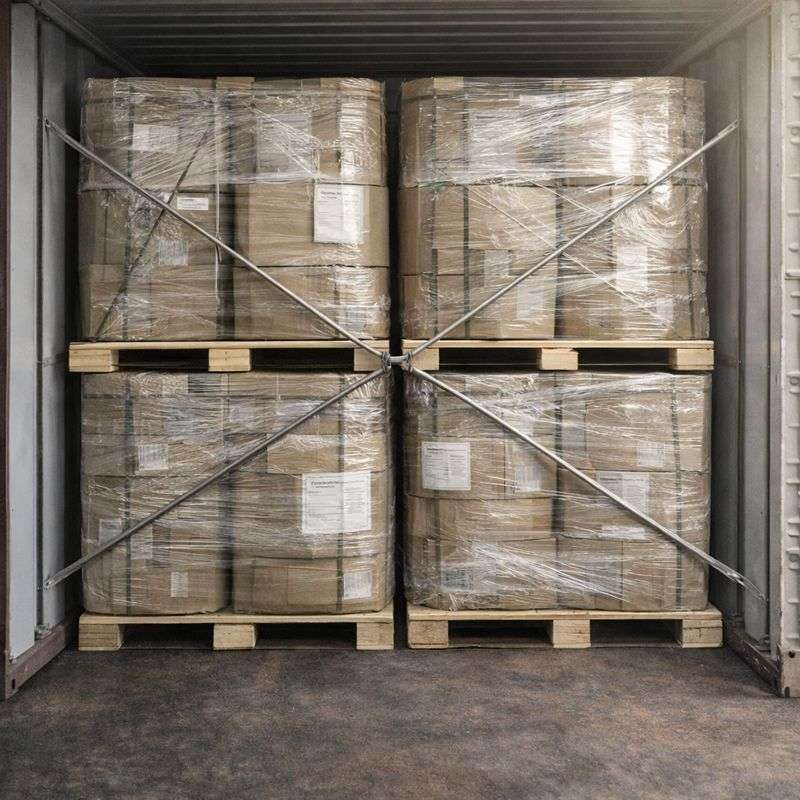
Commercial quantities can be supplied in sealed, moisture-protective packaging according to the required product specification, order quantity, and transportation conditions.
Specification Customization
Project-specific requirements may include purity target, individual trace-metal limits, particle characteristics, packaging format, labeling, and other technical parameters. Feasibility should be confirmed according to the required specification and commercial quantity.
Logistics & Documents
Lifeworth supports sample and bulk international shipments together with available COA, TDS, SDS, packing documents, and other technical files required for supplier qualification, import review, and commercial purchasing.
Supply, Documentation & Customization
Documents & Compliance
COA, SDS/MSDS, and TDS/spec sheet available based on product and market requirements.
Customization & Private Label
Custom packing, private label, and labeling support available depending on product type and order scope.
Commercial Support
Sample, lead time, and incoterm options can be discussed according to destination market and supply plan.
Why Source From Lifeworth
Defined Specification Clarity
We help buyers define the required purity, critical impurity limits, physical requirements, packaging, and application conditions before quotation and sample evaluation.
Trace-Metal Specification Matching
High-purity projects may require tighter control of potassium, sodium, cesium, iron, or other trace elements. We coordinate suitable supply options according to the requested impurity profile rather than comparing materials by total assay alone.
Batch Documentation Support
Commercial batches can be supported with available COA, TDS, SDS, and related technical documentation for supplier qualification, incoming inspection, and internal quality review.
Sample-to-Bulk Supply Coordination
Evaluation samples can be arranged before commercial purchasing, with follow-up support for specification confirmation, bulk packing, labeling, export documents, and international shipment coordination.

FAQ
1) What purity of Rubidium Carbonate is available?
High-purity Rubidium Carbonate, including a 99.9% specification, can be supplied for suitable projects. Other purity requirements should be confirmed according to the intended application, impurity limits, and commercial quantity.
2) Is 99.9% purity enough to compare different Rubidium Carbonate suppliers?
Not necessarily. Two materials with the same total assay may have different potassium, sodium, cesium, iron, or other trace-metal profiles. For high-purity applications, buyers should compare both total assay and the impurities most relevant to the intended process.
3) What is the formula and molecular weight of Rubidium Carbonate?
The chemical formula of Rubidium Carbonate is Rb?CO?, and its molecular weight is approximately 230.94 g/mol. Its CAS number is 584-09-8.
4) Is Rubidium Carbonate soluble in water?
Yes. Rubidium Carbonate is soluble in water. For synthesis or process applications, the required concentration and compatibility with other components should be evaluated under the intended operating conditions.
5) What applications are commonly considered for Rubidium Carbonate?
Rubidium Carbonate is commonly considered for specialty glass and ceramic systems, synthesis of other rubidium salts, research and specialty chemical projects, and selected advanced-material or chemical processes.
6) Can Lifeworth provide samples and technical documents?
Yes. Evaluation samples can be arranged according to project requirements. Available documentation may include COA, TDS, SDS, specification information, packing documents, and other technical files depending on the selected material and sourcing requirement.
Need more answers?
Explore our full FAQ library for documentation, compliance, shipping, and ordering guidelines.