
Sodium Cocoyl Isethionate (SCI) Granules 80–85%
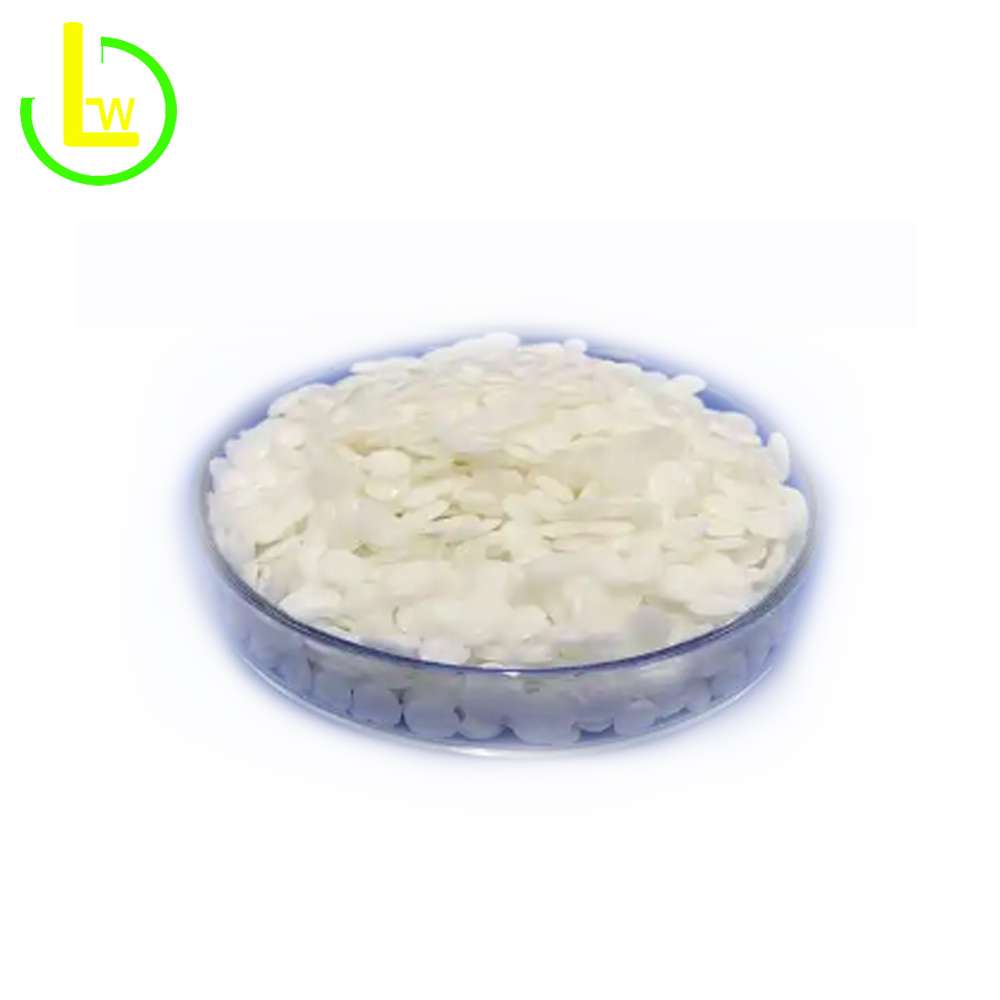
Sodium Cocoyl Isethionate Granules are supplied for syndet bars, shampoo bars and structured cleansers, with specification review, samples, batch documents and bulk export support available.
• SCI Granules with 80–85% active matter
• Granular form for improved flow and cleaner batching
• Suitable for syndet bars, shampoo bars and structured cleansers
• Bulk supply with COA, TDS and SDS/MSDS support
Tell us your application, target specification, and destination market so we can support grade selection, documentation review, and packaging recommendations.
Quick Specs
Identity
INCI Name
CAS Number
Molecular Formula
Molecular Weight
Quality
Assay
Grade
Assay Method
Handling
Appearance
Form
Solubility
Applications
Commercial Terms
MOQ
MOQ depends on packaging and specification.
Lead Time
3–7 working days for standard items; bulk orders by schedule.
Incoterms
EXW / FOB / CIF / DAP / DDP
Sample
Free sample (shipping charged)
Quality & Documents
COA (per batch) • SDS/MSDS • TDS/Spec sheet (on request). Additional statements depend on product and market.
Product Overview
Sodium Cocoyl Isethionate Granules are a granular SCI form commonly selected for improved flow, cleaner batching and more consistent raw-material feeding in solid cleansing production.
They are generally supplied with 80–85% active matter, and buyers typically review active matter, granule consistency, moisture, flow behavior, processing compatibility and batch documentation before technical or commercial evaluation.
SCI Granules are commonly considered for syndet bars, shampoo bars, facial cleansing bars and structured rinse-off systems, with sample evaluation, COA, TDS, SDS/MSDS and bulk sourcing support available for procurement reference.
Applications
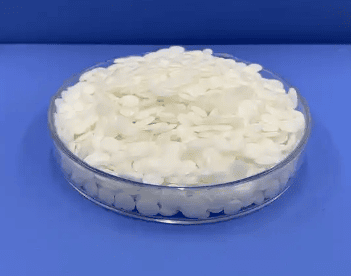
SCI Granules are commonly selected for syndet bar formulations where improved flow, cleaner batching and predictable raw-material feeding are important during routine production. Their granular form may support easier transfer and more consistent weighing when the complete surfactant base and manufacturing sequence have been properly evaluated.
For shampoo bar projects, SCI Granules provide a high-active solid surfactant option for manufacturers seeking a more manageable granular form for plant-side batching. Processing temperature, mixing sequence, compatibility with co-surfactants and final bar hardness should be confirmed through pilot testing.
SCI Granules may also be considered for facial cleansing bars where formulators require a structured surfactant raw material with practical transfer and batching characteristics. Finished-product suitability depends on the complete formulation, processing method and target product profile.
In structured solid or semi-solid rinse-off systems, the granular form may be evaluated where flow behavior, batch consistency and production feeding are more important than ultra-fine dosing flexibility.
How to Choose the Right Grade / Form
For SCI Granules, product selection is generally based less on multiple named commercial grades and more on active matter, granule consistency, flow behavior, moisture, handling requirements and processing fit.
For syndet bar and shampoo bar manufacturing, buyers commonly review an 80–85% active matter specification together with granule uniformity and compatibility with the planned mixing or heated-processing route.
For larger-scale or repeated production, granule flow, transfer method, feeding equipment and batch size may be important because these factors can influence weighing efficiency and batch repeatability.
For structured cleanser projects, buyers should also consider whether the selected SCI Granules can be incorporated effectively with other surfactants, binders, fatty materials and process water.
The final SCI Granules option should be selected according to application requirements, production equipment, target specification and pilot-test results.
How to Choose the Right Grade
For SCI Granules, product selection is generally based less on multiple named commercial grades and more on active matter, granule consistency, flow behavior, moisture, handling requirements and processing fit.
For syndet bar and shampoo bar manufacturing, buyers commonly review an 80–85% active matter specification together with granule uniformity and compatibility with the planned mixing or heated-processing route.
For larger-scale or repeated production, granule flow, transfer method, feeding equipment and batch size may be important because these factors can influence weighing efficiency and batch repeatability.
For structured cleanser projects, buyers should also consider whether the selected SCI Granules can be incorporated effectively with other surfactants, binders, fatty materials and process water.
The final SCI Granules option should be selected according to application requirements, production equipment, target specification and pilot-test results.
Technical & Formulation Notes
Technical Notes
SCI Granules are evaluated primarily by active matter, granule consistency, flow behavior, moisture condition and compatibility with the intended production process. Their granular form may support cleaner transfer, more manageable batching and more consistent feeding than fine powder in suitable manufacturing environments.
Manufacturing & Process
The product is supplied in a controlled granular form for solid and structured cleansing applications. Batch handling focuses on maintaining physical-form consistency, protecting the material from moisture and confirming suitability for the customer’s transfer, weighing, feeding and surfactant-processing equipment.
Compatibility / Formulation Notes
SCI Granules should generally be treated as a process-incorporated solid surfactant rather than assumed to dissolve immediately under all formulation conditions. Incorporation behavior depends on temperature, water level, the surrounding surfactant system and the selected manufacturing method.
For syndet bars and shampoo bars, formulators may evaluate controlled heating, premixing, staged addition or other processing routes according to the complete formula. Co-surfactants, oils, fatty materials, binders and water content can influence processing behavior, texture and final bar hardness.
The granular form may support improved flow and cleaner batching, but compatibility with the customer’s transfer equipment, mixer design and feeding sequence should still be confirmed.
Pilot testing is recommended before commercial scale-up to verify processing temperature, mixing time, granule breakdown, incorporation sequence, batch consistency and finished-product performance.
Extended QC & Test Items
Typical quality review may include appearance, active matter, moisture, pH, free fatty acid, sodium isethionate, granule consistency and batch uniformity. The final test scope, specification limits and methods should be confirmed according to the selected product specification and batch COA.
Product specifications
| Test | Specification | Method |
|---|---|---|
| Active Matter | 80-85% | Assay |
| Appearance | White to yellowish flaky or granules | Visual Inspection |
| pH (10% aq.) | 5.0 to 6.5 | pH Measurement |
| Free Fatty Acid | 3.0-10.0% | Titration |
| Water Content | <=1.5% | Gravimetric |
| Sodium Isethionate | <=4% | Titration |
Storage, Shelf Life & Packaging
Storage
Store in a cool, dry, and well-ventilated area. Keep tightly sealed in the original packaging to minimize moisture uptake and contamination. Protect from heat sources and direct sunlight. Avoid prolonged exposure to humid environments to prevent caking.
Shelf Life
24 months (typical) under recommended storage conditions. Refer to COA for batch-specific retest/expiry information.
Packaging & Logistics
Sample Packing
Small evaluation packing can be arranged for formulation and sourcing review.
Bulk Packing
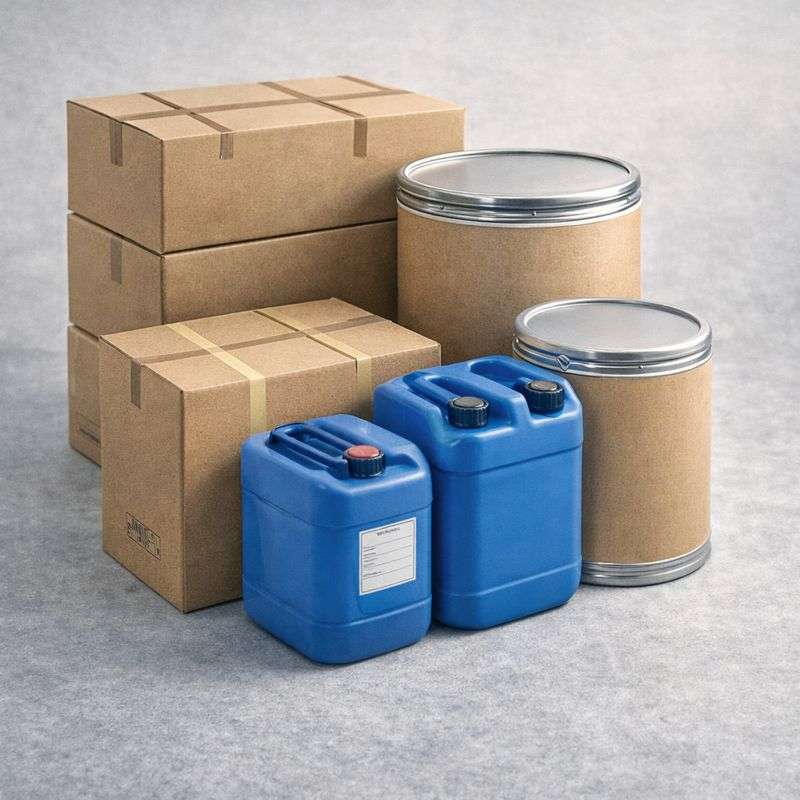
Standard export bulk packing is available according to order scale and shipping route.
Customization
Packaging style and labeling details can be discussed based on project and destination requirements.
Logistics & Documents
COA, SDS/MSDS, and TDS can be provided with shipment or sourcing review, depending on agreed documentation scope.
Supply, Documentation & Customization
Documents & Compliance
COA, SDS/MSDS, and TDS/spec sheet available based on product and market requirements.
Customization & Private Label
Custom packing, private label, and labeling support available depending on product type and order scope.
Commercial Support
Sample, lead time, and incoterm options can be discussed according to destination market and supply plan.
Why Source From Lifeworth
Lifeworth supports SCI Granules sourcing with a defined 80–85% active matter range, clear granular-form specification communication and practical handling information for manufacturing evaluation.
The granular format can be reviewed for production environments where improved flow, cleaner batching and predictable raw-material feeding are important.
Batch documentation support helps buyers review active matter, appearance and other agreed quality parameters before commercial approval.
Samples can be arranged for formulation and handling tests, followed by bulk supply planning according to order quantity, packaging and delivery requirements.

FAQ
1) What are SCI Granules?
SCI Granules are a granular form of Sodium Cocoyl Isethionate used as a solid surfactant raw material in personal care cleansing formulations. The physical form is commonly evaluated where improved flow, cleaner batching and more consistent production feeding are important.
2) What active matter is available for SCI Granules?
This page covers SCI Granules with an active matter range of 80–85%. Buyers should review the complete product specification and batch COA because moisture and other quality parameters may vary according to the selected supply specification.
3) What are SCI Granules mainly used for?
SCI Granules are commonly evaluated for syndet bars, shampoo bars, facial cleansing bars and structured rinse-off systems. Their granular form is especially relevant where manufacturers require practical transfer, cleaner batching and more predictable feeding during production.
4) How are SCI Granules incorporated into formulations?
The suitable incorporation method depends on the complete formulation and manufacturing process. SCI Granules may require controlled heating, premixing, staged addition or processing with other surfactants and formulation components. Pilot testing is recommended before commercial scale-up.
5) What is the difference between SCI Granules and SCI Powder?
SCI Granules are often considered where improved flow, cleaner batching and more consistent production feeding are priorities. SCI Powder may be selected where fine dosing and dry-blend flexibility are more important. Neither form is universally better; selection depends on processing and formulation requirements.
6) What is the difference between SCI Granules and SCI Noodles?
SCI Granules provide a smaller granular form that may support improved flow and controlled feeding, while SCI Noodles provide a larger solid form often selected for lower-dust transfer and routine bar production. The preferred form depends on the production equipment and handling priorities.
7) Can I buy SCI Granules in bulk?
Yes. Bulk SCI Granules supply is available for cosmetic manufacturers, OEM/ODM companies, contract manufacturers and formulation projects. MOQ, packaging, lead time and shipping terms can be discussed according to the required quantity and destination.
8) What documents are available for SCI Granules?
Available documents may include COA, TDS, SDS/MSDS, product specification and related export or commercial documents. The exact documentation package depends on the selected specification and customer requirements.
Need more answers?
Explore our full FAQ library for documentation, compliance, shipping, and ordering guidelines.