
Sodium Saccharin
Lifeworth supplies Sodium Saccharin for food, beverage, oral care, feed, and taste-masking buyers requiring strong sweetness, blend compatibility, specification clarity, document support, sample evaluation, and export-ready bulk packaging.
- Sodium Saccharin high-intensity sweetener, CAS 128-44-9.
- Suitable for beverages, tabletop sweeteners, confectionery, oral care, feed, and taste-masking systems.
- Commonly blended with sodium cyclamate or other sweeteners to adjust sweetness profile.
- Assay, clarity, moisture, impurity limits, heavy metals, and microbiology can be reviewed.
- COA, SDS/MSDS, TDS, specification sheet, and sample support available.
Tell us your application, target specification, and destination market so we can support grade selection, documentation review, and packaging recommendations.
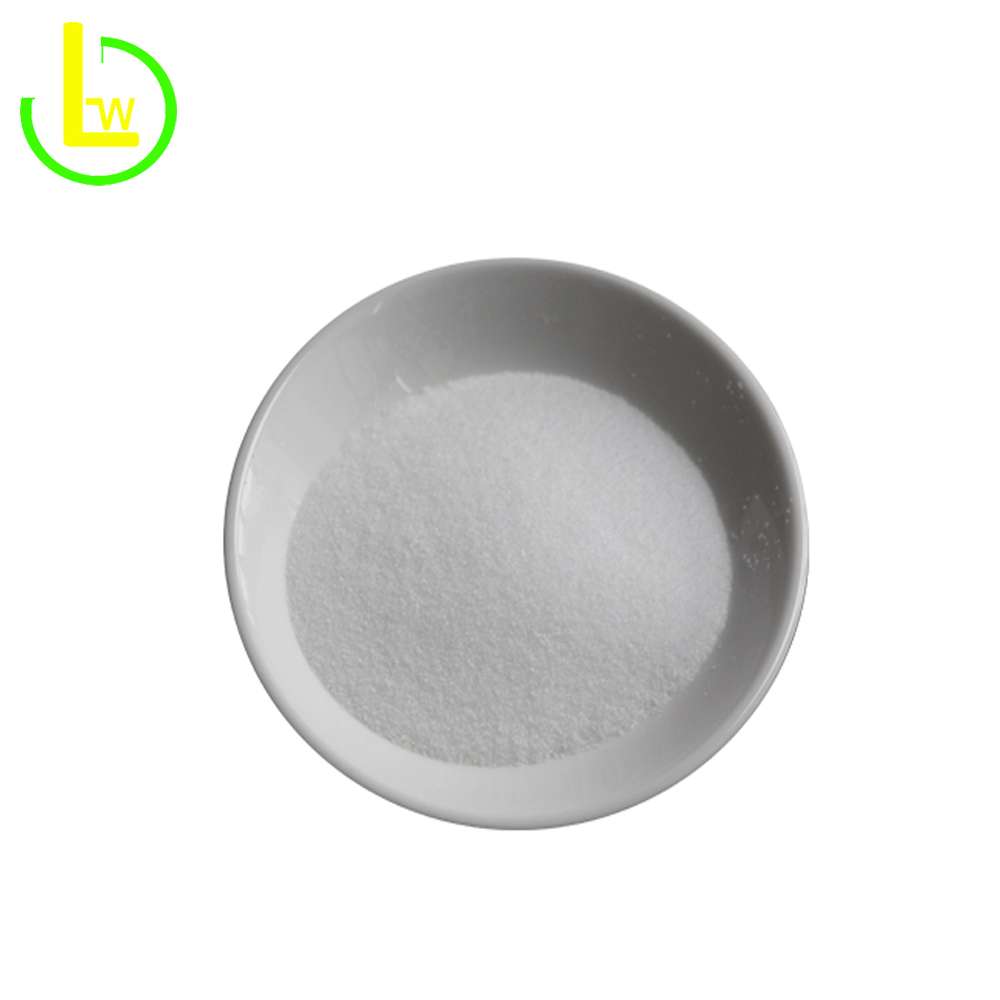
Quick Specs
Identity
INCI Name
Alias
CAS Number
Quality
Assay
Grade
Standards
Assay Method
Handling
Appearance
Form
Solubility
Applications
Commercial Terms
MOQ
MOQ depends on packaging and specification.
Lead Time
3–7 working days for standard items; bulk orders by schedule.
Incoterms
EXW / FOB / CIF / DAP / DDP
Sample
Free sample (shipping charged)
Quality & Documents
COA (per batch) • SDS/MSDS • TDS/Spec sheet (on request). Additional statements depend on product and market.
Product Overview
Sodium Saccharin is a high-intensity sweetener powder commonly used in food, beverage, tabletop sweetener, oral care, feed, and pharmaceutical taste-masking applications. It is usually supplied as a white crystalline powder, and buyers often review assay, solubility, clarity, moisture, impurity limits, aftertaste profile, heavy metals, and microbiology before technical or commercial evaluation. It is commonly considered for beverages, confectionery, tabletop sweeteners, oral care products, feed formulations, and blended sweetener systems, with sample support and batch documentation available for sourcing reference.

Applications
Food & Beverage
Sodium Saccharin is suitable for beverages, confectionery, canned foods, tabletop sweeteners, and sugar-reduction formulations. It is commonly selected when strong sweetness and low dosage are required, especially in cost-sensitive sweetener systems.
Sweetener Blends
Sodium Saccharin is often blended with sodium cyclamate, acesulfame potassium, sucralose, or other sweeteners to adjust sweetness curve and reduce aftertaste. Blend testing should review sweetness intensity, onset, lingering aftertaste, pH stability, and cost-in-use.
Oral Care
Sodium Saccharin is widely reviewed for toothpaste, mouthwash, oral tablets, and other oral care products where strong sweetness and water solubility are required. Buyers should test flavor compatibility, aftertaste, solubility, and excipient compatibility.
Pharmaceutical & Feed Applications
Sodium Saccharin may be considered for pharmaceutical taste masking, chewable tablets, oral granules, and selected feed applications. Buyers should confirm grade, documentation, application suitability, and destination-market requirements before use.
How to Choose the Right Grade / Form
For Beverages and Tabletop Sweeteners
Choose a Sodium Saccharin specification with suitable assay, solubility, clarity, particle size, and impurity control. This route is practical for strong sweetness contribution and low use-level formulation.
For Sweetener Blends
Choose a grade that works well with sodium cyclamate, acesulfame potassium, sucralose, or other sweeteners. Blend testing should focus on sweetness curve, aftertaste reduction, dosage level, and cost-in-use.
For Oral Care
Choose a specification with suitable solubility, purity, taste profile, and impurity control. Oral care systems should test compatibility with flavors, abrasives, surfactants, humectants, and active ingredients.
For Pharmaceutical or Feed Use
Choose the appropriate grade and document package according to the intended application, customer standard, and destination-market requirement.
Specification Review
Confirm assay basis, impurity limits, aftertaste profile, heavy metals, microbiology, and destination-market suitability before order confirmation.
Technical & Formulation Notes
Technical Notes
Technical Notes
Sodium Saccharin is evaluated mainly by assay basis, solubility, clarity, particle size, moisture, sweetness intensity, aftertaste profile, and impurity limits. Because saccharin may have a metallic or bitter aftertaste at higher use levels, it is often reviewed as part of a blended sweetener system rather than as a single sweetener in finished products.
Manufacturing & Process
Sodium Saccharin is supplied as a crystalline high-intensity sweetener powder for downstream blending, formulation, and finished product manufacturing. Commercial specifications can be reviewed according to assay target, compendial standard, particle size, impurity profile, packaging format, and intended application route.
Extended QC & Test Items
Key QC review items may include appearance, identification, assay, solubility, clarity, loss on drying, pH, o-toluenesulfonamide, p-toluenesulfonamide, heavy metals, arsenic, microbiology, and batch documentation.
Manufacturing & Process
Sodium Saccharin is supplied as a crystalline high-intensity sweetener powder for downstream blending, formulation, and finished product manufacturing. Commercial specifications can be reviewed according to assay target, compendial standard, particle size, impurity profile, packaging format, and intended application route.
Compatibility / Formulation Notes
For beverages and premix systems, test solubility, sweetness profile, pH compatibility, clarity, aftertaste, and blend performance in the final formula.
For sweetener blends, evaluate synergy with sodium cyclamate, acesulfame potassium, sucralose, aspartame, or other sweeteners.
For oral care systems, test solubility, flavor compatibility, aftertaste, excipient compatibility, and stability in toothpaste, mouthwash, or chewable systems.
For pharmaceutical or feed applications, confirm grade suitability, dosage level, document support, and destination-market requirements before development.
Store the material sealed and protected from moisture, heat, strong odors, and contamination during storage, blending, and repacking.
Extended QC & Test Items
Key QC review items may include appearance, identification, assay, solubility, clarity, loss on drying, pH, o-toluenesulfonamide, p-toluenesulfonamide, benzoate and salicylate impurities if required, heavy metals, arsenic, microbiology, and batch documentation.
Product specifications
| Test | Specification | Method |
|---|---|---|
| Appearance | White crystalline powder | Visual |
| Identification | Conforms to agreed specification | Per specification |
| Assay | Per agreed specification | Titration / Per specification |
| Solubility / Clarity | Per agreed specification | Per specification |
| Loss on Drying | Per agreed specification | Per specification |
| pH | Per agreed specification | Per specification |
| o-Toluenesulfonamide | Per agreed specification | Per specification |
| p-Toluenesulfonamide | Per agreed specification | Per specification |
| Heavy Metals | Per agreed specification | ICP-MS / Per specification |
| Arsenic | Per agreed specification | Per specification |
| Microbiology | Per agreed specification | Per specification |
| Documents | COA, SDS/MSDS, TDS available | Reference |
Storage, Shelf Life & Packaging
Storage
Store Sodium Saccharin in a tightly sealed original container in a cool, dry, and well-ventilated area. Protect the material from moisture, heat, direct sunlight, strong odors, and contamination during storage, sampling, blending, and repacking.
Shelf Life
Typical shelf life is 24 months when stored under recommended conditions in unopened original packaging. Final shelf life should follow the agreed specification, batch COA, packaging format, and actual storage conditions.
Packaging & Logistics
Sample Packing
Sample packs are available for sweetness testing, blend development, specification review, formulation evaluation, and customer approval before bulk order confirmation.
Bulk Packing
Standard bulk packaging can include 1 kg, 5 kg, 10 kg, 20 kg, or 25 kg bags, cartons, or drums depending on order quantity, product specification, and shipping requirements.
Customization
Custom specification review, particle size discussion, blend support, packaging format, private label support, and formula-oriented sweetener matching can be discussed for long-term projects.
Logistics & Documents
Lifeworth can support export documentation, batch COA, SDS/MSDS, TDS, specification sheet, and other available documents according to product route and destination market.
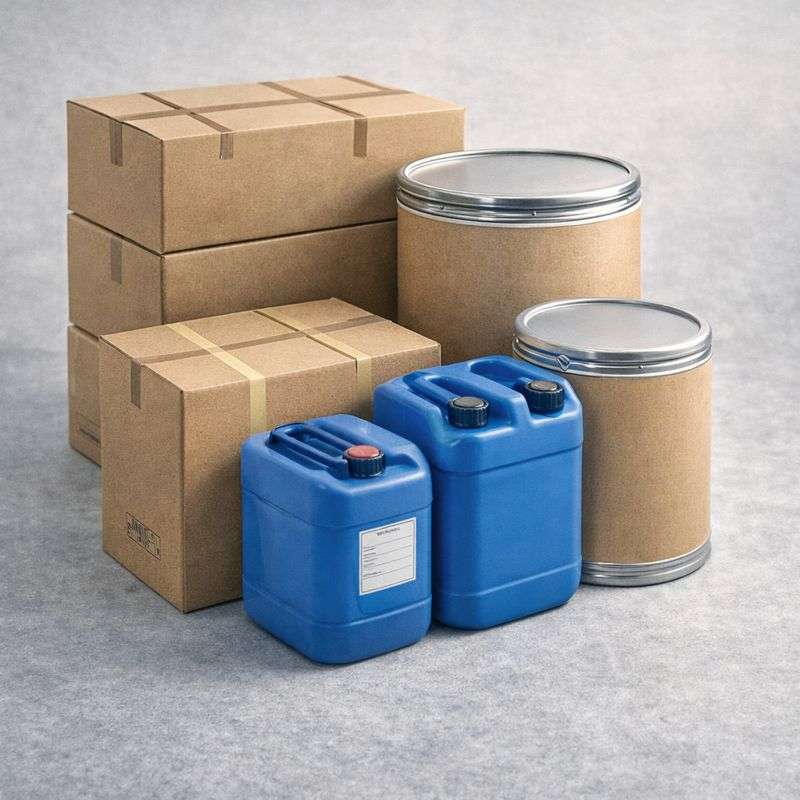
Supply, Documentation & Customization
Documents & Compliance
COA, SDS/MSDS, and TDS/spec sheet available based on product and market requirements.
Customization & Private Label
Custom packing, private label, and labeling support available depending on product type and order scope.
Commercial Support
Sample, lead time, and incoterm options can be discussed according to destination market and supply plan.
Why Source From Lifeworth
Defined Spec Clarity
We help buyers confirm Sodium Saccharin assay, solubility, clarity, impurity limits, aftertaste profile, blend compatibility, QC items, and document scope before sampling or bulk order.
Customizable Key Target
Sodium Saccharin specifications can be reviewed according to assay basis, particle size, blend route, application system, packaging format, and destination-market requirements.
Batch Documentation Support
COA, SDS/MSDS, TDS, specification sheet, and other available documents can be provided for technical review, customer approval, and import reference.
Export-Ready Bulk Supply
Lifeworth supports sample evaluation, bulk packaging, export logistics coordination, and long-term supply communication for importers, distributors, food manufacturers, oral care manufacturers, and formulation teams.

FAQ
Need more answers?
Explore our full FAQ library for documentation, compliance, shipping, and ordering guidelines.