
Vitamin B12 1% Powder
Lifeworth supplies Vitamin B12 1% powder for food manufacturers, supplement producers, premix companies and animal nutrition businesses reviewing potency, carrier type, blend uniformity, packaging and batch documentation.
- 1% cyanocobalamin premix powder
- Food grade and feed grade options
- Easier weighing and low-dose distribution
- Carrier and specification confirmation before quotation
- Batch COA, SDS/MSDS, TDS and bulk supply support
Tell us your application, target specification, and destination market so we can support grade selection, documentation review, and packaging recommendations.
Quick Specs
Identity
INCI Name
Alias
CAS Number
Molecular Formula
Molecular Weight
Quality
Assay
Grade
Standards
Assay Method
Handling
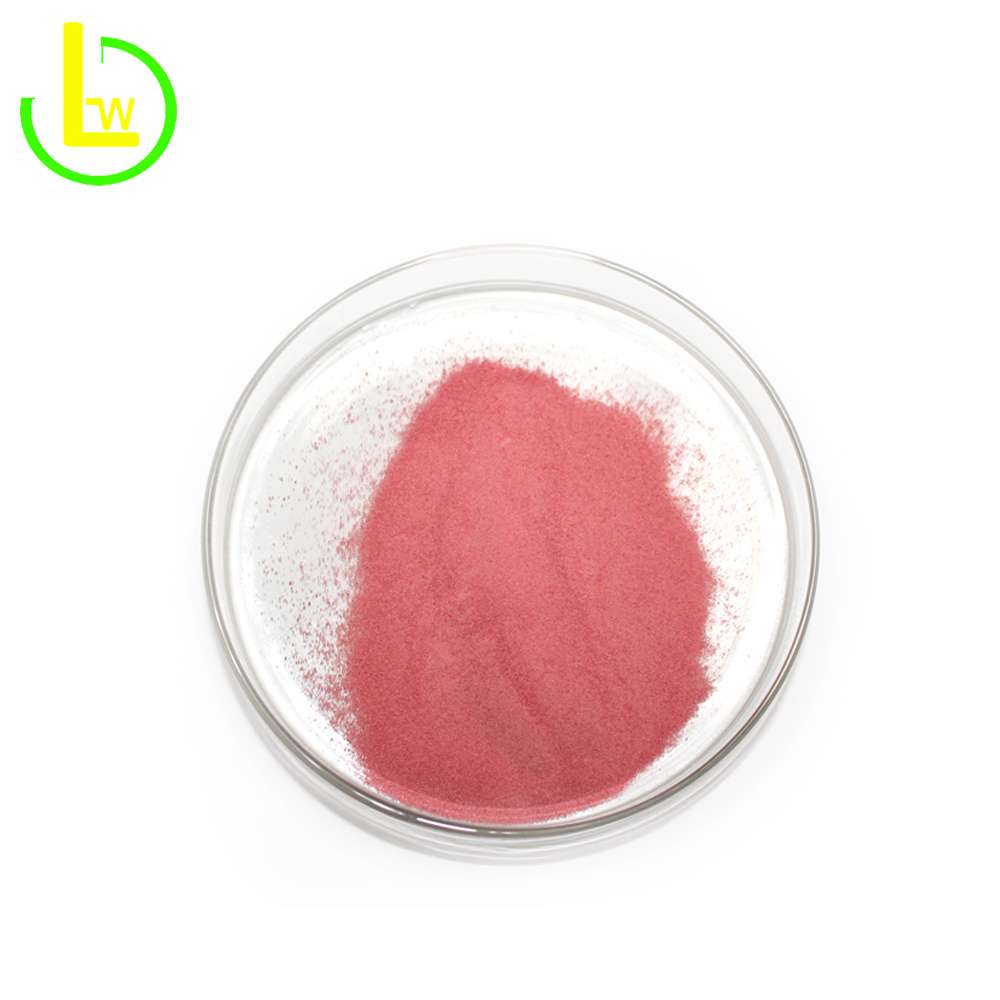
Appearance
Form
Solubility
Applications
Commercial Terms
MOQ
MOQ depends on packaging and specification.
Lead Time
3–7 working days for standard items; bulk orders by schedule.
Incoterms
EXW / FOB / CIF / DAP / DDP
Sample
Free sample (shipping charged)
Quality & Documents
COA (per batch) • SDS/MSDS • TDS/Spec sheet (on request). Additional statements depend on product and market.
Product Overview
Vitamin B12 1% powder is a diluted cyanocobalamin premix designed for easier weighing, dosing and distribution in food, supplement and feed manufacturing.
It is supplied with a defined cyanocobalamin potency and selected carrier system, and buyers typically review active content, carrier identity, particle size, blend uniformity, microbiological quality and application suitability before technical or commercial evaluation.
It is commonly considered for fortified foods, dietary supplement premixes, animal nutrition premixes and large-scale blending systems, with samples, batch documentation and commercial supply support available for sourcing reference.
Comparison
High-Purity Cyanocobalamin Powder
High-purity cyanocobalamin is suitable for manufacturers with precise low-dose weighing, controlled dilution and validated premixing procedures. It provides direct control over the active vitamin input but requires more careful handling at very low inclusion levels.
Vitamin B12 1% Premix
Vitamin B12 1% powder is more practical where easier weighing, improved distribution and scalable batch handling are the main priorities. The selected carrier and actual batch potency must be included in formulation and labeling calculations.
Selection Principle
Choose high-purity material when direct control and internal premix capability are available. Choose a 1% premix when operational simplicity, dosage convenience and blend uniformity are more important than handling the undiluted active ingredient.
Applications
Food Fortification
Food-grade Vitamin B12 1% powder may be considered for nutrition powders, cereal products, beverage premixes, bakery systems and other fortified food applications. The selected carrier should be compatible with the food matrix, processing conditions, labeling requirements and destination-market rules.
Dietary Supplement Premixes
The premix can be used in tablets, gummies, capsules, sachets and customized vitamin-mineral blends where direct handling of high-purity cyanocobalamin would be impractical. Its lower potency allows more manageable weighing and can support better distribution in larger formulation batches.
Animal Nutrition Premixes
Feed-grade Vitamin B12 1% powder is commonly evaluated for feed premixes, compound feed and animal nutrition systems requiring scalable vitamin dosing. Carrier type, particle size, flowability, feed compatibility and batch uniformity should be reviewed before commercial use.
Large-Scale Blending Systems
Vitamin B12 1% premix is suitable for manufacturers that require a practical intermediate-strength material for large batches, repeated production and controlled dispensing. It can reduce the handling risk associated with directly adding very small quantities of high-purity cyanocobalamin.
How to Choose the Right Grade / Form
Food Grade Vitamin B12 1%
Food-grade material is intended for fortified foods, dietary supplements and nutrition premixes. Buyers should confirm carrier identity, allergen implications, microbiological limits, food-safety documentation and suitability for the intended finished product.
Feed Grade Vitamin B12 1%
Feed-grade material is intended for animal nutrition and feed-premix manufacturing. Purchasing review usually focuses on carrier type, particle size, flowability, premix compatibility, storage stability and applicable feed-quality documentation.
Selection Principle
Food grade and feed grade should not be treated as automatically interchangeable. The correct grade should be selected according to the finished application, carrier requirements, regulatory category, target market and customer specification.
Technical & Formulation Notes
Technical Notes
Potency Definition
Vitamin B12 1% powder is a commercial premix containing cyanocobalamin at a defined low concentration, commonly expressed as 1.0% by weight. Formulation calculations should use the batch-specific potency shown on the COA rather than assuming every batch is exactly equal to the theoretical nominal value.
Carrier System
The carrier determines many practical characteristics of the premix, including flowability, bulk density, moisture behavior, allergen declaration, particle-size compatibility and finished-product suitability. Food-grade and feed-grade materials should therefore be reviewed separately, even when both contain the same nominal cyanocobalamin potency.
Blend Uniformity
The commercial value of a 1% premix depends not only on assay but also on uniform distribution of the active ingredient throughout the carrier. Buyers should review mixing controls, sampling approach, potency consistency and any available homogeneity information before scale-up.
Manufacturing & Process
Compatibility / Formulation Notes
Dosing and Potency Calculation
Formulation calculations should be based on the actual cyanocobalamin content shown on the batch COA. A nominal 1% premix is designed to simplify dosing, but the final inclusion rate must still reflect batch potency, target finished-product level and processing loss assumptions.
Premixing and Blend Uniformity
The premix should be incorporated through a controlled blending sequence that supports even distribution throughout the final batch. Manufacturers should review mixer type, batch size, mixing time, sampling locations and segregation risk during scale-up.
Carrier Compatibility
Mannitol, lactose, calcium carbonate and other carriers can behave differently in formulation and production. Carrier selection may affect flowability, moisture sensitivity, bulk density, allergen status, taste, texture and compatibility with the final product matrix.
Particle Size and Segregation
Particle-size compatibility between the Vitamin B12 premix and the surrounding formulation can influence distribution and segregation. Where particle-size differences are significant, an intermediate premix step or adjusted mixing sequence may be required.
Processing and Stability
Exposure to light, moisture, heat and prolonged holding conditions should be minimized. Final compatibility and stability should be confirmed in the customer’s actual food, supplement or feed system rather than inferred from raw-material potency alone.
Extended QC & Test Items
Depending on the selected grade and specification, batch review may include cyanocobalamin content, identification, carrier identity, appearance, moisture, particle-size distribution, bulk density, blend uniformity, elemental impurities and microbiological quality. Final test items, limits and methods are governed by the agreed specification and batch COA.
Product specifications
| Test | Specification | Method |
|---|---|---|
| Assay (Cyanocobalamin) | 1.0% (w/w) (typical) — premix concentration | HPLC / UV |
| Carrier | Food grade: mannitol / lactose (typical); Feed grade: calcium carbonate (typical) — as agreed | By formulation |
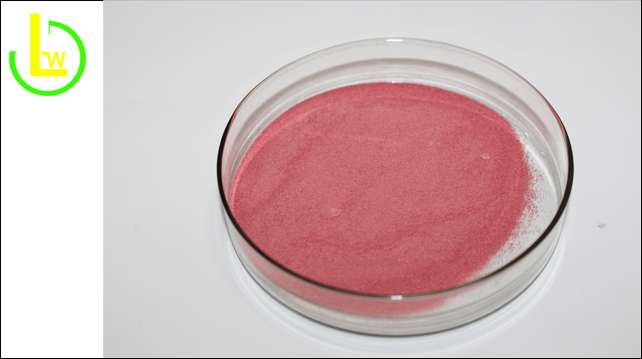
| Appearance | Light red to pink powder; hygroscopic | Visual |
| Moisture (Loss on drying) | Meets agreed limits (typical) | Internal / USP (as applicable) |
| Particle size | As agreed (typical) | Sieve |
| Heavy metals | Meets relevant limits (as required) | ICP-MS |
Storage, Shelf Life & Packaging
Storage
Store in a cool, dry, and well-ventilated area. Keep the container tightly closed when not in use. Protect from light, heat, and moisture.
Handling After Opening
Reseal immediately after each use and minimize repeated opening.
For frequent sampling, use a clean, dry scoop and consider splitting into smaller containers to reduce moisture exposure.
Transportation & Warehouse Notes
Avoid prolonged exposure to high temperature and direct sunlight during transportation and storage. Keep away from strong oxidizing agents and odorous materials.
Shelf Life
Typically 24 months from the production date when stored under recommended conditions in the original unopened packaging.
Re-test / Expiry
Please refer to the COA for the batch-specific re-test/expiry date.
After Opening
If stored properly and kept tightly sealed, the product remains stable throughout the stated shelf life. For best quality, avoid moisture uptake and light exposure after opening.
Packaging & Logistics
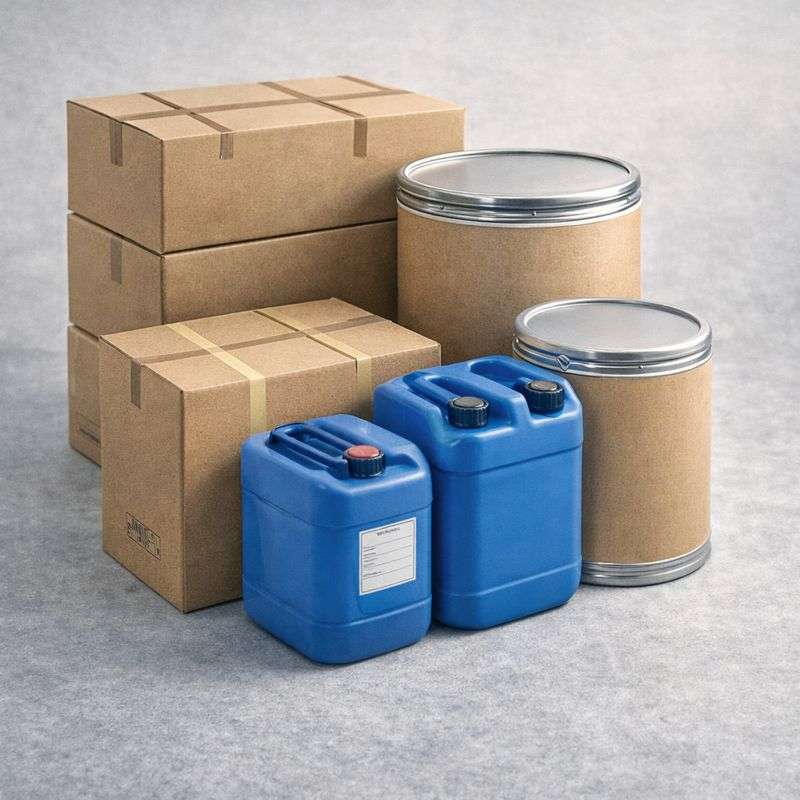
Sample quantities can be packed in aluminum foil bags for evaluation and laboratory use.
Commercial supply can be arranged in medium packing or bulk outer packing according to order size, application type, and logistics requirement.
For export orders, packaging options can be matched to food grade or feed grade projects, including sample packs, trial-order packs, and bulk transport configurations.
Supply, Documentation & Customization
Documents & Compliance
COA, SDS/MSDS, and TDS/spec sheet available based on product and market requirements.
Customization & Private Label
Custom packing, private label, and labeling support available depending on product type and order scope.
Commercial Support
Sample, lead time, and incoterm options can be discussed according to destination market and supply plan.
Why Source From Lifeworth
Food and Feed Grade Selection
We help buyers distinguish food-grade and feed-grade Vitamin B12 1% materials according to application, carrier, regulatory category and document requirements.
Carrier and Potency Review
Carrier identity, nominal potency, batch-specific assay, particle size and blend-uniformity expectations are reviewed before quotation so buyers can compare materials on a consistent technical basis.
Pure Powder vs Premix Support
We support manufacturers deciding whether high-purity cyanocobalamin or a 1% premix is more appropriate for their weighing capability, batch scale and production controls.
Packing and Scale Matching
Sample size, commercial pack size and expected production volume can be reviewed together to reduce repeated handling, storage exposure and unnecessary inventory.
Documentation and Export Coordination
Batch documentation, samples, commercial packing and international shipment options can be coordinated according to the selected grade, order quantity and destination.

FAQ
What does Vitamin B12 1% Powder mean?
Vitamin B12 1% powder is a premix containing cyanocobalamin at a nominal concentration of approximately 1% by weight. The remaining portion is a selected carrier designed to make weighing, dosing and blending more practical.
What carriers are available?
Food-grade products may use mannitol, lactose or another approved food-compatible carrier, while feed-grade products commonly use calcium carbonate or another feed-compatible carrier. The final carrier must be confirmed against the product COA and TDS.
What is the difference between pure Cyanocobalamin and Vitamin B12 1% Premix?
Pure cyanocobalamin is a high-potency raw material requiring precise low-dose handling and controlled premixing. Vitamin B12 1% premix is easier to weigh and distribute in larger batches, but carrier and batch-specific potency must be included in formulation calculations.
Are food grade and feed grade interchangeable?
No. The two grades may differ in carrier, microbiological limits, particle size, documentation and regulatory category. Buyers should select the grade according to the intended finished application and destination market.
Can Vitamin B12 1% Powder be used in tablets, gummies and sachets?
Food-grade material may be evaluated for tablets, gummies, sachets and nutrition premixes when the carrier and specification are suitable for the intended formulation. Final compatibility and stability should be confirmed through pilot testing.
What information is required for a quotation?
Please provide the intended application, food or feed grade requirement, preferred carrier, expected quantity, packing preference, destination country and required documents. This information allows us to confirm specification, availability, lead time and shipping options.
Need more answers?
Explore our full FAQ library for documentation, compliance, shipping, and ordering guidelines.