
Magnesium L-Threonate and Magnesium Glycinate are two magnesium ingredients used in supplement formulations, but they differ in ingredient structure, elemental magnesium specification, formulation positioning and...
Magnesium Glycinate vs Magnesium Citrate: Ingredient Comparison
Magnesium Glycinate and Magnesium Citrate are widely used magnesium ingredients, but they differ in chemical form, elemental magnesium specification, formulation behavior, sensory characteristics and sourcing...
Povidone K17 vs K30 vs K90 vs K120: How to Choose the Right PVP Grade
A practical guide comparing Povidone K17, K30, K90, and K120 grades to help buyers select the suitable PVP grade based on viscosity, molecular weight direction,...
Nattokinase vs Serrapeptase: Differences for Supplement Ingredient Selection
Nattokinase and serrapeptase are enzyme ingredients commonly evaluated for nutraceutical formulations. This guide compares their characteristics, specification considerations, and sourcing factors for supplement manufacturers.
Nattokinase FU/g Explained: How to Choose the Right Activity Specification
FU/g is a key specification indicator for nattokinase powder. This guide explains nattokinase activity levels, specification selection, and sourcing considerations for supplement manufacturers.
TAED 92% Granules vs TAED 98% Powder: How Detergent Manufacturers Should Choose
TAED 92% granules are not simply a lower-purity version of TAED 98% powder. The two forms are designed for different handling, processing and formulation requirements....
Nano Hydroxyapatite vs Non-Nano Hydroxyapatite for Oral Care Formulation
Nano, non-nano and microcrystalline hydroxyapatite are not automatically interchangeable product categories. Buyers should confirm how each term is defined, which data support the classification and...
Nano Hydroxyapatite Particle Size: How to Compare TEM, SEM, XRD and D50
TEM particle dimensions, XRD crystallite-size estimates and laser-diffraction D50 values do not describe the same physical characteristic. This guide explains how buyers should compare these...
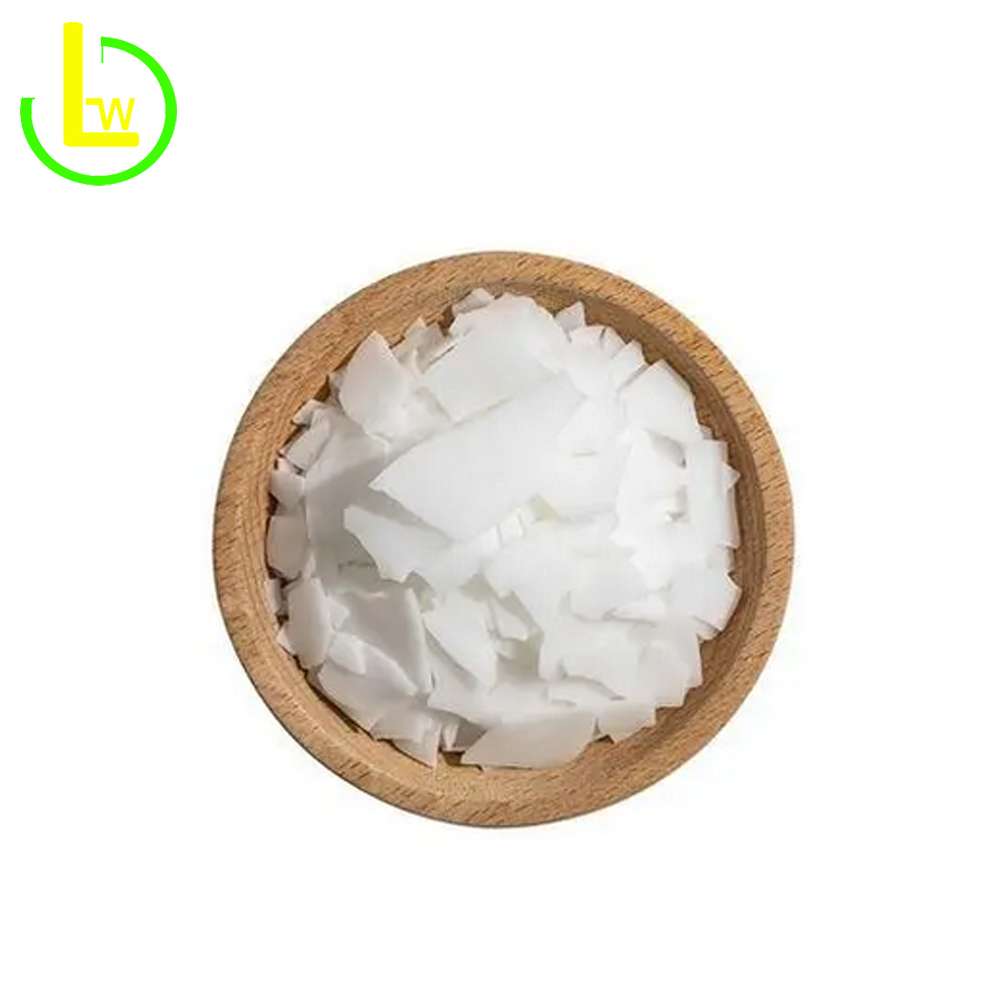
How Free Amine Affects BTMS-50 Quality, Odor and Supplier Evaluation
A low Free Amine result on one BTMS-50 COA does not automatically establish a guaranteed specification for future supply. Buyers should distinguish between a batch...