
Vitamin E Ingredients
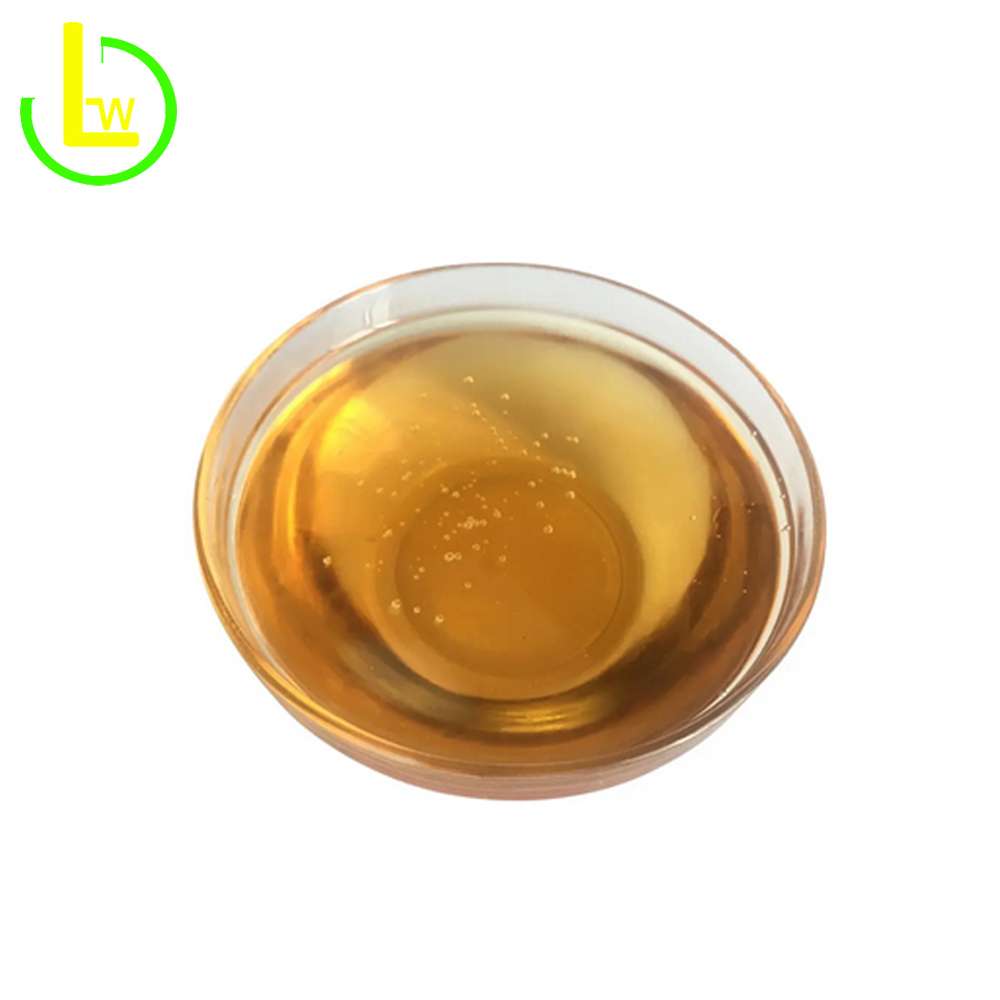
Vitamin E is supplied through multiple commercial routes, including mixed tocopherols, free d-alpha tocopherol, natural d-alpha tocopheryl acetate, d-alpha tocopheryl succinate, tocotrienols, defined tocopherol fractions, and more formulation-oriented derivative options. For most sourcing projects, the first decision is not whether to buy “vitamin E,” but which route best fits the intended application, dosage form, stability target, and market positioning.
This hub is built to help buyers compare those routes before moving into product-level evaluation, specification review, and commercial discussion.
Proof Points
- Covers the main natural vitamin E family routes, defined fractions, and specialty derivatives
- Helps buyers compare tocopherols, tocotrienols, acetate, succinate, TPGS, and fraction-specific options
- Built for supplement, food, cosmetic, and formulation-focused sourcing
- Supports route comparison across oil, powder, dry-form, and water-dispersible systems
- Links directly to product pages for specification and supply review
Description
Natural vitamin E is not a single commercial material. In practice, buyers may be comparing mixed tocopherols, free d-alpha tocopherol, acetate forms, succinate forms, tocotrienol-based ingredients, defined tocopherol fractions, or formulation-oriented derivative routes depending on the product concept and intended system. These routes may belong to the same vitamin family, but they differ in commercial form, handling profile, stability logic, and procurement focus.
This hub is designed to make that first selection easier. Instead of treating vitamin E as one general ingredient, it helps buyers identify the right route first, then move into the appropriate product page for more detailed technical, packaging, formulation, and supply evaluation.
Buyer Snapshot
One Vitamin Family, Different Commercial Routes
Natural vitamin E ingredients are commonly supplied through several distinct product routes. The right starting point usually depends on whether the project requires mixed tocopherols, a single free tocopherol form, a more stable ester form, a dry-format ingredient, a tocotrienol-focused route, a defined tocopherol fraction, or a more formulation-oriented derivative.
Selection Usually Starts with Route First
Before comparing packaging, documentation, or commercial terms, most buyers first need to decide whether the project should follow a broad tocopherol route, a tocotrienol route, a fraction-specific route, or a derivative route designed for different handling or formulation needs.
This Page Is Built for Route Selection
This hub is designed to help buyers compare the main natural vitamin E options at family level. Each child page then focuses on one product route only.
Documentation
COA / MSDS / TDS + statements on request
Traceability
Batch records and retained samples
Packaging
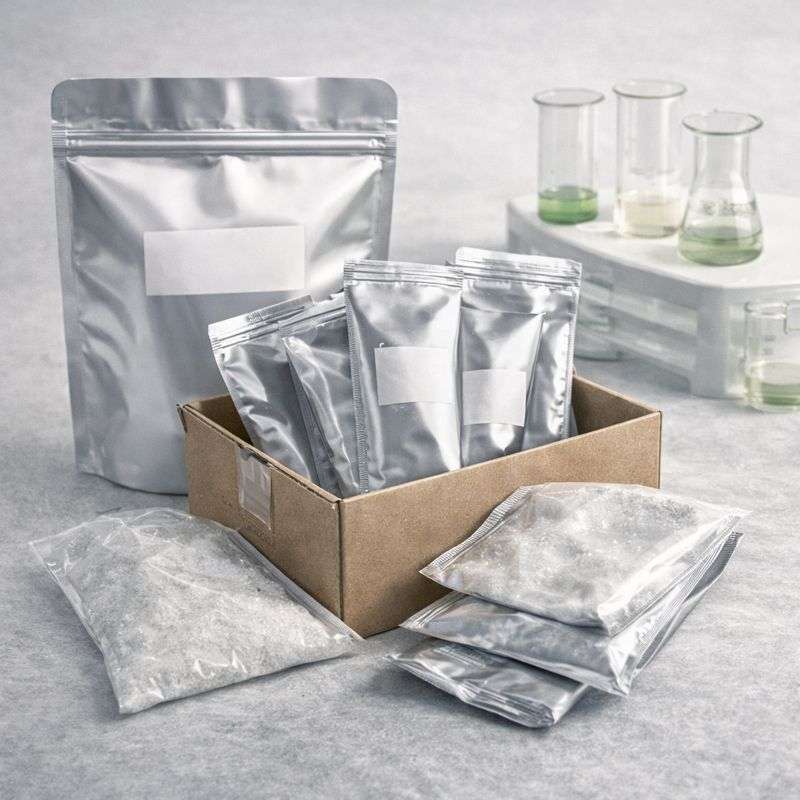
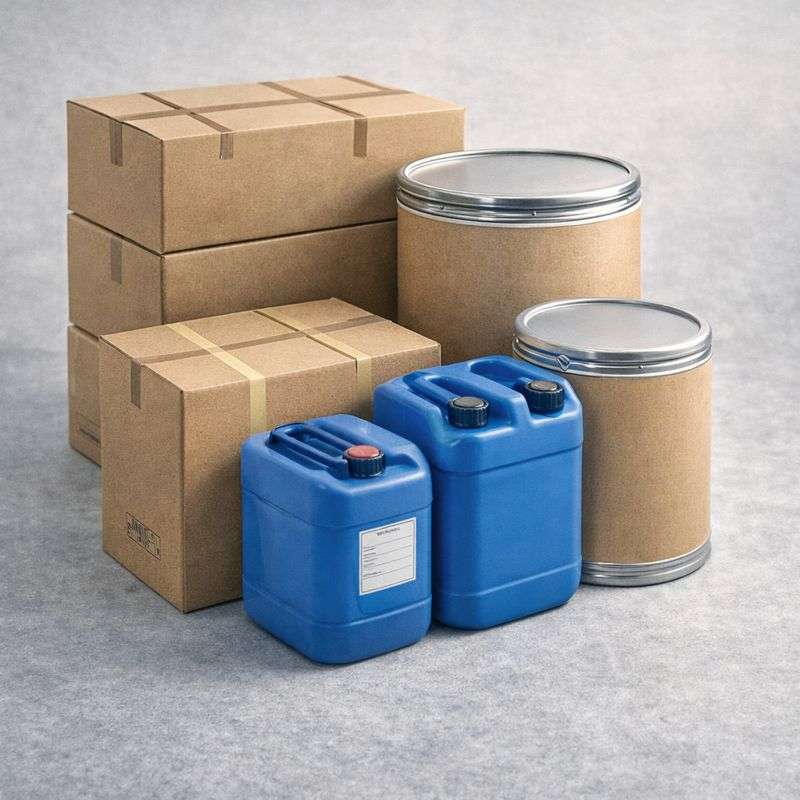
Standard export packing + customization
Best for
Importers / distributors / contract manufacturers
Available Products & Grades
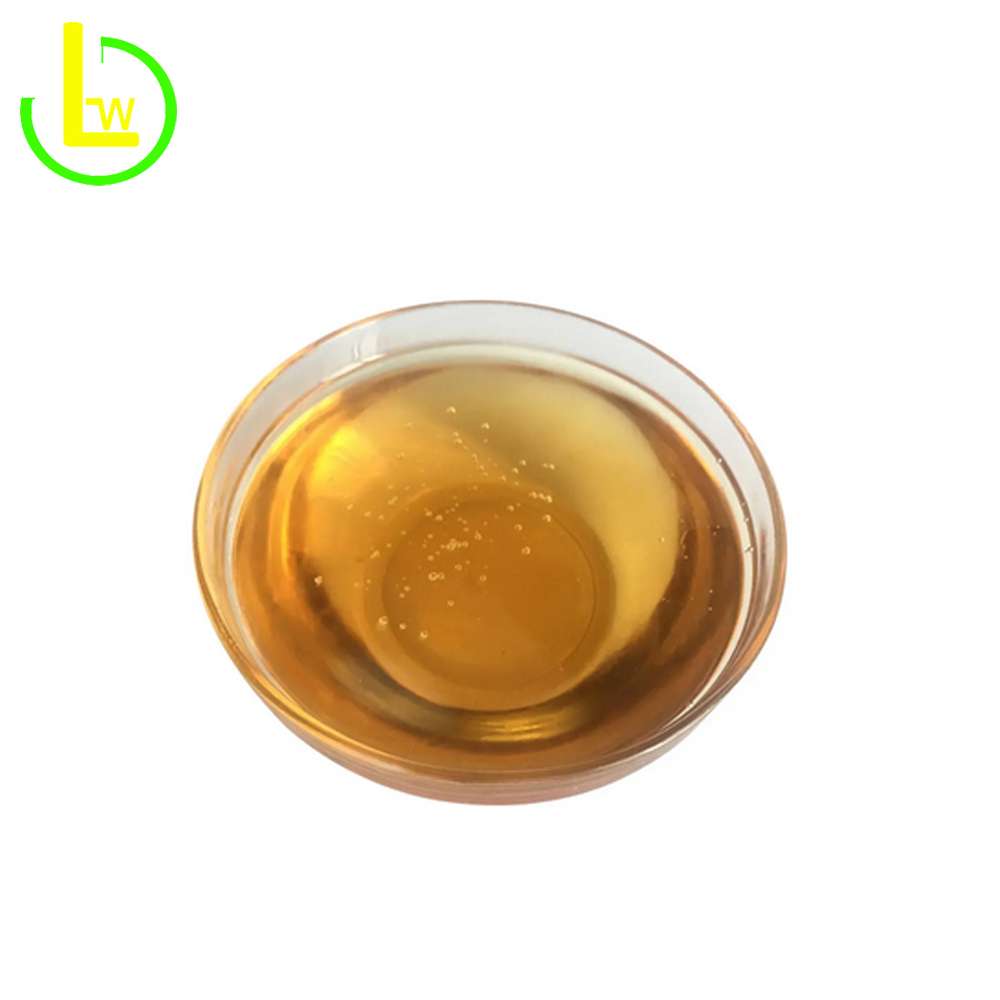
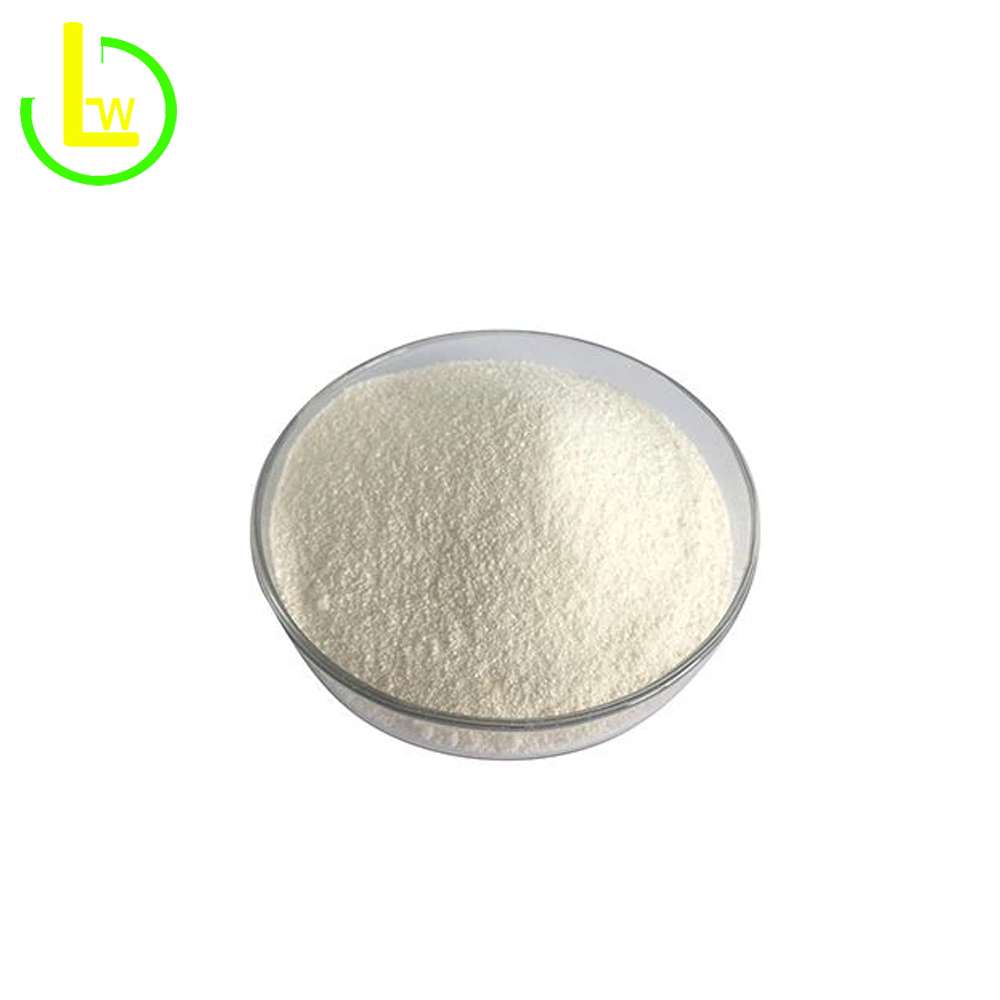
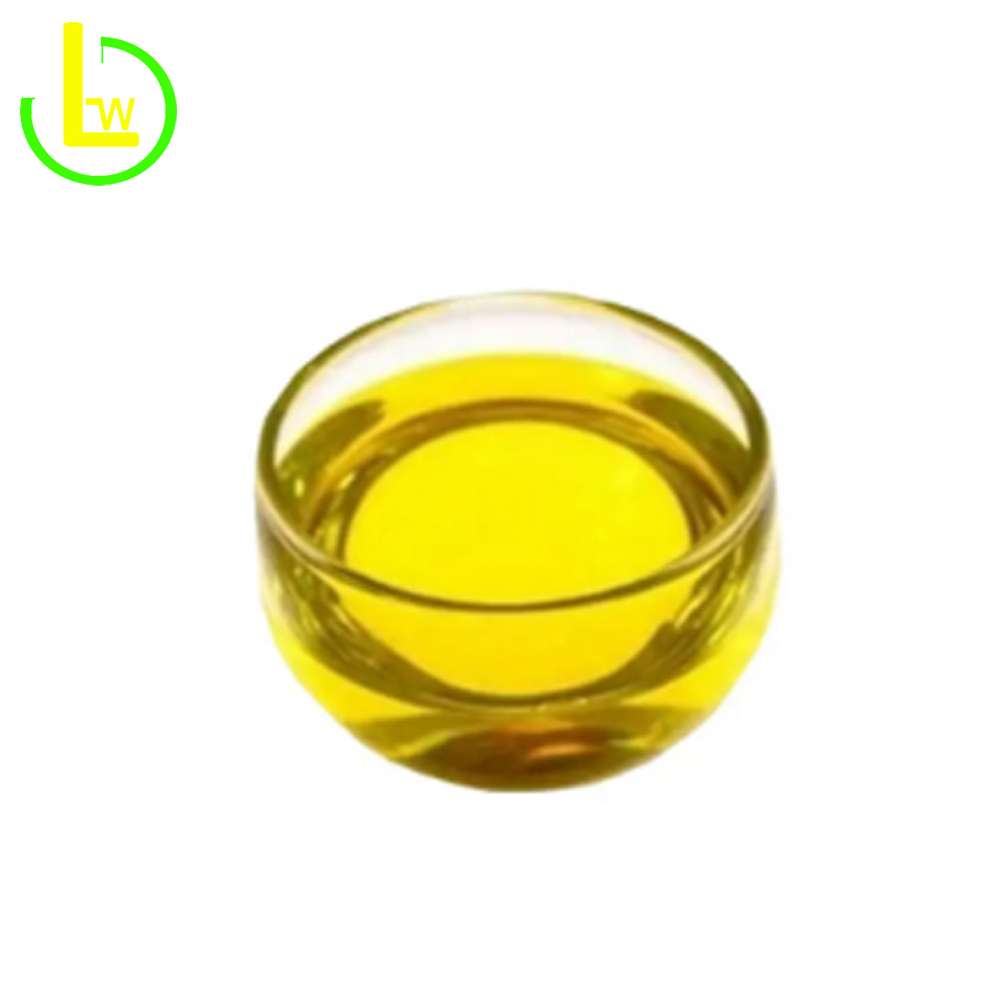

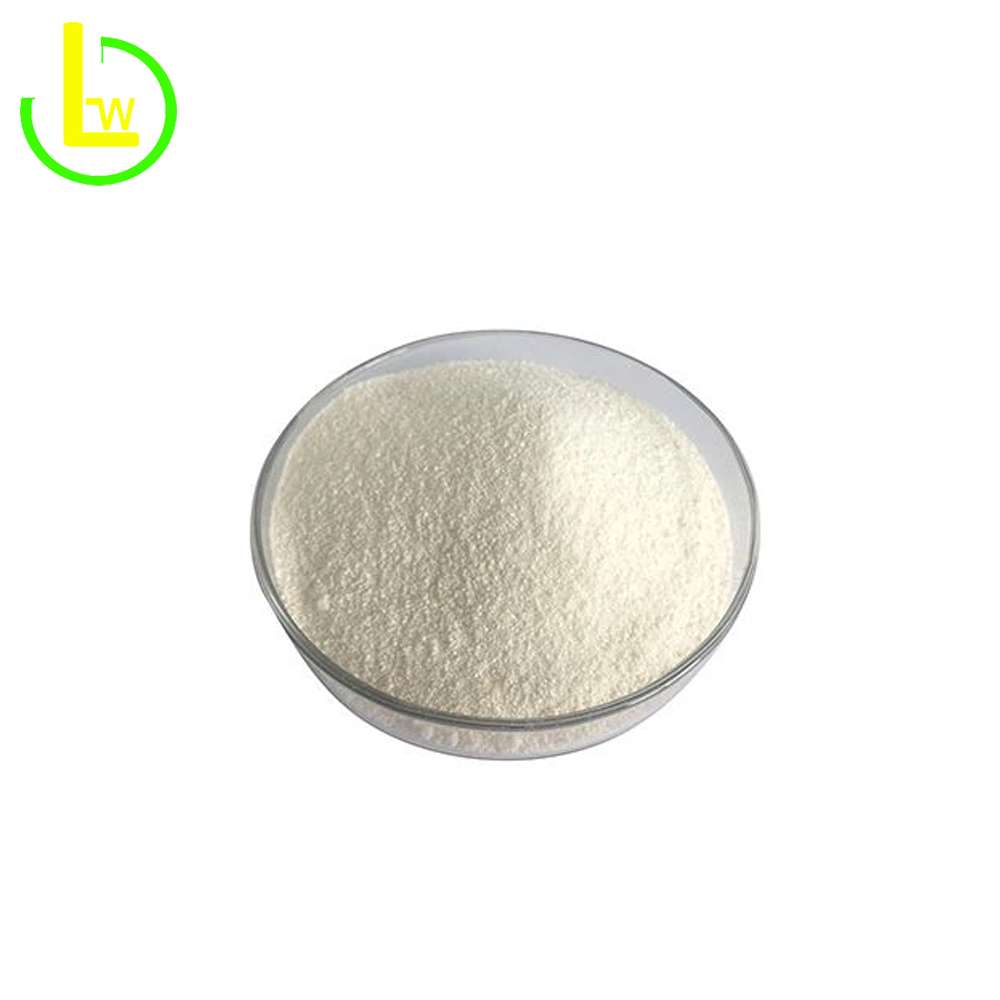
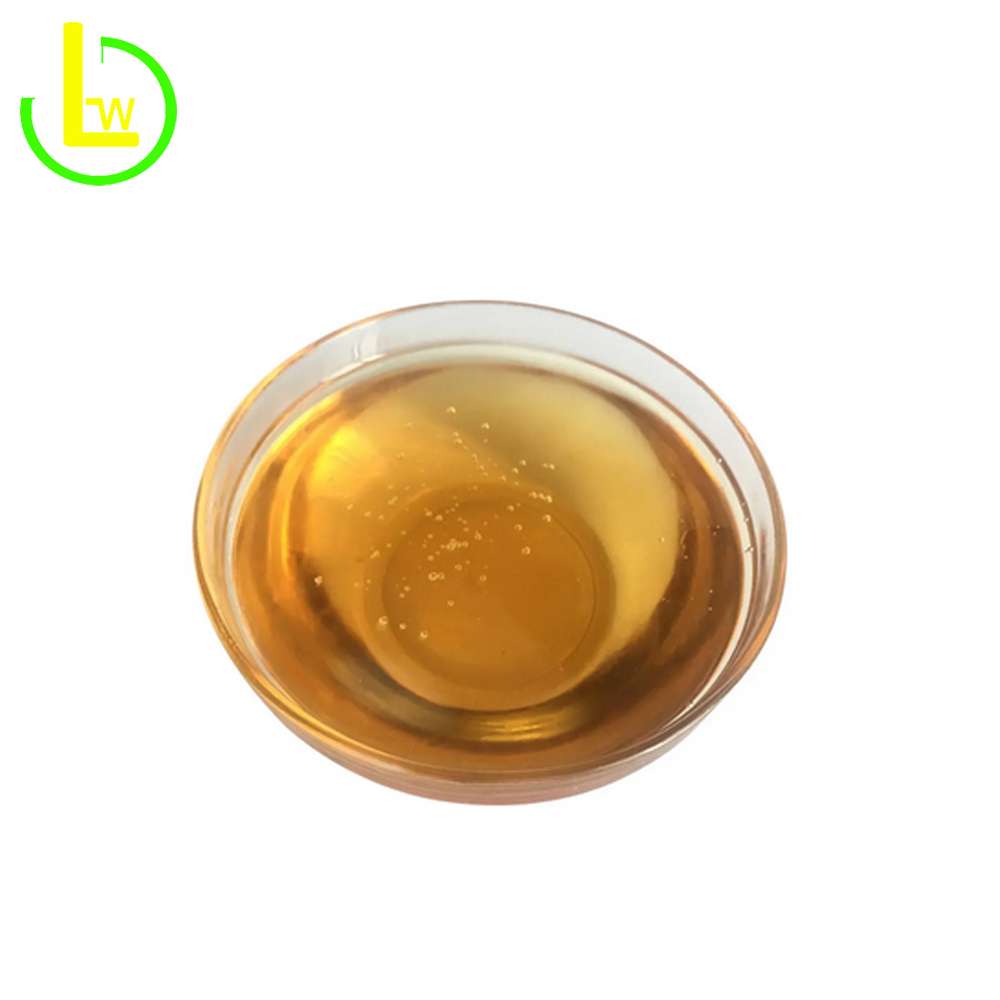
Click a form below to view assay/spec range, packaging protection, and the exact document pack for that grade.
How to Choose
Choosing the right vitamin E route usually depends on form preference, formulation direction, stability expectations, route specificity, and the commercial role the ingredient is expected to play in the final product. The sections below are intended to help buyers identify the most suitable starting point before moving to detailed product evaluation.
Choose Mixed Tocopherols When
Your project needs a broader natural vitamin E route rather than a single-form ingredient. Mixed tocopherols are commonly reviewed when buyers want a naturally positioned tocopherol composition for antioxidant-oriented systems, oil applications, food projects, or supplement formulations.
Choose D-Alpha Tocopherol When
Your project specifically requires the free natural vitamin E form. Buyers often select this route when they want direct tocopherol identity without moving first into esterified forms such as acetate or succinate.
Choose Natural D-Alpha Tocopheryl Acetate When
Your project requires a more stable natural vitamin E form and may need flexibility across oil and powder supply formats. This route is often considered when buyers want broader formulation practicality and commercial handling flexibility.
Choose D-Alpha Tocopheryl Succinate When
Your project leans toward dry-format systems, solid dosage development, or specification structures where the succinate route may be a better fit than free tocopherol or acetate.
Choose Tocotrienols When
Your project is built around tocotrienol-based positioning rather than tocopherol-based sourcing. Buyers typically review source type, tocotrienol profile, and differentiation logic before moving into commercial or technical review.
Choose Water-Soluble Vitamin E (TPGS) When
Your project requires a more formulation-oriented vitamin E route with water-dispersible behavior rather than a conventional oil-based material. Buyers usually review this route when handling profile, dispersion logic, or specialty formulation fit matters more than general family-level vitamin E sourcing.
Choose Delta Tocopherol When
Your project requires a more defined tocopherol fraction rather than a broad mixed tocopherol system. Buyers typically review this route when fraction identity, route clarity, and specification focus matter more than general tocopherol-family coverage.
Common Buyer Scenarios
- If the request starts with a broad natural vitamin E need, mixed tocopherols may be the first route to review.
- If the request is specifically for the free form, d-alpha tocopherol is usually the correct starting point.
- If the project needs a more stable ester route, acetate often becomes the main comparison point.
- If the product is more aligned with dry systems or solid dosage design, succinate may be more relevant.
- If the project is positioned around tocotrienols rather than tocopherols, the tocotrienols page should be reviewed separately.
- If the project needs a water-dispersible or formulation-oriented derivative route, TPGS may be the better starting point.
- If the project needs a more defined tocopherol fraction, Delta Tocopherol should be reviewed separately from mixed tocopherols.
RFQ Guidance
A stronger vitamin E inquiry usually includes the intended application, preferred commercial form, oil or powder preference, route specificity, target market, and any documentation or specification expectations. This makes route selection and supply discussion more efficient.
When to Contact Us
You need help matching the right grade/specification to your application.
You require a documentation package for compliance review (COA/MSDS/TDS and statements).
You are planning a bulk order and want to confirm MOQ, lead time, and shipping terms.
Compare
Use the comparison below to identify which natural vitamin E route may be the better fit for your sourcing project.
| Criteria | Mixed Tocopherols | D-Alpha Tocopherol | Natural D-Alpha Tocopheryl Acetate | D-Alpha Tocopheryl Succinate | Tocotrienols | Water-Soluble Vitamin E (TPGS) | Delta Tocopherol |
|---|---|---|---|---|---|---|---|
| Type / Route | Natural mixed tocopherol route | Free natural vitamin E route | Stable natural vitamin E acetate route | Dry-form succinate route | Tocotrienol-focused vitamin E route | Water-dispersible vitamin E derivative route | Defined tocopherol fraction route |
| Best for | Broad natural vitamin E sourcing and antioxidant-oriented positioning | Projects requiring free tocopherol form | Projects needing a more stable ester form with broader handling flexibility | Dry-format and solid dosage evaluation | Projects requiring tocotrienol differentiation | Formulation-led projects requiring water-dispersible vitamin E behavior | Projects requiring a more defined tocopherol fraction |
| Functional positioning | Mixed tocopherol composition | Single free tocopherol form | Acetate ester route | Succinate ester route | Tocotrienol-based route | Derivative route for dispersion-oriented systems | Single-fraction tocopherol route |
| Typical applications | Supplements, oils, food systems, antioxidant-focused use | Supplements, oil systems, formulation-focused projects | Supplements, food, cosmetics, oil and powder applications | Tablets, capsules, dry systems, solid dosage routes | Supplements and differentiated vitamin E concepts | Supplements, cosmetics, and formulation-oriented systems | Supplements, antioxidant systems, and fraction-focused formulation projects |
| Documentation | Depends on selected form and project requirement | Depends on selected commercial form | Supports oil and powder route review | Dry-format document review is commonly important | Depends on source and concentration route | Depends on agreed specification and application route | Depends on agreed specification and fraction requirement |
| Packaging & logistics | Depends on oil or powder route | Depends on oil or powder route | Commonly reviewed across oil and powder formats | Focused on dry-form packaging and handling | Depends on route and source type | Reviewed according to form, handling, and project scale | Reviewed according to oil form and project scale |
| Storage & handling | Protect from heat, moisture, and light | Protect from oxidation, heat, and light | Protect from heat, moisture, and direct light | Protect from moisture and storage stress | Protect from oxidation, heat, and light | Protect from heat, moisture, and light | Protect from oxidation, heat, and light |
| Next step | Review the mixed tocopherols page | Review the d-alpha tocopherol page | Review the natural d-alpha tocopheryl acetate page | Review the d-alpha tocopheryl succinate page | Review the tocotrienols page | Review the water-soluble vitamin E (TPGS) page | Review the delta tocopherol page |
Application Paths
Use the application paths below to see which vitamin E route is commonly reviewed first in supplements, food, cosmetics, functional delivery, and feed-related sourcing projects.
Dietary Supplements
Vitamin E sourcing for supplement projects usually begins with route selection rather than only potency language. Mixed tocopherols, d-alpha tocopherol, acetate, succinate, tocotrienols, defined fractions, and derivative routes may all be relevant depending on the intended positioning, dosage form, and formulation logic.
Food & Beverage
Food-related projects often focus on natural positioning, form compatibility, packaging practicality, and route suitability. Depending on the system, buyers may compare mixed tocopherols and acetate routes first before moving into more detailed product-level review. More formulation-oriented derivative routes may also be reviewed separately when the project is not a conventional family-ingredient purchase.
Cosmetics & Personal Care
Cosmetic and personal care projects commonly evaluate vitamin E ingredients by form, stability, oil compatibility, and documentation suitability. Acetate routes are often reviewed early, while tocopherol-based options and more specialized routes may also be considered depending on product design.
Pharmaceutical & Functional Delivery
Projects in this path often require closer review of product form, handling properties, dosage suitability, and document scope. Succinate, Water-Soluble Vitamin E (TPGS), and other more specialized vitamin E routes may become more relevant here than in broader supplement sourcing.
Animal Nutrition & Feed
Feed-grade synthetic vitamin E is usually treated as a separate line from the natural vitamin E family covered on this page. Buyers in this category should review feed-specific routes independently rather than treat them as interchangeable with the natural vitamin E options listed above.
Factory & Capability
Facility



Packaging

Certifications & Compliance
Certificates and documents are available for customer review upon request.

Category Capability
Our vitamin E category planning is built around family-level route selection rather than one generalized product page. This helps buyers move more efficiently from family comparison into route-specific technical and commercial review.
What We Can Support
We can support route selection, sample discussion, packaging coordination, specification review, and general supply communication for mixed tocopherols, d-alpha tocopherol, acetate, succinate, tocotrienol-based products, defined tocopherol fractions, and formulation-oriented vitamin E derivatives.
QC Focus for This Category
Quality review in this category commonly includes route identity, form consistency, assay basis where applicable, handling suitability, packaging fit, and alignment between the commercial material and the intended application path.
FAQ
Is this page for one product or for multiple vitamin E ingredients?
This page is a family-level sourcing hub, not a single product page. It is designed to help buyers compare the main natural vitamin E routes before moving to a specific product page.
What is the difference between mixed tocopherols and d-alpha tocopherol?
Mixed tocopherols are supplied as a broader tocopherol composition, while d-alpha tocopherol is the single free natural vitamin E form. Buyers usually select between them based on project positioning and route preference.
When should I choose acetate instead of free tocopherol?
Acetate is usually reviewed when the project needs a more stable ester form with broader handling flexibility, while free tocopherol is more relevant when direct tocopherol identity is the main requirement.
When should buyers review Water-Soluble Vitamin E (TPGS)?
This route is usually reviewed when the project requires a more formulation-oriented vitamin E ingredient with water-dispersible behavior rather than a conventional oil-based vitamin E material.
Is Delta Tocopherol the same as mixed tocopherols?
No. Mixed tocopherols are a broader natural vitamin E route, while Delta Tocopherol is a more defined tocopherol fraction used for more route-specific sourcing and specification review.
What information should buyers provide in an inquiry?
It is helpful to provide the intended application, preferred commercial form, route preference, target market, and any documentation or packaging requirements.