
Silybin / Silibinin
Lifeworth supplies Silybin / Silibinin derived from milk thistle with HPLC specifications ranging from 70% to 100%. Different purity levels can be selected according to formulation requirements, target active positioning, existing specifications, and commercial sourcing needs.
- HPLC 70%–100% specification range
- High-purity Silybin / Silibinin grades
- Specification matching and batch COA support
- Sample evaluation and bulk supply
Tell us your application, target specification, and destination market so we can support grade selection, documentation review, and packaging recommendations.

Quick Specs
Identity
INCI Name
Alias
Quality
Assay
Grade
Standards
Assay Method
Handling
Appearance
Form
Solubility
Applications
Commercial Terms
MOQ
MOQ depends on packaging and specification.
Lead Time
3–7 working days for standard items; bulk orders by schedule.
Incoterms
EXW / FOB / CIF / DAP / DDP
Sample
Free sample (shipping charged)
Quality & Documents
COA (per batch) • SDS/MSDS • TDS/Spec sheet (on request). Additional statements depend on product and market.
Product Overview
Silybin, also known as silibinin, is one of the major flavonolignan constituents found within the silymarin complex of milk thistle (Silybum marianum). Compared with conventional standardized silymarin extract, Silybin / Silibinin is supplied as a more defined active ingredient with a higher and more controlled purity profile.
Lifeworth can supply Silybin / Silibinin across an HPLC specification range of 70%–100%, allowing buyers to select the appropriate purity level according to formulation requirements, active positioning, cost structure, and existing product specifications.
For sourcing evaluation, buyers should review purity level, HPLC method, solvent profile, physical properties, and downstream formulation requirements rather than comparing product names alone.
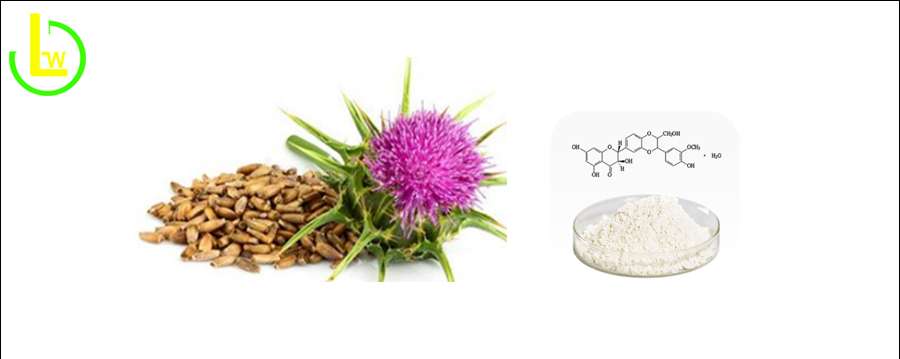
Comparison
Silybin, Silibinin and Silymarin: What Is the Difference?
Silymarin is a mixture of related flavonolignans naturally present in milk thistle, while Silybin / Silibinin refers to one of the major individual constituents within that complex.
In commercial sourcing, standardized Silymarin 80% is generally selected when a broader milk thistle extract is required, whereas Silybin / Silibinin is more suitable for projects requiring a more defined active profile and higher purity.
Silybin and silibinin are commonly used as closely related names in commercial and scientific contexts, although specification, purity basis, and analytical method should always be confirmed before supplier comparison.
Applications
High-Purity Supplement Formulations
Suitable for supplement projects requiring a more defined milk thistle active profile than conventional standardized silymarin extract.
Capsules & Tablets
Can be evaluated for solid dosage formulations where a specific Silybin / Silibinin purity target is required. Particle characteristics, blending behavior, and excipient compatibility should be confirmed during formulation development.
Concentrated Active Systems
Suitable for formulations where active-content positioning and purity level are important design parameters.
R&D and Replacement Projects
Useful for technical screening, supplier replacement, and formulation projects where existing HPLC specifications or reference COAs are available for comparison.
How to Choose the Right Grade / Form
Choose by purity target
Silybin / Silibinin can be supplied across an HPLC range of 70%–100%. Buyers can select the purity level according to formulation requirements, active positioning, cost structure, and existing product specifications.
Choose by analytical method
Purity should be confirmed by HPLC together with the agreed chromatographic conditions and specification. Materials with the same stated percentage should not automatically be treated as technically equivalent without reviewing the analytical basis.
Choose by formulation requirement
Higher-purity grades may be preferred when a more defined active profile is required, while lower or intermediate HPLC grades may offer a different balance between purity, formulation needs, and commercial cost.
Choose by existing specification
For replacement projects, providing the current COA or specification is the most reliable way to compare purity, method, residual-solvent limits, physical properties, and overall technical compatibility.
Technical & Formulation Notes
Technical Notes
Silybin / Silibinin should be evaluated as a more defined active ingredient rather than as a conventional broad-spectrum silymarin extract. The key sourcing parameters are purity level, HPLC method, solvent profile, physical characteristics, and downstream formulation requirements.
Because different suppliers may use different purification and analytical approaches, buyers should confirm not only the stated purity percentage but also the complete specification and chromatographic basis before comparing quotations or replacement materials.
Manufacturing & Process
Silybin / Silibinin is obtained through further separation and purification of milk thistle-derived flavonolignan fractions. Purification level and process conditions determine the final HPLC purity, physical appearance, solvent profile, and commercial specification.
For high-purity projects, buyers should review purification level, residual solvents, loss on drying, heavy metals, and chromatographic profile together with the target HPLC assay.
Compatibility / Formulation Notes
For capsules and tablets
Review particle size, bulk density, flowability, blending behavior, and compatibility with excipients before scale-up.
For powder blends
Evaluate blend uniformity and compatibility with other active ingredients or botanical extracts, especially when different particle characteristics are involved.
For high-purity formulations
Higher-purity Silybin / Silibinin may behave differently from conventional silymarin extract in terms of physical handling and formulation loading, so pilot testing is recommended.
Solubility considerations
Silybin / Silibinin is soluble in suitable organic solvents such as methanol, ethanol, and acetone, but is not generally selected for aqueous systems requiring high water solubility.
Storage / handling
Protect from moisture, heat, and direct light and keep containers tightly sealed.
Extended QC & Test Items
Common review items may include appearance, purity basis, loss on drying, ash-related items, heavy metals, microbiological indicators, solvent-related controls where relevant, and other agreed specification items.
Final QC scope should follow the selected route and destination-market requirements.
Product specifications
| Test | Specification | Method |
|---|---|---|
| Appearance | Yellow to yellow-brown powder | Visual |
| Assay / Purity | 95%, 98%, or agreed specification | Per agreed method |
| Source | Milk thistle active fraction | Reference |
| Solubility | Per agreed specification | Per specification |
| Loss on Drying | Per agreed specification | Per specification |
| Heavy Metals | Per agreed specification | Per specification |
| Microbiological Limits | Per agreed specification | Per specification |
| Residual Solvents | Per agreed specification | Per specification |
| Documents | COA / MSDS / TDS available | Reference |
Storage, Shelf Life & Packaging
Storage
Store in a cool, dry place in tightly sealed containers.
Protect from moisture, heat, and direct light during storage and transportation.
Shelf Life
Shelf life should follow the agreed specification and original packing condition.
Batch label, packaging integrity, and storage compliance should be checked before use.
Packaging & Logistics
Sample Packing
Small evaluation packs can be arranged for specification review, pilot testing, and internal approval.
Bulk Packing
Standard bulk export packing can be arranged according to product type, order quantity, and shipping route.
Customization
Packaging discussion may include small-pack formats, label coordination, and project-based packing requirements where applicable.
Logistics & Documents
Commercial support may include COA, MSDS / SDS, TDS, packing confirmation, and shipment coordination according to the selected order plan.
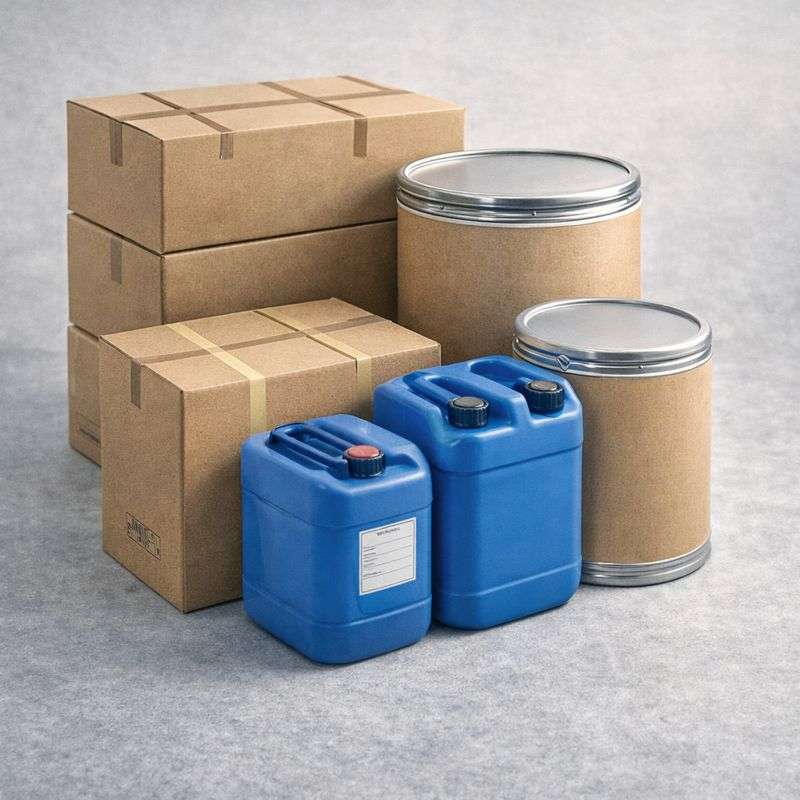
Supply, Documentation & Customization
Documents & Compliance
COA, SDS/MSDS, and TDS/spec sheet available based on product and market requirements.
Customization & Private Label
Custom packing, private label, and labeling support available depending on product type and order scope.
Commercial Support
Sample, lead time, and incoterm options can be discussed according to destination market and supply plan.
Why Source From Lifeworth
Flexible HPLC Purity Range
Silybin / Silibinin specifications from HPLC 70% to 100% can be reviewed according to project requirements.
Specification Matching Support
Existing COA and technical specifications can be used for purity, analytical-method, and quality-limit comparison.
Batch Documentation Support
COA, SDS, and TDS can be provided for technical, quality, and purchasing review.

FAQ
What is the difference between Silybin and Silibinin?
Silybin and silibinin are closely related names commonly used for the major active flavonolignan constituent of milk thistle. Commercial specifications should still be confirmed according to purity, HPLC method, and product documentation.
What is the difference between Silybin / Silibinin and Silymarin?
Silymarin is a mixture of flavonolignans, while Silybin / Silibinin is a more defined individual constituent within the silymarin complex. Silybin / Silibinin is generally selected when a higher-purity and more specific active profile is required.
What HPLC specifications are available?
Silybin / Silibinin can be supplied across an HPLC range of 70%–100%, subject to final specification confirmation.
Can you supply high-purity grades such as 95% or 98%?
Yes. High-purity grades such as 95%, 98%, and other agreed HPLC specifications can be reviewed according to project requirements.
Is Silybin / Silibinin suitable for capsules and tablets?
Yes. It can be evaluated for capsules, tablets, and other solid dosage formulations where a defined active purity is required. Formulation compatibility should be confirmed during development.
Can you match an existing Silybin or Silibinin COA?
Yes. Existing COA or specification data can be used to compare purity, analytical method, residual-solvent limits, physical properties, and other quality parameters before sample approval.
What documents are available?
COA, SDS, TDS, and other available quality documents can be provided according to the selected specification and destination-market requirements.
Need more answers?
Explore our full FAQ library for documentation, compliance, shipping, and ordering guidelines.