
Milk Thistle Extract Ingredients
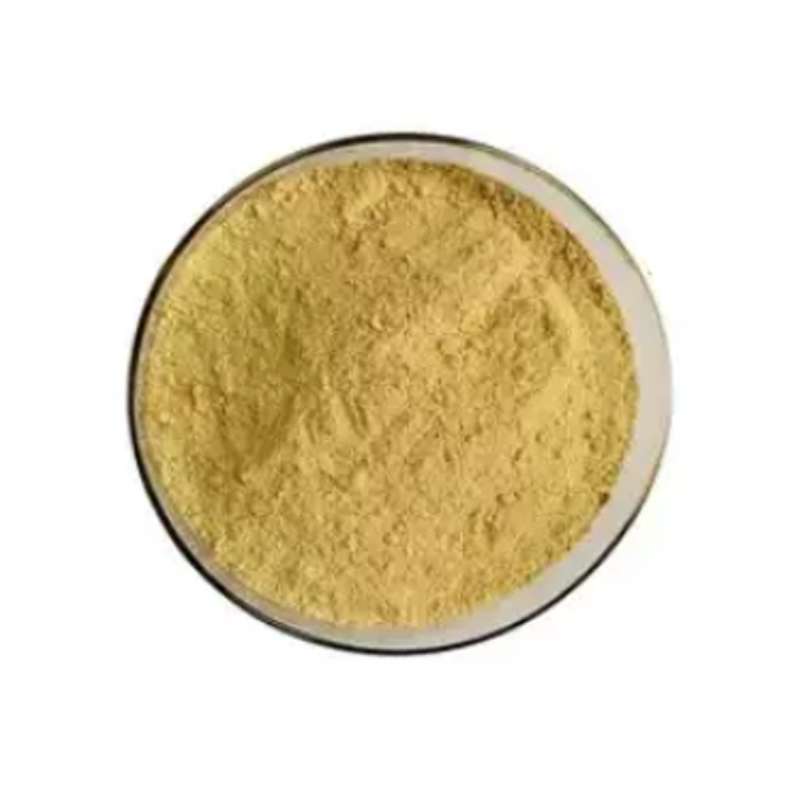
Milk thistle (Silybum marianum) ingredients are commercially supplied in different forms depending on the target active profile, assay method, water compatibility, and application. Lifeworth supports standardized silymarin extracts, water-soluble milk thistle ingredients, and silybin / silibinin grades for commercial ingredient sourcing.
Proof Points
- Standardized silymarin extract options
- Water-soluble milk thistle ingredients available
- Silybin / silibinin higher-purity routes
- UV / HPLC specification review
- COA, SDS, TDS and sample support
Description
What Are the Main Ingredients in Milk Thistle?
Milk thistle, botanically known as Silybum marianum, is commonly processed from the seeds to produce standardized botanical extracts for supplement and formulation use. Its best-known active complex is silymarin, a naturally occurring mixture of related flavonolignans rather than a single compound.
The silymarin complex contains several constituents, including silybin (silibinin), isosilybin, silychristin, and silydianin. Among these, silybin / silibinin represents an important individual component and may also be supplied separately as a more defined, higher-purity ingredient.
Commercial milk thistle ingredients are therefore not limited to one extract type. Buyers may evaluate conventional standardized silymarin extracts, water-soluble or water-compatible milk thistle preparations, and higher-purity silybin / silibinin materials depending on the required active profile, assay basis, formulation system, and finished-product positioning.
Commercial Milk Thistle Ingredient Forms
Standardized silymarin extract is commonly selected for capsules, tablets, powder blends, and other dry dietary supplement formulations. Depending on the specification, commercial silymarin materials may be evaluated using UV- or HPLC-based analytical methods.
For formulations where conventional silymarin's limited water solubility is unsuitable, a water-soluble milk thistle ingredient may provide a more appropriate formulation route. Projects requiring a more defined individual active component can instead evaluate silybin / silibinin grades.
Because assay method, standardization level, solubility, purity, and processing approach can differ between commercial milk thistle ingredients, buyers should compare the complete specification rather than relying on the product name or stated percentage alone.
Buyer Snapshot
Main Commercial Ingredient
Standardized silymarin extract is the conventional milk thistle ingredient route for capsules, tablets, powder blends, and dietary supplement formulations.
Key Specification Difference
Assay method, silymarin level, active profile, water compatibility, and quality limits may differ substantially between commercial milk thistle extract grades.
Water-Compatible Option
Water-soluble milk thistle ingredients can be evaluated when dispersibility or compatibility with aqueous formulation systems is a primary requirement.
Higher-Purity Option
Silybin / silibinin is reviewed separately when a more defined active component or higher-purity ingredient is required.
Documentation
COA / MSDS / TDS + statements on request
Traceability
Batch records and retained samples
Packaging
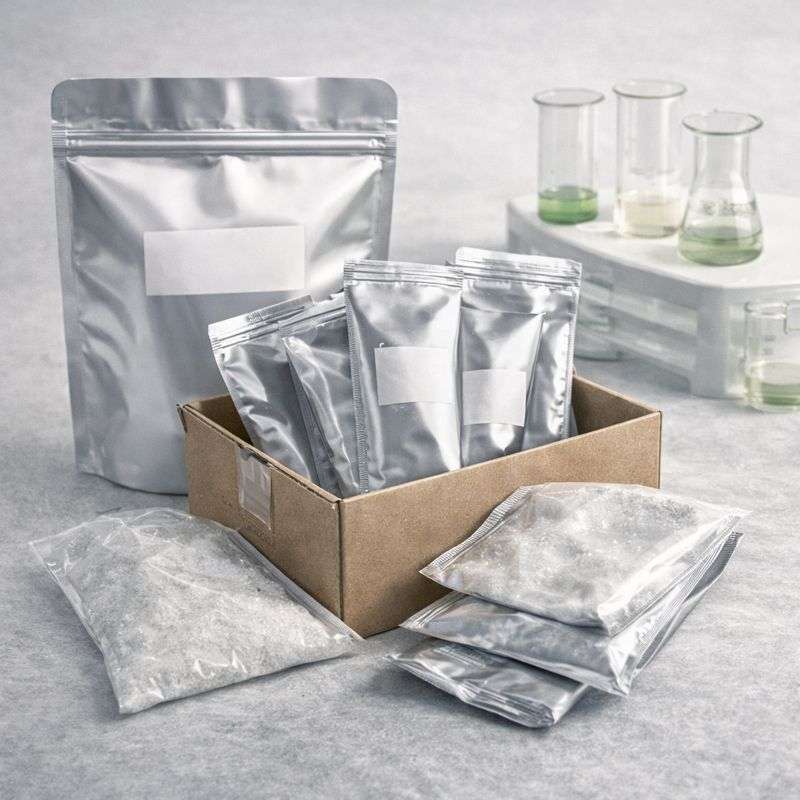
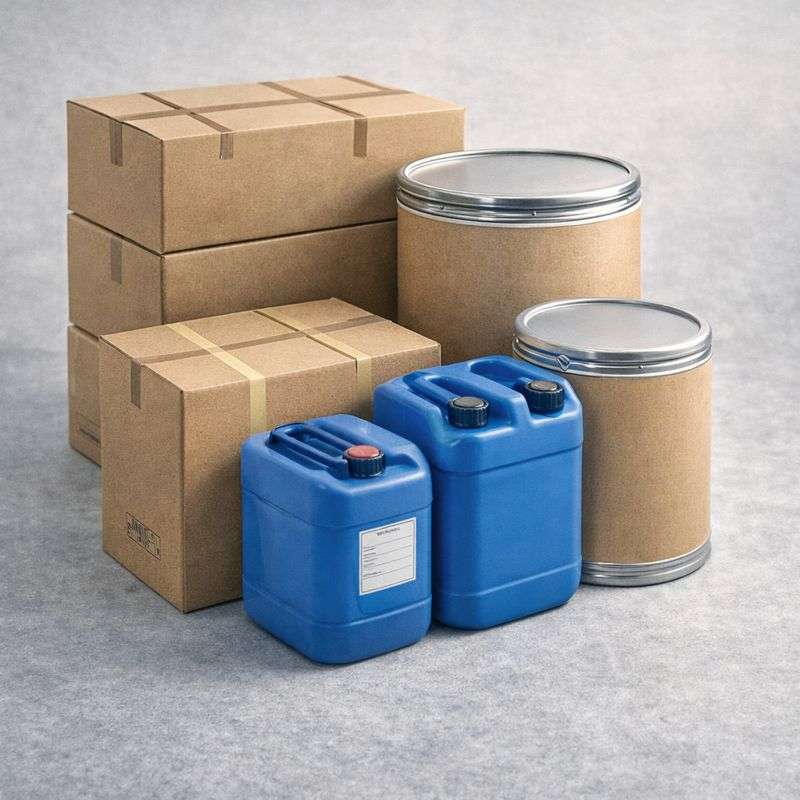
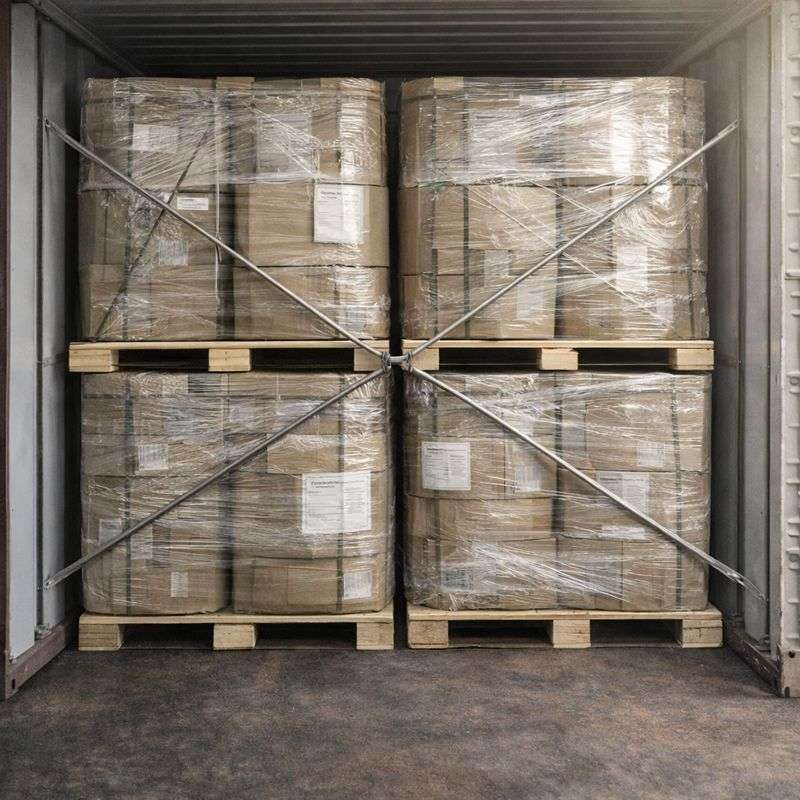
Standard export packing + customization
Best for
Importers / distributors / contract manufacturers
Available Products & Grades
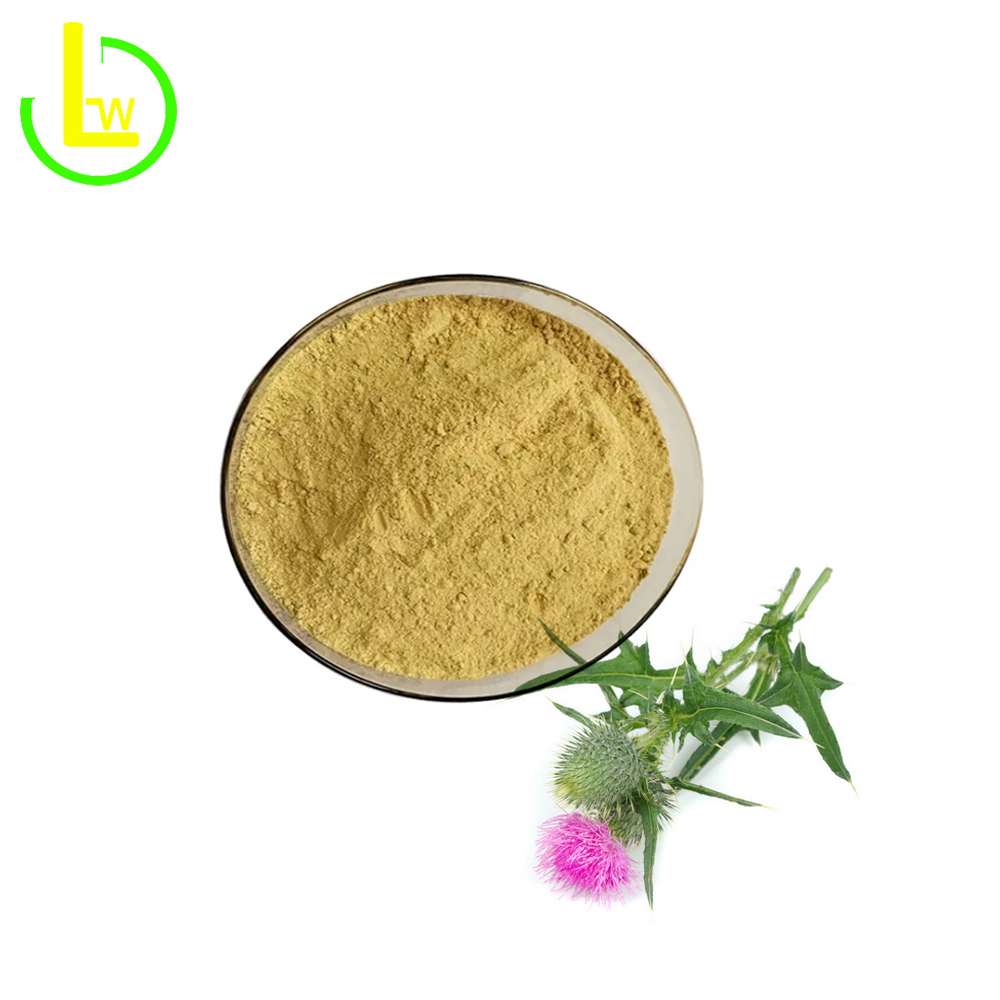
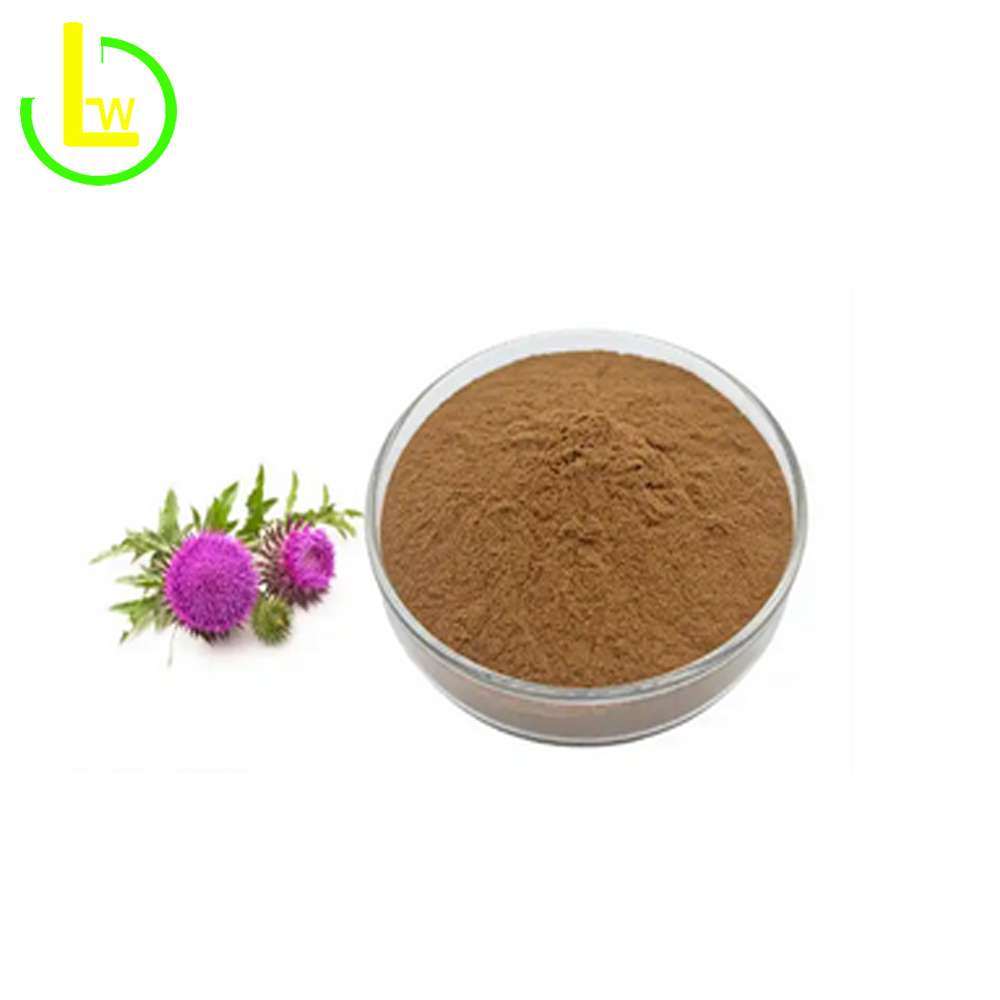

Click a form below to view assay/spec range, packaging protection, and the exact document pack for that grade.
How to Choose
Choose by active profile
For conventional standardized milk thistle supplementation, silymarin extract is usually the primary commercial route. When the formulation requires a more defined individual component or higher-purity active profile, silybin / silibinin should be evaluated separately.
Choose by formulation system
Conventional silymarin extracts are generally suitable for capsules, tablets, dry blends, and powder-based formulations. For water-based systems or projects where dispersibility is a primary requirement, a water-soluble milk thistle ingredient may be more appropriate.
Choose by assay and standardization
Commercial milk thistle extracts may use different assay methods and standardization approaches. Buyers should confirm whether the material is evaluated by UV, HPLC, or another agreed analytical method, together with the target active level and chromatographic requirements.
Choose by existing specification
For replacement or supplier-switching projects, providing the current COA or product specification is usually the most reliable way to evaluate technical comparability, assay basis, quality limits, and document requirements before sampling.
Extraction, Standardization & Quality Considerations
Milk thistle extracts may be produced through different extraction, purification, drying, and standardization processes. Differences in process route can affect the final assay profile, residual-solvent limits, color, odor, powder characteristics, and commercial specification.
For technical comparison, buyers should review the extraction or solvent requirements where relevant, analytical method, standardization level, residual-solvent controls, and destination-market quality requirements together rather than comparing product names or stated percentages alone.
For detailed UV / HPLC assay options and specification matching, review the Silymarin 80% Milk Thistle Extract product page.
When to Contact Us
You need help matching the right grade/specification to your application.
You require a documentation package for compliance review (COA/MSDS/TDS and statements).
You are planning a bulk order and want to confirm MOQ, lead time, and shipping terms.
Compare
| Ingredient Option | Main Positioning | Typical Assay Direction | Water Compatibility | Typical Applications | When to Choose |
|---|---|---|---|---|---|
| Silymarin 80% Milk Thistle Extract | Conventional standardized milk thistle extract | UV- or HPLC-based specification depending on grade | Limited | Capsules, tablets, powder blends, dietary supplements | When a standardized commercial silymarin extract is required |
| Water-Soluble Silymarin | Water-compatible milk thistle ingredient | Project-specific standardized or formulated specification | Improved | Liquid systems, instant powders, selected beverage and aqueous formulations | When conventional silymarin has insufficient water compatibility |
| Silybin / Silibinin | More defined active-ingredient route | Higher-purity silybin / silibinin specification | Generally limited unless specially formulated | Specialized supplement and formulation projects | When a more specific active profile or higher-purity ingredient is required |
Application Paths
Capsules & Tablets
Standardized silymarin extract is commonly selected for capsules and tablets where a defined milk thistle extract specification is required. Buyers should review assay basis, particle characteristics, excipient compatibility, and the finished dosage form during formulation development.
Powder Blends & Botanical Formulas
For dry blends, premixes, sachets, and multi-ingredient botanical formulations, standardized silymarin extract is typically the main route. If a more defined active profile is required, silybin / silibinin may be evaluated separately.
Water-Based & Instant Systems
Conventional silymarin extract has limited water solubility. For liquid, beverage, instant-powder, or aqueous formulation systems where improved dispersibility or water compatibility is required, a water-soluble milk thistle ingredient should be evaluated.
Factory & Capability
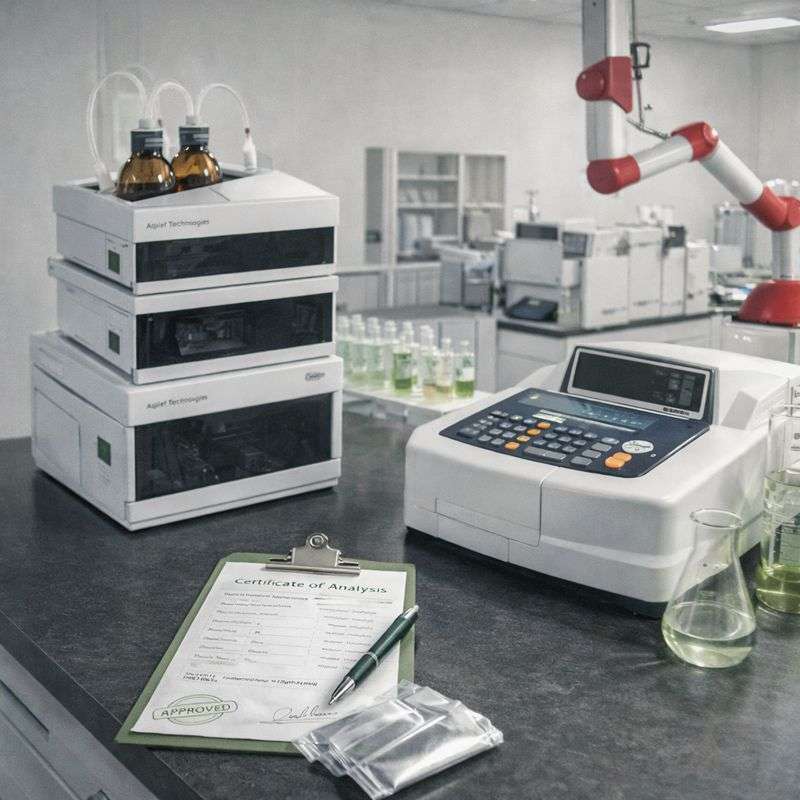
Facility


Packaging
Certifications & Compliance
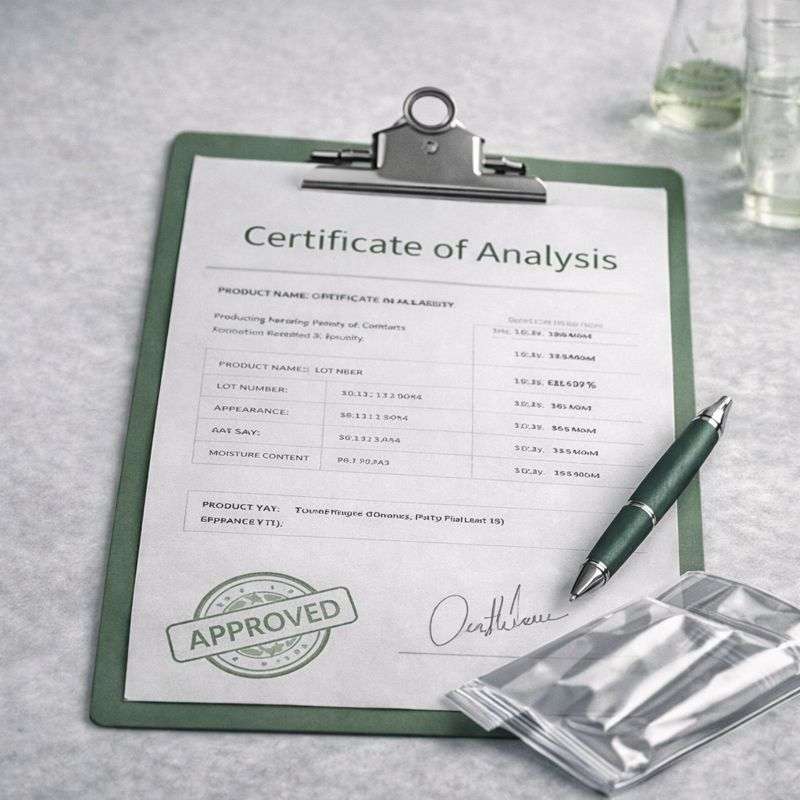
Certificates and documents are available for customer review upon request.

Category Capability
Milk Thistle Ingredient Coverage
Lifeworth supports standardized silymarin extracts, water-soluble milk thistle ingredients, and higher-purity silybin / silibinin materials for commercial sourcing and formulation projects.
Specification Matching
Existing COA or product specifications can be reviewed for replacement projects, supplier comparison, and technical matching before sample evaluation.
Documentation Support
COA, SDS, TDS, and other available quality or regulatory documents can be provided according to the selected grade and destination-market requirements.
Sample & Commercial Supply
Samples, commercial quantities, export packing, and shipment arrangements can be discussed according to the selected milk thistle ingredient and project stage.
QC Focus for This Category
Quality evaluation may include appearance, identification, assay, moisture or loss on drying, ash, particle size, heavy metals, residual solvents, and microbiological limits according to the selected milk thistle ingredient.
Depending on the grade and destination market, additional review may include lead, arsenic, cadmium, mercury, pesticide residues, aflatoxins, solvent controls, chromatographic profile, and water-compatibility testing where relevant. Final requirements should follow the agreed product specification.
FAQ
What are the main active ingredients in milk thistle?
Milk thistle contains a flavonolignan complex known as silymarin. Silymarin includes several related constituents, including silybin / silibinin, isosilybin, silychristin, and silydianin.
What is the difference between milk thistle extract and silymarin?
Milk thistle extract is a broader botanical ingredient term, while silymarin refers to the standardized flavonolignan complex commonly used to characterize commercial milk thistle extracts. Different milk thistle extract grades may therefore have different silymarin levels and analytical specifications.
What is the difference between silymarin and silybin / silibinin?
Silymarin is a mixture of related flavonolignans, while silybin / silibinin is a more specific constituent within the silymarin complex. Buyers requiring a conventional standardized extract usually evaluate silymarin, while projects requiring a more defined active profile may consider silybin / silibinin.
Which milk thistle extract is suitable for capsules and tablets?
Standardized silymarin extract is commonly selected for capsules, tablets, powder blends, and other dry dietary supplement formulations. The appropriate grade should be confirmed according to the target assay method and product specification.
Which milk thistle ingredient is suitable for water-based formulations?
Conventional standardized silymarin has limited water solubility. A water-soluble milk thistle ingredient should be evaluated when improved dispersibility or compatibility with aqueous formulation systems is required.
Does the assay method matter when comparing silymarin extracts?
Yes. UV- and HPLC-based results may represent different analytical approaches and should not automatically be treated as directly equivalent. Buyers should review the stated silymarin level together with the assay method and complete specification.
Can you match an existing milk thistle extract specification or COA?
Yes. For replacement or supplier-switching projects, an existing COA or product specification can be used as the reference for evaluating assay basis, quality limits, active profile, and technical comparability before sample testing.