
Methylcobalamin Powder
Lifeworth supplies methylcobalamin powder for buyers evaluating active-form labeling, assay control, light-sensitive handling, pack-size planning and batch documentation for higher-value vitamin B12 formulations.
- High-purity methylcobalamin, also known as mecobalamin
- Active-form positioning for premium supplement concepts
- Suitable for capsules, sublingual tablets, gummies and specialty blends
- Light-protective sample and commercial packing
- Batch COA, SDS/MSDS, TDS and export support
Tell us your application, target specification, and destination market so we can support grade selection, documentation review, and packaging recommendations.
Quick Specs
Identity
Alias
CAS Number
Molecular Formula
Molecular Weight
Quality
Assay
Grade
Standards
Assay Method
Handling
Appearance
Form
Solubility
Applications
Commercial Terms
MOQ
MOQ depends on packaging and specification.
Lead Time
3–7 working days for standard items; bulk orders by schedule.
Incoterms
EXW / FOB / CIF / DAP / DDP
Sample
Free sample (shipping charged)
Quality & Documents
COA (per batch) • SDS/MSDS • TDS/Spec sheet (on request). Additional statements depend on product and market.
Product Overview
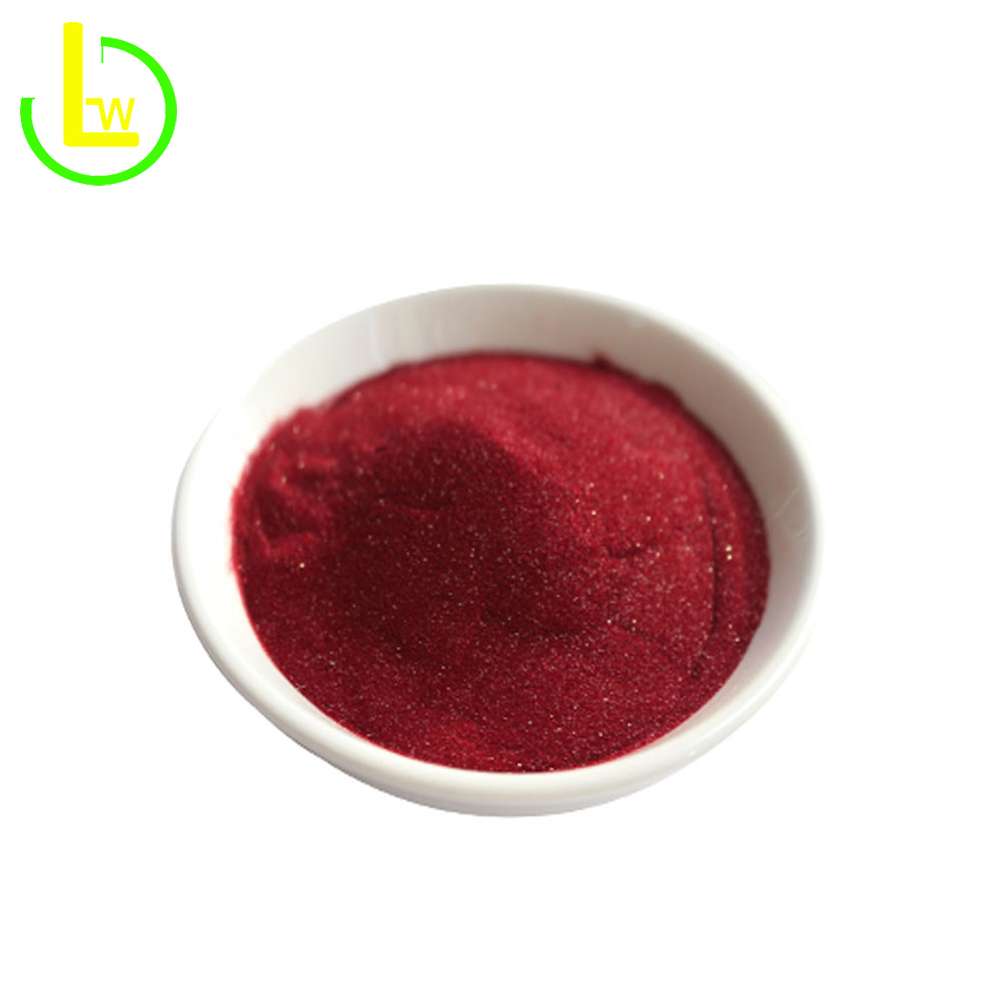
Methylcobalamin powder, also known as mecobalamin, is a methylated coenzyme form of vitamin B12 commonly selected for premium supplements, sublingual products and differentiated active-form formulations.
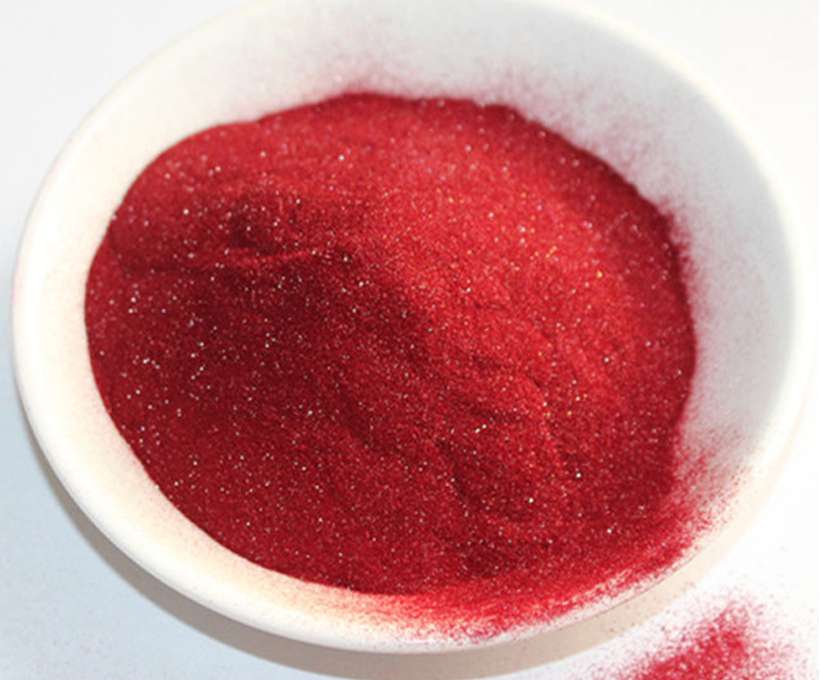
It is supplied as a high-purity dark red crystalline powder, and buyers typically review assay, related substances, photostability, package size, storage conditions and batch documentation before technical or commercial evaluation.
It is commonly considered for capsules, tablets, gummies, specialty powder blends and combination-B12 systems, with sample evaluation, light-protective packing and technical-document support available for sourcing reference.
Applications
Premium Capsules and Tablets
Methylcobalamin is commonly selected for premium capsules and tablets where the B12 form itself supports product differentiation. It is especially relevant to brands that want to identify a methylated or active-form B12 rather than position the ingredient as a conventional broad-market vitamin input.
Sublingual Tablets and Fast-Dissolve Formats
Methylcobalamin may be considered for sublingual tablets, lozenges and other fast-dissolve systems where active-form positioning is commercially important. Low-dose uniformity, excipient compatibility, moisture exposure and finished-product stability should be reviewed during development.
Gummies and Specialty Powder Blends
It can also be evaluated for gummies, sachets and specialty powder blends, but these systems require careful review of color distribution, light exposure, processing time and matrix stability. Pilot testing is particularly important because the finished system may present different stability conditions from capsules or dry tablets.
Combination-B12 and Professional Nutrition Systems
Methylcobalamin may be combined with Adenosylcobalamin or other selected B12 forms in differentiated supplement concepts. In such systems, buyers should review the role of each B12 form, total potency, ratio design, labeling strategy and the analytical basis used for finished-product verification.
How to Choose the Right Grade / Form
Match the Specification to the Product Position
Confirm whether the project is a premium capsule, sublingual tablet, gummy, powder blend, combination-B12 formula or another system. The finished-product concept affects the required assay, impurity controls, pack size, storage plan and technical-document expectations.
Verify the Actual Standard
Do not rely only on broad descriptions such as USP grade, EP grade or pharmaceutical grade. Confirm the exact specification, assay range, test methods, impurity limits and wording shown on the supplier’s COA and TDS before comparing quotations.
Plan Pack Size Around Consumption
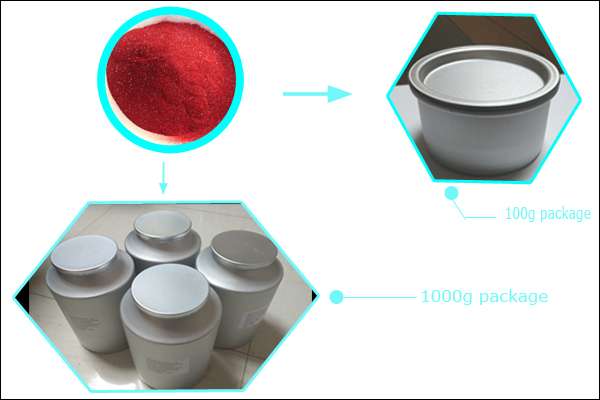
Because methylcobalamin is a higher-value and light-sensitive material, pack size should be matched to production frequency and expected usage. Smaller sealed packs may reduce repeated opening, prolonged light exposure and the risk associated with holding a partially used large package.
Confirm Documentation and Destination Requirements
Provide the destination country and required document list, including COA, SDS/MSDS, TDS, origin information, manufacturing statements or other market-specific declarations. This avoids selecting a technically suitable product that cannot support the buyer’s qualification process.
Technical & Formulation Notes
Technical Notes
Methylcobalamin is generally evaluated as an active-form vitamin B12 ingredient for premium supplement, fortified nutrition and specification-driven formulation projects rather than as a broad-market cost-led B12 material. Technical review normally focuses on assay basis, identification, related substances, batch consistency, standard alignment, light-protection requirements and documentation scope.
Manufacturing & Process
Commercial methylcobalamin supply involves controlled production followed by purification, crystallization, drying and final quality testing. The exact manufacturing route, process statement, raw-material origin and available supporting documents depend on the selected manufacturer and can be reviewed during supplier qualification where required.
Methylcobalamin vs Cyanocobalamin
Methylcobalamin Powder
Methylcobalamin is commonly selected for premium active-form vitamin B12 positioning, higher-value supplement concepts and projects where ingredient form is part of the finished-product differentiation strategy. Buyers generally place greater emphasis on light protection, packaging integrity, specification control and finished-product stability.
Cyanocobalamin Powder
Cyanocobalamin is more commonly selected for broad-market supplement, food-fortification and premix projects where established commercial use, practical supply and cost efficiency are important. The appropriate option depends on the product concept, formulation system, target market and commercial positioning.
Internal link anchor: Cyanocobalamin Powder
Compatibility / Formulation Notes
For Capsules and Conventional Tablets
Use controlled dilution and premixing to support low-dose uniformity before final blending. Minimize unnecessary light exposure during weighing and transfer, and verify that the selected excipient system does not introduce avoidable moisture or stability risk.
For Sublingual and Fast-Dissolve Products
Review taste system, moisture sensitivity, disintegration profile and the time the ingredient remains exposed during production. Finished-product stability should be established in the actual packaging format because fast-dissolve systems can behave differently from conventional compressed tablets.
For Gummies
Evaluate process temperature, hold time, pH, water activity, color behavior and exposure to light. A raw-material COA cannot predict performance in a gummy matrix, so pilot batches and finished-product stability testing are essential.
For Powder Blends and Sachets
Review dispersion uniformity, interaction with minerals or other vitamins, package barrier performance and the likelihood of repeated exposure after opening. Where the blend is consumed over multiple uses, packaging design becomes part of the stability strategy.
For Combination-B12 Systems
When combining Methylcobalamin with Adenosylcobalamin or another B12 form, define the purpose, potency and ratio of each ingredient before scale-up. Analytical verification should distinguish between the intended inputs where required rather than relying only on total vitamin B12 claims.
Extended QC & Test Items
Depending on the agreed specification, batch quality review may include identification, appearance, assay, loss on drying or moisture, related substances or impurity profile, residual solvents, elemental impurities or heavy metals, and microbiological limits where applicable. Final test items, analytical methods and acceptance limits are governed by the agreed specification and batch Certificate of Analysis.
Product specifications
| Test | Specification | Method |
|---|---|---|
| Assay (Methylcobalamin) | 98.0%–102.0% (Typical: 99.0%) | USP/EP • HPLC |
| CAS No. | 13422-55-4 | - |
| Chemical formula | C63H91CoN13O14P | - |
| Molecular weight | 1344.38 g/mol (typical) | - |
| Appearance | Dark red crystalline powder | Visual |
| Solubility | Sparingly soluble in water (typical) | Typical |
Storage, Shelf Life & Packaging
Storage
Storage
Store at 2–8°C in tightly sealed, light-protective containers. Protect from moisture, heat, direct sunlight, and unnecessary air exposure during storage and transportation.
Handling Note
Because methylcobalamin is a high-value and light-sensitive vitamin ingredient, storage control, moisture protection, and package integrity should be maintained throughout warehousing and internal handling.
Shelf Life
Shelf life should follow the agreed specification and original packing condition. Batch label, storage compliance, and package integrity should be checked before use.
Packaging & Logistics
Standard Packing
To better support light protection, moisture control, and high-value raw-material handling, methylcobalamin powder is commonly packed in 100 g, 500 g, and 1 kg sealed aluminum tins.
Sample Packing
Small evaluation packs can be arranged for technical review, formulation screening, and sourcing assessment.
Bulk Supply
Commercial supply can be arranged according to the required quantity and shipment plan, with packing format confirmed based on product scope, handling needs, and destination-market requirements.
Logistics & Documents
COA, SDS/MSDS, and TDS/specification sheet can be arranged according to the agreed supply plan. For higher-value vitamin projects, package integrity and light-protection control should be confirmed before shipment.
Supply, Documentation & Customization
Documents & Compliance
COA, SDS/MSDS, and TDS/spec sheet available based on product and market requirements.
Customization & Private Label
Custom packing, private label, and labeling support available depending on product type and order scope.
Commercial Support
Sample, lead time, and incoterm options can be discussed according to destination market and supply plan.
Why Source From Lifeworth
Vitamin B12 Product Selection Support
We support buyers comparing Methylcobalamin with Cyanocobalamin, Hydroxocobalamin, Adenosylcobalamin and Vitamin B12 premix grades, helping them select the appropriate form according to application, formulation requirements and commercial positioning.
Defined Specification Review
Assay, applicable standard, test scope, packing and documentation requirements are reviewed before quotation, helping buyers compare products on the same specification basis rather than relying only on the ingredient name or headline price.
Light-Protective Supply Planning
Pack size, packaging integrity, storage requirements and shipment conditions are reviewed according to product value and handling needs, helping reduce unnecessary exposure during transportation, warehousing and production use.
Batch Documentation and Export Support
Batch COA and applicable SDS/MSDS and TDS documents are available for purchasing, quality and technical review. Samples, commercial packing, export documentation and international shipment options can be coordinated according to order quantity and destination.

FAQ
What is the difference between Methylcobalamin and Mecobalamin?
They are commonly used names for the same vitamin B12 form. The naming shown on the final COA, specification and shipping documents should be confirmed before order placement.
Is Methylcobalamin the same as Cyanocobalamin?
No. Both are forms of vitamin B12, but they differ in chemical form, commercial positioning and typical formulation use. Methylcobalamin is commonly selected for active-form and premium supplement concepts, while Cyanocobalamin is more often used in broad-market and cost-sensitive projects.
Is Methylcobalamin Powder light-sensitive?
Light protection is an important handling consideration. The raw material should be kept in suitable sealed packaging and unnecessary exposure should be minimized during sampling, weighing and production.
Can Methylcobalamin be used in sublingual tablets and gummies?
It may be evaluated for both formats, but the formulation risks are different. Sublingual products require review of moisture, taste and fast-dissolve behavior, while gummies require particular attention to temperature, pH, water activity, light exposure and finished-product stability.
Can Methylcobalamin be combined with Adenosylcobalamin?
Yes, the two forms may be considered in combination-B12 concepts. The intended ratio, potency, labeling strategy, analytical control and formulation stability should be defined during product development.
What information is required for a quotation?
Please provide the application, dosage form, required assay or standard, quantity, preferred pack size, destination country and required documents. For sensitive formulations, also provide any specific storage, light-protection or stability requirements.
Need more answers?
Explore our full FAQ library for documentation, compliance, shipping, and ordering guidelines.