
Hyaluronic Acid Bulk
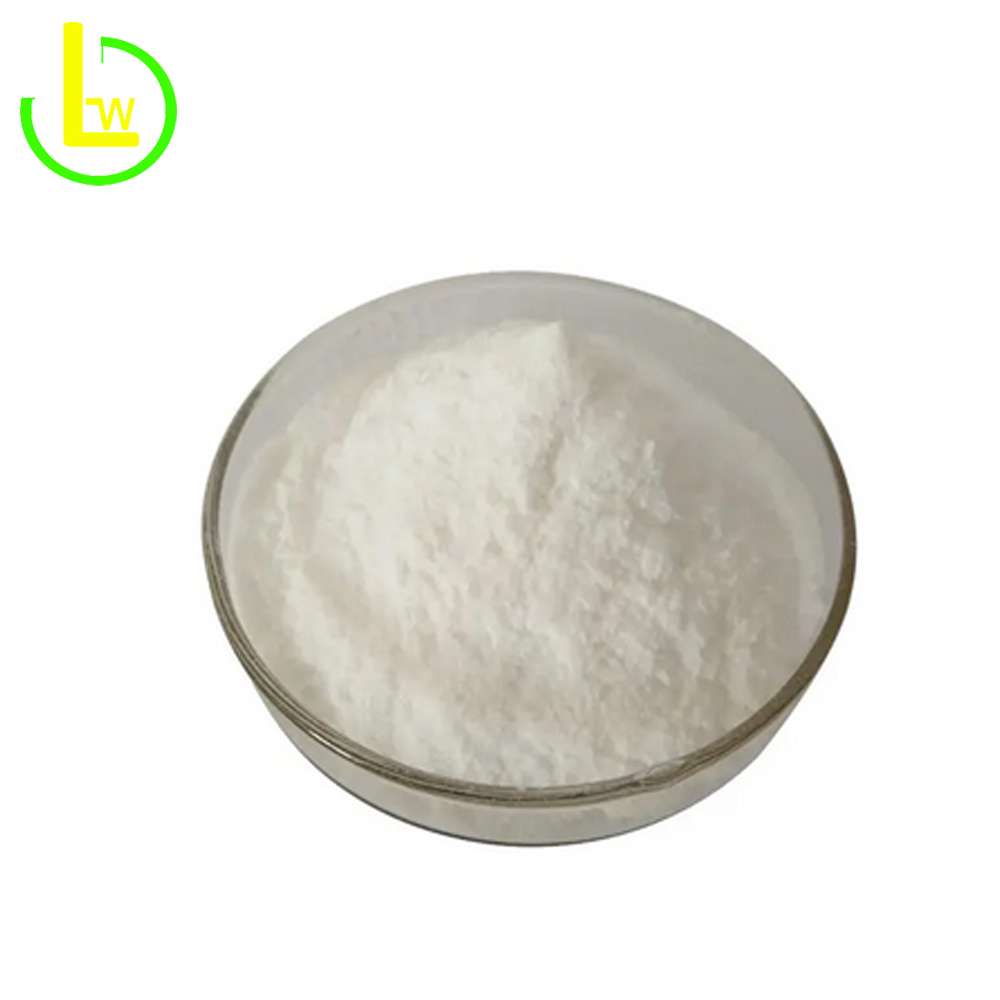
Lifeworth supplies bulk hyaluronic acid powder, commonly supplied as sodium hyaluronate, for cosmetic, nutritional and functional ingredient manufacturers.
Available in different molecular weight ranges and grades, our sodium hyaluronate powder supports formulation development where viscosity, texture, solubility and specification requirements need to be carefully controlled.
We provide technical documentation including COA, TDS and SDS/MSDS to support international B2B evaluation and bulk ingredient sourcing.
• Bulk sodium hyaluronate powder supply for international manufacturers.
• Different molecular weight ranges available for formulation requirements.
• Cosmetic and nutritional grades available based on application needs.
• Batch COA, TDS and SDS/MSDS documentation support.
• Flexible packaging and export support for bulk orders.
Tell us your application, target specification, and destination market so we can support grade selection, documentation review, and packaging recommendations.
Quick Specs
Identity
INCI Name
Alias
CAS Number
Molecular Formula
Molecular Weight
Quality
Assay
Grade
Standards
Assay Method
Handling
Appearance
Form
Solubility
Applications
Commercial Terms
MOQ
MOQ depends on packaging and specification.
Lead Time
3–7 working days for standard items; bulk orders by schedule.
Incoterms
EXW / FOB / CIF / DAP / DDP
Sample
Free sample (shipping charged)
Quality & Documents
COA (per batch) • SDS/MSDS • TDS/Spec sheet (on request). Additional statements depend on product and market.
Product Overview
Sodium Hyaluronate, commonly recognized as hyaluronic acid powder in the ingredient market, it is a fermentation-derived functional ingredient widely used in cosmetic, nutritional and formulation applications.
For B2B buyers, selecting the right sodium hyaluronate grade depends on molecular weight, formulation target, application category and quality requirements. Lifeworth supports bulk supply with clear specifications, technical documentation and flexible solutions for manufacturers.
Different molecular weight options allow formulators to select suitable grades according to desired viscosity, texture characteristics and product development goals.
Related Sodium Hyaluronate Grades & Products:
Lifeworth supplies different sodium hyaluronate grades to support various formulation requirements.
• Low Molecular Weight Hyaluronic Acid
Suitable for lightweight cosmetic formulations where different viscosity characteristics are required.
• High Molecular Weight Hyaluronic Acid
Suitable for formulations requiring higher viscosity contribution and texture control.
• Sodium Hyaluronate Crosspolymer
A modified hyaluronic acid ingredient designed for advanced cosmetic formulation systems.
• Ophthalmic Grade Sodium Hyaluronate
For customers requiring specialized sodium hyaluronate specifications and documentation.
• Medical Sodium Hyaluronate
For regulated applications requiring specific technical and quality requirements.
Applications
Cosmetics & Personal Care:
Sodium hyaluronate is widely used in skincare formulations including serums, creams, essences and other water-based cosmetic systems.
Nutritional Supplements:
Bulk sodium hyaluronate powder can be used in capsules, tablets and functional nutrition products requiring a water-soluble hyaluronic acid ingredient.
Formulation Development:
Suitable for manufacturers developing customized formulations where molecular weight selection, viscosity control and ingredient compatibility are important.
Specialized Applications:
Different grades and specifications can be discussed for customers with specific technical requirements.
How to Choose the Right Grade / Form
For Lightweight Skincare Systems
Low molecular weight sodium hyaluronate is often selected for serums, essences, toners, masks, and lightweight hydration systems where lower viscosity contribution, smooth spreadability, and a lighter sensory profile are required. Buyers should review molecular weight range, transparency, pH, viscosity behavior, and formulation compatibility before sample testing.
For Richer Texture and Surface Hydration
High molecular weight sodium hyaluronate is often selected for creams, gels, masks, lotions, and leave-on skincare systems where film-forming behavior, viscosity contribution, and richer skin feel are important. Intrinsic viscosity, transparency, molecular weight range, and final sensory performance should be checked in the actual formula.
For Premium or Differentiated Skincare Concepts
Liposomal hyaluronic acid, sodium hyaluronate crosspolymer, and sodium acetylated hyaluronate can be considered when the formulation requires delivery-system positioning, long-lasting hydration, smoother skin feel, film-forming behavior, or an advanced HA story. These modified HA forms should be reviewed by INCI name, carrier system, crosspolymer type, acetylated HA basis, dispersion behavior, formula compatibility, and sensory performance.
For Food and Oral Beauty Products
Food grade sodium hyaluronate should be reviewed when the ingredient is intended for oral beauty, functional food, capsule, tablet, gummy, sachet, or powder drink applications. Buyers should confirm grade suitability, solubility, dosage, taste impact, document scope, label positioning, and destination-market requirements before sourcing.
For Ophthalmic or Medical Formulation Evaluation
Ophthalmic grade and medical grade sodium hyaluronate should be reviewed separately according to molecular weight, intrinsic viscosity, transparency, endotoxin, microbial limits, impurity profile, protein, nucleic acids, document scope, regulatory pathway, and destination-market requirements. These projects require customer-side technical validation, quality review, and regulatory confirmation before commercial use.
For QC and Documentation Review
Across all HA types, important sourcing review points may include assay, glucuronic acid, molecular weight, intrinsic viscosity, transparency, pH, loss on drying, protein, nucleic acids, heavy metals, microbial limits, endotoxin where applicable, and batch documents. COA, SDS/MSDS, TDS/spec sheet, and additional quality documents can be discussed before commercial order confirmation.
Technical & Formulation Notes
Technical Notes
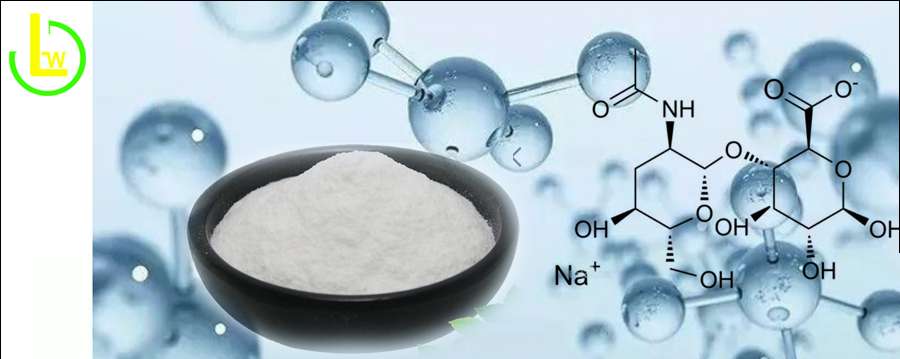
Sodium Hyaluronate is the sodium salt form of hyaluronic acid and is widely used as a water-soluble ingredient in cosmetic and nutritional formulations.
Molecular weight is one of the most important parameters when selecting sodium hyaluronate because it influences viscosity, texture and formulation behavior.
Typical quality evaluation includes molecular weight range, assay, glucuronic acid content, transparency, pH value, protein content and microbiological parameters.
Specifications can be aligned with customer application requirements before commercial supply.
Manufacturing & Process
Fermentation → filtration and purification → concentration → molecular weight control → drying → milling and sieving → packaging.
The manufacturing process focuses on maintaining product consistency, controlling molecular weight distribution and ensuring batch-to-batch quality stability.
Different molecular weight ranges can be supplied according to formulation requirements.
Compatibility / Formulation Notes
Grade selection:
The appropriate sodium hyaluronate grade should be selected according to formulation objectives rather than simply choosing a higher or lower specification.
Key considerations include:
• Target product format
• Desired viscosity and texture
• Molecular weight requirement
• Cosmetic or nutritional application
• Documentation and regulatory needs
Lifeworth can support customers in selecting suitable specifications based on their formulation requirements.
Extended QC & Test Items
Typical QC per batch:
• Identification
• Assay
• Molecular weight range
• Glucuronic acid content
• Transparency
• pH value
• Protein content
• Loss on drying
• Heavy metals
• Microbiological limits
• Batch traceability documentation
Product specifications
| Test | Specification | Method |
|---|---|---|
| Appearance | White to off-white powder | Visual |
| Identification | Conforms to agreed specification | Per specification |
| Assay | Per agreed specification | Per specification |
| Molecular Weight | Per agreed specification | Per specification |
| Glucuronic Acid | Per agreed specification | Per specification |
| Transparency | Per agreed specification | Per specification |
| pH | Per agreed specification | Per specification |
| Loss on Drying | Per agreed specification | Per specification |
| Protein | Per agreed specification | Per specification |
| Heavy Metals | Per agreed specification | Per specification |
| Microbiological Limits | Per agreed specification | Per specification |
| Documents | COA per batch; SDS/MSDS and TDS available | Reference |
Storage, Shelf Life & Packaging
Storage
Store sodium hyaluronate powder in a cool, dry, clean, and well-ventilated place.
Keep the packaging tightly sealed after opening and protect the material from moisture, heat, direct sunlight, and strong odors.
Shelf Life
Shelf life should be confirmed according to the agreed specification, grade, packaging format, and storage condition.
For sourcing and quality review, please refer to the product label, COA, and batch-specific storage recommendation.
Packaging & Logistics
Sample Packing
Small samples can be arranged for solubility testing, viscosity evaluation, molecular weight comparison, formulation testing, and document review before bulk order confirmation.
Bulk Packing
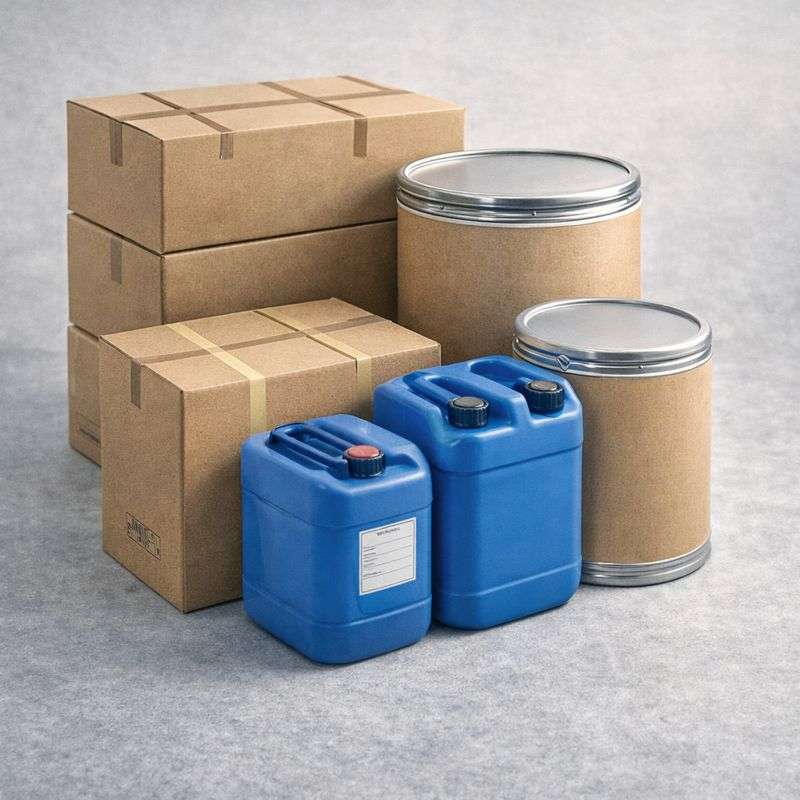
Bulk packing can be supplied in aluminum foil bags, cartons, drums, 25kg drums, or other agreed packaging formats depending on grade, quantity, and shipping requirements.
Customization
Molecular weight range, cosmetic grade or food grade selection, packing size, label support, and application-based document needs can be discussed according to customer formulation and market requirements.
Logistics & Documents
COA, SDS/MSDS, TDS/spec sheet, packing list, invoice, and shipping documents can be provided according to order requirements. Additional statements can be discussed based on destination market and product application.
Supply, Documentation & Customization
Documents & Compliance
COA, SDS/MSDS, and TDS/spec sheet available based on product and market requirements.
Customization & Private Label
Custom packing, private label, and labeling support available depending on product type and order scope.
Commercial Support
Sample, lead time, and incoterm options can be discussed according to destination market and supply plan.
Why Source From Lifeworth
Defined Spec Clarity
We help buyers review molecular weight range, grade suitability, modified HA type, assay basis, transparency, viscosity, document scope, and application fit before order confirmation.
Customizable Key Target
Different molecular weight ranges, cosmetic grade, food grade, ophthalmic grade, medical grade, liposomal HA, crosspolymer HA, acetylated HA, sample quantity, and packing format can be discussed according to customer projects.
Batch Documentation Support
COA, SDS/MSDS, TDS/spec sheet, and other sourcing documents can be provided for quality review, supplier approval, import preparation, and customer-side technical evaluation.
Export-Ready Bulk Supply
Lifeworth supports sample evaluation, specification review, bulk packing arrangement, and export documentation for cosmetic, personal care, food, nutrition, ophthalmic, medical device, and biomedical material customers.

FAQ
Q1: Is hyaluronic acid the same as sodium hyaluronate?
A: In the ingredient market, sodium hyaluronate is the commonly supplied salt form of hyaluronic acid and is widely used as a raw material for cosmetic, nutritional and formulation applications.
Q2: Do you supply bulk hyaluronic acid powder?
A: Yes. Lifeworth supplies bulk sodium hyaluronate powder for international customers requiring cosmetic, nutritional and functional ingredient supply.
Q3: What molecular weight grades are available?
A: Different molecular weight ranges can be supplied depending on formulation requirements. Customers can confirm their target application before selecting the appropriate grade.
Q4: What documents can you provide?
A: COA, TDS and SDS/MSDS are available for customer review. Additional technical documents can be discussed according to project requirements.
Q5: Can sodium hyaluronate be used in cosmetic formulations?
A: Yes. Sodium hyaluronate is widely used in skincare formulations such as serums, creams, masks and other water-based cosmetic products.
Q6: Can I request a sample before bulk purchasing?
A: Yes. Samples are available for technical evaluation before bulk orders.
Need more answers?
Explore our full FAQ library for documentation, compliance, shipping, and ordering guidelines.