
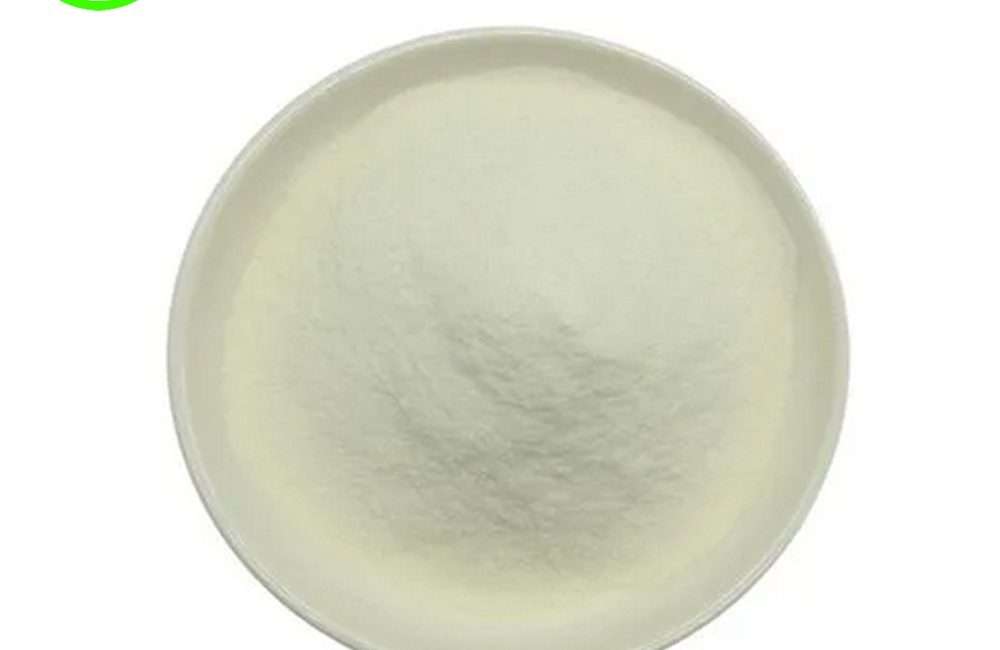
Collagen peptide materials are commonly discussed in supplement, beauty nutrition, functional food, beverage, sports nutrition, and joint-support formulation projects. Depending on the sourcing purpose, buyers may evaluate fish collagen peptide, pure marine collagen, hydrolyzed bovine collagen powder, chicken collagen powder, or undenatured type II collagen.
This page provides a practical overview of collagen peptide supply options, key differences between fish, marine, bovine, chicken, and UC-II collagen routes, and the main specification points buyers should review before requesting a quote.
For a product-route overview, you can also visit our Collagen Peptides sourcing hub.
What Are Collagen Peptides?
Collagen peptides are hydrolyzed collagen materials produced by breaking down larger collagen proteins into smaller peptide fractions. In B2B sourcing, it is more useful to discuss collagen peptides by source, collagen type, commercial form, application route, and document requirements rather than treating all collagen ingredients as one generic material.
The most common sourcing options include fish collagen peptide, pure marine collagen, hydrolyzed bovine collagen powder, chicken collagen powder, and undenatured type II collagen. These materials are not the same product. Buyers usually evaluate them based on source, collagen type, molecular weight, solubility, sensory profile, dosage form, application fit, documentation, and destination-market requirements.
For example, fish and marine collagen are often reviewed for beauty-from-within products and collagen drinks, while bovine collagen is commonly selected for cost-effective supplement and sports nutrition formulas. Chicken collagen and UC-II collagen are more closely associated with joint-support and type II collagen positioning.
Key Characteristics of Collagen Peptide Materials
Collagen peptide materials are often considered for projects where protein source, collagen type, solubility, sensory profile, and application positioning are important. From a sourcing and formulation perspective, buyers usually review the following characteristics:
Source Route
Fish, marine, bovine, chicken, and UC-II collagen routes have different sourcing logic. The declared source should be confirmed before comparing specifications or prices.
Collagen Type
Fish and marine collagen are mainly associated with Type I collagen positioning. Bovine collagen is commonly associated with Type I and Type III collagen positioning. Chicken collagen and UC-II collagen are mainly reviewed for Type II collagen and joint-support formulas.
Hydrolyzed or Undenatured Form
Most fish, marine, and bovine collagen materials are supplied as hydrolyzed collagen peptides. UC-II collagen is different because it refers to undenatured type II collagen and should not be treated as a normal hydrolyzed collagen peptide.
Molecular Weight and Solubility
For beverages, instant powders, gummies, and beauty supplements, molecular weight, water solubility, taste, odor, clarity, and dispersion behavior are important review points.
Application and Document Fit
The suitable collagen material depends on final dosage form, source preference, label concept, regulatory expectations, and document requirements. COA, SDS/MSDS, TDS, specification sheet, allergen statement, and source-related documents are usually reviewed during sourcing evaluation.
These characteristics make collagen peptides a sourcing category where clear product separation is important. Fish collagen peptide, pure marine collagen, bovine collagen, chicken collagen, and UC-II collagen should not be treated as interchangeable materials.
Collagen Peptide Supply Options
Collagen peptide supply can be discussed in several commercial forms depending on source route, application, specification target, positioning, and sourcing budget.
Fish Collagen Peptide
Fish Collagen Peptide is usually selected when buyers need a hydrolyzed fish-source collagen ingredient for beauty supplements, collagen drinks, gummies, tablets, capsules, sachets, and functional food formulations.
This option is commonly reviewed for projects where fish skin, fish scale, or general fish-origin collagen positioning is acceptable or preferred. Buyers usually evaluate source route, molecular weight, solubility, taste, odor, heavy metals, microbiology, and document support before confirming a specification.
Common sourcing focus:
Fish skin or fish scale collagen route
Mainly Type I collagen positioning
Water-soluble peptide powder
Suitable for drinks, gummies, capsules, tablets, sachets, and functional foods
COA, SDS/MSDS, TDS, and specification sheet available
Pure Marine Collagen
Pure Marine Collagen is positioned as a premium marine-source collagen peptide option. It is often selected when buyers want marine-origin communication, premium beauty nutrition positioning, or a higher-end collagen product concept.
This option is suitable for beauty-from-within supplements, collagen drinks, sachets, gummies, tablets, capsules, functional foods, and cosmetic nutrition formulas where marine source, sensory quality, water solubility, and product positioning are important.
Common sourcing focus:
Premium marine collagen peptide route
Mainly Type I collagen positioning
Water-soluble powder
Suitable for high-end beauty supplements and collagen drinks
COA, SDS/MSDS, TDS, and specification sheet available
Hydrolyzed Bovine Collagen Powder
Hydrolyzed Bovine Collagen Powder is usually selected when buyers need a cost-effective collagen peptide route for supplements, protein blends, sports nutrition, tablets, capsules, powder blends, and functional food products.
This material is commonly associated with Type I and Type III collagen positioning. It is often reviewed for large-volume projects where cost control, bulk supply, protein content, solubility, powder behavior, and practical manufacturing performance are important.
Common sourcing focus:
Bovine collagen peptide route
Type I and Type III collagen positioning
Cost-effective bulk collagen option
Suitable for sports nutrition, tablets, capsules, powders, and functional foods
COA, SDS/MSDS, TDS, and specification sheet available
Chicken Collagen Powder
Chicken Collagen Powder is usually selected for type II collagen positioning, cartilage nutrition formulas, and joint-support supplement projects. It should be reviewed separately from fish, marine, and bovine collagen routes.
This material is commonly considered for joint capsules, tablets, sachets, powder blends, and functional food concepts where chicken-source collagen, type II collagen positioning, active content basis, particle size, and document support are important.
Common sourcing focus:
Chicken cartilage source route
Type II collagen positioning
Suitable for joint-support formulas
Used in capsules, tablets, sachets, and powder blends
COA, SDS/MSDS, TDS, and specification sheet available
UC-II Collagen
UC-II Collagen refers to undenatured type II collagen and is usually selected for premium joint-support formulas and low-dose mobility supplement concepts. It is different from standard hydrolyzed collagen peptides.
This option should be reviewed when the project specifically requires undenatured type II collagen, chicken sternum cartilage source positioning, low-dose joint formula design, and more specialized technical documentation.
Common sourcing focus:
Undenatured type II collagen route
Chicken sternum cartilage source positioning
Different from hydrolyzed collagen peptides
Suitable for premium joint-support capsules and mobility formulas
COA, SDS/MSDS, TDS, and specification sheet available
How Buyers Compare Collagen Sources
When evaluating collagen peptide materials, buyers usually compare more than price. The most important sourcing questions include:
Which collagen source is required?
Does the project need fish, marine, bovine, chicken, or UC-II collagen?
Is the formula focused on beauty nutrition, sports nutrition, food and beverage, or joint support?
Does the project require hydrolyzed collagen peptides or undenatured type II collagen?
What molecular weight, solubility, taste, odor, and sensory profile are needed?
What documents are required for supplier qualification, customer approval, or import review?
Does the destination market accept the declared source and application route?
If the project already has a defined formulation direction, buyers should move to the corresponding product page for a more product-specific review.
| Sourcing Question | Fish Collagen Peptide | Pure Marine Collagen | Hydrolyzed Bovine Collagen | Chicken Collagen Powder | UC-II Collagen |
|---|---|---|---|---|---|
| Main Source | Fish skin or fish scales | Marine fish source | Bovine raw material | Chicken cartilage source | Chicken sternum cartilage source |
| Main Collagen Positioning | Type I collagen | Premium marine Type I collagen | Type I & III collagen | Type II collagen positioning | Undenatured type II collagen |
| Typical Form | Hydrolyzed collagen peptide powder | Hydrolyzed marine collagen peptide powder | Hydrolyzed bovine collagen peptide powder | Chicken collagen powder | Undenatured type II collagen powder |
| Common Application | Beauty supplements, drinks, gummies, functional foods | Premium beauty nutrition, collagen drinks, cosmetic nutrition | Sports nutrition, protein blends, tablets, capsules, functional foods | Joint-support supplements, cartilage nutrition formulas | Premium low-dose joint-support capsules and mobility formulas |
| Key Buyer Concern | Source, molecular weight, solubility, taste, odor, heavy metals | Marine source, sensory profile, solubility, premium positioning | Cost control, protein content, solubility, large-volume supply | Type II collagen basis, particle size, source route, documentation | Undenatured type II collagen content, source, dosage concept, documents |
| Suggested Product Page | View Fish Collagen Peptide | View Pure Marine Collagen | View Hydrolyzed Bovine Collagen | View Chicken Collagen Powder | View UC-II Collagen |
Where Do Collagen Peptides Come From?
Collagen peptide materials are produced from different animal-source raw materials. Fish collagen peptide may come from fish skin or fish scales. Pure marine collagen is usually positioned around marine fish source and premium beauty nutrition use. Hydrolyzed bovine collagen is produced from bovine raw materials. Chicken collagen powder is usually associated with chicken cartilage or type II collagen positioning. UC-II collagen is a specialized undenatured type II collagen route.
From a sourcing perspective, source route matters because it affects specification, market acceptance, label positioning, sensory profile, cost structure, documentation, and application suitability.
For B2B buyers, the origin discussion is usually important because it affects:
source declaration
collagen type positioning
allergen and animal-source review
quality comparison
documentation review
label and market positioning
long-term supply consistency
Before confirming an order, buyers should clarify whether they need fish collagen peptide, premium marine collagen, hydrolyzed bovine collagen, chicken collagen powder, or UC-II collagen.
Why Buyers Evaluate Collagen Peptide Materials
Collagen peptide materials are commonly reviewed in supplement, food, beverage, beauty nutrition, sports nutrition, and joint-support projects for several practical reasons.
Beauty-from-Within Product Development
Fish collagen peptide and pure marine collagen are commonly reviewed when a formula focuses on beauty-from-within, collagen drinks, gummies, sachets, and cosmetic nutrition concepts. Buyers usually evaluate source, solubility, taste, odor, molecular weight, and document support.
Sports Nutrition and Protein Blends
Hydrolyzed bovine collagen powder is often reviewed when the project requires a practical collagen protein route for protein blends, recovery powders, nutrition bars, tablets, capsules, and cost-sensitive bulk supply.
Joint-Support Formulation
Chicken collagen powder and UC-II collagen are usually reviewed when the product concept focuses on type II collagen, cartilage nutrition, joint support, or mobility formulas. These routes should not be treated as the same as fish, marine, or bovine collagen peptides.
Commercial Format Flexibility
Collagen materials can be discussed in hydrolyzed peptide powder, marine collagen powder, bovine collagen powder, chicken collagen powder, and undenatured type II collagen formats. This gives buyers flexibility, but it also requires clear specification confirmation before sample or bulk order.
This does not mean every collagen material is suitable for every formula. In practice, buyers usually compare source, collagen type, molecular weight, solubility, sensory profile, cost structure, regulatory fit, and final product positioning before moving forward.
Common Uses of Collagen Peptides
Collagen peptide materials can be discussed across several supplement, food, beverage, beauty, and joint-health projects. Typical application directions may include:
Dietary Supplements
Fish collagen peptide, marine collagen, bovine collagen, chicken collagen, and UC-II collagen may all be used in supplement projects, but they serve different formulation purposes. Capsules, tablets, sachets, and stick packs should be reviewed according to source route, dosage level, particle size, solubility, document requirements, and market positioning.
Beauty-from-Within Products
Fish collagen peptide and pure marine collagen are commonly considered for beauty drinks, gummies, sachets, tablets, capsules, and cosmetic nutrition products. These applications usually require attention to water solubility, taste, odor, clarity, source communication, and compatibility with vitamin C, hyaluronic acid, elastin, ceramides, antioxidants, or botanical beauty ingredients.
Functional Foods and Beverages
Hydrolyzed collagen peptides may be used in instant drink powders, functional beverages, gummies, jelly products, nutrition bars, coffee blends, and fortified foods. Buyers should confirm solubility, flavor impact, heat process, pH system, moisture exposure, and finished product stability.
Sports Nutrition
Hydrolyzed bovine collagen powder is often considered for protein blends, recovery powders, nutrition bars, active lifestyle formulas, and general nutrition products. This route is especially practical when the project needs cost-effective collagen positioning and stable bulk supply.
Joint-Support Formulas
Chicken collagen powder and UC-II collagen are more suitable for joint-support and mobility-focused products. Chicken collagen powder can be used in type II collagen positioning, while UC-II collagen should be reviewed as an undenatured type II collagen option for low-dose joint-support formulas.
Application suitability should always be reviewed against the real formula, destination market, processing method, dosage form, and target specification.
Safety, Regulatory, and Suitability Considerations
Collagen peptide materials should be evaluated according to intended application, source route, animal-origin restrictions, destination market, specification, dosage form, and document requirements. Regulatory interpretation and permitted use may differ by country, product category, animal source, and final label positioning.
From a supplier-buyer communication perspective, the key practical questions are usually:
whether the selected collagen source fits the intended market
whether fish, marine, bovine, chicken, or UC-II collagen should be declared
whether the formula needs hydrolyzed collagen peptides or undenatured type II collagen
what molecular weight, solubility, taste, odor, and sensory profile are required
whether the application level should be reviewed by the buyer’s technical team
what supporting documents are needed
whether additional tests are required for the destination market
whether allergen, animal-origin, or source-related statements are required
For commercial projects, it is better to evaluate safety, regulatory, and suitability questions together with the buyer’s actual formulation plan rather than relying on general collagen statements alone.
Custom Supply & Packaging Support
Collagen peptide projects may differ significantly depending on source route, collagen type, molecular weight, dosage form, packaging requirement, documentation scope, and end-use market. For that reason, supply discussion is usually more accurate when the buyer shares the intended application and target specification early in the inquiry process.
Support may be discussed around:
fish collagen peptide supply
pure marine collagen supply
hydrolyzed bovine collagen powder supply
chicken collagen powder supply
UC-II collagen supply
sample arrangement for evaluation
molecular weight or active content review
solubility and sensory profile discussion
packaging format confirmation
documentation package review
batch COA and specification review
project-specific supply planning
If your project requires a specific source route, collagen type, molecular weight range, sensory profile, allergen statement, animal-origin document, or market-specific document package, these points should be clarified before quotation or trial planning.
Conclusion
Collagen peptide materials can be supplied in several different commercial forms, and the right option depends on the buyer’s formulation purpose and sourcing requirements. Fish collagen peptide is usually selected for general fish-source beauty and beverage formulas, pure marine collagen is positioned for premium marine beauty nutrition, bovine collagen is practical for cost-effective supplements and sports nutrition, chicken collagen is used for type II collagen positioning, and UC-II collagen is selected for undenatured type II collagen and low-dose joint-support formulas.
For practical sourcing decisions, buyers should move beyond the general ingredient name “collagen” and confirm source, collagen type, hydrolyzed or undenatured form, molecular weight, solubility, sensory profile, application fit, packaging, documentation, and destination-market requirements.
If you are evaluating collagen peptides for a current or upcoming project, the next step is usually to confirm whether fish, marine, bovine, chicken, or UC-II collagen is the better fit for your formulation and commercial plan.
