
Green Tea Extract Powder
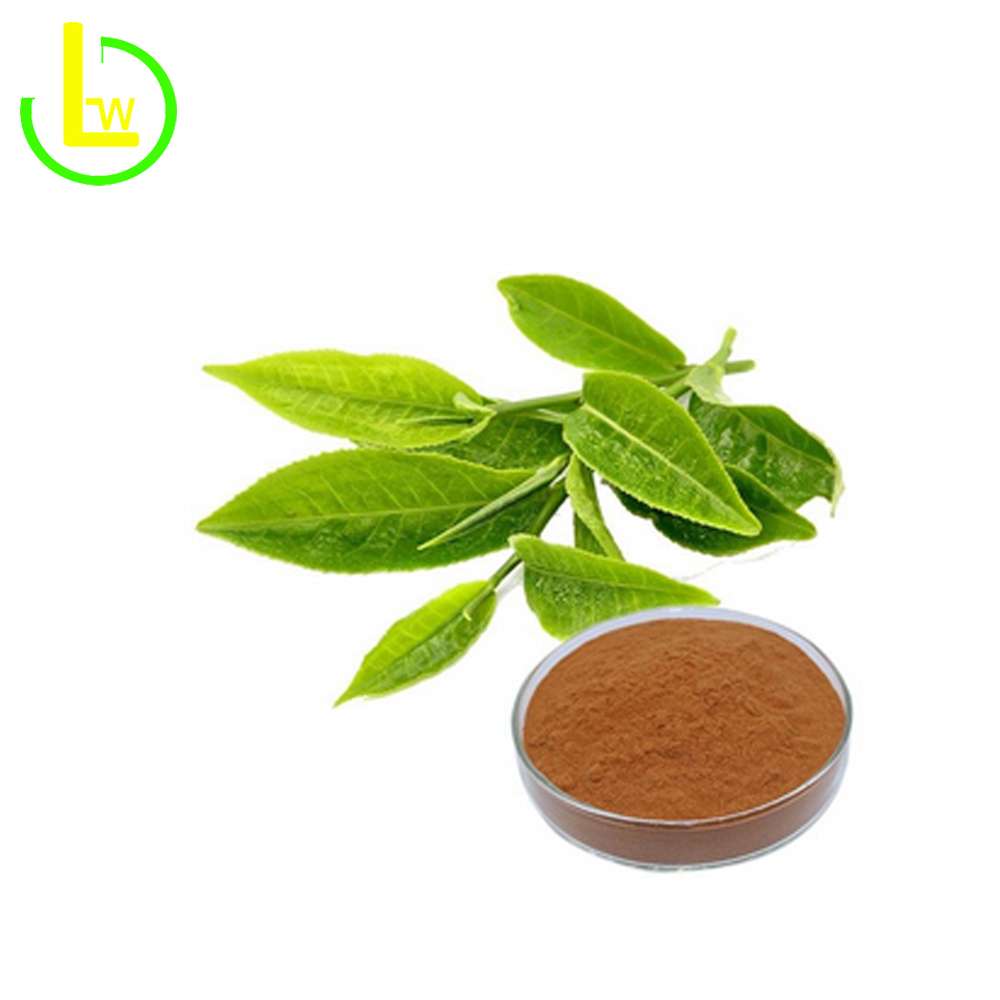
Green tea extract powder is not one fixed specification. Different grades are selected according to the required active profile, caffeine level and finished-product application.
Lifeworth supports buyers with specification comparison, samples, technical documents and bulk supply.
Proof Points
- Polyphenol-standardized extracts
- Catechin-focused grades
- EGCG specification options
- Decaffeinated green tea extract
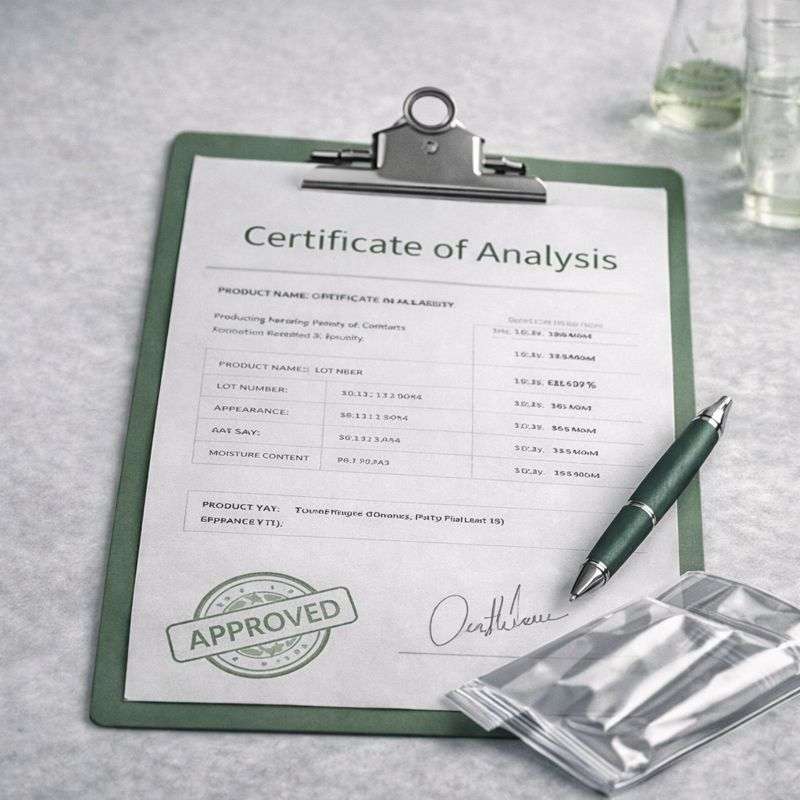
- COA, TDS and SDS support
- Samples available for evaluation
Description
Green Tea Extract Powder for Ingredient Sourcing
Green tea extract powder is a broad ingredient category rather than a single standardized product.
Commercial grades may be defined according to different analytical targets, including:
- total polyphenols
- total catechins
- EGCG content
- caffeine level
- customer-specific quality requirements
This means two materials both described as green tea extract powder may have significantly different specifications and may not be directly interchangeable.
For buyers, the first step is therefore not simply to ask for the highest assay.
The more important question is:
Which green tea extract specification is appropriate for the formulation?
A polyphenol-standardized extract, catechin-rich grade, EGCG-focused material and decaffeinated green tea extract each represent a different sourcing route.
The suitable option should be selected according to the required active target, analytical method, caffeine specification and application.
Buyer Snapshot
Main Specification Routes
- Green Tea Polyphenols
- Green Tea Catechins
- EGCG
- Decaffeinated Green Tea Extract
Key Selection Parameters
- active target
- assay level
- analytical method
- caffeine requirement
- appearance
- solubility or dispersibility where relevant
- microbiological and contaminant requirements
Common Applications
- dietary supplements
- capsules and tablets
- powder blends
- functional food formulations
- selected beverage systems
Documentation Support
Available according to product and project requirements:
- COA
- TDS
- SDS
- specification sheet
- additional regulatory or compliance documents
Samples
Samples can be arranged for formulation evaluation and specification confirmation.
Commercial Supply
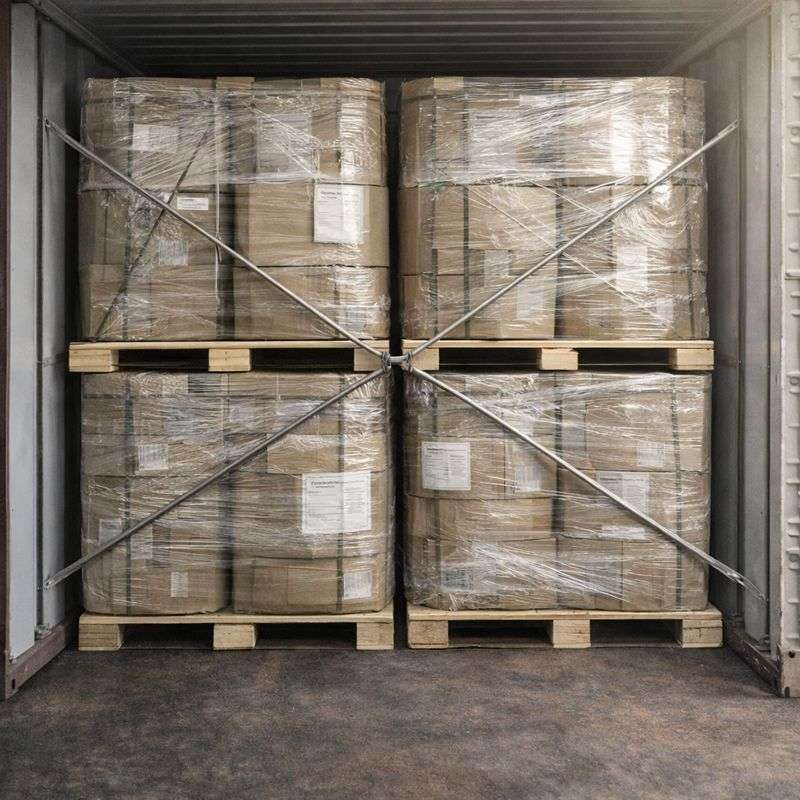
Bulk packaging, lead time, quotation and shipment arrangement can be confirmed according to the selected grade, quantity and destination.
Documentation
COA / MSDS / TDS + statements on request
Traceability
Batch records and retained samples
Packaging
Standard export packing + customization
Best for
Importers / distributors / contract manufacturers
Available Products & Grades


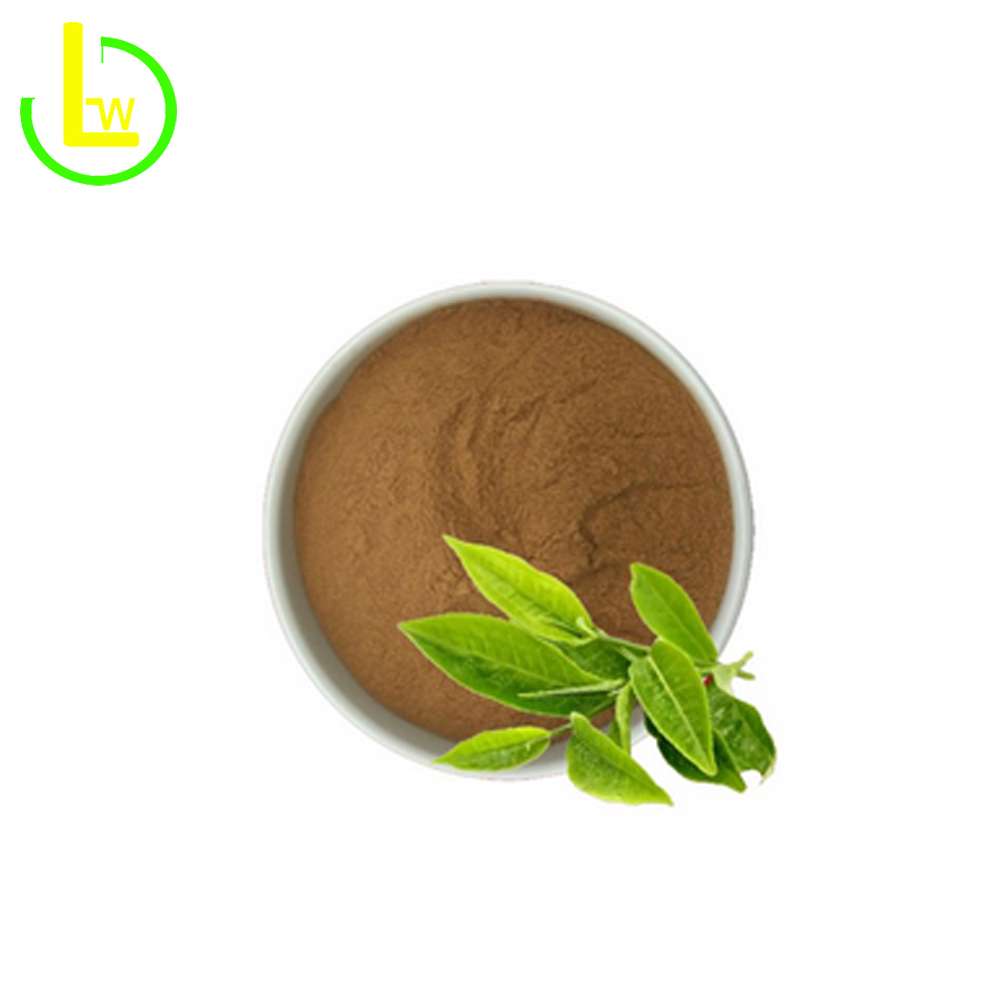
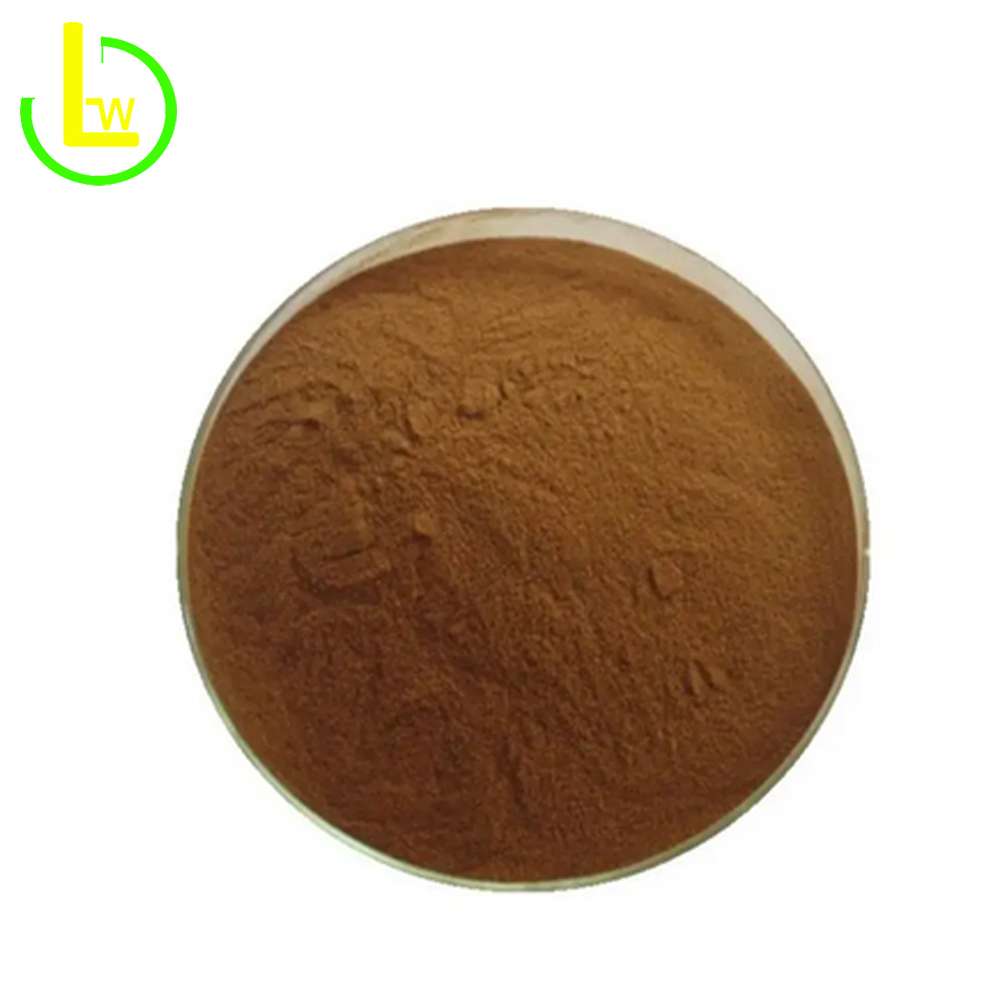
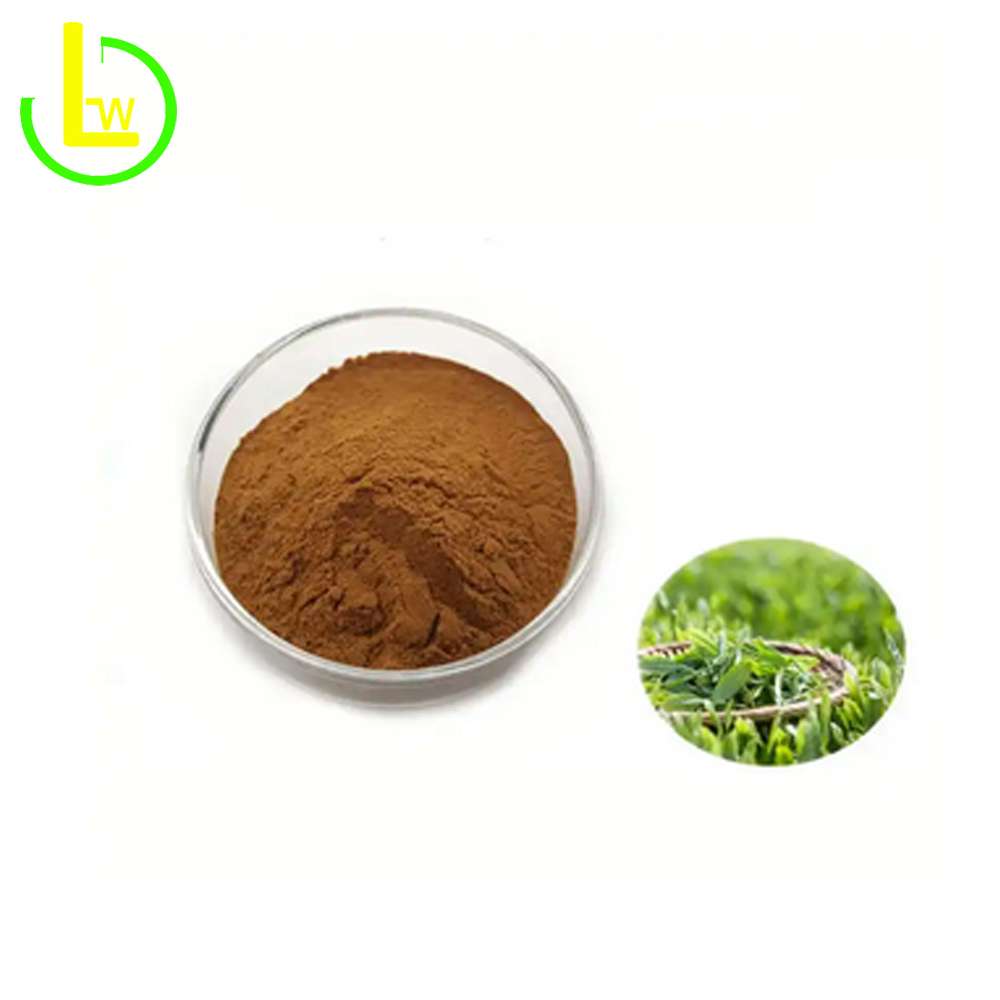
Click a form below to view assay/spec range, packaging protection, and the exact document pack for that grade.
How to Choose
How to Choose the Right Green Tea Extract Powder
Start With the Active Target
The first question is what the formulation actually requires.
If the target is total polyphenols, begin with a polyphenol-standardized extract.
If total catechins are specified, review catechin-focused grades.
If EGCG itself is the primary purchasing target, evaluate an EGCG-focused specification.
This distinction is more important than simply comparing which product shows the highest assay percentage.
Confirm the Caffeine Requirement
Caffeine content can vary between green tea extract grades.
If caffeine control is important to the finished formulation, confirm the required limit before selecting the product.
For a decaffeinated grade, buyers should review both:
- the active specification
- the residual caffeine specification
The term decaffeinated should therefore always be supported by an actual specification.
Review the Analytical Method
An assay value should always be interpreted together with the analytical method stated in the specification or COA.
This becomes particularly important when comparing products from different suppliers.
Two products carrying a similar general description may not be directly comparable if the test methods or calculation basis are different.
Match the Grade to the Formulation
The final selection should also consider:
- dosage form
- formulation system
- other ingredients in the formula
- processing conditions
- solubility or dispersibility requirements
- finished-product specification
The most suitable grade is the one that consistently matches the formulation requirement—not necessarily the grade with the highest active percentage.
When to Contact Us
You need help matching the right grade/specification to your application.
You require a documentation package for compliance review (COA/MSDS/TDS and statements).
You are planning a bulk order and want to confirm MOQ, lead time, and shipping terms.
Compare
Compare Green Tea Extract Powder Options
| Ingredient Route | Main Specification Focus | Caffeine Consideration | Typical Selection Reason |
|---|---|---|---|
| Green Tea Polyphenols | Total polyphenols | Review selected specification | Broad standardized green tea extract |
| Green Tea Catechins | Total catechins / catechin profile | Review selected specification | More catechin-focused extract |
| EGCG | Defined EGCG assay | Depends on selected grade | Targeted EGCG formulation |
| Decaffeinated Green Tea Extract | Green tea actives + controlled caffeine | Primary selection parameter | Caffeine-controlled formulation |
The appropriate product should be selected according to the required active target, caffeine specification, analytical method and finished formulation rather than by assay percentage alone.
Application Paths
Dietary Supplements
Green tea extract powders are commonly evaluated for capsules, tablets, sachets and other supplement formulations where a defined active profile is required.
For these applications, buyers typically focus on:
- active assay
- analytical method
- caffeine level
- powder characteristics
- contaminant requirements
Powder Blends
Green tea extracts may be incorporated into multi-ingredient dry formulations together with botanical extracts, vitamins, minerals and other functional ingredients.
Key sourcing considerations may include:
- specification consistency
- blending behavior
- appearance
- active compatibility with the formulation target
Functional Food Formulations
Standardized green tea extracts may be evaluated for selected food and nutrition applications where the required grade is compatible with the finished formulation and applicable regulatory requirements.
Selection should be based on the technical specification rather than the application name alone.
Beverage Systems
Selected green tea extract grades may be considered for beverage formulations.
In addition to active content, buyers may need to evaluate:
- solubility or dispersibility
- flavor
- color
- sedimentation
- processing compatibility
For applications where beverage performance is more important than standardized extract actives, Instant Green Tea Powder may be a more suitable sourcing route.
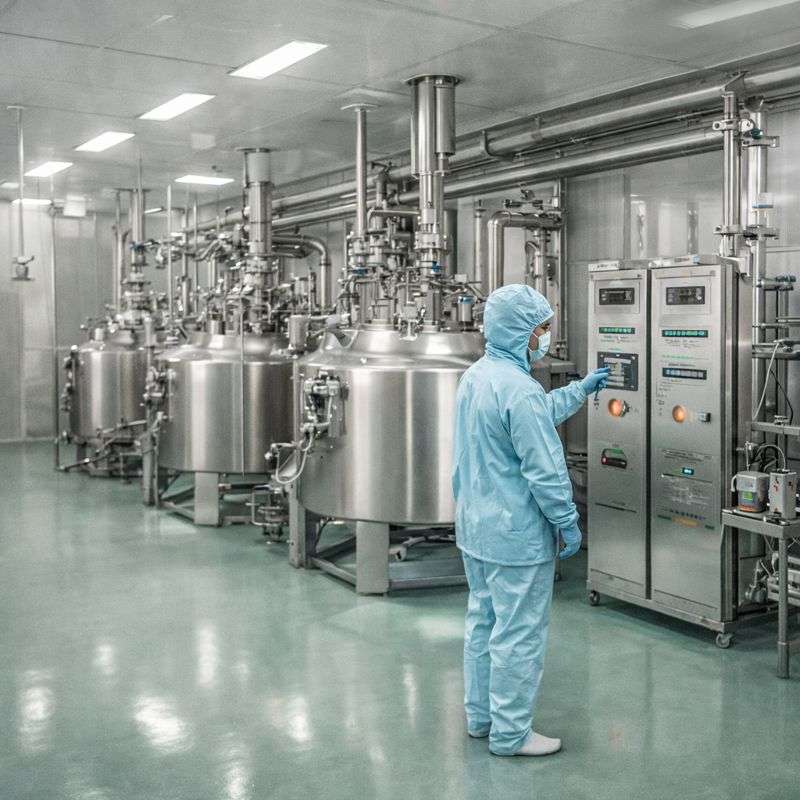
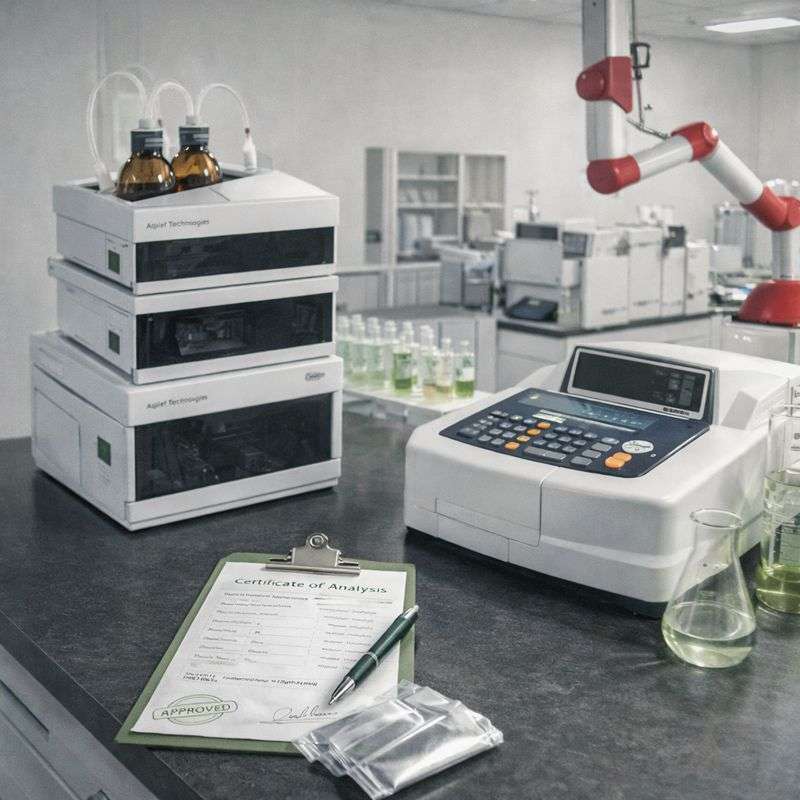
Factory & Capability
Facility

Packaging
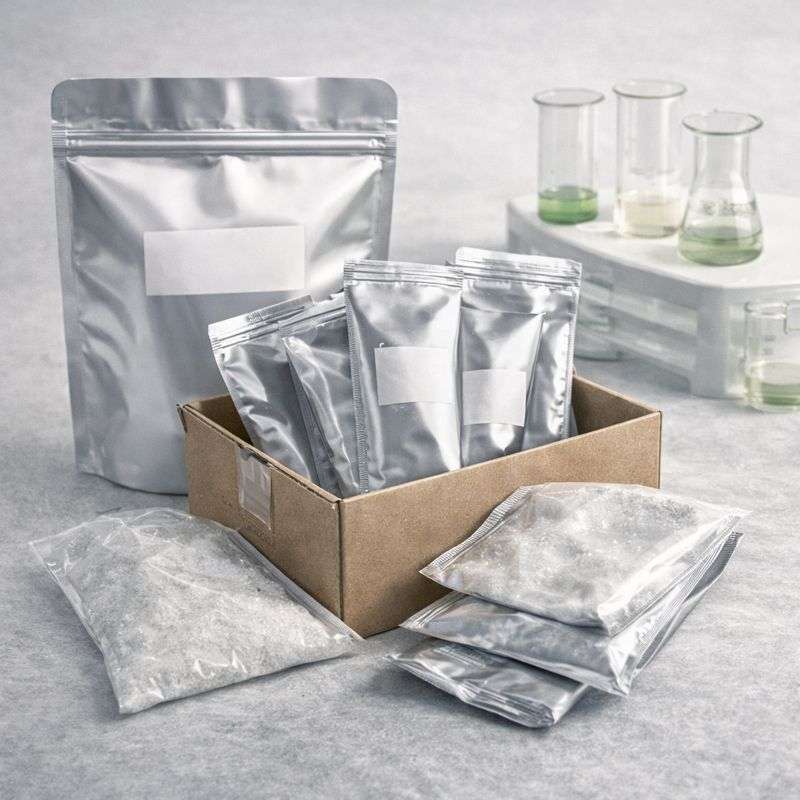
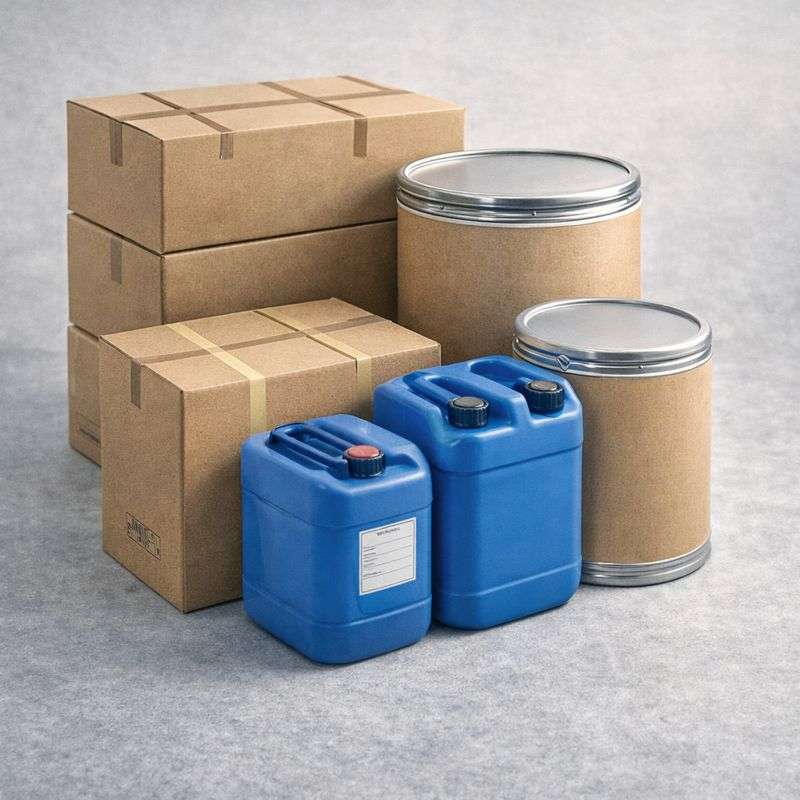
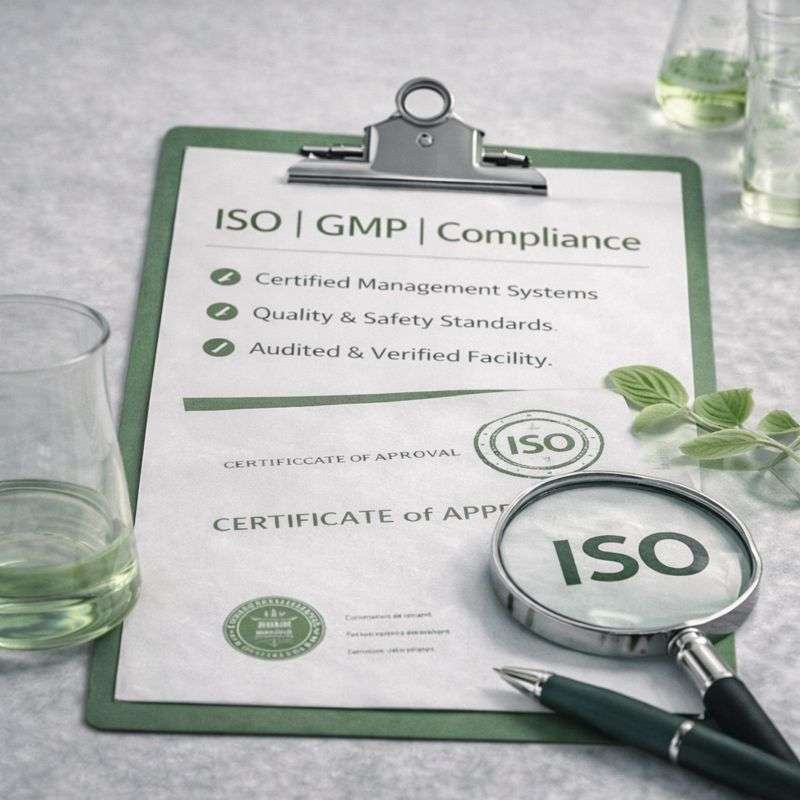
Certifications & Compliance
Certificates and documents are available for customer review upon request.

Category Capability
Green Tea Extract Supply & Technical Support
Lifeworth supports buyers from initial specification review through sample evaluation and commercial supply.
Specification Support
We can help compare available green tea extract grades according to:
- active target
- assay requirement
- caffeine specification
- analytical method
- application
- other customer-defined parameters
Sample Evaluation
Samples can be arranged for:
- formulation testing
- internal quality review
- specification comparison
- supplier qualification
QC Focus for This Category
Available documents may include:
- COA
- TDS
- SDS
- specification sheet
- additional technical or regulatory documents depending on the selected product
Quality Review
Depending on the product and target market, relevant requirements may include:
- microbiological limits
- heavy metals
- pesticide residues
- other applicable contaminant controls
Please provide any specific quality standard with the inquiry so the suitable product can be reviewed before quotation.
Bulk Supply
Commercial supply can be arranged according to:
- selected grade
- purchase quantity
- packaging requirement
- delivery destination
- shipment method
If you already have a target specification, send it to us for comparison.
If your current requirement simply states green tea extract powder, please provide the intended application and any known active or caffeine requirement so we can identify the most suitable grade first.
FAQ
What is the difference between green tea polyphenols, catechins and EGCG?
Polyphenols describe a broader group of compounds found in green tea.
Catechins are an important group within green tea polyphenols, while EGCG is an individual catechin.
For ingredient sourcing, these terms therefore represent different specification targets rather than interchangeable assay descriptions.
Is green tea extract powder the same as EGCG powder?
No.
Green tea extract powder is a broad product category that can include different standardized extract grades.
EGCG powder is a more targeted product where EGCG content is one of the primary purchasing specifications.
Does green tea extract powder contain caffeine?
It can.
Caffeine content depends on the selected extract and manufacturing specification.
Buyers requiring caffeine control should confirm the caffeine specification or evaluate an appropriate decaffeinated grade.
When should I choose decaffeinated green tea extract?
A decaffeinated grade should be considered when the formulation requires green tea actives together with a controlled residual caffeine level.
Both the active specification and caffeine limit should be reviewed before product selection.
Should I choose the green tea extract with the highest assay?
Not necessarily.
The correct choice depends on which active is being measured, the analytical method, caffeine requirement and finished formulation.
A higher assay does not automatically mean that the product is more suitable.
What should I compare when sourcing green tea extract powder?
Key parameters normally include:
- active target
- assay level
- analytical method
- caffeine content
- appearance
- solubility or dispersibility where relevant
- microbiological requirements
- heavy metals and pesticide requirements
- required technical documentation
Is L-Theanine the same as green tea extract?
No.
L-Theanine is a specific amino acid associated with tea and is purchased according to its own assay and purity specification.
It should not be treated as equivalent to polyphenol-, catechin- or EGCG-standardized green tea extract.
What information should I provide when requesting a quotation?
Where available, please provide:
- required product or active specification
- caffeine requirement
- intended application
- estimated purchase quantity
- destination country
- specific documentation requirements
If the exact grade has not yet been determined, we can first help compare the available green tea extract routes.
Can you provide samples and technical documents?
Yes.
Samples and available documents such as COA, TDS and SDS can be provided according to the selected product and project requirements.