
Green Tea Catechins Powder
Catechin-standardized green tea extract available in 50%, 70%, 80%, and 90% specifications, with HPLC and UV analytical options for formulation evaluation and commercial sourcing.
- Catechins 50% / 70% / 80% / 90%
- HPLC and UV analytical options
- Catechin-focused green tea extract
- Caffeine requirements reviewed by specification
- Samples available for evaluation
- COA, TDS and SDS support
Tell us your application, target specification, and destination market so we can support grade selection, documentation review, and packaging recommendations.
Quick Specs
Identity
INCI Name
Alias
Quality
Assay
Grade
Standards
Assay Method
Handling
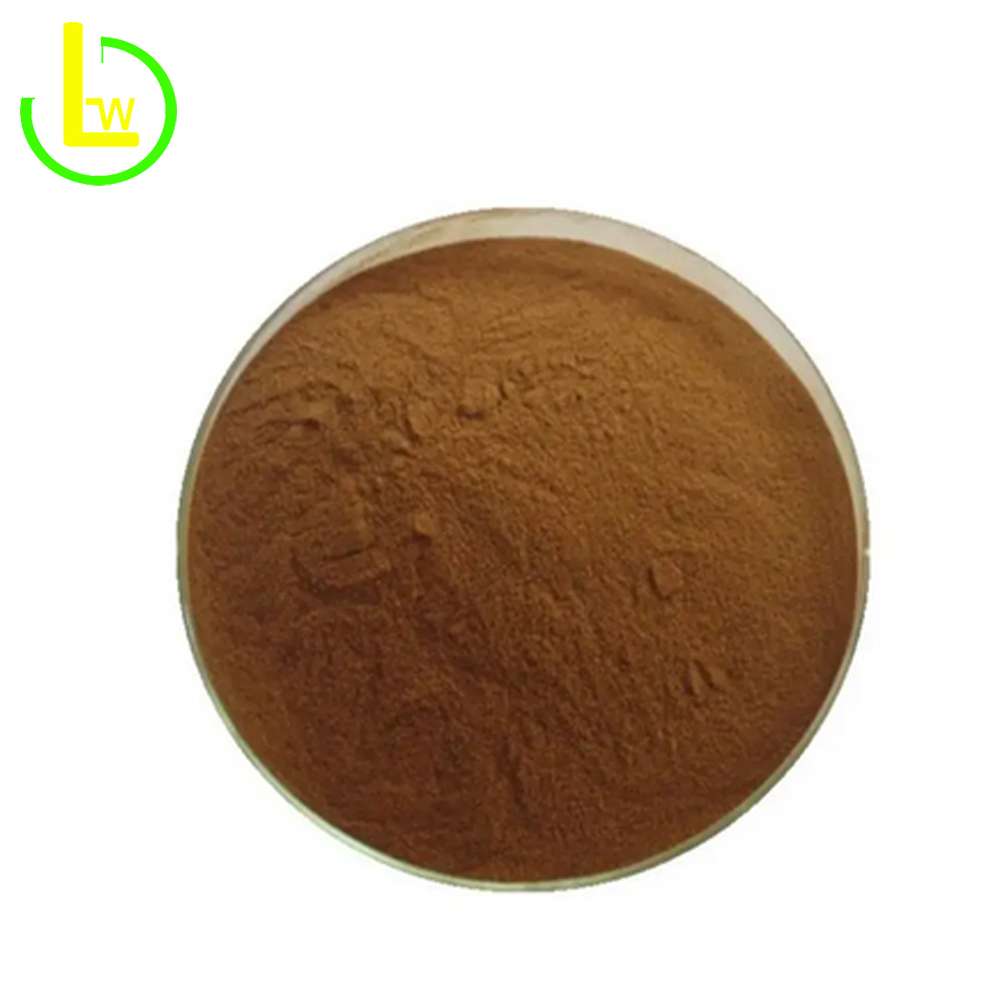
Appearance
Form
Solubility
Applications
Commercial Terms
MOQ
MOQ depends on packaging and specification.
Lead Time
3–7 working days for standard items; bulk orders by schedule.
Incoterms
EXW / FOB / CIF / DAP / DDP
Sample
Free sample (shipping charged)
Quality & Documents
COA (per batch) • SDS/MSDS • TDS/Spec sheet (on request). Additional statements depend on product and market.
Product Overview
Green Tea Catechins Powder is a standardized green tea extract in which total catechin content is used as a primary purchasing specification.
Catechins are an important group within green tea polyphenols and include compounds such as EGCG, EGC, ECG, and EC.
Lifeworth supplies catechin-standardized green tea extract in 50%, 70%, 80%, and 90% specifications, with HPLC and UV analytical options available according to the selected grade and project requirement.
This allows buyers to compare grades according to target catechin level, analytical basis, caffeine requirement, formulation requirement, and commercial specification.
Green Tea Catechins is different from both a broader Green Tea Polyphenols specification and a more narrowly EGCG-focused grade.
Applications
Dietary Supplements
Green Tea Catechins Powder can be evaluated for capsules, tablets, sachets, and multi-ingredient supplement blends. Buyers should confirm the required catechin concentration, analytical method, caffeine specification, and target dosage.
Powder Blends
Catechin-standardized extract can be incorporated into dry ingredient systems together with botanical extracts, vitamins, minerals, amino acids, and other functional ingredients. Review powder behavior, color, taste, moisture sensitivity, and compatibility with the overall blend.
Functional Food Formulations
Selected Green Tea Catechins grades may be evaluated for food and nutrition formulations where a defined catechin specification is required. Product selection should consider target active level, formulation matrix, taste impact, processing conditions, and destination-market requirements.
Beverage & Premix Systems
Green Tea Catechins may also be evaluated for selected beverage and premix applications. Important parameters can include dispersibility, bitterness and astringency, color, sedimentation, processing conditions, and active stability. Suitability should be evaluated in the actual formulation rather than by assay percentage alone.
How to Choose the Right Grade / Form
How to Choose Between Catechins 50%, 70%, 80% and 90%
The highest catechin percentage is not automatically the most suitable specification. The appropriate grade depends on the required catechin concentration, formulation dosage, analytical method, caffeine requirement, and finished-product specification.
Catechins 50%
Consider when the target formulation accepts a moderate catechin concentration, sufficient formulation space is available, and a 50% catechin specification matches the finished-product target.
Catechins 70%
Consider when the target specification requires a higher catechin level, formulation dosage or space is more restricted, or the 70% grade matches an existing customer or finished-product specification.
Catechins 80%
Consider when 80% total catechins are specified, a concentrated catechin ingredient is preferred, or dosage efficiency is an important formulation consideration.
Catechins 90%
Consider when 90% catechins are specifically required, formulation space is limited, or a highly concentrated catechin specification is needed.
The final grade should always be confirmed together with the analytical method, caffeine requirement, and other quality parameters.
HPLC vs UV: Confirm the Analytical Method
Catechin assay values should always be reviewed together with the analytical method. Lifeworth can provide Green Tea Catechins specifications based on HPLC or UV, depending on the selected grade and project requirement.
Because HPLC and UV use different analytical approaches, buyers should not compare catechin percentages from different specifications without first confirming the test method and calculation basis.
When comparing quotations, samples, or COAs, review total catechin percentage, analytical method, specification basis, caffeine requirement, and other relevant quality parameters.
Technical & Formulation Notes
Technical Notes
Catechin-rich green tea extracts should be evaluated according to the selected grade, assay method, caffeine requirement, formulation system, and finished-product specification.
For taste-sensitive systems, review bitterness and astringency. For dry blends, review powder behavior and moisture sensitivity. For beverage systems, review dispersibility, sedimentation, color, taste, and active stability.
Catechins can be sensitive to heat, moisture, oxygen, light, and formulation pH where relevant, so finished-product stability testing is recommended.
Manufacturing & Process
Green Tea Catechins Powder is produced through controlled green tea extraction, concentration, and standardization processes according to the target catechin specification.
Quality control may include identity, appearance, total catechins, catechin profile where applicable, caffeine, moisture, microbiological limits, heavy metals, pesticide residues, and other agreed specification requirements.
If you already have an existing purchasing specification, it can be reviewed before sampling or commercial quotation.
Compatibility / Formulation Notes
Taste & Astringency
Catechin-rich green tea extracts can contribute bitterness and astringency, especially in beverages, powder drinks, chewable formats, and other taste-sensitive formulations.
Color
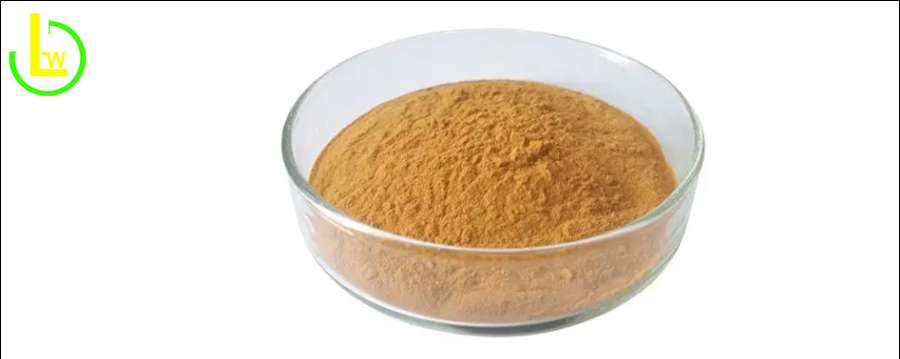
Green tea extracts may contribute yellow-brown to brown tones depending on the selected grade, extract profile, and formulation environment.
Oxidation & Stability
Catechins can be sensitive to heat, moisture, oxygen, light, and formulation pH where relevant. Finished-product stability testing is recommended.
Powder Blending
For dry systems, evaluate powder flow, blend uniformity, moisture sensitivity, and compatibility with other ingredients.
Beverage Systems
For liquid or reconstituted systems, evaluate dispersibility, sedimentation, color stability, taste profile, processing conditions, and active stability during storage.
Caffeine
Green Tea Catechins may contain caffeine depending on the selected grade and manufacturing specification. If caffeine control is important, confirm the required limit before sample or commercial grade selection.
Extended QC & Test Items
Depending on the selected grade and destination market, quality review may include identity, appearance, total catechins, catechin profile where applicable, caffeine, moisture, microbiological limits, heavy metals, pesticide residues, and other agreed requirements.
Product specifications
| Test | Specification | Method |
|---|---|---|
| Product Name | Green Tea Catechins Powder | |
| Botanical Source | Camellia sinensis | |
| Appearance | Fine botanical extract powder, according to selected specification | Visual |
| Total Catechins | 50% / 70% / 80% / 90% | HPLC / UV |
| Caffeine | According to selected specification | Per specification |
| Moisture | According to selected product specification | Per specification |
| Particle Size | According to selected grade or project requirement | Per specification |
| Microbiological Limits | According to applicable product specification | Per specification |
| Heavy Metals | Controlled according to applicable specification | Per specification |
| Pesticide Residues | Available for review according to product and destination-market requirements | Per specification |
Storage, Shelf Life & Packaging
Storage
Store Green Tea Catechins Powder in a cool, dry place.
Keep the material tightly sealed, protected from moisture and direct light, and away from excessive heat. After opening, minimize unnecessary exposure to air and humidity.
Shelf Life
Shelf life should be confirmed according to the selected product specification, packaging, and batch documentation.
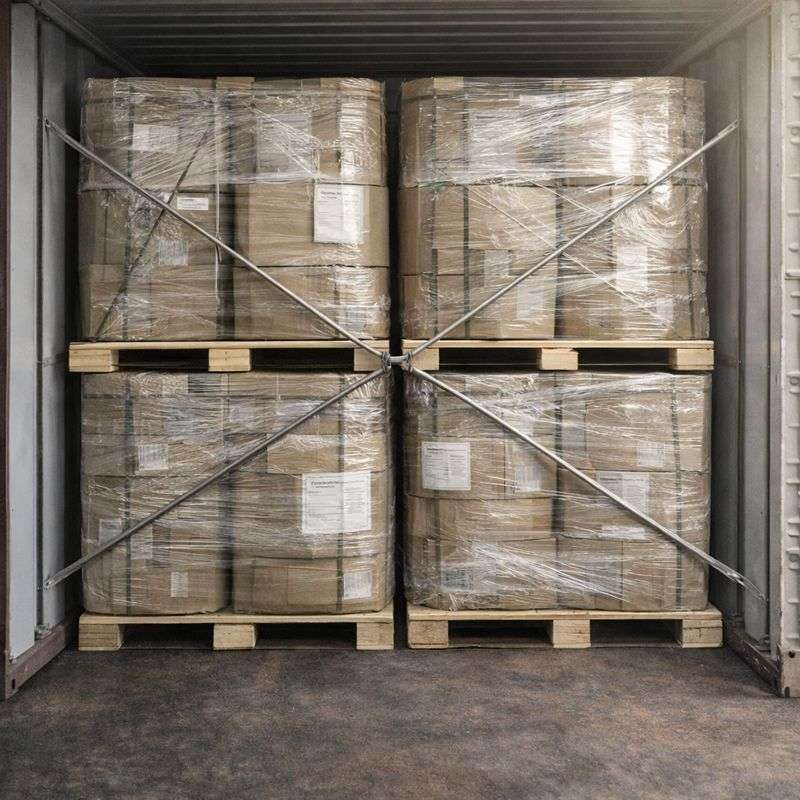
Packaging & Logistics
Green Tea Catechins Powder is available for sample evaluation and commercial bulk purchasing.
Packaging, MOQ, lead time, and shipment options can be confirmed according to the selected grade, purchase quantity, packaging requirement, destination, and shipping method.
Commercial export support can include bulk packaging, export documentation, shipment arrangement, and destination-specific logistics coordination. Exact commercial terms are confirmed with the quotation.
Supply, Documentation & Customization
Documents & Compliance
COA, SDS/MSDS, and TDS/spec sheet available based on product and market requirements.
Customization & Private Label
Custom packing, private label, and labeling support available depending on product type and order scope.
Commercial Support
Sample, lead time, and incoterm options can be discussed according to destination market and supply plan.
Why Source From Lifeworth
Multiple Catechin Specifications
Available Green Tea Catechins grades include 50%, 70%, 80%, and 90%, giving buyers flexibility to match an existing formulation or purchasing specification.
HPLC & UV Analytical Options
HPLC and UV options are available according to the selected specification, allowing buyers to compare materials on the appropriate analytical basis.
Specification Selection Support
We help buyers review catechin target, analytical method, caffeine requirement, application, and technical documentation rather than recommending a grade based only on the highest assay value.
Sample-to-Commercial Support
Samples can be arranged for formulation evaluation, internal testing, supplier qualification, and specification comparison. Commercial supply can then be arranged according to the confirmed grade and purchasing requirement.
Documentation Support
COA, TDS, SDS, and other available technical documents can support supplier evaluation and commercial procurement.

FAQ
1) What Green Tea Catechins specifications are available?
We supply 50%, 70%, 80%, and 90% total catechin grades, with HPLC and UV options available.
2) Is 90% catechins always better than 50%, 70%, or 80%?
No. The suitable grade depends on the formulation target, dosage, analytical method, and caffeine requirement.
3) What is the difference between HPLC and UV catechin specifications?
They use different analytical methods. Always compare the assay percentage together with the test method.
4) Is Green Tea Catechins the same as Green Tea Polyphenols?
No. Polyphenols are a broader specification, while Green Tea Catechins focuses more specifically on total catechin content.
5) Is Green Tea Catechins the same as EGCG?
No. EGCG is one individual catechin, while Green Tea Catechins refers to the broader total catechin fraction.
6) Does Green Tea Catechins contain caffeine?
It may. Caffeine content depends on the selected grade and specification.
7) Which catechin percentage should I choose?
Choose according to your target catechin level, formulation dosage, analytical method, and finished-product specification.
8) Can I compare two catechin products only by assay percentage?
No. Confirm the analytical method and specification basis before comparing assay values.
9) Can you provide samples?
Yes. Samples are available for formulation testing and supplier evaluation.
10) What documents are available?
COA, TDS, SDS, and product specifications are available according to the selected grade.
Need more answers?
Explore our full FAQ library for documentation, compliance, shipping, and ordering guidelines.