
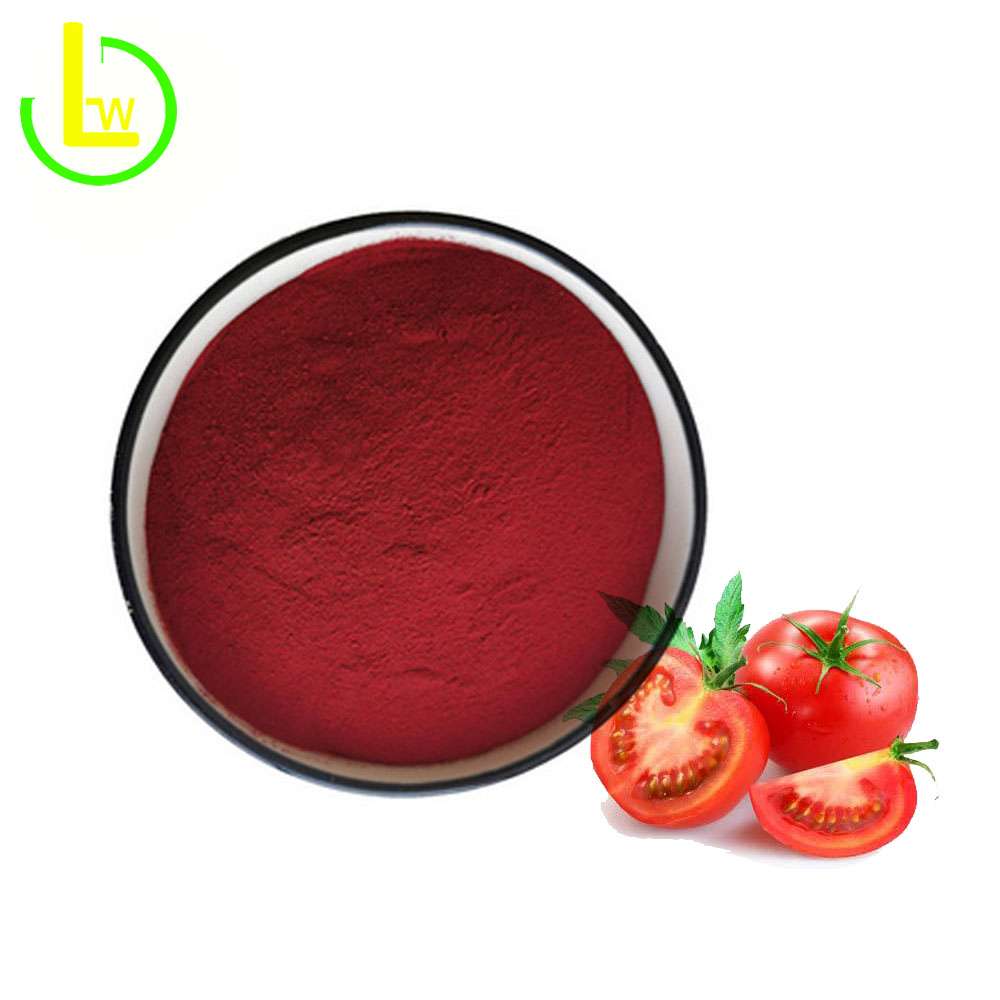
Lycopene is widely used in supplement, food, and selected cosmetic projects where carotenoid positioning, color contribution, and formulation fit are important. In commercial sourcing, buyers may encounter both tomato-extracted lycopene and fermentation-based lycopene, and the right choice often depends on the intended dosage form, concentration target, project positioning, and supply strategy.
This article explains what fermented lycopene is, how it differs from tomato-extract lycopene, and when powder or oil formats may be more suitable. It is intended as a practical sourcing guide rather than a generic ingredient overview.
What Is Fermented Lycopene?
Fermented lycopene refers to lycopene produced through a controlled microbial fermentation process rather than being directly extracted from tomatoes. In commercial production, selected microorganisms are cultivated under managed process conditions so that lycopene can be biosynthesized, recovered, purified, and standardized into different commercial forms.
From a buyer’s perspective, fermentation-based lycopene is usually discussed as an alternative supply route rather than as a completely different carotenoid. The key commercial questions are not only how the lycopene is produced, but also how the final product is standardized, what format it is supplied in, and whether it fits the intended formulation or market positioning.
How Is Fermented Lycopene Produced?
At a high level, fermentation-based lycopene production typically involves four commercial stages:
1. Microbial strain selection
Suitable microorganisms are selected and optimized for lycopene biosynthesis under controlled process conditions.
2. Controlled fermentation
The production strain is cultivated in a managed environment where factors such as nutrients, temperature, oxygen, and pH are controlled for productivity and consistency.
3. Recovery and purification
After fermentation, the lycopene-containing biomass is processed so that the active can be recovered, purified, and prepared for downstream use.
4. Standardization into commercial forms
The resulting lycopene can then be standardized into different supply formats, such as powder or oil, depending on the target application, concentration range, and commercial use direction.
For most B2B buyers, the value of this process discussion is not in technical detail alone, but in understanding that fermentation is a manufacturing route that may support different product formats, concentration levels, and sourcing positions.

Fermented Lycopene vs Tomato-Extract Lycopene
Both fermentation-based lycopene and tomato-extracted lycopene are discussed in commercial markets, but they are usually evaluated from different sourcing angles.
Tomato-extract lycopene
Tomato-extracted lycopene is often selected when buyers want a tomato-origin ingredient position and a product story closely linked to plant extraction. It is commonly supplied in standardized powder or oil forms depending on the application.
Fermentation-based lycopene
Fermentation-based lycopene may be considered when buyers are evaluating an alternative production route, different purity or concentration possibilities, non-tomato-origin positioning, or a supply strategy that is less directly tied to agricultural raw material variation.
The real sourcing difference
In practice, buyers usually do not choose between these two routes based on theory alone. They compare:
- intended dosage form
- target concentration
- formulation compatibility
- project positioning
- documentation expectations
- long-term supply strategy
That means the decision is often more commercial and formulation-based than purely technical.

Powder vs Oil: Which Commercial Form Fits the Project?
Regardless of whether lycopene is sourced from tomato extraction or fermentation, the supply form matters greatly.
Lycopene powder
Powder formats are generally more suitable for:
- capsules
- tablets
- sachets
- powder blends
- nutrition premixes
- other dry systems
Buyers often review assay level, carrier system, flowability, handling, and whether the powder is intended as a standard dry grade or a more specialized dispersible format.
Lycopene oil
Oil formats are generally more suitable for:
- softgels
- liquid supplements
- oil suspensions
- lipid-phase nutrition systems
- selected oil-phase cosmetic concepts
In these projects, concentration selection, fill-volume limits, oil compatibility, handling stability, and packaging fit are usually more important than broad ingredient storytelling.
A practical sourcing rule
If the project is built around dry filling or powder blending, powder is usually the first format to evaluate.
If the project is designed for softgels or other oil-based systems, oil is usually the more practical starting point.
When Buyers May Consider Fermented Lycopene
Fermentation-based lycopene is not automatically the best choice for every project. It is usually evaluated when one or more of the following sourcing considerations apply:
1. The project needs a specific commercial route
Some buyers want to compare fermentation-based supply with tomato-extract supply for internal positioning, specification review, or long-term sourcing planning.
2. Format and concentration flexibility matter
In some cases, buyers are evaluating whether a fermentation route may support the concentration range or commercial form better suited to the project.
3. The product story or raw material origin matters
Depending on the market, internal product concept, or branding direction, a buyer may want to compare tomato-origin positioning with fermentation-based positioning.
4. Long-term supply strategy is under review
Some sourcing teams compare different production routes as part of supplier risk management, repeat-order planning, or specification standardization.
In other words, fermented lycopene is usually considered as part of a broader commercial evaluation rather than as a default replacement for every tomato-extracted lycopene project.
What Buyers Should Review Before Making a Decision
Whether the project starts from a fermentation-based route or a tomato-extracted route, buyers should review the same commercial fundamentals:
Product format
Is the project better suited to powder or oil?
Assay or concentration range
What active level is actually needed in the final dosage form?
Carrier and formulation compatibility
Does the selected format fit the intended system, processing route, and packaging plan?
Documentation
Are COA, specification sheets, SDS/MSDS, and other commercial documents aligned with the project requirements?
Stability and handling
How sensitive is the selected format to light, oxygen, heat, filling conditions, and packaging choices?
Commercial fit
Does the selected route make sense for the intended market, cost target, and repeat-order strategy?
This is why the best lycopene choice is usually the one that fits the full project design, not simply the one with the most impressive technical story.

Commercial Formats Commonly Discussed in the Market
Depending on the route and supplier direction, buyers may encounter commercial discussions around:
- standardized lycopene powder grades
- oil-based lycopene grades
- microencapsulated or dispersible powder concepts
- higher-concentration specialty formats
- project-specific supply discussions for dosage-form development
The important point is that not every format belongs on the same product page. In a well-structured product line, the main commercial pages should stay focused on their own role, while support articles like this one help buyers understand where fermentation-based discussions fit into the bigger sourcing picture.
How This Topic Fits Within a Lycopene Product Line
For a cleaner commercial structure, it is usually better to separate:
- main product pages, which handle direct sourcing and grade selection
- supporting articles, which explain route differences, technology background, and selection logic
That means a support article like this should help buyers understand:
- what fermented lycopene is
- how it compares with tomato-extracted lycopene
- when powder or oil may be more suitable
- when route selection becomes commercially relevant
Meanwhile, direct sourcing discussions should stay on the dedicated commercial product pages.
Explore Lycopene Supply Options
If your project is focused on a standard dry format for capsules, tablets, sachets, premixes, or powder systems, you can review our main Lycopene Powder page for tomato-extract commercial grades.
If your project is focused on softgels, liquid supplements, or other oil-phase systems, you can review our main Lycopene Oil page for commercial oil-based concentration options.
For fermentation-based discussions, it is usually best to confirm the intended dosage form, target concentration, and project positioning first, then compare the most suitable commercial route accordingly.
Conclusion
Fermented lycopene is best understood as a manufacturing route and sourcing option, not simply as a trend term. For buyers, the real decision usually comes down to commercial fit: powder or oil, dosage form requirements, concentration target, formulation compatibility, documentation readiness, and long-term supply planning.
Tomato-extracted lycopene and fermentation-based lycopene can both have a place in the market, but they should not all be forced into the same page role. A clearer structure is to keep direct sourcing on focused product pages and use articles like this one to explain the differences, support buyer understanding, and guide selection logic.
If you are evaluating lycopene for a new project, it is usually most efficient to define the format and target concentration first, then compare the most suitable supply route from there.
Reference:
https://en.wikipedia.org/wiki/Lycopene?variant=zh-cn
https://www.ncbi.nlm.nih.gov/pmc/articles/PMC10376681
https://pubmed.ncbi.nlm.nih.gov/16413753
