
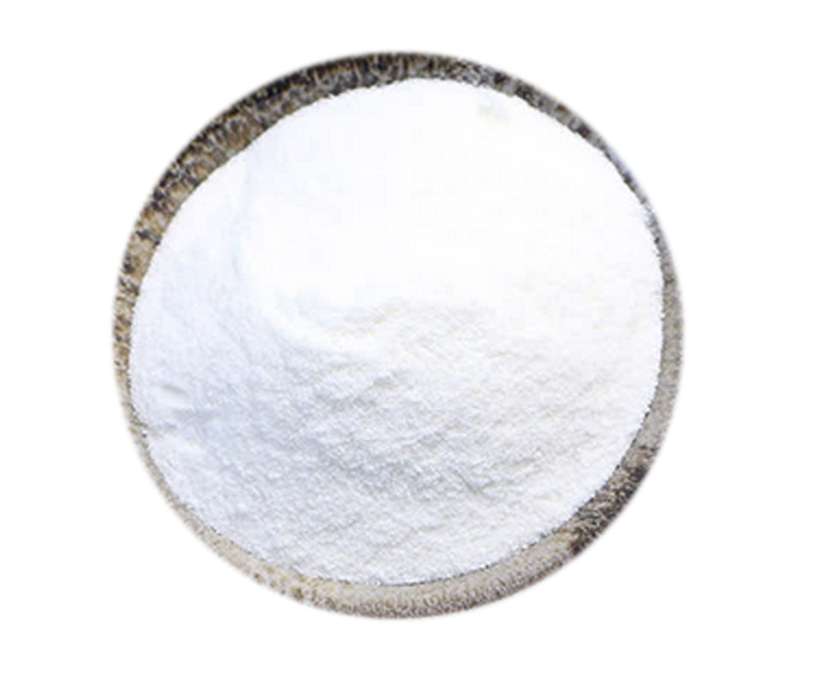
Copovidone K28 is a pharmaceutical excipient based on a vinylpyrrolidone-vinyl acetate copolymer (VP/VA). It is widely used in oral solid dosage formulations due to its binding performance, film-forming properties and compatibility with various active pharmaceutical ingredients.
As a member of the PVP-based pharmaceutical polymer family, Copovidone K28 is commonly evaluated alongside other excipients such as Povidone and Crospovidone when developing tablets, capsules and other solid dosage formulations.
Quick Facts
| Item | Details |
|---|---|
| Product Name | Copovidone K28 |
| Other Names | Copolyvidone, PVP/VA Copolymer |
| Chemical Type | Vinylpyrrolidone-vinyl acetate copolymer |
| Grade | Pharmaceutical grade |
| Appearance | White or almost white powder |
| Main Applications | Tablet binder, film-forming polymer, solid dispersion |
| Industry | Pharmaceutical formulation |
| Documents | COA, MSDS and technical documents available |
What Is Copovidone K28?
Copovidone K28 is a copolymer consisting of vinylpyrrolidone (VP) and vinyl acetate (VA) units. It belongs to the family of PVP-based pharmaceutical polymers but differs from traditional Povidone because it contains both hydrophilic and vinyl acetate components.
The combination of these monomers gives Copovidone unique formulation characteristics, including good binding ability, film-forming capability and compatibility with different pharmaceutical ingredients.
In pharmaceutical development, Copovidone K28 is mainly selected when formulators require a polymer that can support tablet manufacturing processes, improve formulation flexibility or assist in solid dispersion systems.
Chemical Structure and Characteristics of Copovidone K28
The chemical structure of Copovidone is based on a random copolymer of N-vinylpyrrolidone and vinyl acetate.
Compared with Povidone, which is composed only of vinylpyrrolidone units, the addition of vinyl acetate changes the polymer characteristics and provides different functional properties.
Key characteristics of Copovidone K28 include:
- Good binding performance in tablet formulations
- Film-forming capability for pharmaceutical coating applications
- Compatibility with many active pharmaceutical ingredients
- Suitable polymer characteristics for solid dispersion applications
The selection of Copovidone K28 depends on formulation requirements, processing conditions and the properties of the active ingredient.
Functional Roles of Copovidone K28 in Pharmaceutical Formulations
Tablet Binder
One of the most common uses of Copovidone K28 is as a binder in oral solid dosage formulations.
During tablet production, binders help improve the adhesion between powder particles and contribute to tablet mechanical strength. Copovidone can be used in wet granulation and other formulation processes where consistent binding performance is required.
Film-Forming Polymer
Copovidone K28 also provides film-forming properties, making it suitable for certain pharmaceutical coating applications.
Its polymer characteristics allow it to contribute to coating flexibility and formulation performance when selected according to specific requirements.
Solid Dispersion Applications
Copovidone K28 is commonly considered in solid dispersion formulations, particularly for active pharmaceutical ingredients with poor water solubility.
The polymer matrix can help distribute active ingredients within the formulation and support formulation development strategies aimed at improving drug performance.
Copovidone K28 vs Povidone K30
Copovidone K28 and Povidone K30 are both PVP-based pharmaceutical excipients, but they have different chemical structures and formulation characteristics.
| Copovidone K28 | Povidone K30 | |
|---|---|---|
| Polymer Type | VP/VA copolymer | Polyvinylpyrrolidone polymer |
| Composition | Vinylpyrrolidone + vinyl acetate | Vinylpyrrolidone only |
| Main Functions | Binder, film-forming polymer, solid dispersion aid | Binder, stabilizer, solubilizer |
| Polymer Characteristics | Modified by vinyl acetate component | Highly water-soluble PVP polymer |
The choice between Copovidone K28 and Povidone K30 depends on formulation goals, active ingredient properties and processing requirements.
Copovidone K28 vs Crospovidone (PVPP)
Although Copovidone and Crospovidone are both derived from PVP chemistry, they perform different roles in pharmaceutical formulations.
Copovidone is a soluble copolymer mainly used as a binder and formulation polymer, while Crospovidone is a crosslinked insoluble polymer commonly used as a tablet disintegrant.
| Copovidone K28 | Crospovidone | |
|---|---|---|
| Structure | VP/VA copolymer | Crosslinked PVP |
| Solubility | Soluble | Insoluble |
| Main Function | Binder and formulation polymer | Superdisintegrant |
| Typical Use | Tablet binding, solid dispersion | Tablet disintegration |
Understanding these differences helps formulators select the appropriate PVP-based excipient for each application.
How to Select Copovidone K28 for Pharmaceutical Applications?
When evaluating Copovidone K28 for pharmaceutical formulation, manufacturers typically consider several factors:
Application Requirements
The intended dosage form and manufacturing process influence polymer selection. Tablet binding, coating and solid dispersion applications may require different formulation considerations.
Polymer Characteristics
Important evaluation factors may include polymer characteristics, compatibility with active ingredients and consistency between production batches.
Regulatory and Technical Documentation
For pharmaceutical excipients, suppliers are commonly expected to provide supporting documentation such as product specifications, COA and technical information.
Quality Considerations When Sourcing Copovidone K28
For pharmaceutical-grade Copovidone K28, customers usually evaluate product consistency and documentation support before commercial adoption.
Typical considerations include:
- Product specification
- Batch-to-batch consistency
- Certificate of Analysis (COA)
- Safety Data Sheet (MSDS/SDS)
- Technical Data Sheet (TDS)
- Regulatory documentation according to market requirements
Reliable documentation support helps pharmaceutical manufacturers evaluate excipients during formulation development and supplier qualification.
Copovidone K28 Supply Support
We provide Copovidone products for pharmaceutical formulation applications and support customers with technical documents including COA, MSDS and product specifications.
For customers evaluating Copovidone K28 for tablet formulations, solid dispersion projects or other pharmaceutical applications, product information and sample arrangements can be discussed according to project requirements.
Contact us for Copovidone specifications and technical support.
FAQ
What is Copovidone K28 used for?
Copovidone K28 is mainly used as a pharmaceutical excipient for tablet binding, film-forming applications and solid dispersion formulations.
Is Copovidone the same as PVP?
No. PVP (Povidone) is a polymer made from vinylpyrrolidone, while Copovidone is a copolymer containing vinylpyrrolidone and vinyl acetate units.
What is the difference between Copovidone K28 and Povidone K30?
The main difference is the polymer structure. Copovidone contains vinyl acetate units, while Povidone K30 is a vinylpyrrolidone homopolymer. Their applications overlap in some areas but their formulation characteristics are different.
What is the difference between Copovidone and Crospovidone?
Copovidone is a soluble copolymer mainly used as a binder and formulation polymer. Crospovidone is a crosslinked insoluble polymer mainly used as a tablet disintegrant.
What documents are available for Copovidone K28?
Typical technical documents include COA, MSDS/SDS and product specifications. Additional documents can be discussed depending on customer requirements.
Can Copovidone K28 be used for pharmaceutical formulation development?
Yes. Copovidone K28 is commonly evaluated during pharmaceutical formulation development, especially for oral solid dosage applications.
Related Pharmaceutical Excipients
Related PVP-based pharmaceutical polymers include:
